


⚡ TL;DR: This guide explains how to safely manage sewage backup cleanup in Spokane Valley by understanding health risks, containment strategies, and the importance of hiring qualified professional restoration experts.
📋 What You’ll Learn
Facing a sewage emergency in Spokane Valley requires immediate, informed action to protect your home and health. This guide provides essential steps to safely manage contamination and ensure professional recovery success.
- Identify contamination levels correctly to understand why Category 3 sewage is a serious biological threat that requires specialized gear and professional remediation techniques rather than standard household cleaning supplies.
- Implement immediate containment protocols that effectively isolate damaged areas, preventing the spread of harmful bacteria, viruses, and waste particles into the unaffected portions of your Spokane Valley property.
- Evaluate DIY versus professional risks by reviewing a comparative analysis that highlights why amateur cleanup often leads to long-term structural decay, persistent odors, and expensive secondary mold issues.
- Document damage for insurance claims effectively by following our proven workflow, ensuring your property loss documentation meets the strict requirements of local adjusters to maximize your financial recovery.
📖 Reading time: 8 min
✍️ Author expertise: Certified water damage restoration specialist with decades of field experience in Spokane Valley.
You wake up to the unmistakable, gut-wrenching stench of raw sewage seeping into your Spokane Valley basement. It is not just an unpleasant smell; it is a toxic assault on your home and a direct threat to your family’s health.
Most homeowners panic, grab a mop, or start scrubbing, but that is the exact moment you make a mistake that could cost you thousands or leave your foundation permanently compromised. You are currently standing in the middle of a biological hazard zone where common cleaning supplies are essentially useless.
Before you touch a single drop of that mess, you need to understand exactly what you are dealing with. Here is the cold, hard truth about sewage contamination and the specific steps you must take to protect your property right now.

Categorizing Sewage Contamination: Why Your Home Is Currently a Category 3 Biohazard
In the restoration business, we classify water damage into three specific categories. What is currently pooling on your floors is labeled as a Category 3 hazard, also known as black water. This is not simple rainwater or a clean pipe burst.
It is raw sewage, containing human waste, pathogens, and harmful bacteria. Because it has come from a sewer system or a toilet backup, it is legally and physically classified as grossly unsanitary. Exposure to this liquid carries an immediate, high-level risk of infection or illness.
Why is your home suddenly dangerous? Because Category 3 water does not just stay on the surface. It penetrates porous materials instantly, turning your Spokane Valley home into a breeding ground for toxic biological growth.
The Real Threats Hiding in Your Sewage Backup
- Pathogenic Microorganisms: Think E. coli, Salmonella, and Giardia. These are invisible but thrive in the environment you are currently standing in.
- Aerosolization: As the sewage sits, dangerous microbes become airborne. Every breath you take in that room could be drawing bacteria directly into your lungs.
- Porous Saturation: Carpet padding, drywall, and wood framing act like sponges. They soak up the liquid, trapping the bacteria deep inside the structure where a household mop will never reach.
You cannot simply wash this away with bleach or a bucket of water. Those methods only push the contamination deeper into your home’s foundation and subflooring. You are dealing with an environmental hazard that requires specialized equipment to extract safely.
The Immediate Containment Protocol: How to Isolate the Damage Before It Spreads
The golden rule when sewage floods your Spokane Valley property is stop the spread. Every second you spend tracking through the affected area, you are essentially acting as a carrier, dragging microscopic pathogens from your basement into your living room and kitchen. You must treat every square inch of that water as a concentrated colony of bacteria, viruses, and parasites.
Your first move should be to isolate the contaminated zone to prevent the humidity and foul air from circulating through your home's HVAC system. If you leave your furnace or air conditioner running, you are blowing toxic spores into every bedroom in the house. Close off the area tightly, seal doorways with plastic sheeting if possible, and shut down your central air system immediately.
Critical Steps for Initial Containment
- Shut off the main water valve to your home if the backup is coming from your internal plumbing.
- Turn off the electricity to the affected rooms at the circuit breaker if there is standing water near outlets or appliances.
- Avoid direct contact with the water at all costs; do not attempt to walk through the sewage without heavy-duty, chemical-resistant rubber boots and gloves.
- Place heavy towels or sandbags at the base of doorways to act as a dam, preventing the liquid from weeping into adjoining rooms or carpeted hallways.
- Do not attempt to run a shop vacuum or sump pump unless you are experienced with sewage; one wrong move with improper equipment will spray contaminated aerosols into the air you are breathing.
Once you have physically contained the area, stay out. Your goal is not to fix the plumbing or clean the floors; your goal is to halt the contamination in its tracks while you call in a professional team. Remember, time is working against you, as the longer that waste sits, the deeper it wicks into porous surfaces like drywall, subflooring, and wooden framing.
Comparative Table: Professional Remediation vs. The Risks of DIY Cleanup Methods
Many homeowners in Spokane Valley believe a bucket of bleach and a pair of rubber gloves is enough to handle a sewage backup. This is a dangerous misconception that puts your health and your property value at extreme risk. Professional restoration requires specialized containment, industrial-grade moisture control, and chemical agents that are not available at your local hardware store.
| Feature | DIY Cleanup | Professional Restoration |
|---|---|---|
| Pathogen Elimination | Ineffective/Partial | Hospital-Grade Disinfection |
| Safety Gear | Household Gloves | Full Biohazard PPE |
| Structural Drying | Surface Wiping Only | Commercial Dehumidification |
| Insurance Claims | Often Denied | Documented and Certified |
| Long-term Mold Risk | High | Minimal/None |
When you attempt this yourself, you often push contaminated water further into your drywall, flooring, and wall cavities. This creates a hidden moisture trap that serves as a breeding ground for toxic mold colonies. You might think you have cleaned the surface, but the subfloor remains soaked with hazardous waste.
Professional teams follow strict industry standards to ensure the job is actually done right. We do not just remove the visible mess. Our process focuses on these critical failures often ignored by amateurs:
- Removing porous materials like carpet, padding, and insulation that hold pathogens indefinitely.
- Using air scrubbers with HEPA filtration to trap microscopic contaminants in the air.
- Applying antimicrobial treatments that kill bacteria at a molecular level.
- Verifying structural dryness with moisture meters to prevent future rot and decay.
Pathogens and Structural Decay: Hidden Long-Term Dangers to Spokane Valley Homes
When raw sewage touches your flooring, it does not just sit on the surface. It immediately infiltrates porous materials like wood studs, drywall, and insulation, acting like a sponge for deadly microorganisms.
These materials act as a breeding ground for bacteria such as E. coli, salmonella, and various viruses. If these are not removed by certified professionals, your home becomes a permanent health trap long after the smell fades.
The Invisible Bio-Threat
You cannot see the microscopic colonies forming inside your walls, but they are working to compromise your home’s integrity. The moisture from the backup creates the perfect climate for black mold to take root, which often begins growing within just 24 to 48 hours of exposure.
Consider the lasting impact on your property:
- Structural rot: Organic materials like wood flooring and framing absorb water, leading to rapid decay and loss of structural strength.
- Persistent airborne spores: Mold colonies can release millions of microscopic spores into your ventilation system, spreading contamination to every room in your house.
- Toxic residue: Even after the visible water is gone, a layer of filth remains behind on your subfloors and baseboards.
Trying to dry out these materials yourself is a recipe for disaster. Household fans will only blow contaminants into the air, and consumer-grade sprays cannot kill the deep-seated bacteria lodged in porous substrates. Professional extraction is the only way to ensure your home is truly safe for your family again.

From Contamination to Restoration: A Case Study of a Local Basement Recovery
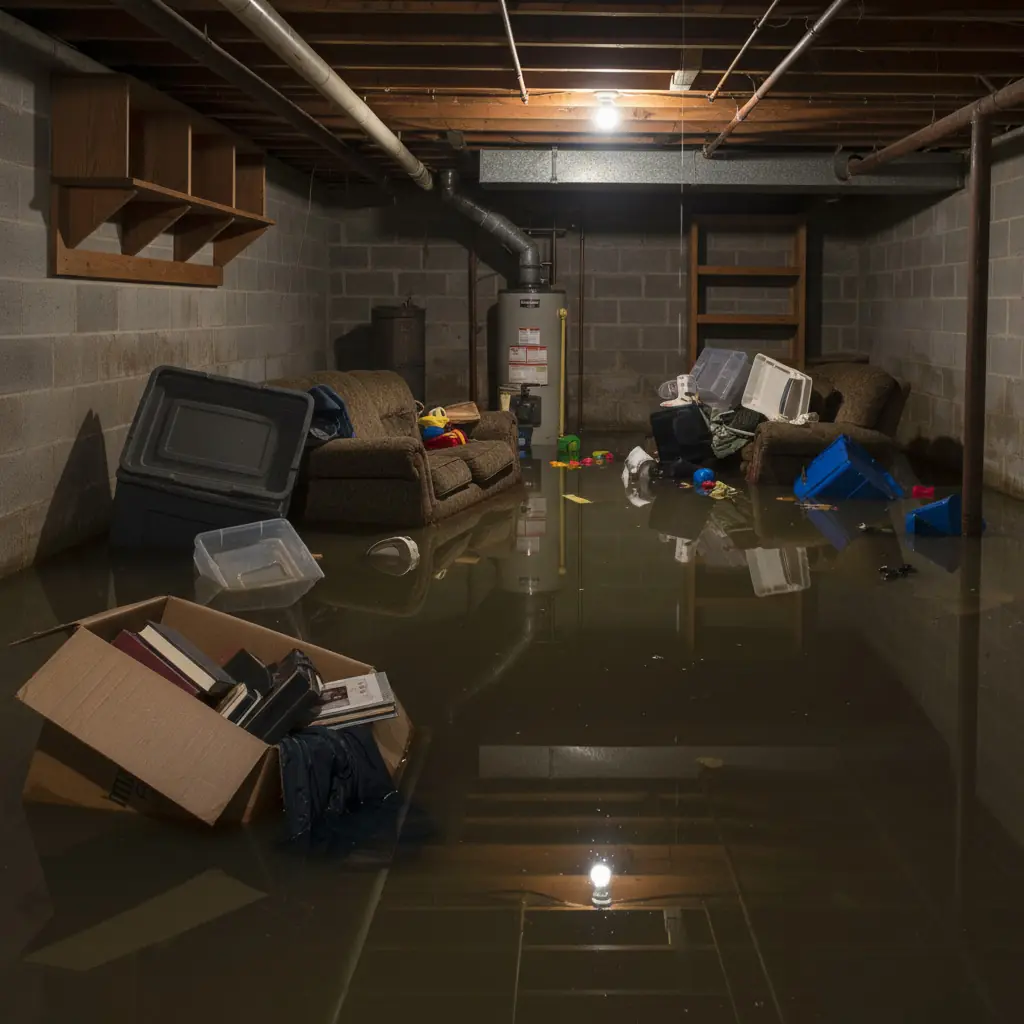
Last winter, a Spokane Valley homeowner faced a catastrophic sewer line collapse that flooded their finished basement with several inches of raw waste. The stench was immediate, but the hidden structural damage was far more insidious as the liquid seeped into the drywall, flooring, and electrical wiring behind the walls.
We arrived on the scene with industrial-grade moisture meters and HEPA filtration systems to begin a precise, step-by-step restoration process. Here is how we turned a biohazard nightmare back into a livable space:
- First, we established containment zones to stop the airborne bacteria from migrating to the upper floors of the house.
- We removed all non-salvageable porous materials, including soaked carpet and drywall, to prevent long-term mold colonies.
- Our team utilized professional-grade botanical antimicrobials to disinfect every square inch of the concrete slab before reconstruction.
- Finally, we verified the moisture levels were back to dry standards before giving the homeowner the green light for repairs.
The result was a completely sanitized home that surpassed local safety requirements for air quality and structural integrity. By acting quickly and bringing in experts rather than relying on store-bought cleansers, the homeowner saved their property value and ensured the health of their family remained entirely protected.
Navigating Insurance Claims and Documentation for Sewage-Related Property Loss
Filing a claim for sewage damage is a high-stakes game. Insurance adjusters require concrete proof, and if you fail to document the loss correctly, they will fight to deny your payout or drastically lower your settlement.
Do not wait for the adjuster to arrive before you start recording the scene. Your first priority is creating a clear, indisputable record of the damage.
- Take high-resolution photos and videos of the standing water before moving anything.
- Capture close-ups of damaged personal items, flooring, and drywall.
- Write down a detailed inventory of destroyed electronics, furniture, and family heirlooms.
- Keep copies of every invoice from the professional restoration team you hire.
When talking to your insurance agent, be precise but avoid admitting fault. Using the wrong terminology can lead to immediate claim rejection.
If you say you neglected a plumbing issue for months, they will mark it as general maintenance, which is usually not covered. Instead, focus on the sudden, accidental nature of the pipe burst or sewer backup.
Speed is your ally, but accuracy is your insurance. Ensure that your restoration company provides a detailed scope of work that aligns with industry standards, as this document becomes the backbone of your entire claim file.
Final Words
When raw sewage floods your Spokane Valley property, hesitation is your greatest enemy. You are facing a ticking clock that dictates how much of your home is salvageable and how much must be stripped down to the studs.
Do not let your emotions dictate your actions while your health is at risk. If you find yourself in this position, visit our Sewage Backup Cleanup page to see how we neutralize these threats instantly.
Remember that your home is a machine, and right now, that machine is contaminated with pathogens that a household mop cannot kill. Professional intervention is the only way to ensure that your air quality returns to normal and your foundation avoids long-term structural decay.
What to do right now
- Shut off your main water valve to prevent further flow into the area.
- Turn off the power to the affected room if you can do so without stepping into the water.
- Avoid all contact with the liquid and keep pets or children in a different part of the home.
- Call a certified restoration team that specializes in biohazard remediation immediately.
Waiting for the smell to subside or attempting to dry it out with fans only spreads airborne bacteria throughout your HVAC system. Take control of the situation by choosing professional containment over a risky DIY attempt.
Your property is your biggest investment, and every minute counts when dealing with waste water. Let the pros handle the hazardous work so you can get back to living in a clean, safe home without the fear of hidden mold or recurring health issues.
People Also Ask
Is sewage water in a home considered dangerous?
Sewage contains bacteria, viruses, and parasites that pose severe health risks to your family and pets. According to the CDC, exposure to raw waste can lead to serious gastrointestinal illnesses and skin infections.Should I attempt to clean up a sewage backup myself?
No, DIY cleanup of sewage is highly discouraged due to the extreme biohazard levels and the risk of pathogen transmission. Professional restoration companies use specialized protective gear and industrial disinfectants to safely sanitize your property.Does homeowners insurance cover sewage backup in Spokane Valley?
Coverage depends entirely on your specific policy, as many standard plans exclude damage caused by sewer backups unless you have added a specific endorsement. You should review your policy documents immediately or contact your agent to confirm your level of protection.How quickly does mold grow after a sewage leak?
Mold can begin to colonize damp, contaminated materials within 24 to 48 hours of a sewage event. Prompt professional extraction and structural drying are essential to prevent secondary damage to your walls and flooring.What steps should I take if my basement floods with sewage?
First, turn off the electricity to the affected area if it is safe to do so and avoid all physical contact with the water. Immediately call a certified restoration professional in Spokane Valley to begin emergency containment and mitigate structural decay.Need Water Damage Restoration Services?
We provide rapid water damage restoration and structural drying services to restore your property quickly in Spokane Valley and surrounding areas (99016, 99027, 99037, 99206, 99216). Our team delivers immediate mitigation to minimize secondary damage and return your home or business to a dry, stable condition.
Request Project Estimate