


⚡ TL;DR: If you notice ceiling water damage in South Fulton, use this guide to identify hidden sources, prevent mold growth, and determine when to contact professional repair services.
📋 What You’ll Learn
Discover how to navigate ceiling water damage in South Fulton with confidence. This guide provides actionable steps to identify leak sources, prevent mold growth, and protect your home’s structural integrity effectively.
- Take immediate containment actions to stop water from spreading across your ceilings, which helps you minimize expensive structural repairs and prevents further saturation of your home’s drywall materials.
- Identify hidden leak sources by distinguishing between common plumbing failures and roof damage typical in South Fulton homes, allowing you to address the root problem before patching ceilings.
- Prevent toxic mold growth by implementing specific drying protocols that combat our local Georgia humidity, ensuring your living space remains safe and free from long term air quality issues.
- Assess damage like a pro by utilizing our categorized inspection table, which helps you decide exactly when to perform DIY repairs versus calling in a certified restoration expert.
📖 Reading time: 7 min
✍️ Author expertise: South Fulton water damage restoration specialist with decades of local structural repair experience.
You wake up to the sound of a rhythmic drip, only to find a sickening brown stain spreading across your ceiling like a slow motion disaster. That small wet spot isn't just a cosmetic annoyance, it is a flashing red light signaling a breakdown in your home's integrity.
Most homeowners panic and start hacking away at the drywall, but that is a fast track to mold spores and structural compromise. You need a strategy to stop the rot before it turns your living room into a safety hazard.
Here is exactly what you need to check first to protect your home and your wallet from a total catastrophe.
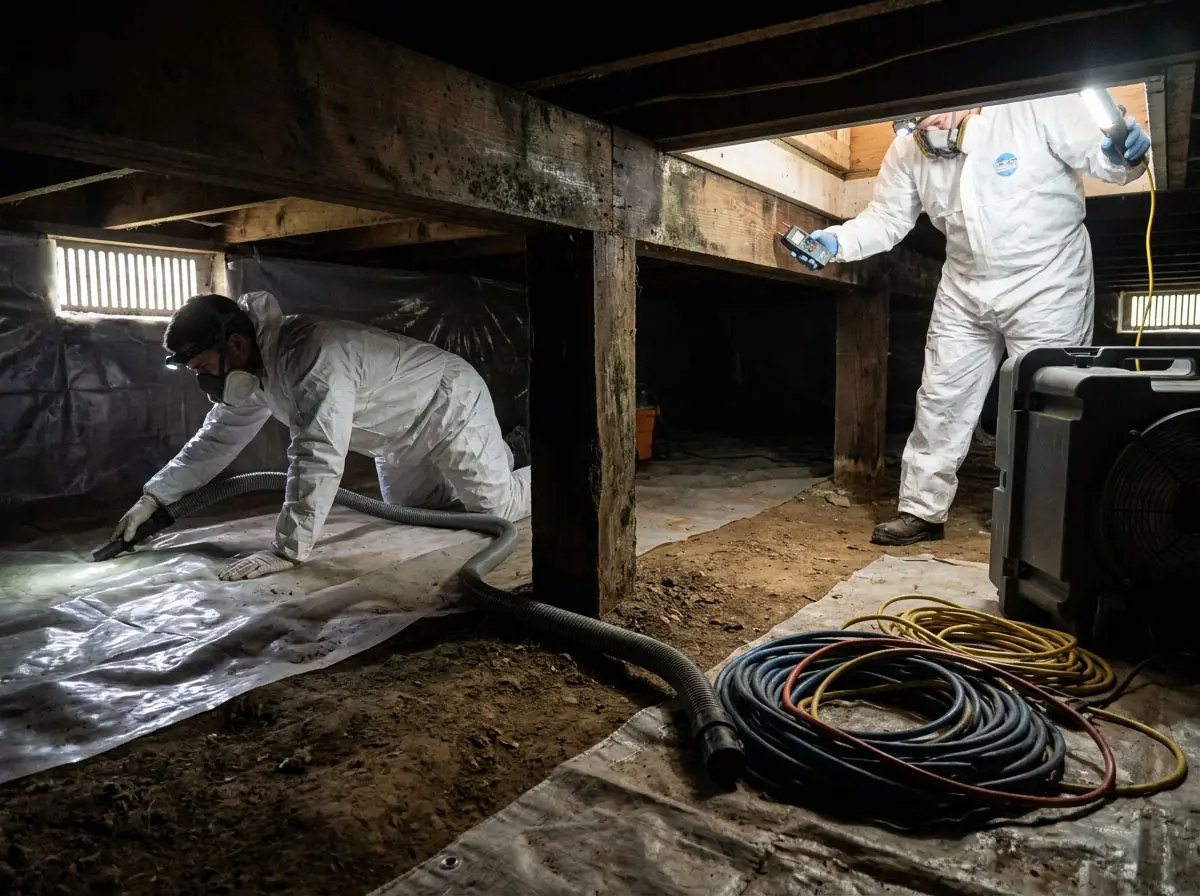
Immediate Containment Measures to Limit Structural Impact
When you spot that ceiling stain, your first move is not to grab a hammer. You need to stop the water flow immediately to prevent the damage from migrating to your electrical systems or flooring.
Head to your main water shut-off valve if you suspect a plumbing leak. If the ceiling is sagging under the weight of trapped water, poke a small hole in the center of the blister using a screwdriver to allow it to drain into a bucket.
Taking action early keeps the water from spreading. Follow these rapid response steps:
- Clear the area of furniture, electronics, and rugs to keep them away from the drip zone.
- Place a heavy-duty bucket or bin directly under the leak to catch the runoff.
- Turn off any circuit breakers that supply power to the room with the ceiling damage.
- Open windows to encourage airflow, but only if it is not raining outside.
Water is sneaky. It often travels along joists and rafters, showing up on your ceiling far away from the actual leak. By draining the trapped water, you reduce the strain on your ceiling drywall, which helps avoid a complete collapse of your plaster or gypsum board.
Remember, a saturated ceiling acts like a heavy, water-logged sponge. If you let it sit, the drywall will lose its structural bond and crumble without warning. Acting fast is the difference between a simple patch job and a major reconstruction project.
Identifying the Hidden Source: Plumbing vs. Roof Failures
Before you grab a bucket, you must determine if the water is coming from above the roofline or behind the wall. Plumbing leaks often produce a steady, concentrated drip, while roof leaks tend to worsen during South Fulton’s heavy afternoon rainstorms.
Check your attic or crawl space immediately. If you find insulation that feels like a wet sponge, you are likely looking at a roof failure or a compromised vent flashing.
Clues to Look For
- Plumbing issues: Look for stains located directly under bathrooms, laundry rooms, or water heaters. If the drip continues even when the water is turned off at the main valve, the pipe is likely drained and the source is elsewhere.
- Roof failures: Inspect the underside of the roof decking for dark streaks or wood rot. These issues often manifest after severe weather and might appear far from the actual entry point, as water travels along rafters before finally dripping onto your ceiling.
Do not assume the first wet spot you see is the source of the trouble. Water is sneaky; it follows the path of least resistance and can travel several feet along wooden beams before dropping into your drywall.
If you see dark, circular rings, that usually points to a pinhole pipe leak. Jagged, streaking stains across a large surface area are classic signs of a failing roof membrane or loose shingles that let South Fulton's humidity and rain seep inside.
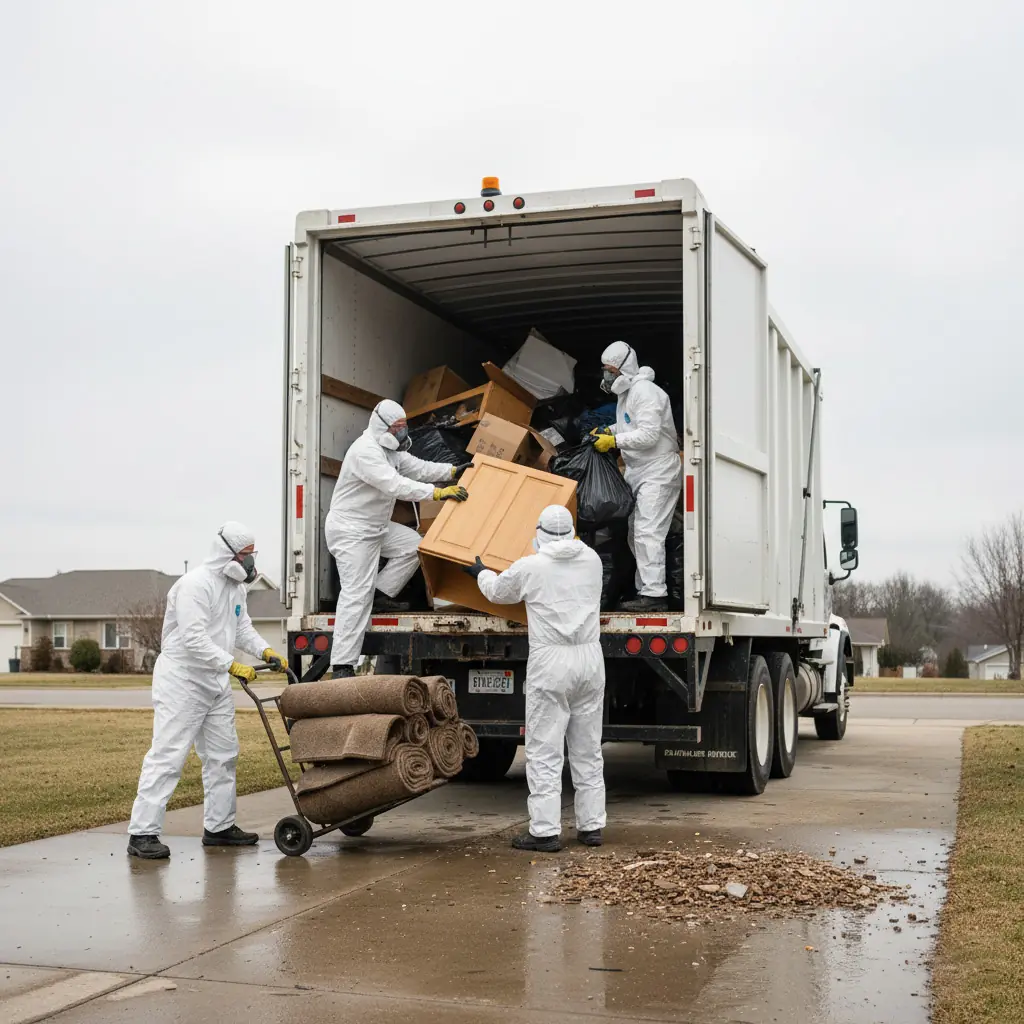
Navigating South Fulton Humidity and Mold Prevention Protocols
South Fulton sits in a humid subtropical zone where moisture is the enemy of every homeowner. When water leaks into your ceiling, the local air quality turns the damage into a breeding ground for toxic mold within 24 to 48 hours.
You cannot afford to let stagnant water sit. If you see a dark stain or feel dampness, act as if the clock is ticking because, frankly, it is.
Essential Defense Tactics
You need to stabilize the environment immediately to stop spores from taking root. Use these specific steps to fight back against our local climate:
- Set your HVAC system to run continuously to pull moisture from the indoor air.
- Deploy high capacity dehumidifiers in the affected room to drop the humidity level below 50 percent.
- Avoid using electric fans near the wet ceiling, as this can force spores into the air you breathe.
- Seal off the affected room with plastic sheeting to prevent mold spores from spreading throughout the rest of the house.
If you leave the ceiling wet, the combination of Georgia heat and trapped moisture will compromise your subfloor and insulation. This is not just a cleaning job; it is a battle for the structural health of your home.
Assessing the Damage: A Categorized Inspection Table for Homeowners
Before you start poking at your ceiling, you need to know exactly what you are looking at. Not all water damage is created equal, and misjudging the severity can lead to a literal collapse of your living room ceiling. Use this checklist to determine if you are dealing with a minor localized issue or a full-blown emergency.
| Damage Level | Visual Indicators | Immediate Risk | Recommended Action |
|---|---|---|---|
| Level 1: Minor | Small discoloration, no sagging | Low | Monitor and fix source |
| Level 2: Moderate | Visible drip, paint bubbling | Medium | Contain water and dry area |
| Level 3: Severe | Heavy sagging, active pouring | High | Evacuate and call pros |
| Level 4: Critical | Ceiling collapse, dark mold | Extreme | Emergency mitigation only |
Start your inspection by checking the integrity of the drywall around the stain. If the surface feels soft like damp cardboard or shows visible sagging, stay away from that area immediately. Gravity is not your friend when wet materials are involved, and a localized patch can give way without warning.
Look for these telltale signs to gauge the scope of the problem:
- Efflorescence: White, powdery mineral deposits often indicate a long term leak.
- Musty Odors: A sour smell is a major red flag for hidden mold growth behind your panels.
- Rusting Fasteners: If you see brown spots forming around drywall screws, the moisture has already traveled deep into the structural framing.
Do not be fooled by a small stain; the damage you see is usually only a fraction of the actual saturation hiding in the attic insulation or subfloor. If the stain is wider than a dinner plate, it is highly likely that your floor joists are already compromised. Treat every stain with suspicion until you have inspected the area above it with a high intensity flashlight.

Lessons from a Recent South Fulton Ceiling Restoration Case Study
Last month, we received a distress call from a homeowner in South Fulton regarding a persistent leak above their master bedroom. The initial homeowner assessment suggested a minor roof issue, but our thermal imaging equipment told a different story.
What appeared to be a simple roof penetration was actually a hidden plumbing breach inside an HVAC condensation line. By the time the water surfaced on the ceiling, it had already saturated the fiberglass insulation, creating a prime breeding ground for toxic mold.
Here is what we learned from this specific job:
- Early detection using moisture meters saved the structural joists from irreversible rot.
- The humidity levels in South Fulton can accelerate mold growth in less than 48 hours.
- DIY patching often traps moisture behind the drywall, which creates a more expensive repair down the road.
Our team moved in quickly to create a controlled drying environment. We performed a targeted extraction, removed the compromised materials, and utilized industrial air movers to restore the room to its dry, pre-loss condition. This case demonstrates that the source of the water is rarely where you see the stain.
Professional Intervention: When to Call for Emergency Mitigation
Most DIY fixes are just putting a bandage on a gunshot wound. If the water has already saturated your insulation or triggered electrical flickering, you are past the point of hardware store solutions.
You need to call a pro immediately if you spot any of the following red flags that indicate a threat to your family:
- The ceiling is visibly sagging or bowing downward.
- You detect a pungent, musty odor that lingers even after drying the surface.
- Water is actively dripping from recessed lighting fixtures or smoke detectors.
- You have noticed visible black or fuzzy growth appearing within 48 hours.
When you call in a specialized restoration crew, we do more than just patch drywall. We use high grade moisture meters and thermal imaging cameras to track the water path behind the walls, ensuring we stop the damage at the source.
Trying to manage this yourself often leads to trapped moisture, which creates a breeding ground for toxic spores. Professional mitigation uses industrial dehumidifiers and air scrubbers to sanitize the air, protecting your lungs while we secure the structure of your home.
Final Words on Protecting Your Property’s Value
Your home is likely your biggest investment, and water damage is the silent thief that eats away at its equity. Every hour you wait allows the moisture to settle deeper into the sub-flooring and insulation.
Neglecting a simple leak today leads to expensive full-scale restoration tomorrow. If you want to keep your property value high, you must treat every ceiling stain as a priority.
When you take proactive steps to fix issues early, you save thousands in structural repairs. If the damage feels beyond your control, don't hesitate to consult our professional Ceiling Water Damage Repair experts.
Protecting Your Equity
A home with a history of unresolved water issues becomes nearly impossible to sell at a premium. Buyers look for signs of rot, and inspectors will find the water stains you tried to hide behind a fresh coat of paint.
Follow these quick rules to keep your home value safe:
- Document all water incidents for your insurance records.
- Fix small plumbing drips before they evolve into major pipe bursts.
- Ensure your attic ventilation is working to stop condensation build up.
Do not let a minor drip turn into a massive financial liability. Take action now and keep your home solid, dry, and ready for whatever life throws your way.
People Also Ask
Does homeowners insurance cover ceiling water damage in South Fulton?
Most standard homeowners insurance policies cover sudden and accidental water damage, such as a burst pipe. However, damage resulting from long term neglect or lack of maintenance is typically excluded from coverage.How quickly does mold grow on a water damaged ceiling?
Mold can begin to colonize on wet surfaces within 24 to 48 hours if moisture is not properly addressed. You can review mold guidelines from the Environmental Protection Agency to understand the health risks associated with indoor air quality.What are the signs of a leaking roof versus plumbing issues?
Plumbing leaks often cause persistent, localized dripping or stained drywall near bathroom fixtures and pipe runs. Roof leaks, by contrast, are more likely to appear after heavy rainstorms or during high humidity periods in the South Fulton area.Should I cut a hole in my ceiling to drain trapped water?
Creating a small drainage hole can prevent a full ceiling collapse if a large pocket of water has formed. Use caution to avoid electrical wiring and always wear personal protective equipment to shield yourself from contaminated water or falling debris.How do I know if my ceiling damage requires professional restoration?
Professional intervention is necessary if you see visible mold growth, sagging drywall, or signs of water spreading across large areas. Expert technicians have the specialized moisture detection tools required to dry out hidden cavities and prevent structural rot.Need Water Damage Restoration Services?
We provide rapid emergency water extraction and structural drying to restore your property in South Fulton and surrounding communities. Our team arrives quickly to mitigate damage and return your home to a safe condition (30349, 30331, 30213, 30268).
Request Price Estimate