


⚡ TL;DR: This guide helps South Bend residents navigate flood damage restoration by outlining essential safety steps, professional assessment benefits, and effective strategies for protecting homes from local water risks.
📋 What You’ll Learn
Navigating flood recovery in South Bend requires specific local knowledge. This guide provides actionable steps to protect your property, manage structural repairs, and successfully navigate insurance claims after heavy rain events.
- Execute vital safety protocols immediately by learning how to shut down utilities and secure your home before professional crews arrive to handle standing water or potential electrical hazards.
- Master the critical restoration timeline to understand why acting within the first twenty-four hours is essential for preventing long-term structural rot and hazardous mold growth in your home.
- Evaluate DIY versus professional drying by using our comparison tools to decide which cleanup tasks you can safely handle and when expert restoration equipment is absolutely required.
- Address South Bend basement vulnerabilities by studying case studies of local historic properties to identify common regional flood risks and effective strategies for protecting your unique foundation.
- Document your property loss accurately so you can coordinate smoothly with insurance adjusters and ensure your claim captures every detail needed for a fair and timely financial settlement.
📖 Reading time: 8 min
✍️ Author expertise: South Bend restoration expert with fifteen years of experience mitigating local flood damage.
You wake up to the sound of water pooling on your basement floor, and suddenly your stomach drops as you realize your family photos and seasonal gear are turning into a soggy mess. South Bend weather hits hard, and when the St. Joseph River rises or a pipe bursts, you don't have time to second-guess your next move.
Most homeowners lose thousands of dollars simply because they panic and wait too long to act. You need a clear plan to stop the rot before it ruins your home's foundation.
Here is exactly what you need to do right now to protect your property and stop the damage before it spreads further.

Immediate Safety Measures and Utilities Shutdown Protocols
Your first move is not to start mopping. Your first move is to stay alive by prioritizing electrical safety above everything else.
Water conducts electricity with lethal speed. If the flooding is deep enough to touch electrical outlets or extension cords, do not step into the room.
Before you do anything else, follow these steps to secure your home:
- Head to your breaker panel and shut off the main power supply if it is located in a dry area.
- If the panel is submerged, do not attempt to reach it; contact your local utility provider to cut power to the entire property.
- Shut off the main water valve to prevent further flooding if you suspect a burst pipe is the culprit.
- Wear rubber boots and heavy gloves to protect yourself from debris or hidden sharp objects beneath the water.
Once you are certain the power is off, you must protect your assets. If you can do so without walking through standing water, move electronics and small valuables to a higher floor immediately.
Be careful of sewage contamination if the water has backed up through the floor drains. Treat all standing water as toxic and avoid skin contact whenever possible.
The Critical 24-Hour Window: Why Speed Prevents Structural Decay
When your home takes on water, the clock is not just ticking, it is racing against your bank account. In the first few hours, moisture is merely a nuisance, but by the 24-hour mark, your basement transforms into a breeding ground for toxic mold and irreversible wood rot.
Microorganisms thrive in the damp, dark corners common in South Bend homes. If you wait until tomorrow to call for help, you are essentially inviting permanent structural decay into your floor joists and drywall.
The Timeline of Decay
- 0-6 Hours: Water saturates carpet padding and begins wicking up the drywall.
- 6-24 Hours: Visible moisture marks appear on walls, and the risk of bacterial growth spikes.
- 24-48 Hours: Mold colonies begin to germinate, and wet wood starts to lose its load-bearing integrity.
You cannot simply dry the surface and walk away. Water hides behind baseboards and inside wall cavities, quietly eating away at your property value while you sleep. The faster you extract the standing water and deploy professional dehumidification, the cheaper the restoration bill will be. Every hour you spend debating whether to call a professional is an hour where the damage compounds exponentially.
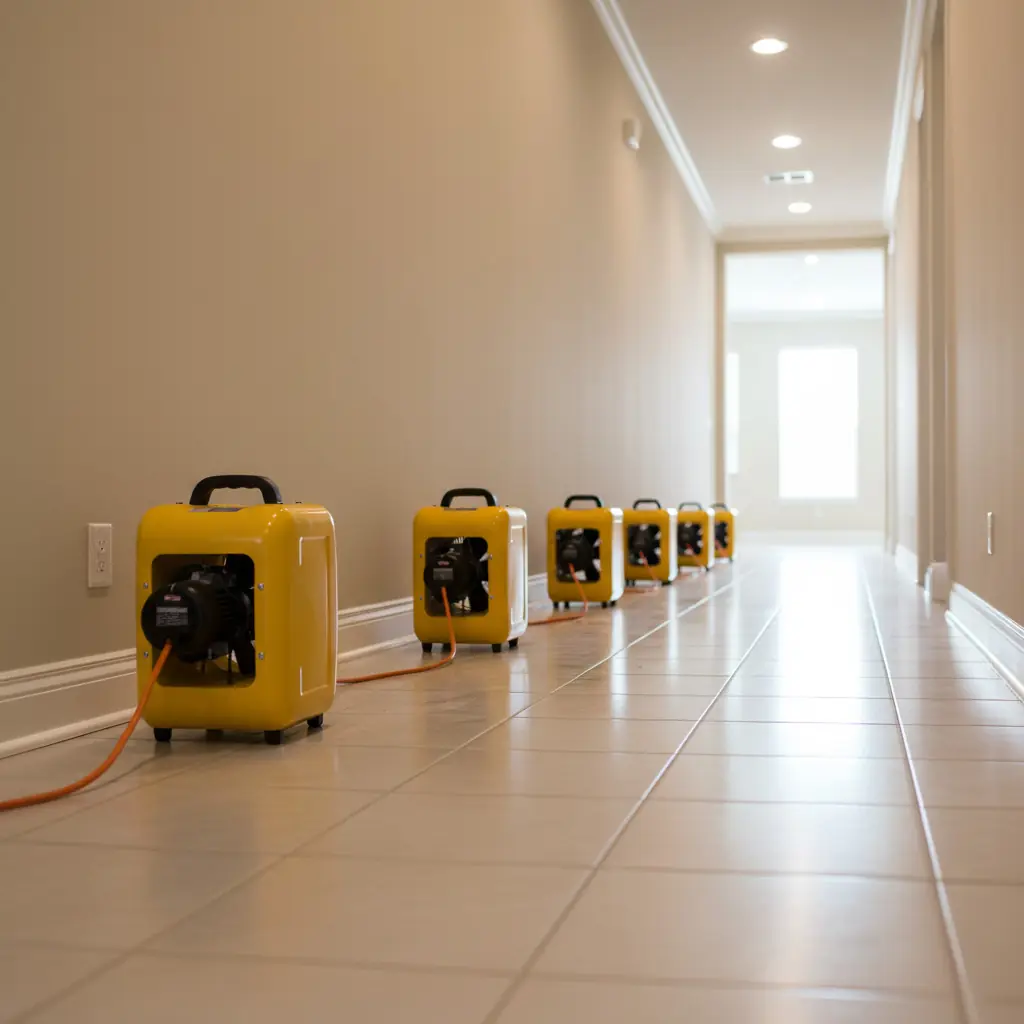
Professional Assessment Versus DIY Drying: A Comparison Table for Homeowners
You might be tempted to grab a shop vac and a few box fans to tackle the mess yourself. While that works for a tiny spill, South Bend flood water is rarely just clean tap water. It often carries sewage, sediment, and hidden bacteria that penetrate deep into your floor joists.
| Feature | DIY Drying | Professional Restoration |
|---|---|---|
| Equipment | Household fans/vacuums | Industrial dehumidifiers/HEPA filters |
| Moisture Detection | Visual check only | Thermal imaging/moisture meters |
| Pathogen Control | Standard cleaning supplies | Professional-grade biocides |
| Structural Integrity | Guesswork | Certified structural testing |
| Insurance Claims | Often denied | Fully documented for adjusters |
A professional team does not just move air around. We bring industrial-grade dehumidification that forces moisture out of drywall and hardwood flooring before mold takes hold. When you choose to handle this alone, you risk locking moisture behind your walls, which creates a ticking time bomb for toxic mold growth.
Why Precision Matters
Hidden pockets of moisture are the biggest threat to your property value. If you leave even a small percentage of saturation in your subfloor, the damage will persist long after the carpets feel dry to the touch.
- Professionals use moisture mapping to track water behind finished walls.
- Certified crews ensure the air quality is safe for your family to breathe.
- We handle the demolition and disposal of ruined materials, saving you from heavy lifting and hazardous exposure.
Don't gamble with the structural safety of your home. If the water has been standing for more than 24 hours, the job has already moved beyond the reach of store-bought tools.
Navigating South Bend’s Unique Flood Risks and Basement Vulnerabilities
South Bend residents know that our geography is a double-edged sword. We sit near the St. Joseph River, which means snowmelt and heavy spring rains often overwhelm local drainage systems. If you live in older neighborhoods like River Park or near the river bends, your basement is essentially the front line of defense against rising water tables.
Most homes in our area feature poured concrete or block foundations that were built decades ago. These structures often struggle with hydrostatic pressure, which is the force water exerts against your walls when the ground becomes saturated. Once that pressure pushes moisture through tiny cracks, your basement walls can weaken or bow over time.
Common Vulnerability Factors in Michiana Homes
- Aging Sump Pump Systems: Many homeowners rely on pumps that are over a decade old and prone to mechanical failure during heavy storms.
- Foundation Seepage: Older mortar joints frequently break down, allowing moisture to wick directly into your floorboards and wall studs.
- Backflow Issues: During intense city-wide drainage surges, water can be pushed back through your sewer lines into your home.
- Clogged Downspouts: Gutters that drain too close to the house foundation create a localized flood zone every time it rains.
You cannot change the geography of South Bend, but you can control your home's interaction with it. Keep your gutters clean, extend your downspouts at least six feet away from your foundation, and always maintain a battery backup for your sump pump. Taking these small steps now will save your basement from becoming a secondary river during the next big thaw.
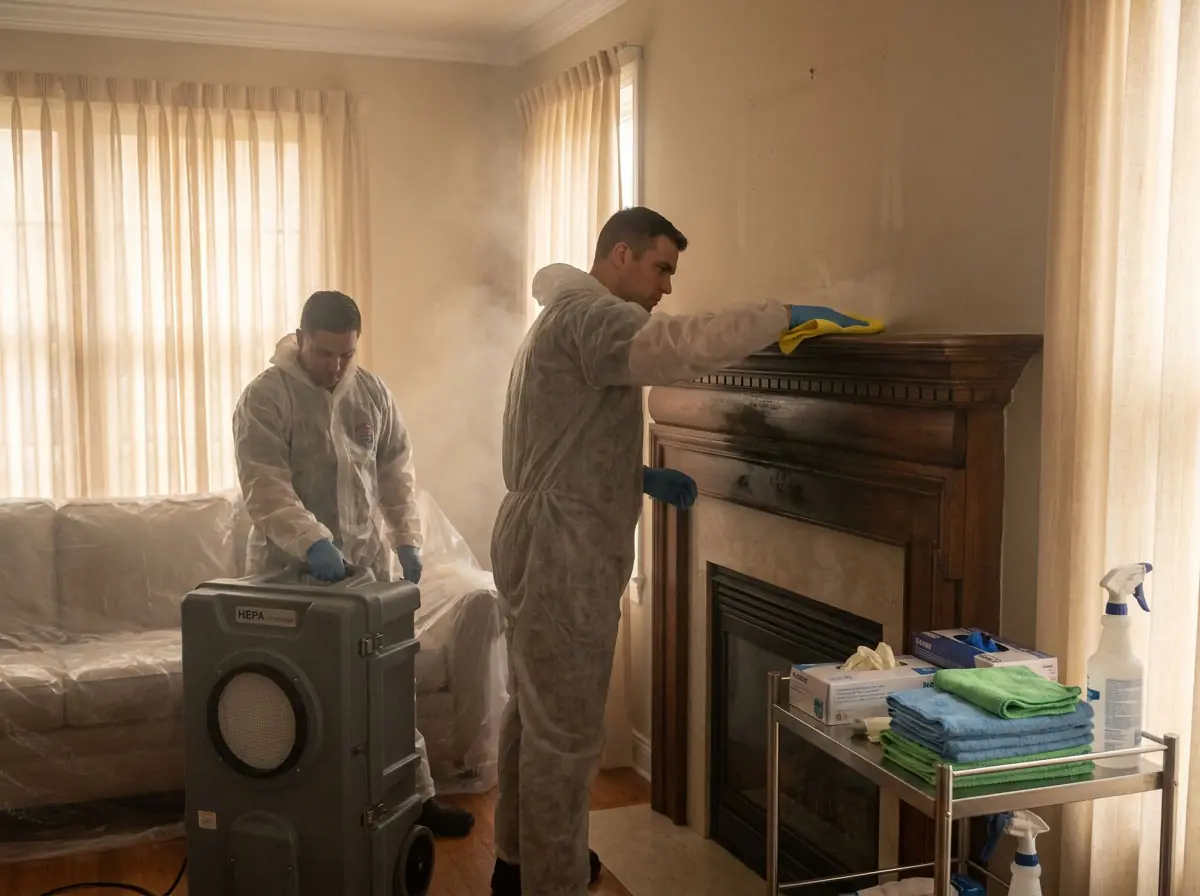
Restoring a Historic Near-Northside Basement: A Local Water Damage Case Study
Take the case of a century old craftsman home in the Near-Northside neighborhood. The owners faced a nightmare scenario when a heavy spring storm caused the city storm sewers to backup directly into their finished basement.
Because the foundation was built with original fieldstone rather than poured concrete, the water didn't just pool on the surface. It seeped into the porous mortar joints, creating a hidden trap for mold growth and structural rot.
Lessons from the Frontline
Our team arrived to find that the homeowners had already pulled up the water-logged carpeting, which was a smart first move. However, they left the vintage wood framing and insulation untouched, which would have surely led to black mold within 48 hours.
- We immediately set up industrial-grade dehumidifiers to lower the moisture content of the stone walls.
- Our technicians used moisture meters to trace the water path behind the drywall.
- We treated the exposed joists with antimicrobial agents to prevent long-term decay.
By treating the basement as an integrated system instead of just a wet floor, we saved the structure from needing a total gut renovation. Local homes in South Bend have character, but that character requires a specific, aggressive approach when floodwater strikes.
Coordinating With Insurance Adjusters and Documenting Property Loss
Your insurance company is not your partner in this emergency; they are a business looking to minimize their payout. If you do not provide cold, hard evidence of the destruction, you are leaving your financial recovery to chance. Document every single square inch of the affected area before you move a single box or start the cleanup process.
Take high-resolution photos and videos of the standing water, the saturation levels on your drywall, and the condition of your personal belongings. Do not throw away damaged items until the adjuster gives you the green light, as they often require proof of loss for your claim to be approved.
Essential Documentation Steps
- Record a video walkthrough of the entire flooded space.
- Create a detailed list of all damaged furniture, electronics, and keepsakes.
- Keep a strict log of every conversation you have with your insurance agent, including the date, time, and name of the representative.
- Request a written copy of your policy’s flood or water damage coverage terms.
When the adjuster arrives, be present to show them exactly where the water originated. If a pipe burst behind a wall, point out the source so they understand this was a sudden and accidental event rather than long-term neglect. If they see you are organized, informed, and persistent, they will have a much harder time denying your legitimate claim.
Final Words
When the water stops rising, the real work of protecting your home begins. You cannot afford to treat standing water like a minor cleanup job, because hidden moisture is a silent predator that eats away at your investment from the inside out.
If you find yourself staring at a flooded floor, remember that professional intervention is the only way to ensure your home remains safe and sound. Relying on an expert Flood Damage Restoration team means you are putting years of experience between you and the risks of mold or structural collapse.
To keep your property in top shape, stick to these core principles:
- Never wait for the floors to dry on their own.
- Document every damaged item before you toss it in the trash.
- Contact your insurance provider as soon as you have secured the area.
- Prioritize air quality by removing soaked materials immediately.
South Bend winters and spring thaws are unforgiving, but they do not have to result in a total loss. By keeping a sharp focus on the details and calling in reinforcements the moment things get out of hand, you stop the decay before it starts. Stay prepared, act fast, and keep your doors open for a healthy home.
People Also Ask
What should I do immediately after my basement floods in South Bend?
Prioritize your safety by shutting off the main electrical breaker before entering any standing water. Once the power is disconnected, focus on stopping the water source if possible and contacting a professional restoration team to prevent rapid microbial growth.Why is the first 24 hours critical for water damage restoration?
Acting within the first day is vital because moisture begins to seep into porous materials like drywall and wood, which leads to permanent structural decay. According to the EPA guidelines, mold growth can start in as little as 24 to 48 hours when conditions are damp.Does homeowners insurance cover flood damage in South Bend?
Standard homeowners insurance policies typically do not cover water damage caused by external flooding or rising water. You generally need a separate policy through the National Flood Insurance Program to protect your property against these specific types of losses.Are basements in South Bend more prone to water damage?
Many South Bend homes feature older foundations or are located in low-lying areas near the St. Joseph River, making them susceptible to basement flooding during heavy rain. Routine maintenance of sump pumps and foundation sealing is essential for long-term property protection in this region.Can I clean up flood damage myself?
Small spills can be managed with a wet vacuum, but significant flood damage requires industrial-grade dehumidification equipment to reach hidden moisture. Improper drying often results in trapped humidity, which creates a breeding ground for hidden mold and compromises the integrity of your home.Need Water Damage Restoration Services?
We provide rapid water damage restoration for homes and businesses throughout South Bend and the surrounding communities. Our team arrives quickly to extract water and dry your property to prevent further structural damage. (46601, 46614, 46617, 46637)
Request Price Estimate