


⚡ TL;DR: This guide offers homeowners in Rochester a clear overview of professional structural drying services, explaining the technical process, local climate considerations, and typical costs for water damage restoration.
📋 What You’ll Learn
In this guide to structural drying in Rochester, you will learn the technical requirements for restoring your property after water damage, ensuring your home remains safe, dry, and free from mold.
- Understand the science behind drying by comparing professional industrial equipment against simple home tools to see why specialized dehumidification is necessary for preserving your building materials after a leak.
- Analyze local Rochester climate factors as we examine how Minnesota humidity levels and seasonal temperature shifts impact your drying timeline and the specific equipment required for a successful home recovery.
- Break down typical restoration costs to help you build an accurate budget for mitigation services, including labor, monitoring, and professional equipment rentals based on current industry standards in Rochester.
- Follow a local basement case study to see how professional teams handle real water damage scenarios in our region, providing you with a clear roadmap for your own restoration process.
📖 Reading time: 7 min
✍️ Author expertise: Professional water restoration technician with over ten years of drying basements across Rochester.
You wake up in the middle of a Rochester winter to the sound of dripping water, only to realize a pipe has burst and your home is turning into a swamp. The immediate panic isn't just about the mess; it is about the cold, hard reality that water trapped inside your walls and floors is a ticking time bomb for mold and rot.
Most homeowners assume a shop vac and a few fans will fix the issue, but structural drying is a precise science that keeps your house from literally falling apart. If you ignore the hidden moisture now, you are essentially inviting a massive repair bill and health hazards into your living room later.
I am going to pull back the curtain on how professional drying actually works, what the real costs look like, and how you can avoid getting taken for a ride when disaster strikes. Let’s break down exactly what you should expect so you can save your property before it’s too late.
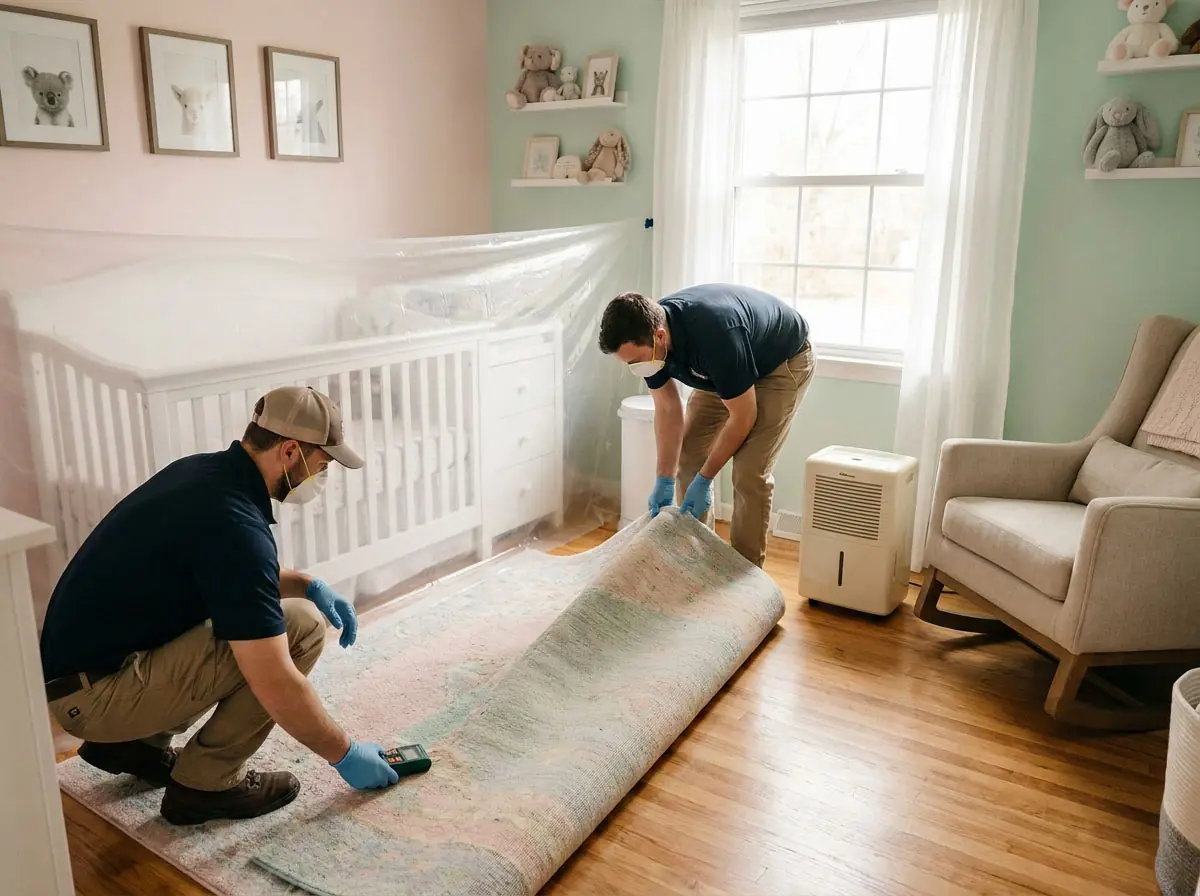
The Science Behind Professional Structural Drying vs. DIY Methods
Most people think a wet floor is just a cleanup problem. They grab a box fan, open a window, and hope for the best. This is a massive mistake.
Professional structural drying isn't about moving air. It is about moisture physics. We use specialized psychrometric charts to calculate the exact amount of water vapor your materials can hold before they begin to degrade.
You aren't just drying the surface; you are removing water from deep within the wall studs and subflooring. If you leave moisture trapped behind your drywall, the structure will rot from the inside out.
Here is why your home hardware store equipment fails to get the job done:
- Standard fans just push moisture around instead of removing it from the air.
- DIY methods lack the dehumidification power required to force water out of dense wood fibers.
- Without professional moisture meters, you are just guessing. If you guess wrong, mold colonies take hold within 48 hours.
Real restoration is about creating a controlled environment. We seal off the affected areas to create a drying chamber. We then use commercial-grade low grain refrigerant dehumidifiers to strip moisture out of the air at a molecular level.
This creates a pressure differential that literally pulls water out of your floorboards and walls. When you leave the job to a professional, you are paying for the science of evaporation, not just a bunch of fans blowing air around.
Rochester Climate Factors: Why Local Humidity and Temperature Demand Specialized Equipment
Living in Rochester means dealing with a unique set of meteorological mood swings. Our harsh winters often force us to keep our homes sealed tight, which traps moisture inside when a leak occurs, while our humid summers prevent standard box fans from doing anything more than moving wet air around.
Standard drying equipment simply fails in this environment. When the air outside is already saturated, dumping more moisture into it via poor ventilation just breeds mold. You need industrial grade desiccant dehumidifiers that pull moisture directly out of the air, regardless of the dew point outside your window.
The Rochester Drying Challenge
Professional restoration teams here do not just use off the shelf gear. We rely on specific equipment calibrated for Minnesota's climate:
- Low Grain Refrigerant (LGR) dehumidifiers designed to work in cold, damp basements.
- HEPA air scrubbers to trap mold spores that thrive in our specific humidity levels.
- Moisture mapping sensors that track how deep water has traveled through your subflooring and wall cavities.
The bottom line is that the Rochester climate makes DIY drying a setup for failure. If you try to dry your home using only the HVAC system or portable fans, you are essentially cooking your property in a humid sauna. That is exactly how secondary damage starts, leading to warped floorboards, ruined drywall, and expensive mold remediation that could have been stopped on day one.

Step-by-Step Breakdown of the Professional Dehumidification Process
Professional drying is not just about blowing air at a damp spot. It is a disciplined, multi-stage recovery mission designed to pull moisture out of dense materials like concrete, hardwood, and wall studs.
Our technicians start by performing a deep-moisture mapping of your Rochester home. We use specialized probes and thermal imaging cameras to see exactly where the water is hiding behind your drywall and under your floorboards.
The Core Restoration Sequence
- Water Extraction: We use industrial-grade vacuums to pull up the bulk of the standing water immediately.
- Strategic Airflow: High-velocity air movers are set at precise angles to accelerate the evaporation rate across affected surfaces.
- Dehumidification: We run commercial-grade dehumidifiers to capture the airborne water vapor, keeping the local humidity levels low enough to force moisture out of your building materials.
- Monitoring: We check moisture readings daily. We do not leave until your home meets certified dry standards.
You cannot shortcut this timeline. If you pull the fans too early, the remaining trapped moisture will trigger mold growth within forty-eight hours.
This systematic approach ensures that we are drying the structure itself, not just the air in the room. By controlling the internal environment of your property, we prevent secondary damage that typically costs thousands more to repair later.
Decoding the Costs: A Detailed Budget Table for Water Mitigation Services
When your home floods, the math behind the repair feels mysterious. Many contractors hide behind vague estimates, but professional restoration relies on standard pricing based on square footage, moisture depth, and the complexity of the materials involved.
The total price tag typically covers equipment rental, labor hours, and monitoring visits. We believe in total transparency so you can make decisions without guessing.
| Service Category | Estimated Cost Range |
|---|---|
| Initial Site Assessment | $200 - $400 |
| Water Extraction Labor | $300 - $800 |
| Equipment Rental (Daily) | $150 - $400 |
| Structural Monitoring | $100 - $250 |
| Antimicrobial Treatment | $200 - $600 |
You might be tempted to cut corners, but cheap labor often leads to hidden mold growth. Think of these costs as a form of insurance for your property value.
Several variables impact your final invoice:
- The source of the water: Clean supply lines are cheaper to treat than sewage backups.
- The duration of the saturation: The longer water sits, the more building materials require disposal.
- The type of flooring: Hardwood and high-end carpeting require specialized dehumidification mats that add to the daily rate.
Do not let a low quote fool you if it does not include professional moisture mapping. If a technician does not verify the dry standard with a calibrated meter, you are likely paying for work that leaves the job half-finished.

Real-World Restoration: A Rochester Basement Recovery Case Study
Consider a standard Rochester home in the Slatterly Park neighborhood. A severe thaw caused a basement drain backup that saturated the finished drywall, luxury vinyl flooring, and internal wooden wall studs.
The homeowner initially tried to dry the space with a space heater and a single oscillating fan. Two weeks later, the smell of mildew was pervasive, and the drywall began to crumble at the baseboards.
When our team arrived, the moisture content in the framing was over 25 percent. We had to execute a precise, three-day structural drying plan to save the house from a full gut renovation.
The Recovery Strategy
We ignored the quick fixes and went straight for professional-grade physics. Here is exactly what we did to reverse the damage:
- Removed the baseboards and drilled strategic weep holes to allow air circulation inside the wall cavities.
- Installed two low-grain refrigerant dehumidifiers to strip moisture from the air, forcing the materials to release trapped water.
- Positioned axial air movers in a specific circular pattern to create a high-velocity airflow across the saturated surfaces.
- Monitored the moisture content daily using specialized thermal imaging cameras to track the drying progress behind the walls.
By day four, the moisture levels dropped back down to the safe 12 percent range. Because we caught the issue before mold colonies took root, we avoided the high costs of hazardous material removal and major reconstruction.
Protecting Your Property Investment: Preventative Measures and Maintenance Tips
Most Rochester homeowners treat their property like a passive asset, but your house is a machine that requires regular checkups. If you want to keep your bank account safe from emergency restoration costs, you must switch from reactive repairs to proactive defense.
Start by inspecting the high risk zones in your home at least twice a year. Water damage doesn't usually start with a dramatic burst pipe; it begins as a slow, quiet seep that feeds mold colonies behind your drywall.
Critical Maintenance Checklist
- Inspect your sump pump and battery backup system before the spring thaw arrives.
- Check basement window wells for debris that blocks drainage and funnels water toward your foundation.
- Examine all appliance hoses, especially those connected to your washing machine and refrigerator, for cracks or stiff rubber.
- Seal any visible gaps around your foundation or basement rim joists with professional grade caulk.
- Monitor your indoor humidity levels using a simple hygrometer to ensure your HVAC system is pulling moisture out of the air.
Taking ten minutes to tighten a fitting or clear a drain is a massive win for your wallet. If you find signs of staining, musty odors, or damp carpet, don't wait for the problem to grow. Getting a professional assessment early can be the difference between a hundred dollar fix and a multi thousand dollar disaster.
Final Words
When water intrudes into your Rochester home, speed is your greatest asset. Waiting even twenty-four hours allows mold spores to turn your wall cavities into a private breeding ground.
Do not gamble with the structural integrity of your home. Professional Structural Drying Services use calibrated moisture sensors to ensure every hidden pocket of dampness is purged before you seal the walls back up.
If you suspect a leak, follow these rapid response rules to minimize the carnage:
- Shut off the main water valve immediately to stop the flow.
- Move porous items like rugs and cardboard boxes away from the wet zone.
- Call a certified pro before the water begins to compromise your subfloor.
Remember, the goal is to dry the building materials, not just wipe the floor. Skipping the professional equipment phase often leads to expensive secondary damage that insurance might refuse to cover later.
Keep your contact list updated with a local expert who understands Rochester winters and basement issues. A fast, technical response is the difference between a minor clean-up and a total property teardown.
People Also Ask
How much does professional water damage restoration cost in Rochester?
Costs vary significantly based on the square footage affected and the extent of water saturation. On average, homeowners can expect to pay between 2,500 and 6,000 dollars, though major structural issues may increase this investment.Why is structural drying necessary after a flood?
Structural drying prevents the growth of mold and ensures the long term stability of your building materials. Proper moisture control follows the guidelines established by the Environmental Protection agency to maintain healthy indoor air quality.Can I dry my basement myself using store bought dehumidifiers?
Residential equipment often lacks the airflow and grain depression capability required to remove deep moisture from floor joists and subflooring. Professional grade equipment is essential to reach standard dry goals and prevent hidden rot behind your drywall.How long does the professional drying process take?
Most structural drying projects in our region take between three to five days depending on the materials involved. Our technicians monitor daily moisture levels to ensure the environment returns to a safe, natural state as quickly as possible.What signs indicate that my home needs professional mitigation?
Visible water pooling, damp odors, and warped floorboards are immediate signs that professional intervention is required. If your property experienced significant exposure, do not wait for visible mold to appear before seeking an inspection.Need Water Damage Restoration Services?
We provide rapid water damage restoration across Rochester and surrounding areas to dry your property and prevent further structural damage. Our team arrives quickly to restore your home or business to its pre-loss condition (55901, 55902, 55904, 55906).
Request An Estimate