


⚡ TL;DR: This Richmond guide teaches you how to address hardwood floor water damage, offering practical steps for moisture mitigation, repair assessments, and long term prevention for your historic home.
📋 What You’ll Learn
Protecting your Richmond hardwood floors from water damage requires quick action and expert knowledge. This guide explores essential mitigation steps, structural warning signs, and local restoration strategies for Virginia homeowners.
- Master emergency moisture mitigation techniques that stop standing water from warping your subfloor, helping you act fast to prevent permanent structural damage to your beautiful hardwood planks.
- Identify specific floor deformation patterns like cupping, crowning, and buckling so you can accurately assess the severity of the water damage before calling in local restoration pros.
- Compare professional drying versus DIY methods to understand why industrial dehumidification is necessary for Richmond humidity levels, ensuring your flooring dries completely without developing hidden mold growth.
- Analyze real repair cost breakdowns by reviewing our case study from a historic Fan District property, which clarifies when it is better to restore or replace damaged boards.
- Implement moisture control solutions today by following our professional tips for managing Virginia’s unique seasonal humidity, effectively safeguarding your investment against future water leaks or plumbing disasters.
📖 Reading time: 8 min
✍️ Author expertise: Richmond water damage restoration expert with fifteen years of experience saving historic floors.
You walk into your living room on a Tuesday morning, only to feel that unmistakable, squishy give under your socks. The beautiful hardwood floors you spent years maintaining are now buckling, cupping, and holding onto water like a giant kitchen sponge.
It is the kind of mess that makes your stomach drop because you know exactly what is at stake. That floor is more than just wood; it is the foundation of your home’s value and aesthetic.
Most Richmond homeowners make a frantic mistake in the first hour that turns a simple repair into a complete floor replacement. If you want to save your investment instead of watching it warp beyond recognition, pay close attention to the steps below.
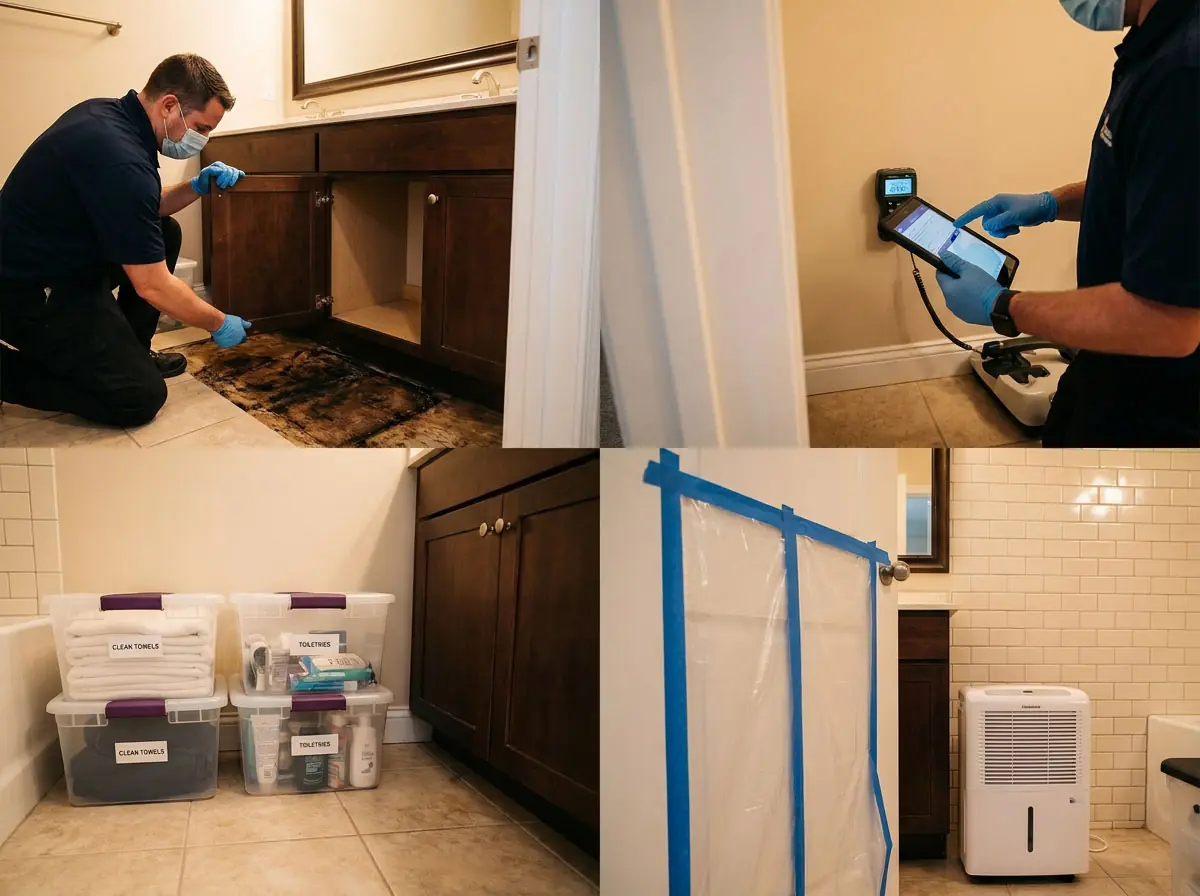
Immediate First Steps to Minimize Moisture Absorption
The very first thing you must do is stop the flow of water. If a pipe burst or an appliance leaked, locate the main shut-off valve immediately and kill the supply.
Time is your greatest enemy. Every minute the water sits on your hardwood, the wood fibers act like a wick, drawing moisture deep into the grain and toward the subfloor.
Once the water is off, grab every towel you own. Do not just wait for it to dry on its own; you need to remove the standing liquid before it penetrates the finish.
Critical Actions to Take Right Now:
- Mop up standing water immediately using heavy towels or a wet-dry vacuum. Do not use a standard household vacuum, as it can cause electrical shorts or fire hazards.
- Clear the area of furniture, rugs, and anything else resting on the wet wood. Lifting these items allows the floor to breathe and prevents mold from trapped moisture.
- Open windows and doors if the Richmond weather permits. If it is high humidity outside, keep the windows closed and turn your HVAC system on to pull humidity out of the air.
- Avoid the temptation to crank the heat to 90 degrees. Rapid drying causes the wood to contract too quickly, which leads to cracking and permanent splitting.
Your goal is to stabilize the room, not force-dry the boards. Gradual drying is the secret to saving your floor from irreparable damage.
Recognizing the Signs: Cupping, Crowning, and Buckling
When moisture invades your hardwood, the wood fibers begin to swell. Because the boards are installed tightly against each other, they have nowhere to go but up or out.
Identifying these deformation patterns early is the difference between a minor sanding job and a massive capital expense. Watch for these distinct physical transformations that signal your floor is crying for help:
- Cupping: The edges of the board rise higher than the center, creating a concave or saucer shape. This happens when the bottom of the board absorbs more moisture than the top.
- Crowning: The center of the board rises higher than the edges. This is often a result of sanding the floor while it is still cupped before the moisture levels have fully stabilized.
- Buckling: This is the most severe stage. The floorboards pull away from the subfloor entirely, creating large arches or ripples that make the room impossible to walk on.
If you notice any of these shapes, stop guessing and call a professional immediately. Wood is a living, breathing material that reacts to the humidity levels inside your Richmond home. Even a small spill or a slow pipe leak can cause these issues to accelerate quickly as the wood loses its structural integrity.

Professional Drying Techniques vs. DIY Fan Efforts
You might be tempted to set up every box fan in the garage and crank the AC to high, but that is a dangerous gamble. While air movement feels like a logical fix, surface evaporation often tricks you into thinking the floor is dry while moisture remains trapped in the subfloor or deep within the grain.
Professional restoration teams take a much more aggressive approach using specialized equipment that home hardware stores simply do not carry. Our gear is designed to force moisture out of the wood structure, not just the surface air.
Here is why industrial methods outperform household fans:
- Dehumidification: We use LGR dehumidifiers to pull moisture from the air and the material itself, controlling the indoor humidity levels that cause floors to swell in the first place.
- Injecti-Dry Systems: This technology pushes warm, dry air directly through the floorboards or through small holes to evaporate water from the subfloor, preventing rot and long-term mold growth.
- Moisture Mapping: We use precise thermal imaging and non-invasive moisture meters to track water movement, ensuring we do not stop the drying process until the material reaches its equilibrium moisture content.
If you rely solely on household fans, you risk sealing the surface while the wood cells beneath stay saturated. This leads to secondary damage like fungal growth or structural decay that may not show up until months later. Professional drying is an investment in the structural integrity of your home, not just a quick aesthetic fix.
A Cost Breakdown Table for Repairing vs. Replacing Richmond Flooring
Deciding between a patch job and a full tear-out is a high-stakes move for your bank account. In Richmond, labor rates and material availability for specialty hardwoods like white oak or heart pine change the math significantly.
| Action | Average Cost (Per Sq. Ft.) | Expected Outcome |
|---|---|---|
| Professional Drying | $3 - $7 | Saves existing planks |
| Sand and Refinish | $4 - $9 | Fixes surface cupping |
| Partial Board Replacement | $15 - $25 | Fixes isolated rot |
| Full Floor Replacement | $20 - $40+ | Brand new installation |
If you catch the water early, professional dehumidification is almost always the smarter financial play. You avoid the massive expense of hauling away old wood and paying for brand new lumber at current inflated prices.
However, once the wood structure is compromised by mold or deep rot, patching becomes a losing game. Trying to save a floor that has already lost its structural integrity only leads to expensive call-backs down the road.
Key Factors That Influence Your Quote
- Wood Species: Exotic hardwoods or antique reclaimed pine cost significantly more to source than standard red oak.
- Subfloor Damage: If the moisture has traveled beneath the planks to the plywood subfloor, your repair costs will jump immediately.
- Accessibility: Tight corners or rooms packed with heavy furniture increase the labor hours required for professional restoration.

Restoring a Historic Fan District Home: A Water Damage Case Study
Restoring a classic 1920s home in the Fan District presents unique obstacles that modern construction just doesn't have. We recently managed a project on Grove Avenue where an upstairs radiator leak sent water pouring through original, century-old heart pine planks.
Because these historic floors are often tongue and groove without a modern subfloor barrier, they soak up moisture like a wick. In this case, the homeowner ignored the "wait and see" approach, which is exactly why we were able to save the original boards rather than ripping them out for modern replacements.
Key Success Factors for Historic Floors:
- Immediate extraction using industrial grade moisture sensors to track the water path behind baseboards.
- The use of dehumidifiers specifically calibrated for tight, historic floor cavities.
- Strategic ventilation to keep the wood from drying too quickly, which prevents the boards from splitting or checking.
The primary win here was avoiding the loss of the home's authentic character. Once heart pine or old growth oak is removed, it is nearly impossible to find a match that wears the same way. By acting within the first few hours, we treated the boards in situ, preserving the patina that took one hundred years to achieve.
Preventing Future Floor Damage in Virginia’s Humid Climate
Richmond weather is a double edged sword. We love our mild springs, but that thick, sticky Virginia humidity is a silent killer for your hardwood floors.
Wood is hygroscopic. This means it constantly breathes, absorbing moisture from the air when the humidity spikes and releasing it when the air dries out.
If you don't control the indoor climate, your floors will constantly expand and contract. Eventually, this cycle destroys the finish and compromises the structural integrity of the planks.
Essential Climate Control Tactics
You need to keep your home environment stable to protect your investment. Here are a few ways to keep that moisture in check:
- Invest in a high capacity dehumidifier for your basement or crawl space.
- Maintain your HVAC system by replacing filters every three months to ensure proper airflow.
- Keep your indoor relative humidity strictly between 35% and 50% year round.
- Inspect your exterior flashing and gutters at least twice a year to stop water from creeping into your wall cavities.
Don't just rely on your air conditioner to handle the dampness. During those midsummer days in Richmond, your AC might cool the room without actually pulling enough moisture out of the air.
Adding a whole house dehumidifier is often the single most effective way to prevent seasonal cupping. It creates a dry, stable shield that keeps your flooring flat and tight, regardless of what the weather is doing outside your front door.
Final Words
Fixing water-damaged floors is a race against time, but speed without a plan is just expensive panic. The truth is that most homeowners lose their hardwood because they try to force-dry the surface before addressing the moisture trapped in the subfloor.
If you have questions about your specific situation, check out our comprehensive guide on Hardwood Floor Water Damage to see if your floor can be salvaged. Taking the right action now is the difference between a minor sanding job and a ten thousand dollar renovation.
The Golden Rules for Richmond Floors
If you want to protect your home from the next plumbing leak or storm, follow these non-negotiable rules:
- Stop the source immediately. Shut off the main water valve if a pipe has burst.
- Document everything for insurance. Snap clear photos of the standing water and the damaged wood before you start moving furniture.
- Avoid the space heater trap. High heat causes wood to shrink too rapidly, which results in permanent cracks and splintering.
Richmond weather is tough on homes, and your floors are the first to show the signs of high humidity. By staying proactive and calling for professional help the moment you spot that telltale cupping, you keep your equity where it belongs: under your feet.
People Also Ask
How soon should I call a professional for hardwood water damage in Richmond?
You should contact a restoration expert immediately after discovering water on your floors. Rapid response is critical because wood fibers begin to absorb moisture quickly, which can lead to permanent warping or mold growth within 24 to 48 hours.Will my homeowners insurance cover water damaged hardwood floors?
Coverage depends entirely on the source of the water and your specific policy language. Generally, insurance covers sudden or accidental discharge, such as a burst pipe, but it often excludes damage caused by long term seepage or poor maintenance.What is the difference between cupping and crowning?
Cupping occurs when the edges of the floorboards rise higher than the center, typically caused by moisture under the board. Crowning is the opposite, where the center of the board rises above the edges, often resulting from sanding down cupped floors before they are fully dry.How do I handle water damage in a historic Richmond home?
Historic homes often feature unique, tongue and groove hardwood that requires specialized handling to preserve the original materials. You can find guidance on preservation standards to ensure your flooring is restored with methods that maintain the structural integrity and aesthetic value of your property.Can I just use a dehumidifier to fix buckled floors?
While a dehumidifier helps remove excess moisture from the air, it is rarely enough to resolve significant buckled hardwood. Professional drying equipment, such as floor mat systems, is necessary to pull moisture directly out of the wood and the subfloor to prevent rot.Need Water Damage Restoration Services?
We provide rapid water damage restoration across Richmond and the surrounding areas to stabilize your property and prevent further structural issues. Our team arrives quickly to extract water and initiate professional drying in neighborhoods like 23220, 23221, 23223, 23224, and 23225.
Request Price Estimate