
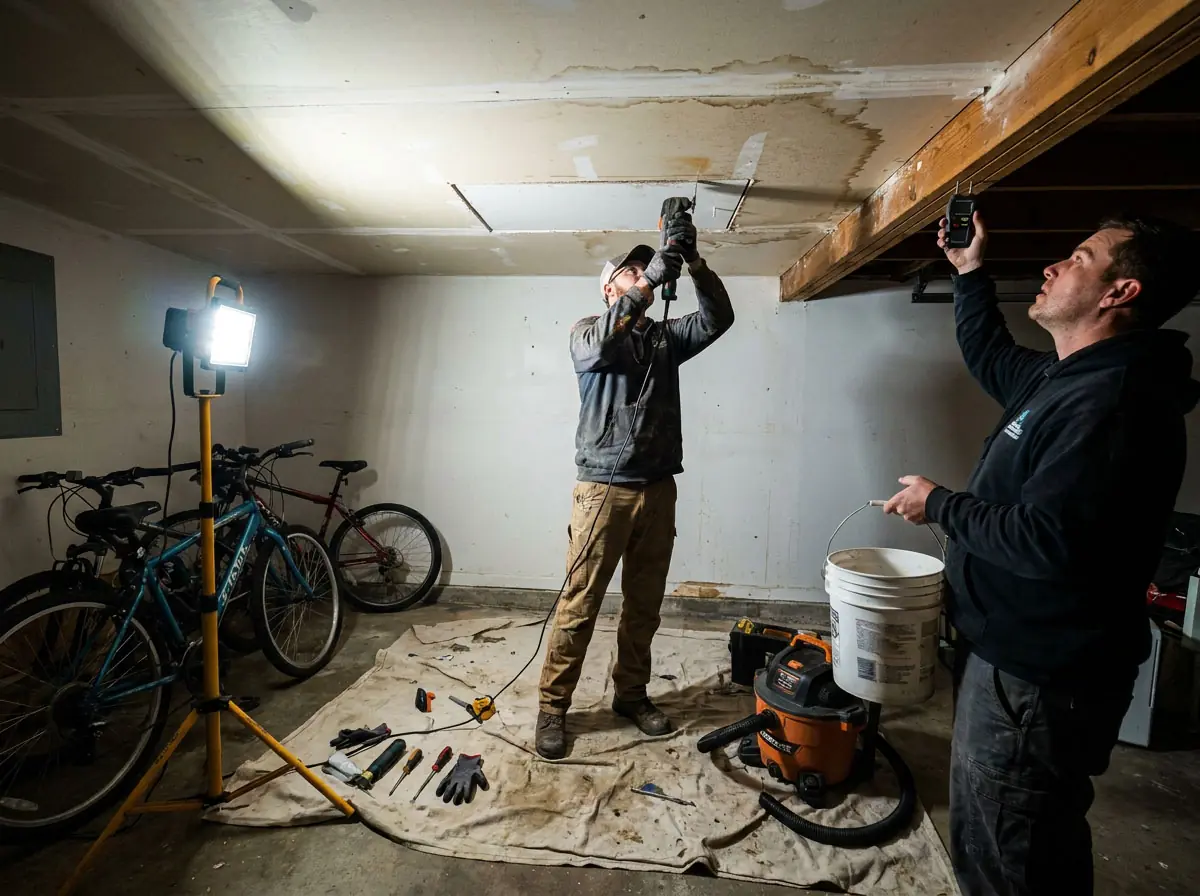


⚡ TL;DR: This guide helps Redding homeowners identify warning signs of ceiling water damage that require professional repair, ensuring your property remains safe from structural decay and persistent mold issues.
📋 What You’ll Learn
Dealing with ceiling leaks in Redding can be deceptive, as surface issues often hide deeper structural threats. This article helps you determine when to call experts for your home's safety.
- Identify hidden structural damage by learning to spot signs of rot and mold that suggest your ceiling’s integrity is compromised beyond what a simple coat of paint can fix.
- Evaluate DIY versus professional repairs through a detailed comparison that highlights why amateur patching often masks systemic moisture problems that lead to expensive, long-term failures in Shasta County.
- Understand Redding’s specific climate impacts as we explore how our local temperature shifts and humidity patterns place unique stress on your home's ceilings and require specialized remediation techniques.
- Recognize emergency warning signs immediately to know exactly when a leak has escalated into a critical hazard, ensuring you can protect your family and property from potential ceiling collapse.
📖 Reading time: 7 min
✍️ Author expertise: Redding based water damage restoration specialist with decades of local emergency field experience.
You wake up in the middle of the night to a soft, rhythmic dripping sound, only to find a spreading yellow ring on your living room ceiling. Most homeowners try to ignore that persistent damp spot or slap a coat of paint over it, but that is a dangerous gamble that could cost you thousands in structural repairs.
Water does not just vanish when you stop looking at it. It hides behind your drywall, rotting your ceiling joists and creating a breeding ground for toxic black mold right above your head.
Ignoring these early warning signs is the fastest way to turn a minor leak into a collapsed ceiling. Before you grab a ladder and a bucket, here are the five critical red flags that tell you it is time to call in a professional restoration team in Redding.
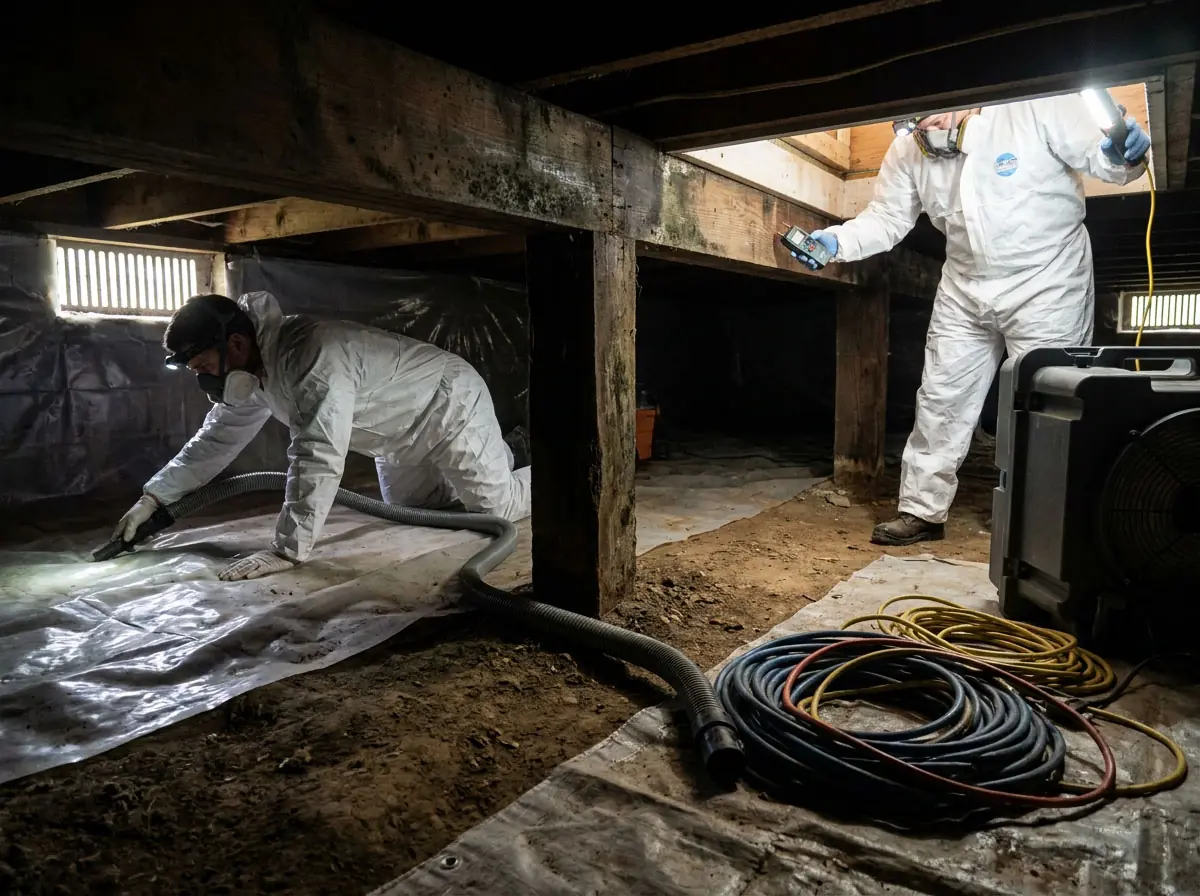
Decoding the Visible Patterns: Identifying Structural Weakness and Mold Growth
That yellowish ring on your ceiling is not just an eyesore. It is a distress signal from your home.
When you see sagging drywall or a bubbling surface, the material has already lost its integrity. The water has turned the gypsum into a heavy, saturated sponge that is straining your ceiling joists to the breaking point.
You need to look for these specific indicators of advanced failure:
- Visible bowing or sagging in the center of a ceiling panel.
- The appearance of dark, fuzzy spots that suggest mycelial growth.
- Water staining that grows noticeably larger after a rainstorm or heavy usage of your HVAC system.
- Cracks that seem to spiderweb outward from the center of the damp patch.
Do not be fooled by the aesthetic changes. Mold is an opportunistic invader that thrives in the dark, damp cavities between floors.
Once you smell a musty, earthy odor, the colony is already well-established. At this stage, scrubbing the surface with bleach is like trying to put out a forest fire with a squirt gun.
You are looking at potential structural wood rot that can compromise the safety of your entire room. If the ceiling feels soft to the touch or if you see paint peeling away in long, wet strips, the damage has moved beyond the surface and into the skeleton of your home.
Beyond the Surface: Why DIY Paint Fixes Mask Dangerous Underlying Rot
Most homeowners think that a fresh coat of Kilz or a quick patch of spackle solves the problem once they stop seeing that ugly yellow water stain. You are not fixing the leak; you are just hiding the crime scene while the wood continues to decay.
When you paint over water damage, you seal the moisture inside the wall cavity. This creates a perfect, humid incubator for hidden threats that will eventually break through your fresh paint with a vengeance.
Think about these hidden dangers that lurk while you sit comfortably in your living room:
- Structural rot: Your ceiling joists lose their integrity as they soak up persistent moisture, risking a sudden collapse.
- Invisible mold: Toxic spores spread rapidly in dark, damp spaces, potentially impacting your family health long before you notice a smell.
- Electrical risks: Hidden wires behind the drywall can corrode or short out, turning a simple leak into a fire hazard.
Professional restoration is about identifying the source and stripping away the compromised material. If you simply paint over the spot, you are ignoring the rot that is actively eating away at your home. A patch job is a temporary cosmetic fix for a structural disaster that will cost you three times as much when the ceiling finally gives way.

A Comprehensive Table Comparison: Professional Restoration vs. DIY Patching Methods
Most homeowners believe that a quick patch job saves money, but that is a costly delusion. When you paint over water damage, you are simply putting a bandage on a compound fracture.
The following chart breaks down exactly what happens when you choose the easy way out versus hiring pros in Redding.
| Feature | DIY Patching | Professional Restoration |
|---|---|---|
| Moisture Detection | Visual check only | Thermal imaging scans |
| Mold Prevention | Hidden growth remains | Antimicrobial treatment |
| Structural Integrity | Ignores joist damage | Reinforced repairs |
| Insurance Claims | Usually denied | Documented and validated |
| Long term Cost | High repair bills later | Single permanent fix |
A professional restoration team does not just care about how your ceiling looks. They use industrial moisture meters and infrared cameras to find water hiding inside your wall cavities.
If you choose to do this yourself, you are ignoring these vital steps:
- Identifying the source of the leak rather than just the symptom.
- Drying out wet insulation and wood framing to prevent toxic mold colonies.
- Restoring the structural capacity of the joists that hold up your drywall.
DIY fixes often lead to a recurring problem that rots your home from the inside out. Once the drywall loses its structural rigidity, it becomes a safety hazard for everyone living under that roof.
Redding’s Unique Climate and Its Impact on Ceiling Integrity
Living in Shasta County means dealing with extreme temperature swings that wreak havoc on your home. From the scorching summer heat that causes materials to expand, to the chilly, damp winters that invite condensation, your ceiling is under constant stress.
When moisture enters this cycle, it does not just sit there. It works with the local humidity to warp wood framing and compromise the structural bond of your ceiling finish.
Why Our Weather Makes Leaks Worse
If you have a minor leak, the Redding climate acts as an accelerant. The moisture trapped behind your drywall interacts with trapped heat in your attic space, creating the perfect conditions for rot to set in much faster than it would in a temperate coastal area.
You need to watch for these specific environmental triggers:
- Rapid expansion and contraction cycles that pull drywall screws loose.
- High humidity levels in older attic insulation that prevent moisture from drying.
- Heat spikes that cook trapped moisture into the joists, accelerating wood decay.
If you notice your ceiling sagging during a heatwave or spotting appearing after a cool morning, do not assume it is just "settling." The combination of heat and trapped water is the fastest way to lose the integrity of your ceiling rafters.
Pro restoration teams in Redding understand how these local atmospheric conditions interact with your specific roofing system. We do not just dry the surface; we analyze how the local environment is forcing that water into the deepest parts of your home structure.
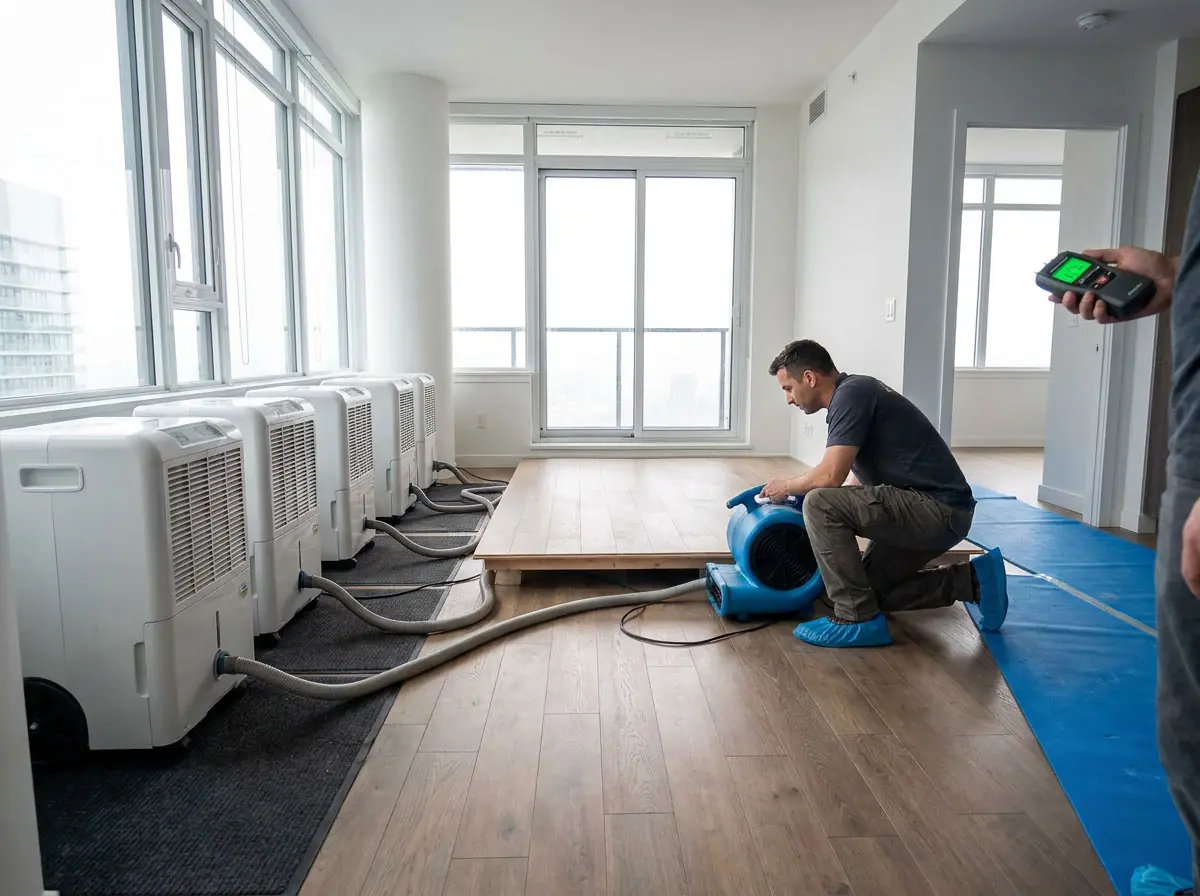
From Sagging to Salvage: A Case Study of Emergency Leak Mitigation in Shasta County
Last winter, a homeowner in a classic Redding ranch-style house noticed a slight droop in their kitchen drywall. What started as a small, damp indentation quickly grew into a heavy, saturated bulge that threatened to drop the entire ceiling onto their cabinets.
We arrived on site to find that a slow, hidden roof flashing leak had been feeding water into the insulation for weeks. The weight was immense, and the drywall had lost all structural integrity, turning into a dangerous, heavy sponge.
Our team had to move fast to save the kitchen. We implemented an immediate emergency mitigation plan to stabilize the area before the ceiling gave way completely:
- Controlled drainage to release trapped water safely without splashing mold spores.
- Structural shoring to support the joists while we cut away the compromised sections.
- Industrial-grade dehumidification to halt the progression of rot in the wooden framing.
- Total insulation replacement to ensure no fungal growth remained behind the new drywall.
If they had waited another day, the cost would have tripled, and the cleanup would have turned into a full-scale room demolition. Water does not wait for a convenient time to cause damage. When you see that ceiling begin to belly downward, do not poke it with a broom or ignore it. Call for help before you find yourself standing in the middle of a disaster zone.
When to Evacuate: Recognizing Critical Hazards That Demand Immediate Intervention
Sometimes, a ceiling leak stops being a maintenance issue and instantly transforms into a life-safety threat. If you notice your drywall bowing downward like a heavy water balloon, you are seconds away from a partial or full ceiling collapse. You must clear the room immediately; do not attempt to poke the bubble to drain it, as the sudden shift in weight can cause the entire section to come crashing down on you.
Electrical risks represent another invisible killer in Redding homes. Water frequently travels along wiring inside your ceiling cavity, which can lead to short circuits, sparks, or even deadly house fires. If your lights flicker, you smell a burning ozone scent, or your breakers trip repeatedly after a leak starts, cut the power at the main panel and get your family out of the house right away.
Warning Signs That Require Immediate Action
- The ceiling material feels soft, spongy, or shows significant downward curvature.
- Water is actively dripping from recessed lighting fixtures, smoke detectors, or electrical outlets.
- You hear loud cracking, popping, or shifting sounds coming from the rafters above.
- The water leaking from the ceiling is dark brown, black, or carries a strong sewage odor.
If these conditions exist, your home is no longer safe to occupy until a professional restoration team verifies the structural stability. Leave the belongings behind; nothing inside that room is worth the risk of being crushed by wet, heavy drywall or being electrocuted. Once you are in a safe location, call local emergency services or a 24/7 disaster response team to secure the structure and prevent further catastrophe.
Final Words
Water damage doesn't play fair, and it certainly doesn't wait for your schedule to clear up. When you see your ceiling buckling under the weight of trapped moisture, you aren't just looking at a cosmetic issue.
You are looking at a ticking time bomb. Every hour you spend debating a DIY solution allows mold spores to multiply and structural lumber to lose its load-bearing capacity.
If you are serious about protecting your home in Redding, you need to treat these signs with immediate urgency. Do not gamble with the roof over your family's head.
Take Action Before the Damage Spreads
Professional assessment is the only way to guarantee that your home remains safe and dry. Our team specializes in Ceiling Water Damage Repair, and we know exactly where hidden moisture hides.
We rely on high-grade moisture detection tools rather than guesswork. When you choose professional restoration, you get more than just a repair job.
- Complete moisture mapping of your attic and crawl spaces.
- Safe removal of contaminated drywall and insulation.
- Industrial-grade drying to prevent secondary mold growth.
- Documentation for your insurance carrier to ensure a smooth claim process.
Stop putting a bandage on a wound that requires surgery. Contact our experts today to secure your property and prevent the catastrophic cost of a total ceiling collapse.
People Also Ask
How can I tell if my ceiling water damage is dangerous?
Dangerous signs include active dripping, visible mold growth, or a sagging drywall surface that feels soft to the touch. These indicators suggest deep structural saturation that requires immediate intervention to prevent collapse or toxic exposure.Is it safe to just paint over water stains on my ceiling?
Painting over a stain is merely a cosmetic fix that traps moisture inside the building materials. You should address the source of the leak first to prevent mold growth and potential electrical hazards hidden behind your ceiling.Does Redding's climate increase the risk of ceiling water damage?
The fluctuations in weather across Shasta County can lead to roofing expansion and contraction, which often compromises seals. Increased moisture levels during rainy seasons can quickly turn minor roof leaks into extensive interior ceiling damage if left unaddressed.When should I hire a professional for water damage restoration?
You should contact a professional restoration team if you notice large water spots, persistent odors, or crumbling ceiling materials. Experts utilize moisture mapping tools to ensure all hidden water is removed, preventing the need for costly secondary repairs.How quickly does mold grow on a water damaged ceiling?
Mold can begin to colonize damp ceiling materials within 24 to 48 hours of initial exposure to moisture. Acting quickly is essential to contain the spread and maintain the indoor air quality of your home.Need Water Damage Restoration Services?
We provide rapid water damage restoration to stabilize your property and prevent further structural issues throughout Redding and surrounding areas (96001, 96002, 96003, 96099). Our team arrives quickly to extract water and initiate professional drying to restore your home or business to its original condition.
Request Price Estimate