


⚡ TL;DR: This helpful guide assists Racine residents in managing sewage backup cleanup by outlining critical safety steps, professional remediation procedures, and effective strategies for navigating local insurance claims successfully.
📋 What You’ll Learn
Facing a sewage backup in your Racine home is stressful, but understanding the cleanup process helps you protect your family and property. This guide provides essential steps for safe, effective remediation.
- Identify immediate health risks that lurk within contaminated water to ensure you and your family stay safe while you wait for professional help to arrive at your residence.
- Follow essential safety protocols that prevent cross contamination throughout your home, helping you contain the spill effectively before our expert restoration team begins the full cleanup process.
- Review standard remediation procedures that explain how professionals disinfect, dry, and restore your property using industrial equipment to meet Wisconsin health standards and industry safety requirements for sewage.
- Avoid critical cleanup mistakes such as using improper cleaning agents or failing to document damage, which can lead to long term mold issues or denied insurance claims for locals.
- Navigate insurance claims successfully by gathering the right evidence and documentation required by Wisconsin providers, ensuring you receive the coverage you deserve after experiencing a residential sewer backup.
📖 Reading time: 8 min
✍️ Author expertise: Racine water damage specialist with decades of field experience handling local sewage restoration.
Nothing ruins a Racine weekend faster than the foul, unmistakable stench of a sewer line backing up into your basement. One minute you are relaxing after a long week, and the next, you are staring at a toxic mess that threatens your family's health and your home's foundation.
Most homeowners assume they can grab a mop and a bottle of bleach to handle the situation themselves. That is a dangerous mistake that often leads to permanent structural damage and serious illness.
Before you touch anything or risk exposure to hazardous pathogens, keep reading to learn the exact steps you need to take to protect your property and keep your household safe.

Identifying Immediate Hazards and Health Risks in Your Home
When sewage water touches your floor, you are not just dealing with a bad smell. You are looking at Category 3 water, also known as black water, which is loaded with bacteria, viruses, and parasites that can turn a home into a biohazard zone in minutes.
Pathogens like E. coli, Salmonella, and Hepatitis A thrive in these conditions. Even minimal contact with your skin or accidental inhalation of airborne microbes can lead to severe gastrointestinal distress or respiratory infections.
You need to understand exactly what you are breathing in. The risks to your household are real and immediate:
- Direct contact: Skin exposure leads to rashes or infections if you have even a tiny scratch.
- Airborne contaminants: As the water dries, bacteria become aerosolized, spreading illness through your HVAC system.
- Compromised surfaces: Porous materials like drywall and carpet act as sponges, trapping pathogens that remain active for months if not treated by pros.
Do not be fooled into thinking that household bleach is a magic cure for a sewer spill. Without proper professional equipment and industrial-grade sanitizers, you are only scratching the surface while the underlying mold and bacteria continue to colonize your floor joists and insulation.
Essential Safety Protocols Before Professional Help Arrives
Your first priority is protecting the people inside your home. Raw sewage contains bacteria, parasites, and viruses that can cause severe infections upon contact or inhalation.
Before you even think about cleaning, follow these immediate safety directives to minimize your exposure:
- Turn off the electricity to the affected area at the main breaker box if it is safe to access. Never walk into standing water if you suspect an electrical short.
- Shut off the main water supply to your home to prevent further flow into the basement.
- Evacuate all children and pets to a safe location away from the property.
- Avoid physical contact with the contaminated water at all costs.
- Wear personal protective equipment if you must move through the area, such as rubber boots, heavy duty gloves, and an N95 respirator.
If the sewage backup is severe or reaches near electrical outlets, do not enter the basement under any circumstances. The risk of electrocution or exposure to pathogens is simply too high to handle on your own.
Wait for the experts to arrive with the proper gear and containment tools. By stepping back and limiting access, you actually help the restoration crew get to work faster once they arrive on the scene.
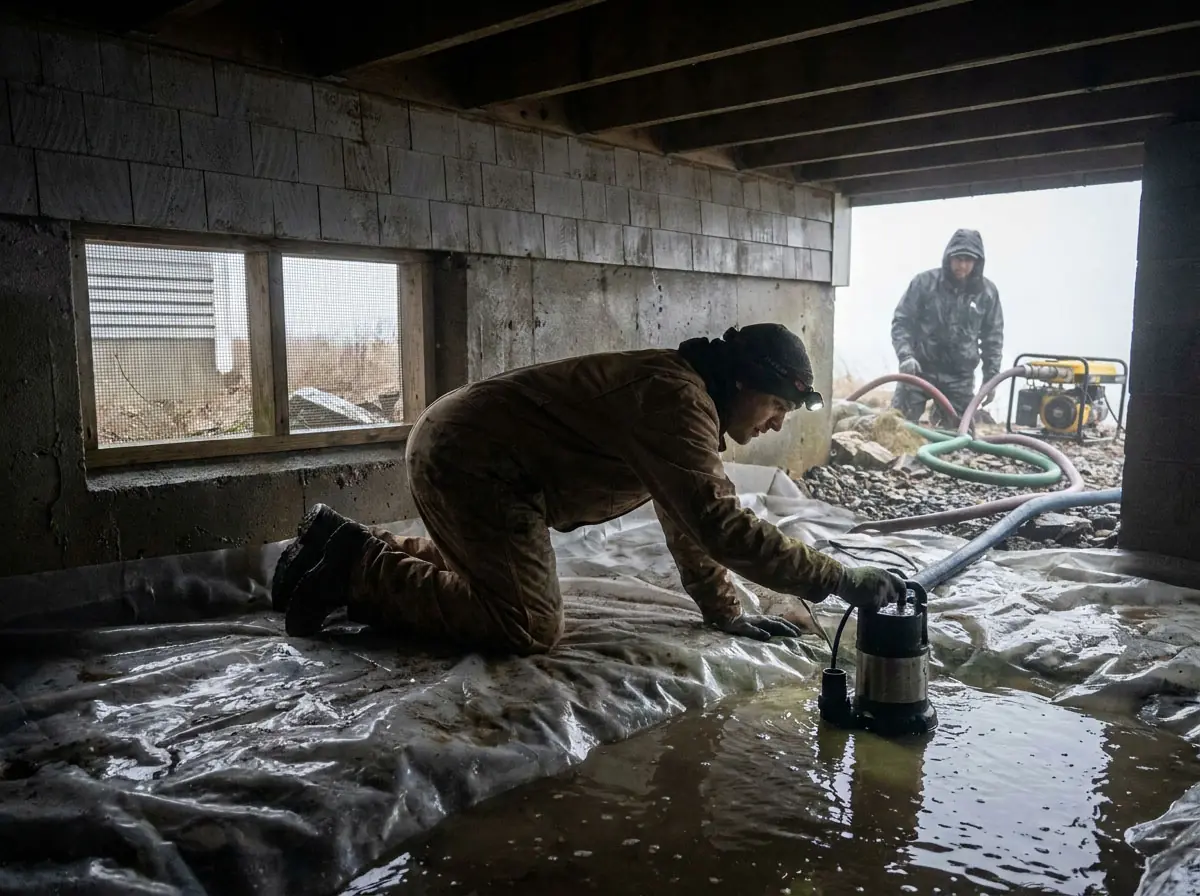
A Breakdown of Professional Remediation Steps: The Table of Restoration Procedures
When our team arrives at your Racine home, we move with a precise, clinical plan to stop the spread of contaminants. You cannot simply wipe away sewage, as bacteria and viruses soak deep into floorboards, drywall, and hidden pockets behind your baseboards.
| Phase | Description |
|---|---|
| Assessment | Mapping the contamination zone and identifying moisture sources. |
| Containment | Isolating the area to prevent airborne pathogens from spreading. |
| Extraction | Removing bulk sewage and liquid waste with specialized pumps. |
| Disinfection | Applying hospital-grade biocides to sanitize all structural surfaces. |
| Drying | Deploying industrial air movers and dehumidifiers to prevent mold. |
The core of this process is containment. We set up physical barriers to keep the toxic air from circulating into your living room or bedrooms.
Next, we move to the heavy lifting. We use commercial grade extractors to pull out every drop of standing water, followed by an aggressive sanitation cycle that ensures no biological residue remains behind.
After the sanitization, the drying phase begins. This is where most DIY attempts fail because people leave moisture inside the wall cavities or under the floor joists.
- We monitor moisture levels in your walls using calibrated sensors.
- Industrial dehumidifiers pull moisture from the air to stop secondary damage.
- HEPA filtration units scrub the air of dangerous microscopic particles.
We do not call the job finished until the environment is safe for you and your kids to walk on barefoot. We verify that the moisture levels match the surrounding dry areas of your home, ensuring that you will not wake up to a mold problem a month from now.
Analyzing a Recent Racine Basement Sewage Recovery Project
Last month, we responded to a distressed homeowner near Lake Michigan whose basement suffered a major main-line blockage. The water level reached four inches within an hour, soaking finished drywall and destroying a collection of stored family photos.
Speed was our biggest ally in preventing permanent structural rot. We arrived on-site, fully geared in hazmat suits, and immediately executed a containment plan to stop cross-contamination into the rest of the house.
Here is a breakdown of how we tackled that specific Racine recovery project:
- Phase 1: Extraction of standing waste water using industrial-grade pumps.
- Phase 2: Removal of all porous materials like soaked carpet and drywall, which act as sponges for bacteria.
- Phase 3: Application of hospital-grade antimicrobial agents to sanitize the concrete floor and studs.
- Phase 4: Placement of commercial dehumidifiers and air movers to reach moisture equilibrium.
By removing the non-salvageable materials within the first twenty-four hours, we prevented mold from ever gaining a foothold. Our team treated the space not just as a wet area, but as a biohazard zone that required scientific precision. The homeowners were back in their basement within days rather than waiting weeks for a slow, risky air-dry process.
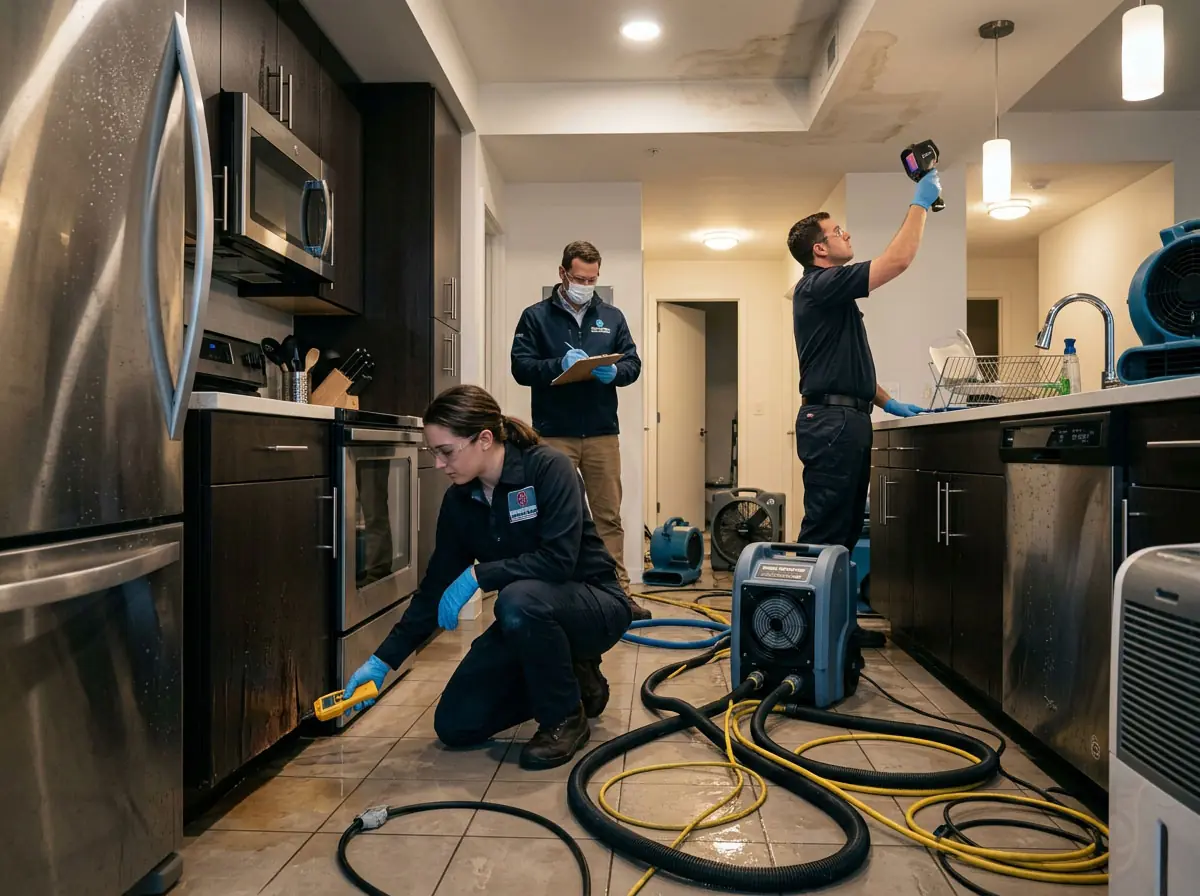
Critical Mistakes to Avoid During the Cleanup Process
Many Racine homeowners think that grabbing a mop or a shop vacuum is the right way to handle raw sewage. This is a massive safety violation that puts your health directly in the line of fire.
You are not just dealing with dirty water; you are dealing with Category 3 water, also known as black water. It is teeming with bacteria, viruses, and parasites that can cause severe infections upon contact.
Here are the traps you must avoid at all costs to protect your home and your family:
- Do not attempt to clean sewage with standard household cleaners. Bleach is ineffective against the heavy biohazards found in sewer waste and it provides a false sense of security.
- Never use your home HVAC system. If the air is blowing, you are potentially spreading toxic mold spores and airborne contaminants throughout your entire ventilation system.
- Stop touching items with bare hands. Even items that look dry may be contaminated with fecal matter.
- Do not wait to call in help. Every hour that passes allows the sewage to seep deeper into your flooring, floor joists, and drywall, which leads to permanent structural rot.
Attempting to dry out the area with regular fans is another common blunder that makes the problem much worse. Without industrial-grade dehumidifiers and antimicrobial treatments, you are essentially incubating mold growth behind your walls.
Treating this like a regular water spill is a gamble you will lose. By the time you realize the smell is not going away, the restoration costs will have tripled because the contamination has traveled deep into the building materials.
Navigating Insurance Claims for Sewer Damage in Wisconsin
Dealing with a sewer backup is a financial gut punch, but your homeowners insurance policy often contains specific provisions for water damage. In Wisconsin, coverage depends heavily on whether you have added a sewer backup endorsement to your policy.
Standard policies frequently exclude damage caused by sewage unless that specific rider is active. You need to verify your coverage immediately before starting any restoration work.
- Document every square inch of damage with high-resolution photos and videos.
- Keep a detailed log of all communication with your insurance adjuster.
- Do not throw away damaged property until the adjuster has inspected it.
- Obtain a detailed itemized estimate from your restoration team to submit as proof of loss.
Speed is the secret weapon when you are fighting for a payout. Insurance companies look for any reason to deny a claim, and delaying the reporting process can work against you.
Reach out to your agent the moment the backup is confirmed. Having a professional restoration firm verify the cause of the loss often carries more weight with adjusters than a homeowner attempting to explain technical plumbing failures alone.
Final Words
Dealing with a sewage intrusion is a nightmare scenario for any Racine homeowner, but you are not forced to fight this battle solo. Swift action remains your best defense against long-term property decay and health hazards.
When the pipes fail, do not wait for the situation to worsen. Contact professionals who understand the local plumbing codes and environmental challenges specific to our area.
If you find yourself in the middle of a disaster, rely on our proven Sewage Backup Cleanup procedures to restore your peace of mind. We specialize in turning a contaminated basement back into a safe, dry space for your family.
Protecting Your Future
Beyond the immediate cleanup, take proactive steps to prevent future incidents. Regular maintenance of your sewer lateral and backflow prevention devices can save you thousands in restoration costs.
Consider these preventative measures to keep your home protected:
- Schedule annual inspections for your main sewer line.
- Install a backwater valve to prevent reverse flow during heavy storms.
- Avoid flushing wipes, grease, or feminine products, even if the label claims they are flushable.
Your home is likely your biggest investment, so treat it with the care it deserves. By staying vigilant and knowing exactly who to call, you ensure that a minor leak never turns into a total loss.
People Also Ask
Is sewage backup considered a health emergency?
Yes, sewage water contains bacteria, viruses, and parasites that pose severe health risks upon contact. You must treat the area as a biohazard and avoid all physical interaction until professionals arrive.Does homeowners insurance cover sewage backup in Racine?
Standard policies often exclude sewage backups unless you have added a specific endorsement for water and sewer line coverage. You should review your policy documents or contact your agent to verify your specific level of protection.How do I safely clean up a minor sewage spill?
You should never attempt to clean significant sewage backups yourself due to the risk of pathogen exposure. According to the CDC guidelines, professional remediation is required to ensure the area is properly sanitized and dried to prevent long term mold growth.What causes basement sewage backups during heavy rain?
Excessive rainfall can overwhelm local municipal sewer systems, causing them to push wastewater back into residential homes. If your home has an older plumbing system, you may also be susceptible to blockages from tree roots or debris in the main line.How long does professional sewage restoration take?
The timeline depends on the severity of the damage and the materials affected in your home. Most residential projects require several days of drying and antimicrobial treatment to restore the property to a safe condition.Need Water Damage Restoration Services?
We provide rapid water damage restoration to stabilize your property and prevent secondary structural damage in Racine and surrounding communities (53402, 53403, 53405, 53406). Our team delivers immediate drying and professional mitigation to restore your home or business to pre-loss condition.
Request Price Estimate