
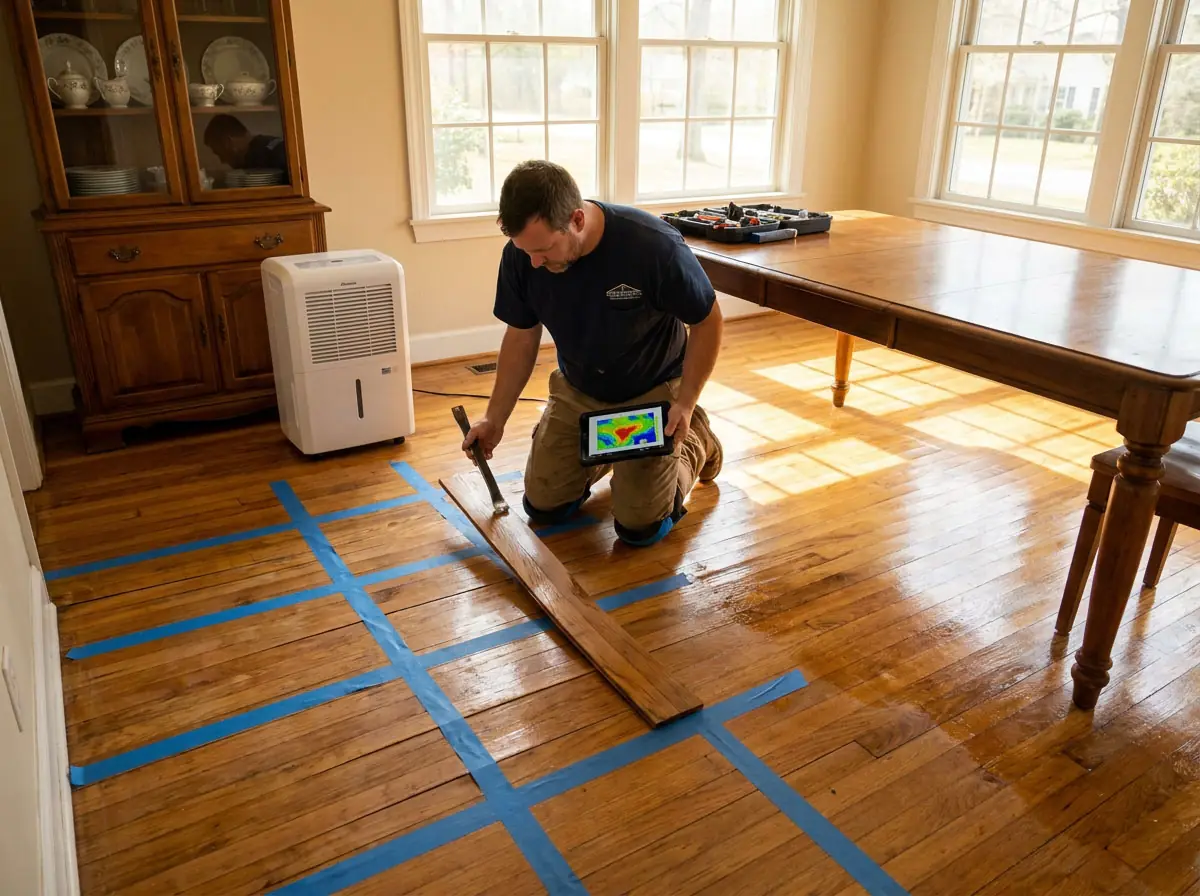


⚡ TL;DR: When managing burst pipe cleanup in Queen Creek, avoiding common DIY errors and identifying hidden moisture risks will help you prevent long term structural damage to your home.
📋 What You’ll Learn
When a pipe bursts in your Queen Creek home, every second counts. This guide details essential steps to mitigate water damage while helping you avoid costly mistakes that compromise your property.
- Stop the water flow immediately by locating your main shutoff valve, which prevents further flooding and limits the saturation of your floors, baseboards, and drywall throughout your local residence.
- Recognize why standard vacuums fail because simple tools cannot reach deep moisture trapped in floorboards or wall cavities, which often leads to dangerous mold growth and structural decay later.
- Avoid dangerous DIY cleanup errors that frequently turn minor pipe leaks into major restoration projects, saving you from expensive secondary repairs that arise when surfaces are not dried correctly.
- Understand professional restoration steps by following our detailed breakdown of industry standards, ensuring you know exactly how experts restore homes after significant burst pipe incidents in Arizona.
- Identify hidden mold risk signs that develop quickly in our desert climate, teaching you exactly when it is time to call licensed professionals for specialized remediation and structural drying.
📖 Reading time: 7 min
✍️ Author expertise: Certified water damage restoration expert providing emergency flood cleanup services across Queen Creek, Arizona.
You wake up at 3:00 AM to the rhythmic thumping of water hammering against your drywall, and suddenly, your Queen Creek home has become an indoor swimming pool. That split-second panic is exactly when most homeowners make the moves that end up costing them thousands in extra repairs.
Most people think they can just mop up the mess and call it a day, but that is how you invite black mold to move in rent-free. If you want to keep your property from rotting from the inside out, you need to stop doing the common things that actually make the damage worse.
Here is how you handle a burst pipe without ruining your home, starting with the critical mistakes you need to avoid right now.
Immediate Actions to Stop the Bleeding and Contain Water Spread
When you hear that dreaded sound of rushing water, your first priority is to kill the flow at the source. Rush to your main water shutoff valve, which is usually located near the garage or the perimeter of your Queen Creek property.
If you cannot find it or the valve is stuck, you must act fast. Grab a wrench and head to the street to turn off the water at the city meter box before the damage compounds.
Once the water is off, follow these critical steps to keep the situation from spiraling:
- Open all faucets throughout the house to drain the remaining water trapped in the plumbing lines.
- Turn off the main electrical breaker if water has reached any outlets, appliances, or light fixtures.
- Use towels, mops, or a squeegee to pool the water into a central area away from electrical systems and carpeted rooms.
- Move your prized possessions and electronics to a dry, elevated location immediately.
Do not wait for the water to stop on its own, because every second of soaking translates to deeper penetration into your subflooring and baseboards. Remember, the goal is to contain the spread so your restoration team can focus on the source rather than chasing water that has seeped into every corner of the house.
Why Your Shop-Vac Isn't Enough: The Dangers of Hidden Moisture
Listen, I get it. You grab the shop-vac, you suck up the standing water, and you feel like a hero. But here is the cold, hard truth: you are only catching the surface moisture while the real disaster is brewing exactly where you cannot see it.
Your shop-vac is a tool for spills, not for a structural flood. That machine does nothing to address the water that has already seeped into your drywall, soaked into the carpet padding, or pooled underneath your hardwood floors.
When you leave moisture trapped behind baseboards or inside wall cavities, you are essentially setting up a breeding ground for mold. Within 24 to 48 hours, those invisible pockets of water turn into a toxic mess that destroys the integrity of your home.
The Hidden Path of Water Damage
Water follows the path of least resistance. Even if the floor looks dry to the naked eye, the subfloor is likely acting like a sponge, holding onto gallons of water that will eventually lead to wood rot and warped structures.
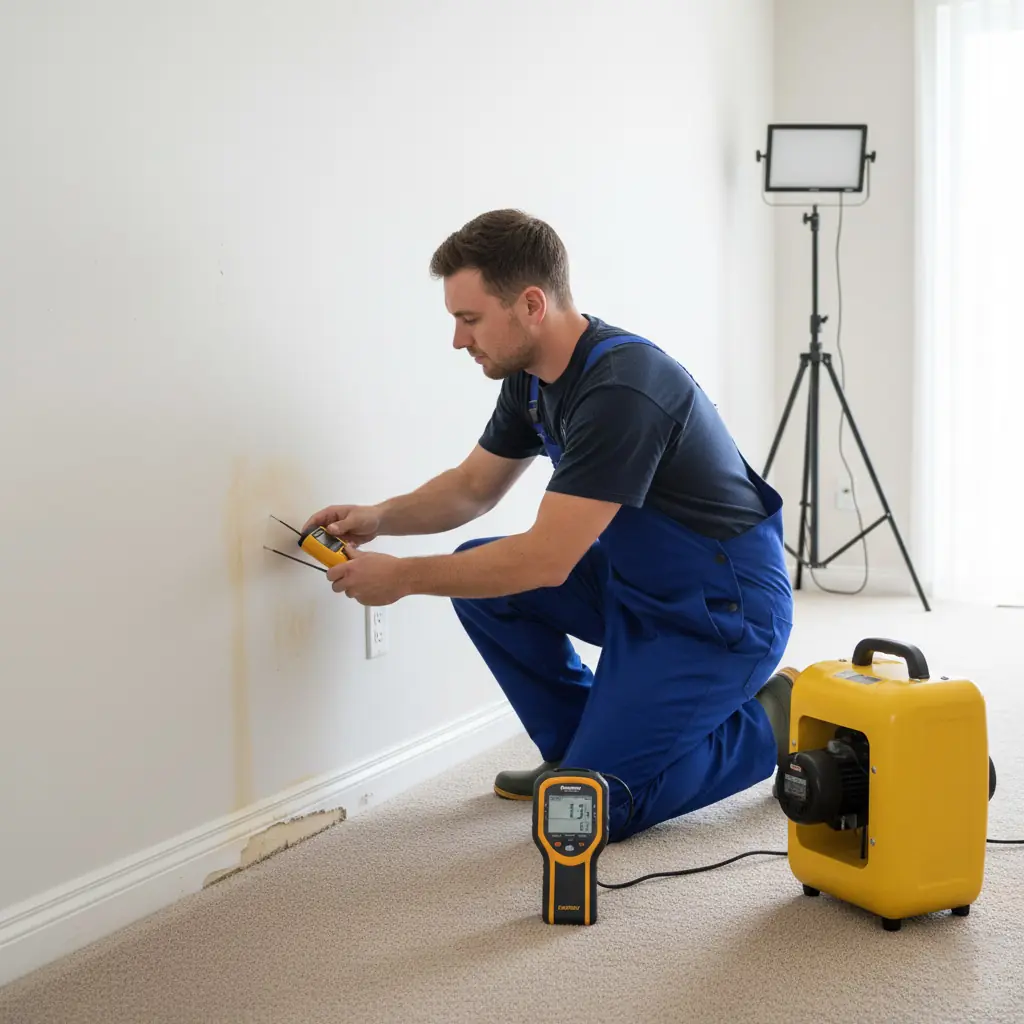
Professional restoration involves moisture meters and industrial-grade dehumidifiers that pull water vapor right out of the air and the materials themselves. Relying on a shop-vac and a couple of box fans is like trying to drain the Queen Creek reservoir with a drinking straw; it is simply not going to get the job done.
- Shop-vacs cannot pull water from deep within porous materials like insulation.
- Leaving moisture behind allows mold spores to germinate within 48 hours.
- Water trapped in wall cavities causes permanent structural damage to framing.
- Surface drying does nothing to stop the wick effect that spreads moisture to unaffected rooms.
Common DIY Blunders That Turn a Small Leak into a Structural Crisis
Most Queen Creek homeowners think they are saving money by grabbing a stack of bath towels and a box fan. In reality, this DIY approach often seals moisture inside your walls where it becomes a breeding ground for toxic mold. Treating the surface while ignoring the studs and insulation is like putting a band-aid on a broken leg.
When you leave water trapped behind your drywall, the structural integrity of your home begins to fail within hours. You might stop the visible drip, but you have accidentally turned your living room into a high-humidity incubator.
The "Fast Fix" Traps to Avoid
- Using standard household fans, which actually propel mold spores into the air and throughout your HVAC system.
- Leaving furniture on wet carpet, which causes wood stains to leech into the fabric and creates permanent, deep-set damage.
- Attempting to dry out the home with the heat on; warmth accelerates mold growth, making the disaster move significantly faster.
- Neglecting to pull up baseboards, where water often pools and sits against the drywall, causing it to crumble like a cookie.
Many folks assume that if the floor feels dry to the touch, the job is finished. They ignore the moisture hiding in the subfloor or the dampness creeping up the backside of the baseboards. By the time you notice the musty smell or the warping trim, the repair costs have already tripled compared to a professional extraction.
Burst Pipe Remediation: A Step-by-Step Table of Professional Cleanup Procedures
When professional restoration crews arrive at a Queen Creek property, we do not just soak up surface water. We follow a rigorous scientific protocol to prevent structural rot and long term decay.
| Step | Action | Purpose |
|---|---|---|
| 1 | Water Extraction | Removing bulk water immediately. |
| 2 | Moisture Mapping | Finding hidden pockets behind walls. |
| 3 | Dehumidification | Stabilizing the indoor environment. |
| 4 | Antimicrobial Spray | Stopping mold spores from growing. |
| 5 | Final Verification | Checking moisture levels in studs. |
Speed is the most important factor in this process. If you wait more than twenty-four hours to begin, aggressive mold colonization becomes a statistical certainty.
Our teams rely on industrial grade equipment that the average homeowner cannot access at a local hardware store. We use specialized techniques to ensure your property returns to its original condition:
- Targeted drying: We inject airflow directly into wall cavities so you do not have to rip out baseboards unnecessarily.
- Industrial desiccant dehumidifiers: These pull moisture from the air much faster than standard home units.
- Thermal imaging cameras: We scan your entire room to see exactly where water traveled behind the paint.
Professional remediation is not an expense, it is a way to protect your largest financial asset from permanent devaluation. Cutting corners during these steps is the fastest way to turn a manageable pipe burst into a total home reconstruction project.
Lessons from a Recent Queen Creek Kitchen Flooding Emergency
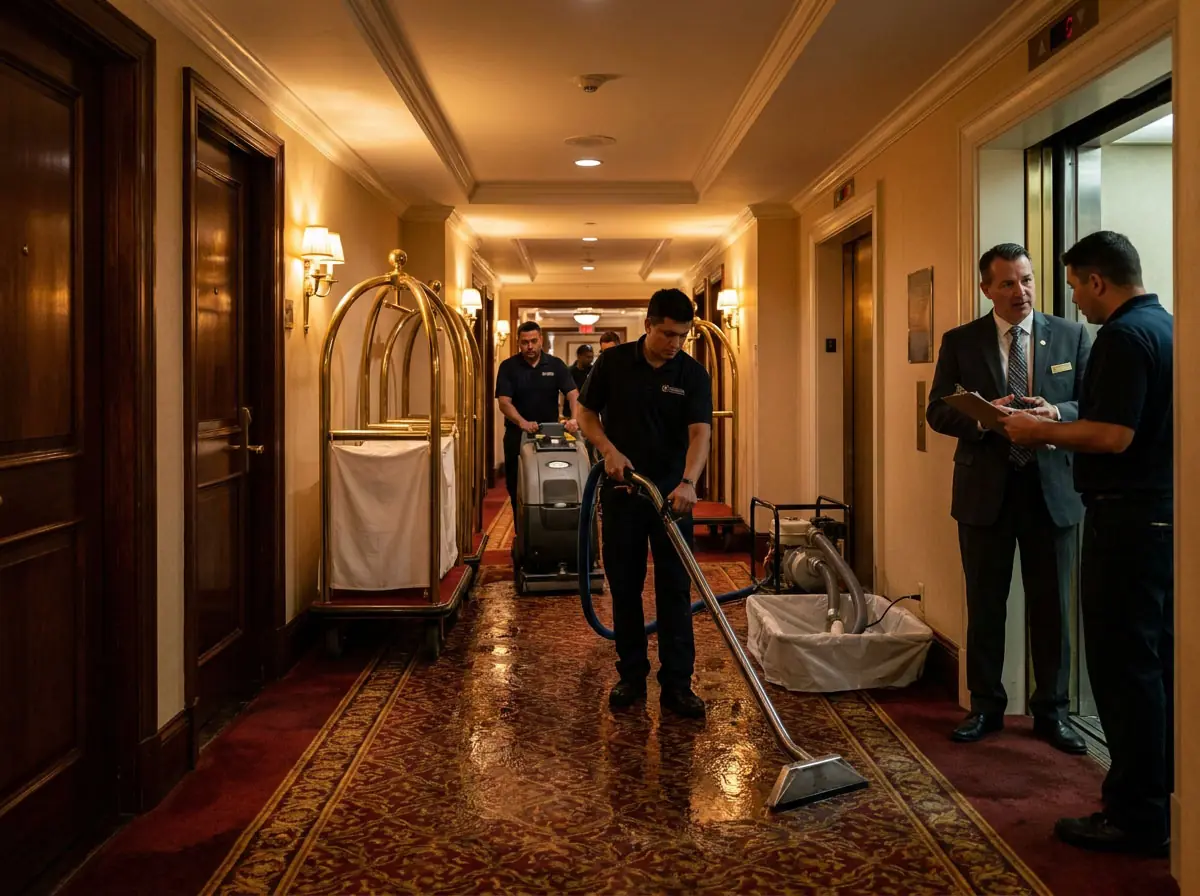
We recently handled a midnight pipe burst in a home near the Queen Creek Marketplace. The homeowner tried to save money by using a rental carpet cleaner to suck up the standing water in their kitchen.
It looked dry on the surface, but they ignored the water that seeped under their expensive cabinetry and into the subfloor. By the time they called us two days later, the baseboards were warped and a distinct musty scent had already filled the entire house.
This situation serves as a perfect warning for every resident in the area. When you ignore what lies beneath your floors, you aren't saving money; you are simply waiting for a much larger bill to arrive later.
The Real Costs of DIY Delays
The damage inside that kitchen escalated because of two specific mistakes that are easy to make but hard to fix. Here is what we found during our initial inspection:
- Wicking action: Water traveled up the drywall, which acted like a sponge for hidden moisture.
- Trapped humidity: The kitchen island cabinetry blocked airflow, creating a perfect incubator for mold colonies.
- Subfloor saturation: The water had pooled under the tile grout, causing the adhesive to fail completely.
The lesson here is simple: if you see water pooling in your kitchen, do not assume it is just a surface problem. Kitchens are complex environments with appliances and cabinetry that create hidden pockets where water can hide for weeks. Professional drying equipment pulls moisture from places a shop-vac will never touch, saving your home from the silent destruction of rot.
When to Call the Pros: Recognizing Secondary Water Damage and Mold Risks
Most homeowners assume that if the surface feels dry, the job is done. This is exactly where the trap snaps shut. Moisture hides behind baseboards, inside wall cavities, and under flooring, creating a private breeding ground for toxic mold colonies that can sprout in as little as 24 to 48 hours.
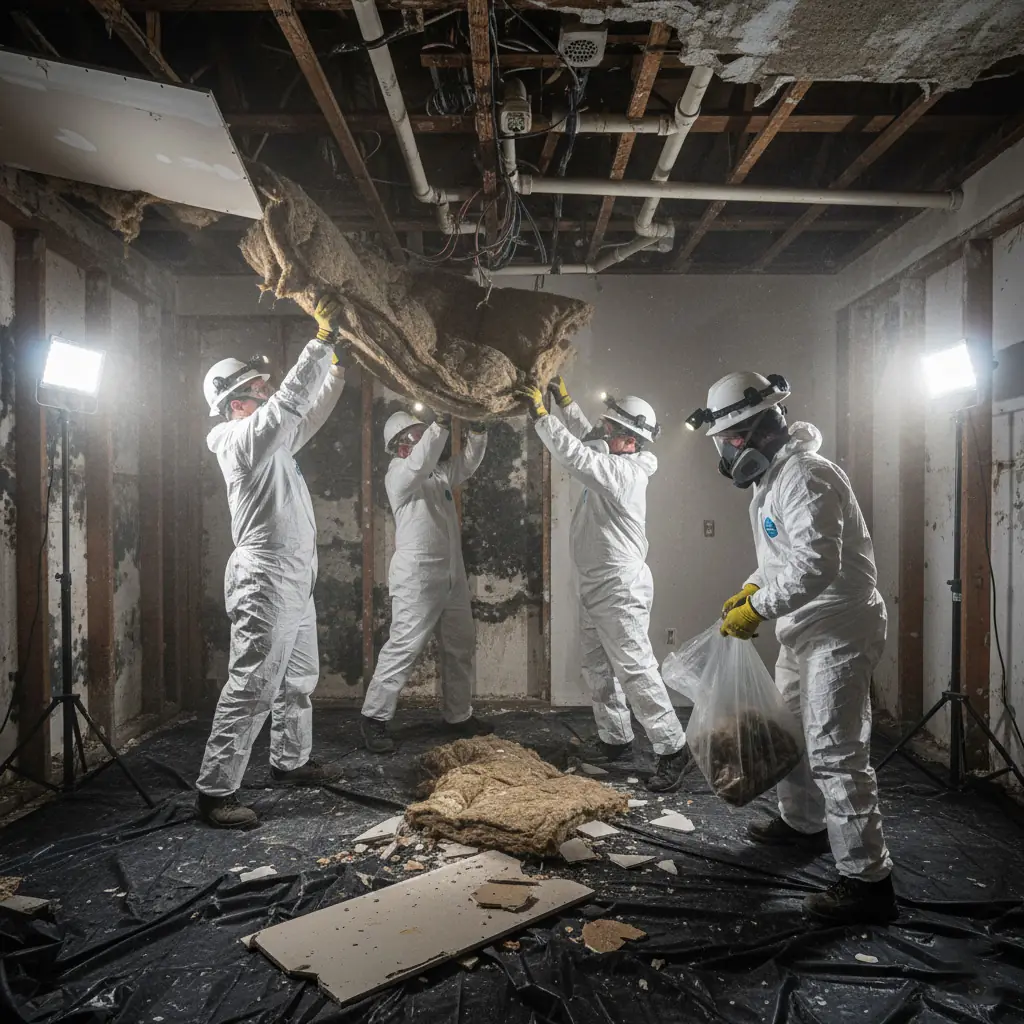
When you ignore these hidden pockets, you aren't just dealing with a damp carpet anymore. You are looking at structural rot and potential health hazards that require industrial-grade dehumidification to correct. If you notice these warning signs, stop the cleanup and call in backup immediately:
- Musty, earthy odors lingering in rooms that seem dry.
- Buckling hardwood floors or warping drywall near the floor line.
- Visible fuzzy patches or discoloration on hidden surfaces.
- Spikes in allergy symptoms or respiratory irritation among family members.
Professional restoration teams use moisture mapping technology to see through your walls. They don't guess where the water went. They track it down with thermal imaging and hygrometers to ensure every single drop is extracted before the drywall goes back up. Trying to dry these areas with a box fan is like trying to drain the ocean with a coffee spoon; it simply will not get the job done.
Final Words
Fixing a burst pipe isn't just about moving water from point A to point B. It is about stopping the clock on irreversible structural decay before your home's integrity is compromised.
Every minute you hesitate, water seeps deeper into your Queen Creek subflooring and baseboards. If you attempt to handle this yourself without the right gear, you are essentially gambling with your property's long term value.
Don't let a minor plumbing failure turn into a total restoration nightmare. When you need expert help, our team is ready to provide the professional Burst Pipe Cleanup you need to get your life back to normal.
What to remember:
- Shut off the main water valve immediately to stop the flow.
- Document the damage with clear photos for your insurance adjuster.
- Avoid using standard household fans which can spread mold spores through your HVAC ducts.
- Call professionals who use industrial grade dehumidifiers to reach moisture inside your walls.
Ignoring the hidden saturation leads to costly mold remediation later on. Play it smart, act fast, and keep your Queen Creek investment safe from the hidden dangers of water damage.
People Also Ask
How much does burst pipe cleanup cost in Queen Creek?
Costs vary depending on the extent of the flooding and the materials affected in your home. Professional remediation typically involves water extraction, drying, and sanitization services to ensure your property remains structurally sound.Does homeowners insurance cover burst pipes?
Most standard homeowners insurance policies cover sudden and accidental water damage caused by a burst pipe. You should contact your provider immediately after the incident to understand your specific policy coverage and document all damages thoroughly according to insurance standards.How long does it take for mold to grow after a pipe bursts?
Mold can begin to colonize damp surfaces in as little as 24 to 48 hours if moisture is not properly addressed. Rapid intervention and professional industrial dehumidification are essential to prevent fungal growth in Queen Creek homes.Can I clean up a burst pipe myself?
Small leaks might be manageable, but significant pipe bursts often saturate subflooring and wall cavities that are impossible to reach with household equipment. Attempting to dry these areas yourself often leads to hidden moisture trapped behind walls, which creates long term structural risks.What are the signs of hidden water damage after a pipe burst?
Look for warping baseboards, bubbling paint, a musty odor, or unexplained increases in your water bill. These indicators often suggest that water has seeped into your home framework, requiring professional moisture detection services to mitigate.Need Water Damage Restoration Services?
We provide rapid emergency water extraction and structural drying to restore your property in Queen Creek and surrounding areas (85140, 85142, 85242). Our team minimizes secondary damage through immediate response and professional mitigation techniques.
Request Price Estimate