


⚡ TL;DR: To protect your home from health risks, follow this guide on professional sewage backup cleanup in Providence, which covers safety protocols, insurance documentation, and effective restoration strategies.
📋 What You’ll Learn
Discover how to protect your family and property from the serious health risks caused by sewer failures. This guide provides essential steps for safe, effective sewage backup cleanup in Providence.
- Identify specific local vulnerabilities that cause Providence sewage systems to fail, helping you understand your property's unique risk factors and how to prevent costly overflows before they occur.
- Prioritize immediate household safety by learning the critical steps required to minimize pathogen exposure and keep your family secure during the first chaotic hours following a major spill.
- Master the remediation process through a structured approach that guides you from initial containment to professional cleanup, ensuring your home is restored to a sanitary and livable condition.
- Avoid dangerous DIY pitfalls by understanding why porous materials often require expert handling and how hidden hazards can lead to long term structural damage or lingering health issues.
📖 Reading time: 7 min
✍️ Author expertise: Providence water damage restoration specialist with decades of real-world sewage remediation field experience.
You wake up to a stench so foul it hits you like a physical wall before you even leave your bedroom. Downstairs, your basement floor has become a murky, toxic lake of raw sewage that threatens your home, your health, and your bank account.
This is not just a messy cleanup project or a weekend plumbing annoyance. A sewage backup is a major biohazard that can turn your living space into a breeding ground for dangerous pathogens in a matter of hours.
Most homeowners in Providence make the mistake of grabbing a mop and bucket, but that is the fastest way to get yourself sick. Here is exactly what you need to do the moment you see standing waste to ensure your family stays safe and your property isn't condemned.
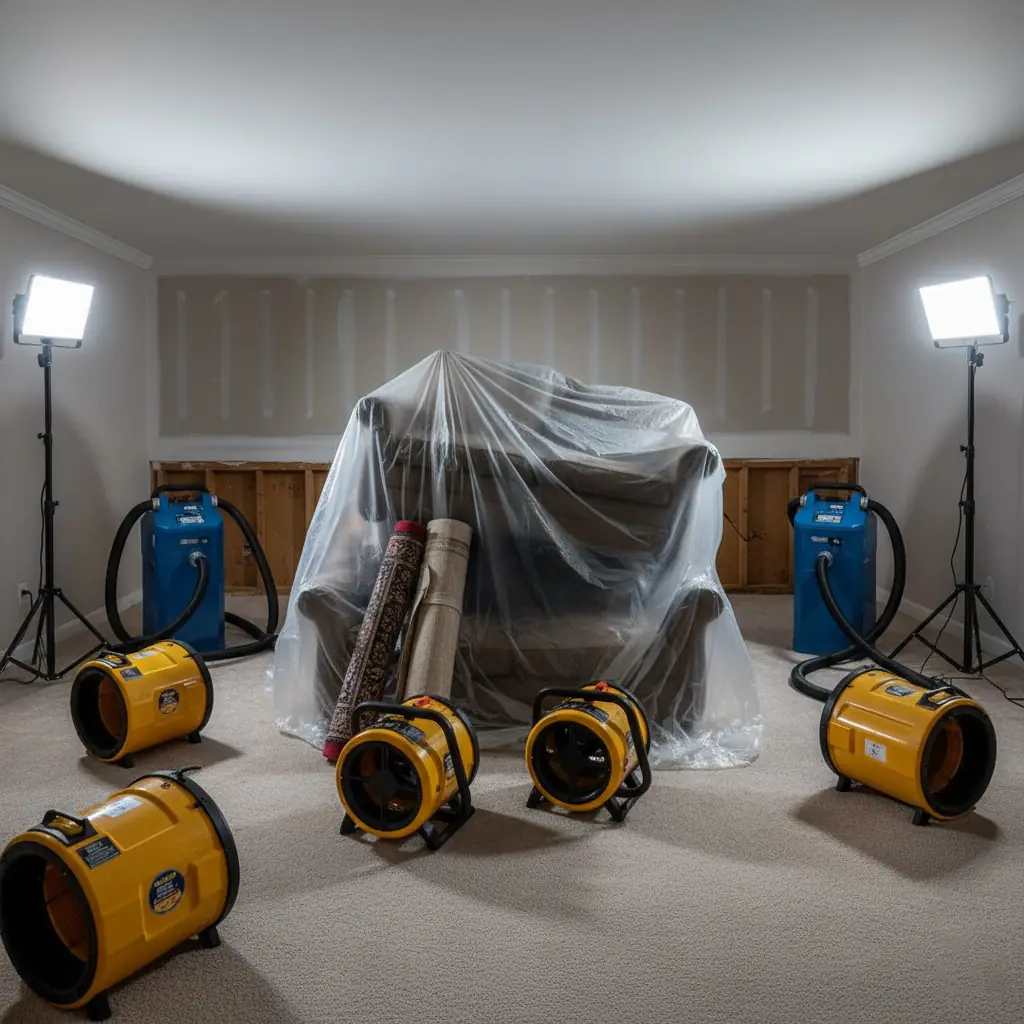
Why Providence Properties Are Prone to Sewer System Failures
Providence is a historic city, but that charm comes with a price tag buried deep underground. Many of our neighborhoods rely on aging sewer infrastructure that was never designed to handle the high volume of modern residential waste.
When heavy rain hits the Blackstone River or city drainage systems get backed up, the pressure has to go somewhere. Often, that somewhere is back up your pipes and into your basement.
Several local factors increase your risk of a sudden failure:
- Aging Infrastructure: Miles of clay piping under older neighborhoods are prone to cracking and root intrusion.
- Combined Sewer Systems: During intense storms, city lines can reach capacity, causing a backup into private lateral lines.
- Foundation Shifting: Seasonal ground movement in Rhode Island creates stress on underground pipes, leading to structural gaps.
- Blockages: Grease, debris, and improper waste disposal create bottlenecks that turn a slow drain into a total system failure.
You might think your plumbing is fine because your toilets flush normally. Unfortunately, a silent obstruction can exist for months before the system finally hits its breaking point.
When the backup occurs, it is rarely just water. It is a mixture of black water containing bacteria, viruses, and parasites that demand immediate, professional intervention to prevent permanent structural damage.
Immediate Safety Protocols: Protecting Your Household from Pathogen Exposure
When raw sewage infiltrates your property, time is your worst enemy. Raw waste contains bacteria, viruses, and parasites that can lead to severe gastrointestinal illness or skin infections. The absolute first rule is to keep every person and pet away from the affected area immediately.
Do not attempt to walk through the standing liquid to grab your personal belongings. Even if you think you are careful, microscopic pathogens will cling to your footwear and spread contamination throughout your entire home. If you must enter the space for an emergency, you need high-level protection:
- Wear non-porous rubber boots that reach above the water line.
- Use heavy-duty rubber gloves to avoid skin contact with toxins.
- Put on an N95 respirator mask to prevent inhaling airborne contaminants.
- Cover your skin completely with waterproof disposable coveralls.
Turn off the main electrical breaker if the sewage has reached any outlets or electrical appliances. Water and electricity create a lethal combination that can lead to electrocution in seconds. Once the power is cut, ventilate the area by opening windows if it is safe to do so, but avoid using central HVAC systems as they will spread contaminated air into your ventilation ducts and move the hazard into every room of your house.
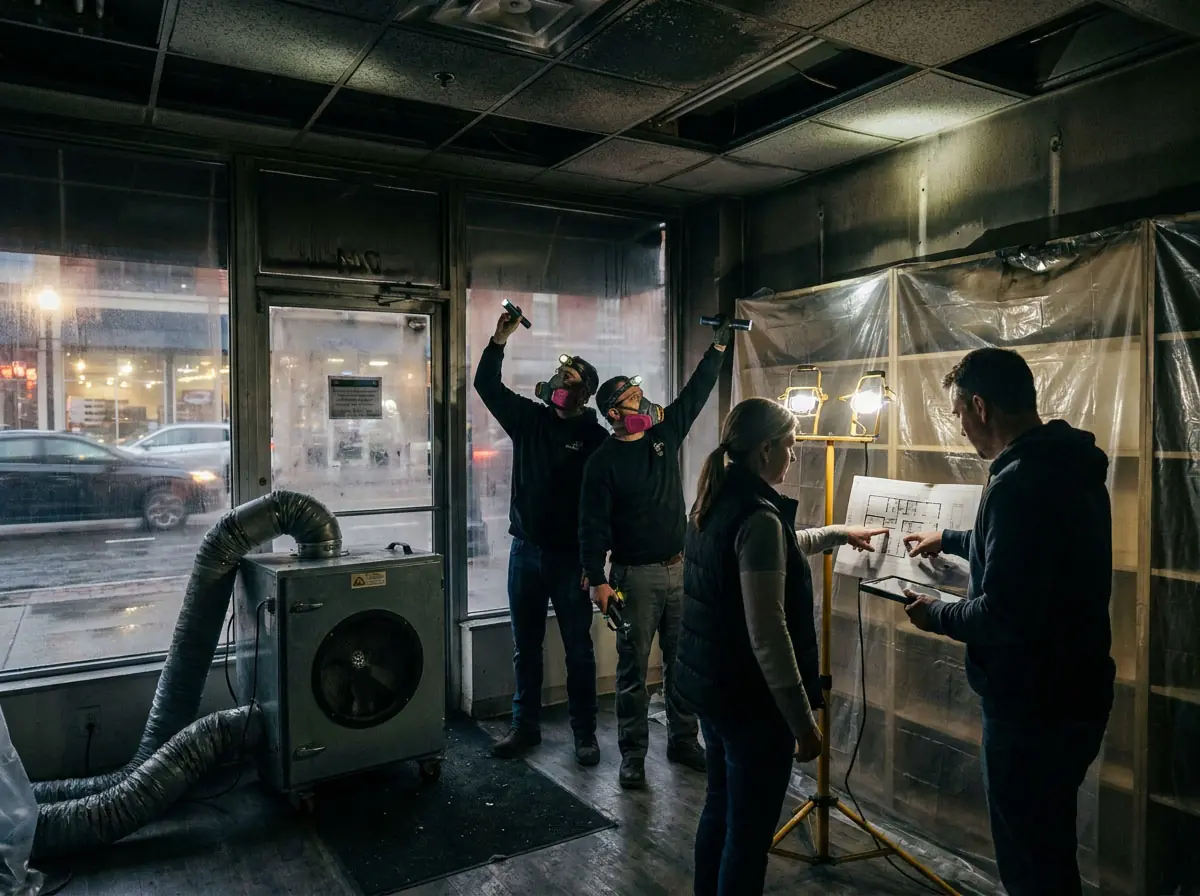
Navigating the Cleanup: A Step-by-Step Restoration Service Table
When raw sewage infiltrates your property, every second counts. You cannot afford to guess your way through the remediation process because even a minor oversight can lead to permanent structural damage or long-term respiratory issues for your family.
| Phase | Action Required | Safety Level |
|---|---|---|
| Containment | Isolate the area and shut off main water. | Critical |
| Extraction | Remove bulk standing waste with industrial pumps. | Extreme Hazard |
| Decontamination | Apply hospital-grade biocides to surfaces. | Professional Required |
| Drying | Deploy dehumidifiers to stop mold growth. | Technical |
| Reconstruction | Restore materials and conduct air quality tests. | Final Step |
Professional restoration crews follow a strict sequence to prevent cross-contamination. We start by establishing negative air pressure to ensure that toxic odors and airborne pathogens do not migrate to your bedrooms or living areas.
After the standing liquid is gone, the real work of sanitization begins. Here is what our standard process looks like on-site:
- Removal of porous materials: Carpets, padding, and drywall touched by waste are usually non-salvageable.
- Advanced disinfection: We treat the sub-flooring and studs with industrial-strength cleaners that neutralize harmful bacteria like E. coli.
- Strategic drying: Industrial air movers and high-capacity dehumidifiers run for several days to draw moisture out of the building skeleton.
- Verification: We utilize moisture mapping and ATP testing to prove your home is biologically safe before we leave.
Trying to skip these steps is why many Providence basements end up smelling like a sewer months after a cleanup. You need clinical precision, not a garden hose and a prayer, to ensure the environment is truly clean.
The Dangers of DIY: Hidden Hazards in Porous Materials and Structures
Most homeowners think a bucket of bleach and a pair of rubber gloves is enough to handle a sewage backup. They are dead wrong.
Raw sewage is not just dirty water; it is a toxic cocktail of bacteria, viruses, and parasites. When this liquid touches porous materials, it doesn't just sit on the surface, it settles deep into the fibers where it can linger for months.
If you attempt to clean these items yourself, you are likely missing the invisible contamination that causes long term mold growth and respiratory issues.
Consider the porous materials in your Providence home that essentially act as sponges for raw waste:
- Carpeting and padding: These materials are impossible to disinfect fully once saturated with sewage.
- Drywall and insulation: Once wicking begins, bacteria travel upward inside your walls, creating a permanent breeding ground for pathogens.
- Upholstered furniture: The internal foam structure traps moisture and contaminants that no household cleaner can reach.
- Hardwood flooring: If the boards have gaps, sewage seeps into the subfloor, leading to rot and structural instability.
Trying to salvage these items is a recipe for disaster. The pathogens thrive in the humid conditions found in your basement or crawlspace, and the smell alone is a sign that the biohazard is still active.
Professional restoration crews use industrial grade HEPA vacuums, antimicrobial agents, and moisture meters that you cannot buy at a local hardware store. When you choose to do this yourself, you are essentially burying a health hazard inside your walls and waiting for it to compromise your family’s safety later on.
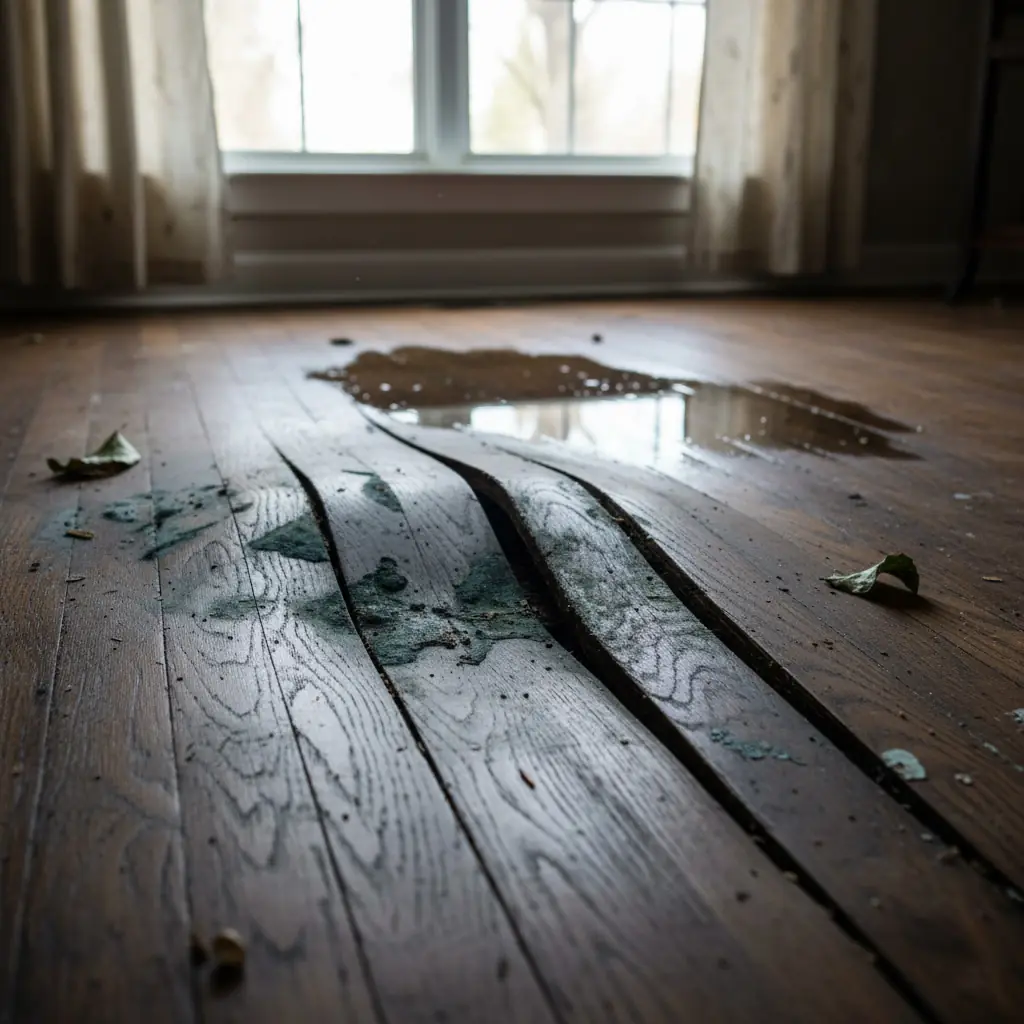
Anatomy of a Recovery: A Providence Sewage Remediation Case Study
Last winter, a historic home in the Federal Hill neighborhood suffered a catastrophic sewer line collapse. The property owners discovered nearly three inches of gray water pooling across their basement hardwood floors and custom cabinetry.
When our team arrived, the air quality was hazardous, and the structural integrity of the subfloor was already compromised by rapid absorption. We treated this as a high-stakes emergency, moving fast to prevent the contamination from spreading to the upper levels of the home.
Our rapid response protocol included these critical phases:
- Immediate containment using heavy-duty industrial barriers to isolate the affected zone.
- Extraction of standing waste using truck-mounted vacuum systems designed for raw sewage.
- Application of hospital-grade antimicrobial agents to kill bacteria, viruses, and parasites.
- Removal of non-salvageable materials like insulation, drywall, and saturated carpeting.
We did not just wipe the surfaces clean. We utilized industrial-grade air scrubbers and dehumidifiers to pull moisture from the studs and joists, ensuring the home was dry enough to prevent mold growth in the coming weeks.
The homeowners stayed in a hotel during the process to avoid exposure to E. coli and other airborne pathogens. By the end of the third day, the air was clear, the moisture levels were back to normal, and the basement was ready for professional reconstruction.
Coordinating Insurance Claims and Professional Restoration Documentation
Most homeowners believe their standard policy covers everything, but that is a dangerous assumption. Sewage backups are often treated as separate line items, and your insurer will demand ironclad proof before they cut a single check.
If you fail to document the damage properly, you are essentially paying for the restoration out of your own pocket. Professional remediation firms in Rhode Island provide the detailed logs that insurance adjusters require to approve your claim without delay.
Before any cleanup begins, your restoration team should perform the following actions to protect your financial interests:
- Take high resolution photographs of all affected structural elements and damaged personal property.
- Record moisture mapping readings to prove the extent of contamination to your walls and flooring.
- Draft a comprehensive itemized report that lists every affected item, including its approximate age and condition prior to the incident.
- Supply a detailed scope of work that aligns with industry standards for biohazard removal.
Never sign a waiver from your insurance company until the extent of the contamination is fully assessed. Hidden toxins can remain in your drywall or insulation for weeks, creating future mold issues that your initial policy might refuse to cover later.
By working with a licensed expert, you ensure that every square inch of your home is accounted for in the claim. This professional documentation acts as your financial shield, forcing the insurance company to take your request seriously and preventing them from lowballing your payout.
Ensuring Your Home Remains Sanitary and Secure
Restoring your property after a waste event is more than just removing what you can see. It is about eradicating the microscopic threats that hide behind your walls and underneath your floors.
Professional sewage backup cleanup experts use industrial-grade antimicrobial treatments to neutralize bacteria, viruses, and parasites that pose a real danger to your family. If these biological contaminants are not killed at the source, they will continue to thrive and compromise your air quality for months.
The Keys to Long Term Sanitation
To keep your home secure after the restoration crew packs up, focus on these critical maintenance steps:
- Inspect your main sewer line once a year to catch tree root intrusions before they cause a full system blockage.
- Install a backwater prevention valve to block waste from flowing back into your pipes during city sewer surges.
- Check your basement floor drains regularly to ensure they are clear of debris, grease, and hair.
Do not settle for a surface-level fix when the health of your household is at risk. Total sanitization is the only way to ensure your property remains a safe haven rather than a hazard.
By staying vigilant and working with a certified restoration team, you take control of your environment. You prevent recurring disasters and guarantee that your home stays clean, dry, and protected against future plumbing failures.
People Also Ask
Is sewage backup covered by homeowners insurance in Providence?
Most standard homeowners insurance policies exclude damage from sewer backups unless you have added specific supplemental coverage. Check your policy documents carefully or contact your agent to determine if you have a water backup endorsement.What should I do immediately after a sewage backup?
Turn off your electricity if the area is flooded and vacate the property to avoid direct contact with wastewater. You should keep all children and pets away from the contaminated zones until professional remediation is complete.How dangerous is exposure to raw sewage?
Raw sewage contains bacteria, viruses, and parasites that pose serious health risks to humans and animals. According to the Centers CDC, exposure to these pathogens can cause severe gastrointestinal illness and skin infections.Can I clean up a sewage backup myself?
Cleaning sewage requires industrial grade disinfectants and specialized equipment to ensure all pathogens are removed from porous surfaces. Attempting a DIY cleanup often leads to mold growth and trapped bacteria, which can cause long term health issues for your family.Why do sewer systems fail in older Providence homes?
Many historic properties in the area have aging clay pipes that are susceptible to root intrusion and structural collapse over time. These older systems struggle to handle heavy rainfall, which frequently overwhelms the local municipal sewer infrastructure.Need Water Damage Restoration Services?
We provide rapid water damage restoration across Providence and the surrounding areas to stabilize your property and prevent further loss. Our team arrives quickly to extract water and restore your home to its pre-loss condition (02901, 02903, 02904, 02906, 02908).
Request Your Estimate