
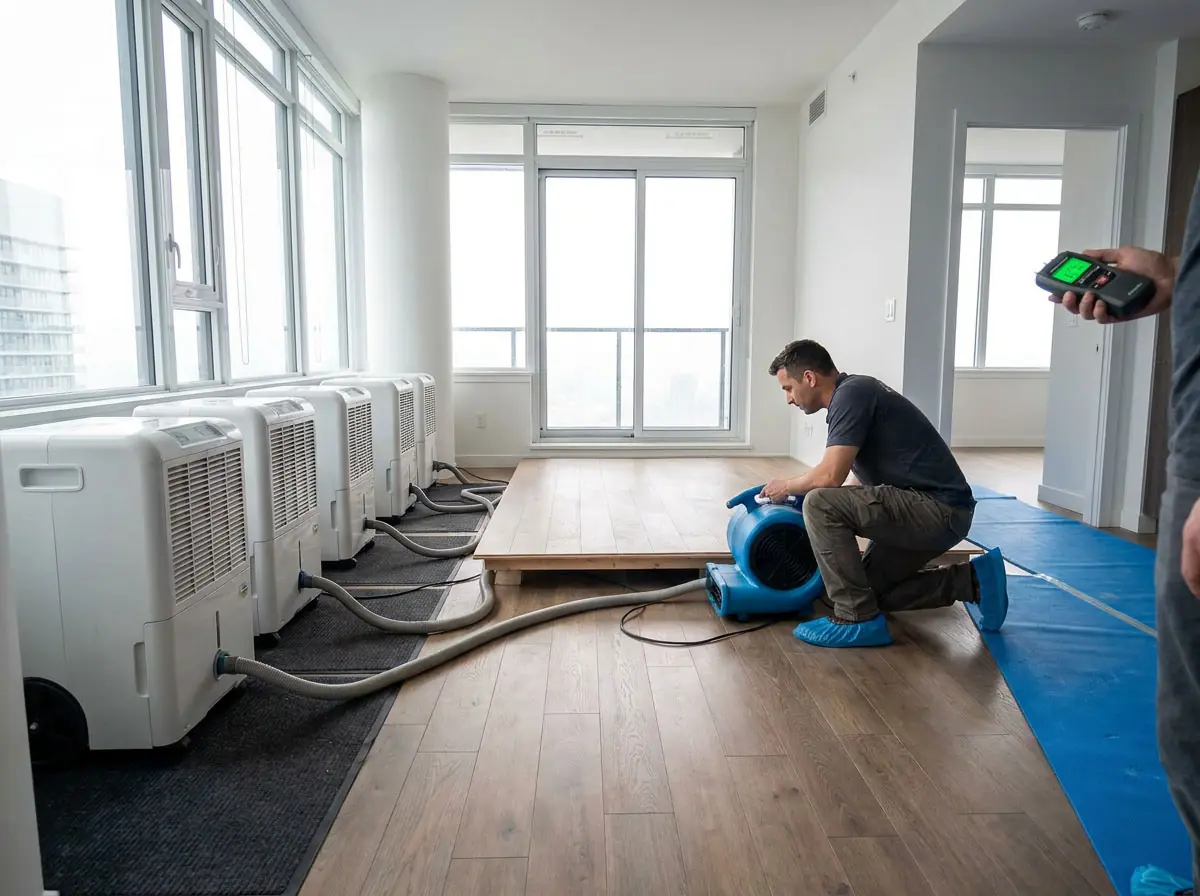


⚡ TL;DR: This informative guide provides essential advice for managing sewage backup cleanup in Plano, helping homeowners navigate safety protocols, professional remediation processes, and insurance documentation for residential property restoration.
📋 What You’ll Learn
Dealing with a sewage backup in Plano is an overwhelming emergency. This guide provides essential steps to protect your family, minimize property damage, and navigate the recovery process with professional confidence.
- Prioritize your immediate safety protocols by identifying dangerous biohazards and isolating affected areas to prevent the spread of contamination throughout your Plano home during the initial discovery phase.
- Categorize the level of contamination effectively by using our comparative analysis to understand if the water damage poses a Category 1, 2, or 3 risk to your household.
- Avoid common DIY cleanup mistakes that frequently lead to long term mold growth, structural compromise, and hazardous living conditions that require expensive professional remediation services to fully resolve.
- Navigate the insurance claims process with detailed documentation strategies that help you secure the maximum coverage available for your restoration efforts and professional remediation work in Plano.
📖 Reading time: 8 min
✍️ Author expertise: Certified restoration specialist with extensive field experience handling sewage mitigation for Plano residents.
You wake up in your Plano home, step out of bed, and feel a cold, squelching sensation beneath your feet that instantly turns your stomach. It is not just a plumbing hiccup; it is a full-blown sewage backup threatening your floors, your belongings, and the health of your family.
Most homeowners freeze when they see raw waste bubbling up through their drains, but the next few minutes are the most critical window you have to stop a disaster from becoming a total loss. Hesitation leads to ruined subfloors and toxic mold growth, turning a nasty spill into a multi-thousand-dollar nightmare.
Before you grab a mop or try to flush the problem away, you need to know exactly how to protect your home and yourself. Here are seven essential steps to handle a sewage backup the right way.
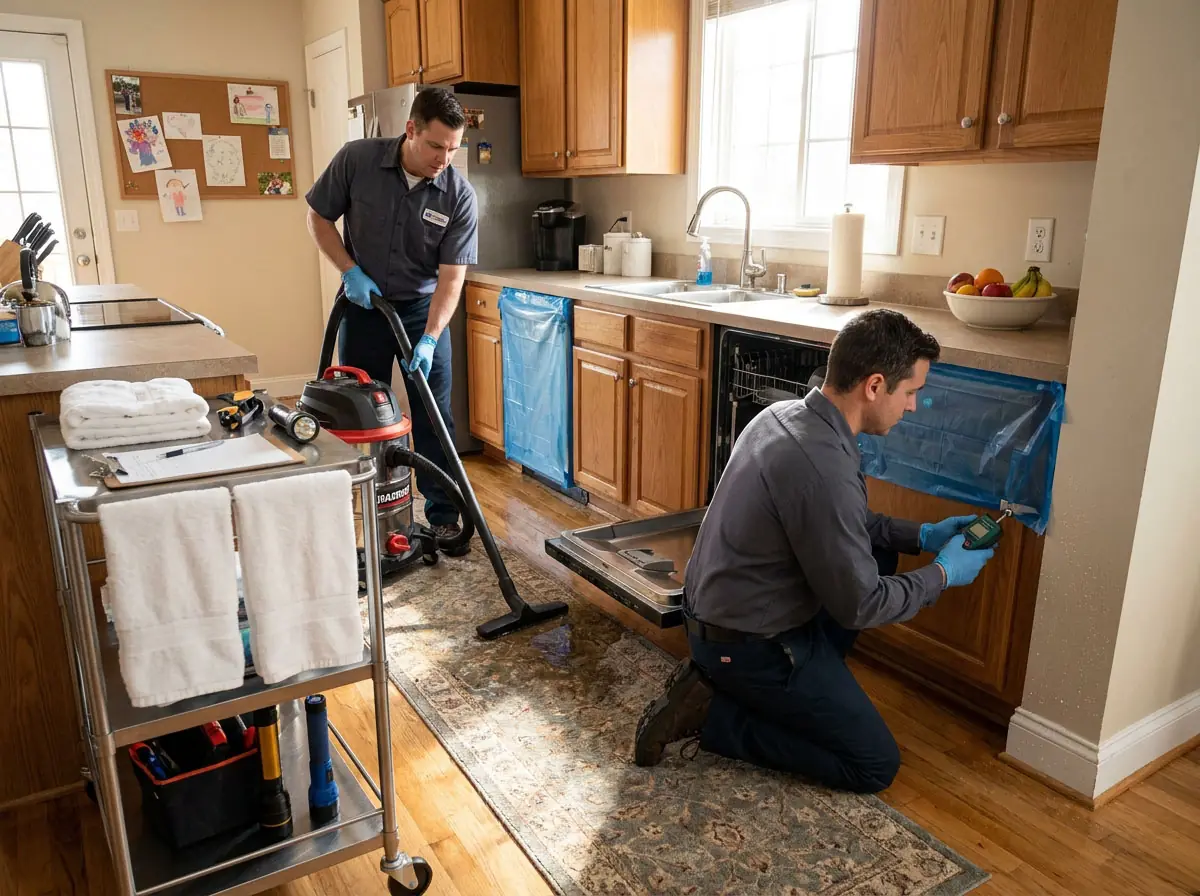
Immediate Safety Protocols and Protecting Your Household from Biohazards
The moment you identify raw sewage, your primary mission is quarantine. Do not try to clean it up yet; your health is the only asset that truly matters in this situation.
Sewage carries pathogens, viruses, and bacteria that can cause severe illness upon contact or inhalation. You must keep all family members and pets away from the affected area immediately.
Follow these essential safety rules to keep the biohazard contained:
- Turn off the main water supply to prevent more wastewater from entering the home.
- Shut down the electrical power to the contaminated room to avoid the risk of electrocution.
- Wear personal protective equipment if you must enter the area, including rubber boots, thick gloves, and a high-quality respirator mask.
- Avoid touching any surfaces, especially your face, until you have fully decontaminated your skin and clothing.
Do not attempt to use household fans or HVAC systems near the spill. Air movement will spread airborne contaminants throughout your Plano property, turning a single room issue into a whole-house air quality crisis.
If you see standing water near electrical outlets or appliances, stay clear. Water and electricity are a deadly combination, and calling a professional restoration team should be your absolute next move.
Assessing the Scope: A Comparative Table of Sewage Contamination Categories
Not all water damage is created equal. When raw sewage enters your Plano property, the industry classifies the contamination into specific categories to determine the severity of the risk to your health and the necessary decontamination protocols.
| Category | Source Description | Health Risk Level |
|---|---|---|
| Category 1 | Clean water (broken supply line) | Low |
| Category 2 | Grey water (washing machine/dishwasher) | Significant |
| Category 3 | Black water (raw sewage) | Severe/Toxic |
Most sewage backups fall squarely into Category 3. This means the water contains pathogenic agents like bacteria, viruses, and parasites that thrive in waste.
You cannot simply dry this out with a fan. If you try to treat Category 3 water like a standard spill, you are essentially inviting toxic growth into your walls and subflooring.
Key Indicators of Toxic Contamination
Knowing what you are dealing with is half the battle. Watch for these red flags that indicate a high-level biohazard:
- Foul, unmistakable odor of raw sewage inside the home.
- Presence of solid waste matter or debris floating in the standing water.
- Water originating from toilet overflows or backup from main sewer lines.
- Water that has sat stagnant for more than 24 hours, even if it started as clean supply water.
If your situation matches these signs, do not touch the area without proper protective gear. The pathogens in these fluids are aggressive and can easily cause illness through skin contact or inhalation of aerosolized particles.

Critical Mistakes to Avoid During DIY Cleanup Attempts
When you see sewage on your floors, your first instinct is to grab a bucket and start scrubbing. Stop right there. Most homeowners end up making the situation ten times worse because they lack the industrial gear to handle Category 3 water, which is essentially liquid poison.
Do not attempt to fix this with household cleaning supplies. Standard bleach or grocery store disinfectants cannot kill the bacteria and pathogens found in raw sewage; they only mask the scent while the real threat hides in your drywall.
- Do not use a standard shop vacuum to suck up sewage, as this sprays bacteria into the air.
- Avoid flipping light switches if the water level is near electrical outlets or floor plugs.
- Never touch contaminated items with bare skin or try to dry out carpets with standard box fans.
- Do not attempt to wash contaminated fabrics in your regular laundry machine, as you will cross-contaminate your appliances.
Many homeowners also make the mistake of leaving saturated porous materials in place. Drywall, insulation, and carpet padding act like a sponge for waste, holding onto dangerous mold spores long after the liquid disappears. If you try to save these items, you are gambling with your family’s health and inviting expensive mold remediation costs later.
Trying to power through this yourself is a setup for failure. Professionals use containment barriers and negative air pressure to stop the spread. Trying to manage this without a specialized restoration protocol almost always leads to a secondary disaster that costs more to repair than the original pipe burst.
Professional Remediation Process: From Containment to Decontamination
When raw sewage breaches your home, standard cleaning supplies are essentially useless. Professional remediation follows a strict industrial protocol designed to kill pathogens before they settle into your drywall or foundation.
Our team starts by establishing a controlled containment zone to prevent microscopic bacteria from hitchhiking on air currents into your bedrooms or kitchen. We treat your home like a hazmat site because, quite frankly, that is what it has become.
The Step-by-Step Decontamination Protocol
Once we have isolated the affected area, we move into the heavy lifting of true restoration. We do not just dry the floors; we sanitize the entire environment.
- Extraction: Industrial pumps remove all standing liquid waste.
- Disinfection: We apply medical grade antimicrobial agents to neutralize biological threats.
- Structural Drying: High-velocity air movers and dehumidifiers pull moisture out of the subfloor.
- Air Scrubbing: HEPA filtration units run continuously to capture airborne toxins and odors.
We finish by verifying that the moisture content of your framing and flooring has returned to baseline levels. This ensures that you are not left with hidden pockets of dampness that would eventually sprout toxic black mold. Our goal is to hand you back a home that is biologically safe for your family to occupy again.
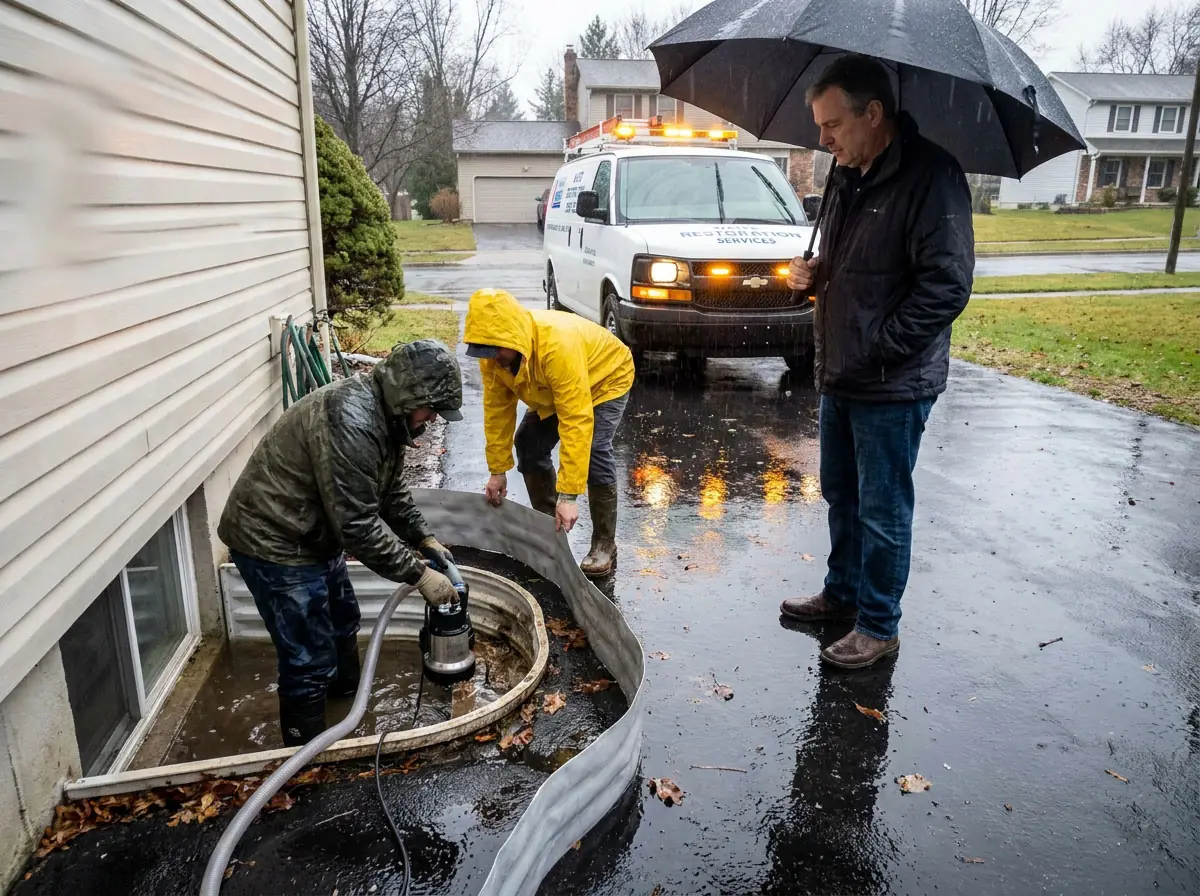
Restoring a Plano Residential Property: A Case Study of Recent Mitigation
Last month, we responded to an emergency call in a West Plano neighborhood where a main sewer line blockage caused raw waste to back up into the entire ground floor. The homeowner initially tried to use household bleach and a shop vac, which only succeeded in spreading the contamination further into the baseboards and drywall.
When our team arrived, the air quality was already compromised and the flooring was warping at an accelerated rate. We moved quickly to reverse the damage using a structured mitigation plan that focused on stopping the migration of bacteria immediately.
The Restoration Breakdown
- Containment: We erected physical barriers to prevent cross-contamination into the upper levels of the home.
- Extraction: Specialized pumps removed standing liquid while we manually shoveled out solid waste debris.
- Sanitization: Every square inch of the subfloor was treated with hospital-grade antimicrobial agents to neutralize pathogens.
- Drying: We installed industrial dehumidifiers and air movers to reach the deep moisture locked inside the wall cavities.
The result was a total recovery of the property without the need for a full demolition of the framing. By acting fast and bringing in specialized equipment, the owners saved thousands of dollars in potential reconstruction costs. This project serves as a clear reminder that time is your biggest enemy when dealing with category three water damage.
Navigating Insurance Claims and Documentation for Water Damage
Dealing with a sewage spill is physically taxing, but the paperwork can be just as draining. You need to treat your insurance claim like a courtroom case where the evidence decides the payout.
Before you toss a single water-logged item into the trash, you must document everything. Start by taking high-resolution photos and videos of the standing water, the entry point of the waste, and the condition of your personal belongings.
Most Plano homeowners make the fatal mistake of cleaning before the adjuster arrives. You need to show the insurance carrier exactly what happened, not just describe it after the fact.
Keep a detailed log of your recovery process to ensure nothing slips through the cracks. This simple list will save you hours of back-and-forth arguments with adjusters who want to minimize your claim.
- Create a comprehensive inventory list including purchase dates and estimated replacement costs.
- Keep physical copies of all receipts for emergency services, air movers, or temporary housing.
- Request a written report from your restoration professional that clearly states the source of the backup.
- Avoid discarding damaged items until the adjuster gives you the green light in writing.
Communication is your greatest asset during this period. Call your agent immediately to open a claim and ask specifically if your policy includes sewage backup coverage, as this is often an add-on rather than a standard inclusion.
Do not sign any documents from a contractor that look like a blank check. Make sure you read the fine print to ensure the scope of work matches what your insurance provider is willing to cover.
Final Words
Dealing with a sewage backup in Plano is not just a messy chore, it is a high-stakes emergency that directly impacts the safety of your family. You have seen how quickly a small spill becomes a biohazard, and why your first few actions dictate the total cost of the repairs.
Do not gamble with toxic sludge or mold spores. If you are currently facing a disaster in your home, it is time to call in the experts who understand the local Plano plumbing codes and sanitation standards.
Professional help is the only way to ensure your home returns to a clean, livable state. You can learn more about the steps we take to protect your property by checking out our specialized Sewage Backup Cleanup services.
Three rules to remember moving forward:
- Act immediately to shut off the main water line once you identify a backup.
- Avoid contact with gray or black water to prevent serious health complications.
- Document every square inch of damage for your insurance carrier before cleaning crews begin their work.
Your home is your biggest investment, and it deserves a professional touch when things go wrong. Reach out for a consultation today so we can get your life back to normal without the lingering stress of a hazardous spill.
People Also Ask
Is sewage backup in my Plano home covered by standard homeowners insurance?
Most standard homeowners insurance policies exclude damage caused by sewer backups unless you have added a specific endorsement to your policy. You should review your coverage documents immediately or contact your insurance agent to confirm your specific protections.What are the primary health risks associated with sewage exposure?
Sewage contains harmful bacteria, viruses, and parasites that can cause serious gastrointestinal and respiratory illnesses. The CDC guidelines explain that direct contact with these waste materials poses a significant threat to your well-being.How can I tell if a sewage backup is Category 1, 2, or 3?
Category 1 water comes from a clean source, while Category 2 contains some contaminants, and Category 3 is considered black water or hazardous sewage. Because sewage is always categorized as Category 3, it requires specialized protective equipment and professional sanitation procedures to remove safely.Should I attempt to clean up a sewage spill by myself?
It is highly recommended that you avoid DIY cleanup efforts due to the high risk of exposure to toxic pathogens. Professional restoration teams have the industrial-grade disinfectants and extraction equipment needed to sanitize the area and prevent secondary mold growth.Why is professional remediation necessary for basement sewage floods?
Sewage often seeps into porous materials like drywall, carpet padding, and wood framing that cannot be fully sanitized. Professionals use industrial dehumidifiers and antimicrobial treatments to ensure your home is completely safe and free from hidden contamination.Need Water Damage Restoration Services?
We provide rapid water damage restoration services in Plano and the surrounding communities to restore your property immediately. Our team delivers swift emergency mitigation to stop water damage and secure your home (75023, 75024, 75025, 75093, 75075).
Request Price Estimate