


⚡ TL;DR: To effectively manage hardwood floor water damage in Peoria, homeowners should prioritize rapid moisture mitigation and professional assessment to protect their property value from long term structural decay.
📋 What You’ll Learn
When hardwood floors face moisture exposure in Peoria, acting quickly is vital to prevent permanent damage. This guide provides actionable strategies to stabilize your home and restore your beautiful floors.
- Identify the signs of water damage by learning how moisture migrates through oak planks and recognizing the early warning indicators of subfloor rot that threaten your home structural integrity.
- Execute an effective emergency response by following proven steps to stop water spreading immediately, which prevents long-term warping and costly repairs for your hardwood throughout your Peoria property.
- Compare professional drying versus DIY to understand why industrial dehumidification is essential for deep moisture recovery compared to simple surface drying methods that often leave hidden mold behind.
- Evaluate restoration costs and timelines by reviewing our detailed assessment breakdown, helping you manage your renovation budget effectively while restoring historic or modern hardwood flooring after a flood.
📖 Reading time: 8 min
✍️ Author expertise: Certified restoration professional with extensive experience managing hardwood drying projects throughout Peoria, Arizona.
You hear that tell-tale creak, walk into the living room, and your heart drops. A pipe leaked while you were at work, and now your beautiful hardwood floors look like a warped, cupped mess that belongs in a funhouse rather than your home.
Most homeowners make one fatal mistake the moment they spot standing water: they wait. They hope the boards will just dry out on their own, but that hesitation is exactly what turns a minor fix into a full floor replacement that drains your bank account.
The secret to saving your investment isn't just mopping up the surface. It is about understanding the science of moisture migration before your subfloor starts to rot. If you want to stop the damage before it becomes a permanent disaster, keep reading to see how the pros handle this crisis.

The Hidden Mechanics of Moisture Migration in Hardwood Flooring
Hardwood is a living material. It acts like a sponge, constantly expanding and contracting based on the environment. When liquid hits your floor, it doesn't just sit on the surface; it penetrates the microscopic pores of the wood and the seams between boards.
This process is called capillary action. The water is pulled downward and outward, infiltrating the tongue and groove connections. Once it reaches the subfloor, the trouble truly begins. You aren't just dealing with surface stains anymore; you are fighting a structural invasion that moves faster than you think.
Here is how moisture moves through your home structure:
- The Seam Entry: Water seeps through the cracks in your flooring, bypassing the protective finish.
- The Core Absorption: The wood fiber swells as it becomes saturated, forcing the boards to cup or buckle.
- Subfloor Transfer: Excess liquid gravity-feeds into the plywood or concrete slab beneath, trapping dampness that cannot escape.
If you don't address this movement immediately, the trapped water starts to break down the natural adhesives in the wood grain. The floor loses its structural integrity from the bottom up. By the time you notice visible warping, the moisture has already set up a long-term residence inside your home.
Immediate Crisis Response: Steps to Stop the Spread of Water
When you spot a leak in your Peoria home, your first enemy is time. The wood acts like a sponge, soaking up every drop until the boards expand and force themselves against each other.
You need to cut the supply immediately. If the leak comes from a burst pipe or appliance, shut off your main water valve right away.
Once the water is off, grab your gear and follow these critical steps:
- Clear the area: Move furniture off the wet wood. Metal legs can rust and leave permanent stains on your flooring.
- Vacuum the surface: Use a wet-dry vac to pull up standing water. Do not use a standard household vacuum, as it could short-circuit or spray electricity.
- Ventilate the room: Open windows and blast your ceiling fans. In our dry Arizona climate, circulating air helps begin the evaporation process immediately.
Do not be tempted to blast the heat. High temperatures can cause the wood to buckle even faster. You want a steady, controlled airflow to prevent the wood fibers from snapping under the pressure of rapid, uneven contraction.
Keep a close watch on the gaps between your boards. If you notice they are beginning to cup or lift, call a professional immediately. At that stage, moisture has already penetrated the finish, and standard drying will likely fail to prevent permanent warping.
Warning Signs of Subfloor Rot and Structural Compromise
Most homeowners assume the floor is fine if the surface planks look dry after a week. This is a dangerous assumption. Moisture loves to hide in the dark, porous space between your finished floor and the structural joists below.
When the subfloor stays wet, the wood begins to lose its integrity. You are no longer just dealing with a cosmetic issue; you are facing a structural nightmare that can compromise the foundation of your entire Peoria home.
Indicators Your Subfloor Is Failing
Ignoring these subtle red flags often leads to complete floor failure. Look out for these warning signs:
- The floor feels spongy or bouncy when you walk across specific patches.
- A persistent, musty odor that smells like a damp basement, even after you clean the surface.
- Visible mold or dark, ink-like staining on the underside of your baseboards.
- New gaps between boards that seem to widen over several days.
- Nails or screws in the floor popping up or showing rust around the heads.
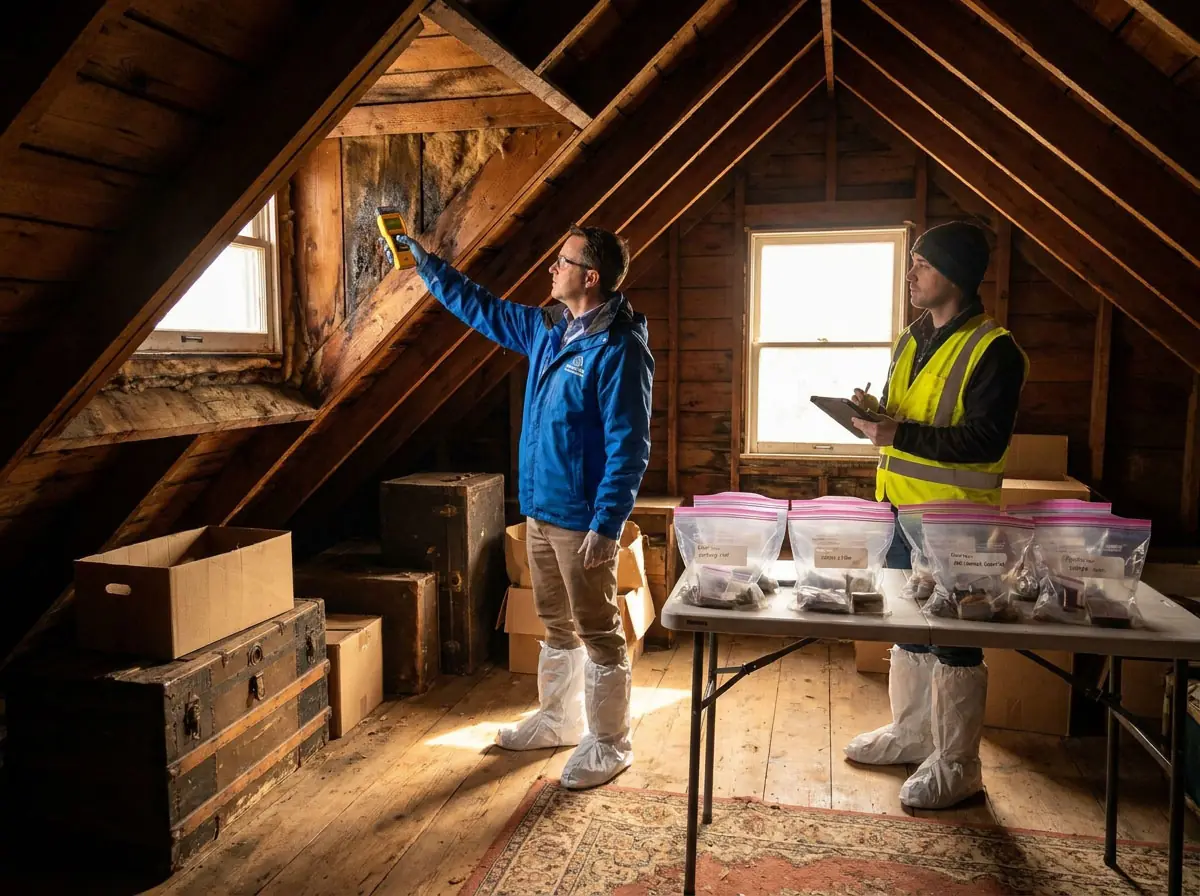
If you spot these issues, the moisture has already breached the vapor barrier. At this stage, standard fans will not save the structure. You need professional-grade structural drying to pull that deep moisture out before the wood turns to mush. Once wood rot takes hold, the only real solution is a costly tear-out of the affected area.
Assessment Timeline and Repair Cost Breakdown Table
When water strikes, the clock starts ticking immediately. You have a very narrow window, usually between 24 and 48 hours, before permanent damage settles in and mold becomes a genuine threat to your home health.
| Phase | Timeframe | Estimated Cost Range |
|---|---|---|
| Initial Inspection | 0 to 6 Hours | $150 - $300 |
| Emergency Extraction | 6 to 24 Hours | $500 - $1,200 |
| Structural Drying | 3 to 7 Days | $1,000 - $3,500 |
| Minor Sanding/Refinishing | 1 to 2 Weeks | $2,000 - $5,000 |
| Full Floor Replacement | 3 to 4 Weeks | $8,000+ |
The price tag for restoration fluctuates based on the moisture saturation level and the wood species involved. If the water has reached your subfloor, the labor intensity spikes because we must remove the top layer to gain access to the trapped pockets of humidity.
Do not wait for the wood to look dry on the surface. Professionals use specialized moisture meters to check the humidity content beneath the planks, ensuring we catch hidden saturation that causes cupping and structural warping later on.
Key Cost Drivers to Watch
- Wood Species: Harder woods like Oak are more resistant but harder to dry once fully saturated.
- Subfloor Damage: If the plywood beneath has buckled, replacement costs will climb quickly.
- Access Difficulty: Large furniture or built in cabinets can increase the labor time required for proper ventilation.

Professional Dehumidification vs. DIY Drying: A Tactical Comparison
When you spot water on your Peoria floors, your first instinct might be to grab a stack of towels and a box fan. That is a trap. DIY methods often trap moisture beneath the surface, creating a humid sauna that feeds mold growth inside your joists.
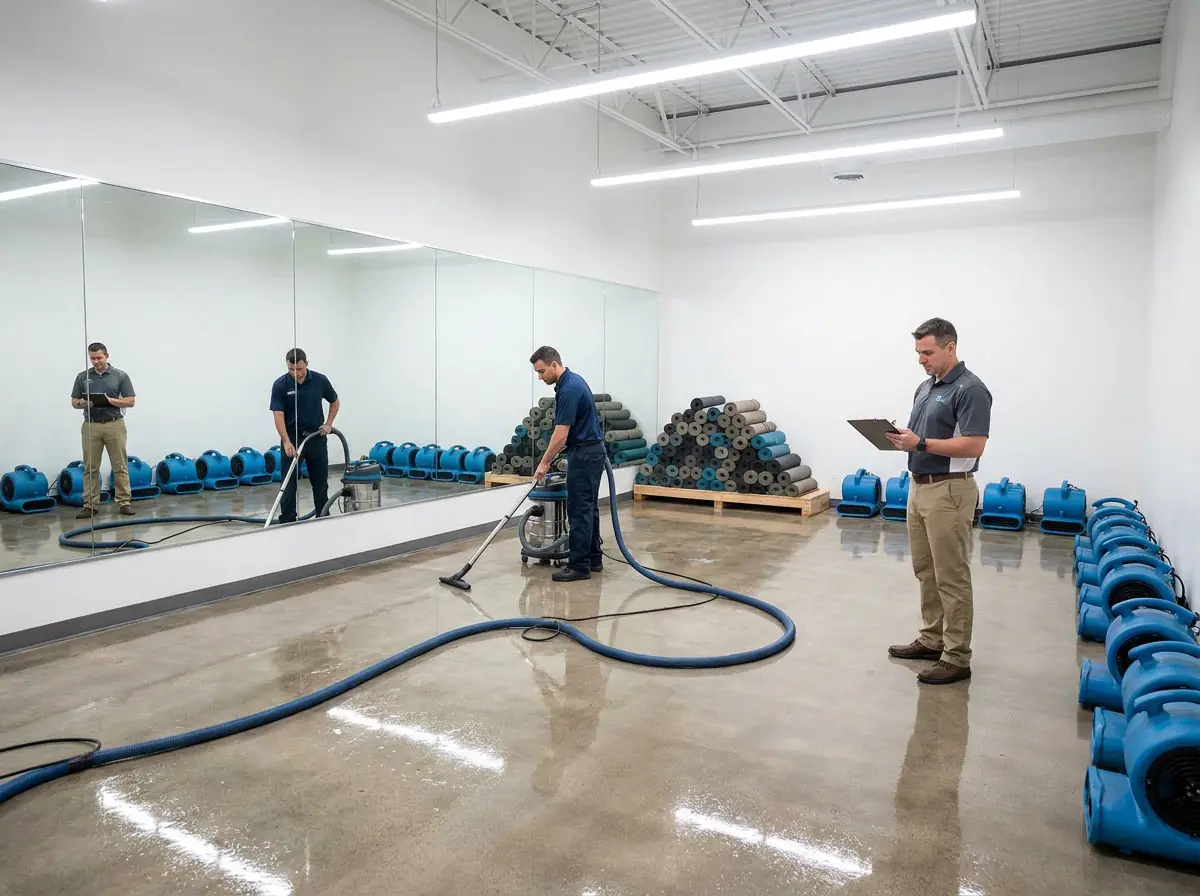
Professional restoration requires industrial grade equipment that moves moisture at a molecular level. We deploy commercial dehumidifiers and high velocity air movers designed to pull water out of the wood grain without causing the planks to shatter or split.
The Critical Differences
- Targeted Extraction: Pros use moisture meters to track hidden pockets of water inside the subfloor.
- Atmospheric Control: We manipulate the room temperature and humidity to draw moisture out of the wood safely.
- Prevention: We stop the mold cycle before it begins by achieving a specific equilibrium moisture content.
If you choose to do this yourself, you are likely just drying the top layer while the core of the wood remains soaked. This leads to permanent cupping and structural decay that eventually forces you to rip out the entire floor. Hiring a professional is not just about convenience; it is a calculated move to protect your home equity from total loss.
Restoring Historic Peoria Oak: A Case Study in Moisture Recovery
Recently, we handled a challenging restoration project involving a century-old home in the heart of Peoria. The homeowner discovered a significant slab leak that had saturated original white oak flooring hidden under layers of carpet for decades. Because this wood had dense growth rings and a history of specific regional humidity exposure, standard drying methods would have simply caused the boards to shatter or split.
We bypassed the amateur approach of "heat it and hope" and instead utilized a custom-engineered drying chamber specifically designed to draw moisture out at a controlled rate. By monitoring the moisture content of the subfloor relative to the oak planks, we were able to prevent the wood from shrinking too quickly. The result was a floor that retained its original patina and historical structural integrity without a single board needing to be pulled up.
Key Lessons from the Peoria Oak Project
Restoring historic materials requires a delicate touch. If you have older flooring in your Peoria home, keep these points in mind before you call a general contractor:
- Avoid extreme heat: Rapid evaporation is the enemy of antique wood; it leads to immediate splintering.
- Equilibrium is everything: You must lower the moisture content of the room gradually to match the moisture content of the wood.
- Check the fasteners: Older nails often have less holding power once a subfloor has been wet, requiring a specialized re-nailing strategy.
Final Words
When your floors suffer from moisture, time acts like a ticking time bomb. Every hour you spend debating whether to rent a fan or call an expert brings you closer to permanent warping or dangerous mold growth.
If you suspect the moisture has already seeped deep into your planks, stop gambling with your home value. Check out our dedicated Hardwood Floor Water Damage page to understand how our rapid-response team stops the clock.
Do not wait for the boards to buckle. A quick professional assessment often marks the difference between a simple drying procedure and an expensive tear-out project.
What to prioritize right now:
- Cut the water source immediately if you have not already.
- Clear any standing liquid from the surface with towels or a wet-vac.
- Call a specialist to measure the moisture content in your subfloor.
You have worked hard to build a beautiful home here in Peoria. Protect your investment by treating water damage as the urgent crisis it truly is.
People Also Ask
Can hardwood floors be saved after water damage?
Yes, hardwood floors can often be salvaged if professional restoration begins immediately. Rapid extraction and specialized drying equipment are essential to prevent permanent warping or microbial growth.How do I know if my hardwood floors are ruined?
Signs of irreparable damage include cupping, crowning, or deep discoloration of the wood planks. If you notice a musty odor, it indicates that mold growth may have already started beneath the surface.Should I replace or restore water damaged wood floors in Peoria?
Restoration is usually the preferred option if the moisture exposure was short term and the subfloor remains intact. However, if the wood has buckled significantly or the subfloor shows signs of rot, full replacement is necessary to ensure structural safety.How long does it take for hardwood floors to dry properly?
Professional drying typically takes between three to seven days depending on the type of wood and the depth of the water penetration. Using industrial dehumidifiers and air movers is the only way to ensure the moisture content reaches safe levels before refinishing.Will my homeowners insurance cover hardwood floor water damage?
Coverage depends on the source of the water; sudden pipe bursts are usually covered, while long term leaks or seepage often are not. It is important to document the damage thoroughly and contact your provider as soon as you discover the issue.Need Water Damage Restoration Services?
We provide rapid emergency water extraction and structural drying to restore your property in Peoria and surrounding communities. Our team responds immediately to mitigate damage and secure your home or business (85345, 85381, 85382, 85383).
Request An Estimate