


⚡ TL;DR: This guide provides essential advice for managing hardwood floor water damage in Palmdale by explaining effective drying techniques, professional restoration strategies, and steps to prevent structural mold growth.
📋 What You’ll Learn
Discover how Palmdale’s unique climate impacts your hardwood, the immediate steps to stop warping, and the professional techniques required to save your flooring investment from permanent water damage and mold.
- Identify hidden moisture hazards caused by our dry desert air, which often masks trapped water underneath your flooring and leads to silent, long-term structural decay in your home.
- Apply emergency mitigation tactics that stabilize your wood surfaces right after a spill or leak, preventing the irreversible cupping and warping that typically require expensive total floor replacements.
- Compare drying methods effectively by understanding why industrial-grade professional equipment consistently outperforms standard household fans and dehumidifiers when restoring deep moisture saturation within high-value hardwood floor planks.
- Detect dangerous mold growth under your subflooring by recognizing critical health indicators and safety warnings, ensuring your family stays protected from poor indoor air quality following water incidents.
📖 Reading time: 7 min
✍️ Author expertise: Certified Palmdale water restoration specialist with fifteen years of hands-on property recovery experience.
You wake up to the unmistakable sound of dripping, only to walk into your living room and find your beautiful hardwood floors cupping, warping, and turning black before your eyes. That panic you feel is real, but the clock is ticking against the structural integrity of your home.
In Palmdale, our unique desert climate makes water damage especially tricky because improper drying leads to permanent rot or dangerous mold growth. Most homeowners make a few critical mistakes in the first hour that end up costing them thousands in unnecessary repairs.
If you want to stop the damage from spreading and salvage your investment instead of ripping it all out, keep reading to learn the exact steps you need to take right now.
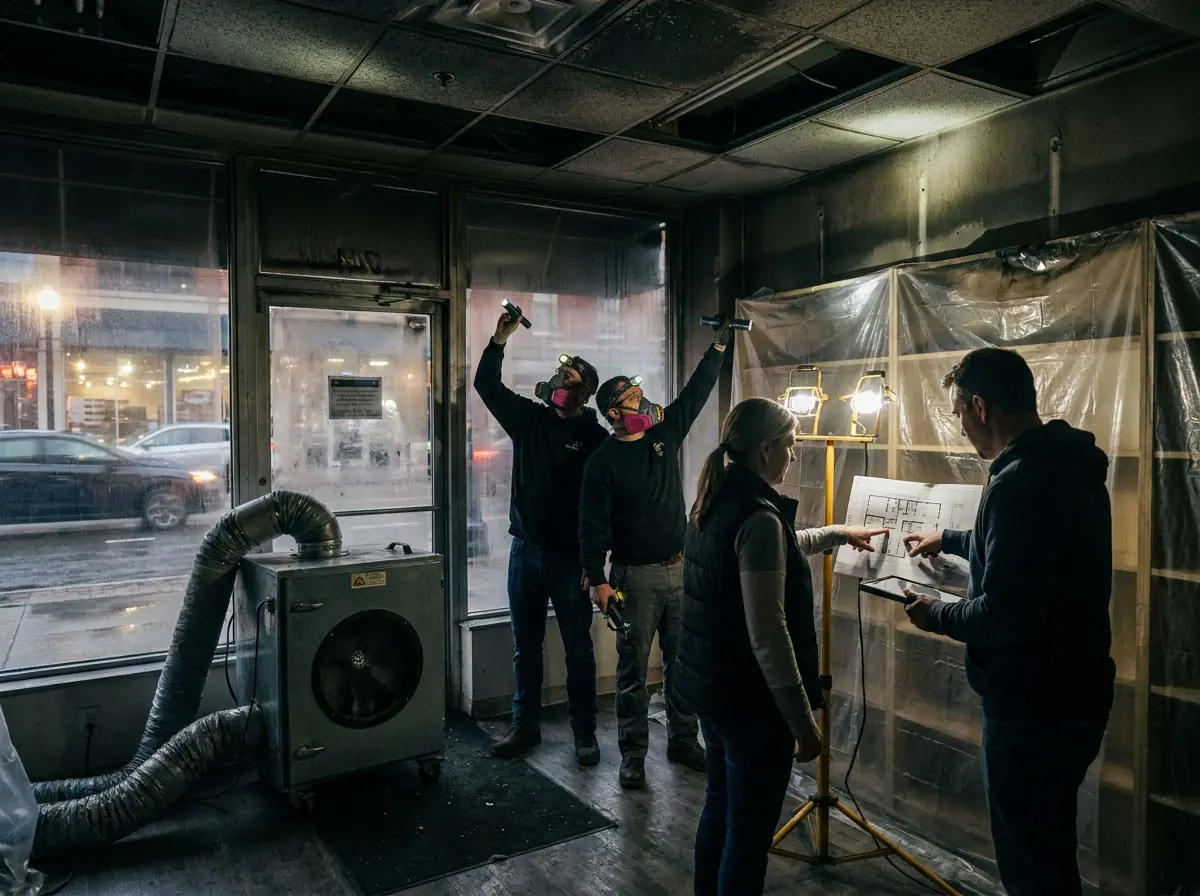
Why Palmdale’s Dry Desert Air Masks Hidden Moisture Traps
Living in the Antelope Valley comes with a false sense of security regarding water damage. You assume that because the air is naturally arid, any spill or leak will just evaporate on its own.
This is a dangerous myth. While the surface might feel bone-dry to your touch, the high-density nature of hardwood means moisture gets trapped deep within the grain or underneath the boards.
Because the top layer dries so rapidly in our heat, the moisture becomes sealed inside the wood cells. It has nowhere to escape, creating a pressurized environment that triggers rapid warping and decay.
The Hidden Danger Zones
You cannot rely on your eyes alone to gauge the severity of the situation. Moisture follows gravity, seeking out the lowest points in your home where your subflooring acts like a sponge.
- The gaps between planks allow water to seep into the underlayment.
- Floorboards often swell against each other, creating a tight seal that traps humidity underneath.
- Baseboards and shoe molding often absorb water through capillary action, hidden from plain sight.
If you wait for visible signs of cupping or crowning, the damage has usually moved beyond a simple repair. By the time you notice the ripple in your floor, your subfloor is likely already saturated, and biological growth has begun its silent march.
Immediate Mitigation Tactics to Prevent Permanent Wood Warping
When water hits your hardwood, your primary goal is to stop the moisture from penetrating the finish. Speed is your best friend here, but you must act with precision, not just haste.
First, cut the water source immediately. Grab a wet-dry vac to pull up any standing liquid from the surface of the floor, but avoid aggressive scrubbing that might force water into the joints.
Follow these specific steps to stabilize the environment before deep saturation sets in:
- Remove rugs, furniture, and any items sitting on the damp area to allow airflow.
- Wipe the surface with dry, absorbent towels to remove residual moisture.
- Keep the room temperature steady; extreme spikes in heat can cause the wood to shrink too fast, leading to permanent cracking.
Don’t make the common mistake of cranking up your HVAC system to "dry things out." While it feels logical, a sudden shift in the Palmdale humidity levels can cause the wood fibers to buckle violently as they release moisture unevenly. Instead, focus on controlled extraction and contact professionals who can monitor the subfloor moisture content. Your goal is to keep the wood from reaching the point of no return, where sanding and refinishing are no longer viable options.

Professional Drying Techniques vs. DIY Fan and Dehumidifier Methods
When your hardwood floors soak up water, your instinct might be to grab a box fan and a portable dehumidifier from the garage. This is a common trap. While these tools move air, they rarely touch the moisture trapped deep within the grain or beneath the floorboards.
Standard retail dehumidifiers lack the power to pull water out of porous wood fibers once the saturation point is reached. You end up drying only the surface, while the bottom of the boards remains a breeding ground for rot.
Professional restoration relies on specialized industrial drying systems that create a controlled environment. We use tools that you simply cannot buy at a hardware store to ensure every layer of your flooring is dried correctly.
Why Professional Equipment Wins
- Injecti-Dry Systems: We pump dry, heated air directly beneath the floorboards to target the subfloor moisture.
- Industrial LGR Dehumidifiers: These remove significantly more grains of moisture per pound of air than consumer units.
- Moisture Mapping: We use high-precision sensors to track exactly where water is hiding behind baseboards and under floor surfaces.
If you rely on basic fans, you might dry the top of the wood while the underside stays damp. This uneven drying causes the wood to warp, cup, and eventually crack permanently. By the time you notice the bowing, the damage to the structure beneath is already advanced.
Our goal is to pull the moisture out of the wood gradually. If you rush the process with high heat or improper air circulation, the wood will splinter or shrink too fast. We balance the drying rate to preserve the integrity of your hardwood planks.
Cost and Timeline Breakdown Table: Repairing vs. Replacing Your Hardwood
When your floors take on water, every hour is a hit to your wallet. You are fighting a war between moisture saturation and the structural integrity of your subfloor. Repairing the damage requires specialized industrial drying systems, whereas replacing the wood involves a full demolition, new material costs, and labor for installation.
| Action | Estimated Timeline | Cost Impact |
|---|---|---|
| Professional Drying | 3 to 7 Days | $1,500 - $3,500 |
| Spot Board Replacement | 1 to 2 Weeks | $2,000 - $4,500 |
| Full Floor Replacement | 3 to 6 Weeks | $8,000 - $20,000+ |
| Subfloor Remediation | 2 to 4 Days | $1,000 - $3,000 |
If the wood is still stable, professional drying is almost always the smarter financial move. You save on the cost of expensive hardwoods and avoid the massive headache of clearing out your entire home for a full install.
However, if the wood has cupped severely or the subfloor is soaked, repair is no longer an option. Ignoring the signs will lead to toxic mold growth, which turns a standard repair into a massive hazmat situation. Don't gamble with your home's equity; get a moisture reading done immediately to see which side of the table your specific damage falls on.
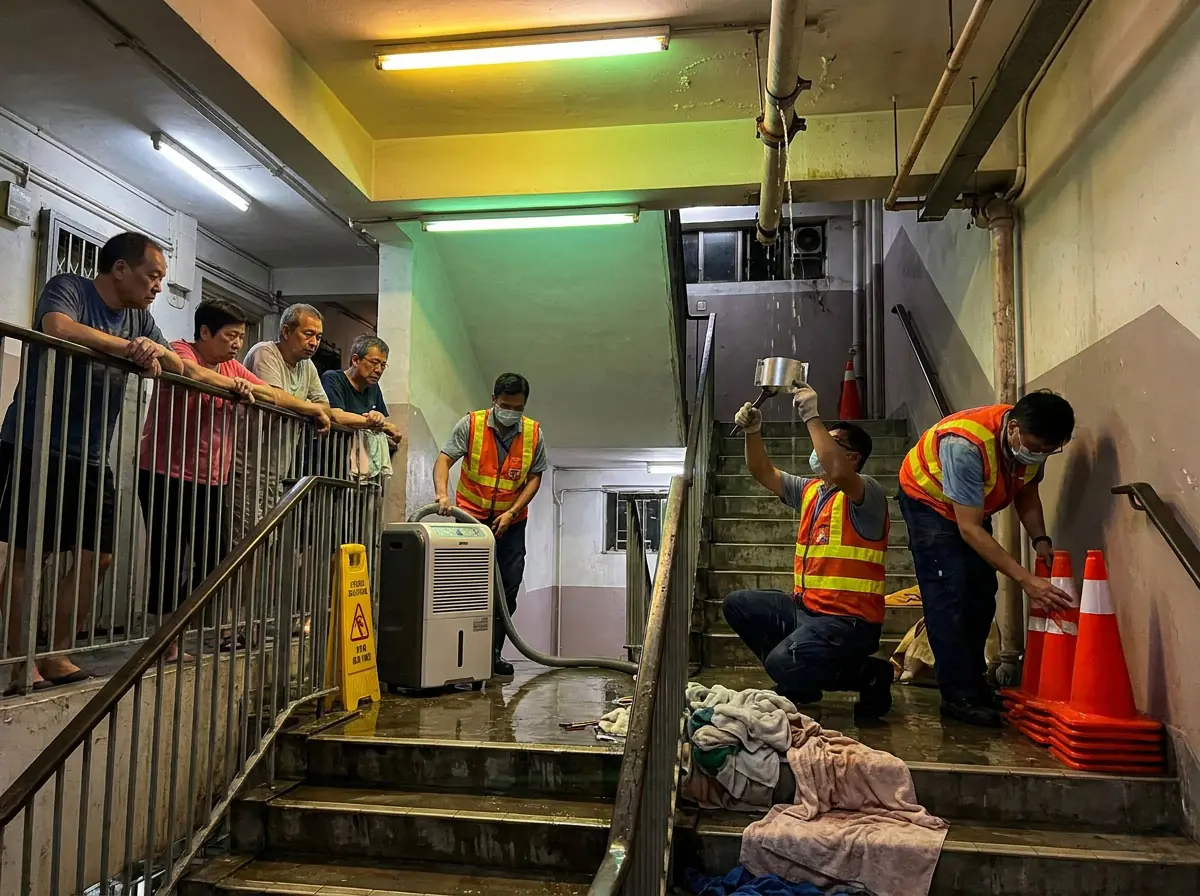
Case Study: Salvaging Antique Oak Floors After a Kitchen Pipe Burst
We recently received an urgent call from a homeowner in a vintage Palmdale neighborhood. A catastrophic kitchen pipe burst had sent gallons of water rushing across their original, 1950s-era oak hardwood floors.
The owner was ready to rip everything out. They assumed the dark staining and severe cupping meant the floors were history.
Instead of demolition, our team deployed specialized drying mats and high pressure air injection systems. These tools pull moisture directly through the wood grain without requiring the destruction of the subfloor.
The Outcome
- The wood returned to its original moisture content in 72 hours.
- We avoided the cost of matching rare, period-accurate lumber.
- No toxic mold spores were detected in the final clearance test.
By resisting the urge to pull up boards immediately, we preserved the historical character of the home. This proves that even floors looking like a total loss can often be saved if you act with precision rather than panic.
Critical Safety Indicators for Mold Growth Under Subflooring
Most homeowners assume that if the surface of their hardwood floor looks dry, the danger has passed. Unfortunately, the space between your floorboards and the subfloor often turns into a hidden incubator for mold once moisture gets trapped.
You must stay alert for specific signs that indicate the problem has moved beyond a simple surface spill. If you catch these indicators early, you can often stop the contamination before it spreads through your entire home:
- A lingering, musty scent that doesn't disappear after you mop or clean the area.
- Soft or spongy spots when you walk across certain floorboards, signaling that the subfloor is losing structural integrity.
- Visible dark discoloration or fuzzy patches appearing along the baseboards or inside nearby air vents.
- Unexplained allergic reactions, such as frequent sneezing or itchy eyes, whenever family members spend time in that specific room.
If you notice any of these signs, stop using store-bought cleaners immediately. Heavy scrubbing or improper surface treatments can actually push mold spores deeper into the wood grain and under the floorboards.
The subfloor is porous, meaning it acts like a sponge for liquid. Once mold takes hold in that layer, it can compromise the air quality of your entire living space within days. If the smell persists or the floor feels unstable, you need an expert to pull back a test section to verify the extent of the infestation before you end up with a full home remediation project.
Final Words
Time is the silent killer of your hardwood flooring. The moment water touches wood, it initiates a chemical process of expansion that becomes irreversible within hours.
You have a narrow window to stop the cupping and buckling before the subflooring becomes a playground for mold spores. If you are dealing with Hardwood Floor Water Damage in Palmdale, do not wait for the sun to do the work for you.
Your Immediate Checklist
- Shut off the main water supply to stop further intrusion.
- Remove standing water using a wet-vac or shop vacuum immediately.
- Call a professional team before moisture settles deep into the grain.
Professional restoration is rarely just about drying the surface. It involves scientific moisture mapping to ensure the wood beneath is stable.
If you leave the job half-done, you are essentially burying the problem beneath a layer of wood. Eventually, the floor will fail, and you will be facing a full replacement cost rather than a simple restoration fee.
Treat your home like the investment it is. Get the experts on site today, ensure the moisture readings are back in the green, and keep your floors for another twenty years.
People Also Ask
How soon does water damage ruin hardwood floors?
Hardwood floors can begin to warp, cup, or buckle within 24 to 48 hours of exposure to standing water. Prompt extraction is essential to prevent moisture from penetrating deep into the wood grain and subflooring.Can I dry water damaged wood floors with a dehumidifier?
A standard household dehumidifier is typically insufficient for the deep moisture trapped beneath hardwood planks. Professional drying equipment, such as industrial air movers and specialized floor mats, is necessary to reach the subfloor and prevent permanent structural issues.Does homeowners insurance cover water damage on hardwood floors in Palmdale?
Insurance coverage depends on the source of the water damage and your specific policy details. Generally, sudden and accidental events like a burst pipe are covered, but damage from long term neglect or slow leaks may be excluded according to the FEMA guidelines.What are the signs of mold under hardwood floors?
Common indicators include a musty odor, darkening wood discoloration, or soft spots when walking across the floor. If you suspect microbial growth, it is critical to consult a professional to ensure the subfloor is properly remediated and sanitized.Is it better to repair or replace water damaged hardwood?
Minor cupping can often be sanded and refinished if the wood has not suffered structural rot. However, if the wood has developed deep cracks, significant warping, or mold growth, total replacement is the safer and more cost effective long term solution.Need Water Damage Restoration Services?
We provide rapid water damage restoration to restore your property to its original condition across Palmdale and surrounding areas (93550, 93551, 93552, 93591). Our team delivers immediate emergency response to mitigate structural damage and stop moisture buildup on contact.
Request Price Estimate