


⚡ TL;DR: This guide reveals why local climate conditions make mold remediation difficult in Palm Coast and explains how you can identify dishonest contractors to ensure your home remains safe.
📋 What You’ll Learn
Navigating the complex world of mold remediation in Palm Coast requires understanding how local humidity and dishonest industry practices affect your home. This guide exposes the hidden truths behind common restoration scams.
- Identify hidden climate risks that make Palm Coast properties uniquely vulnerable to mold growth and learn why standard, surface-level cleaning methods often fail to stop spores from spreading quickly.
- Detect dishonest remediation tactics by recognizing red flags during contractor consultations, such as companies offering quick paint-over solutions instead of addressing the core moisture source behind your walls.
- Implement professional containment strategies to ensure that mold spores do not cross-contaminate unaffected areas of your house during the removal process, keeping your family safe from dangerous air exposure.
- Vet restoration contractors effectively by using a specific set of professional criteria to evaluate credentials, ensuring you hire a reliable expert who prioritizes long-term safety over quick, cheap fixes.
📖 Reading time: 8 min
✍️ Author expertise: Certified restoration professional with decades of hands-on mold removal experience in Palm Coast.
Your walls might look clean, but if you live in Palm Coast, there is a high probability that toxic spores are currently feasting behind your drywall. Most homeowners trust the first company that shows up with a van, only to realize months later that the problem never actually left.
The industry has a dirty little secret: many remediation crews are paid to patch the surface rather than stop the rot. They count on your lack of technical knowledge to sign a check and call the job done while the health hazard continues to spread.
I am going to pull back the curtain on the tactics these businesses use to cut corners, and more importantly, how you can spot a fake fix before it costs you your family's health. Keep reading to discover the three red flags that expose a lazy mold job.
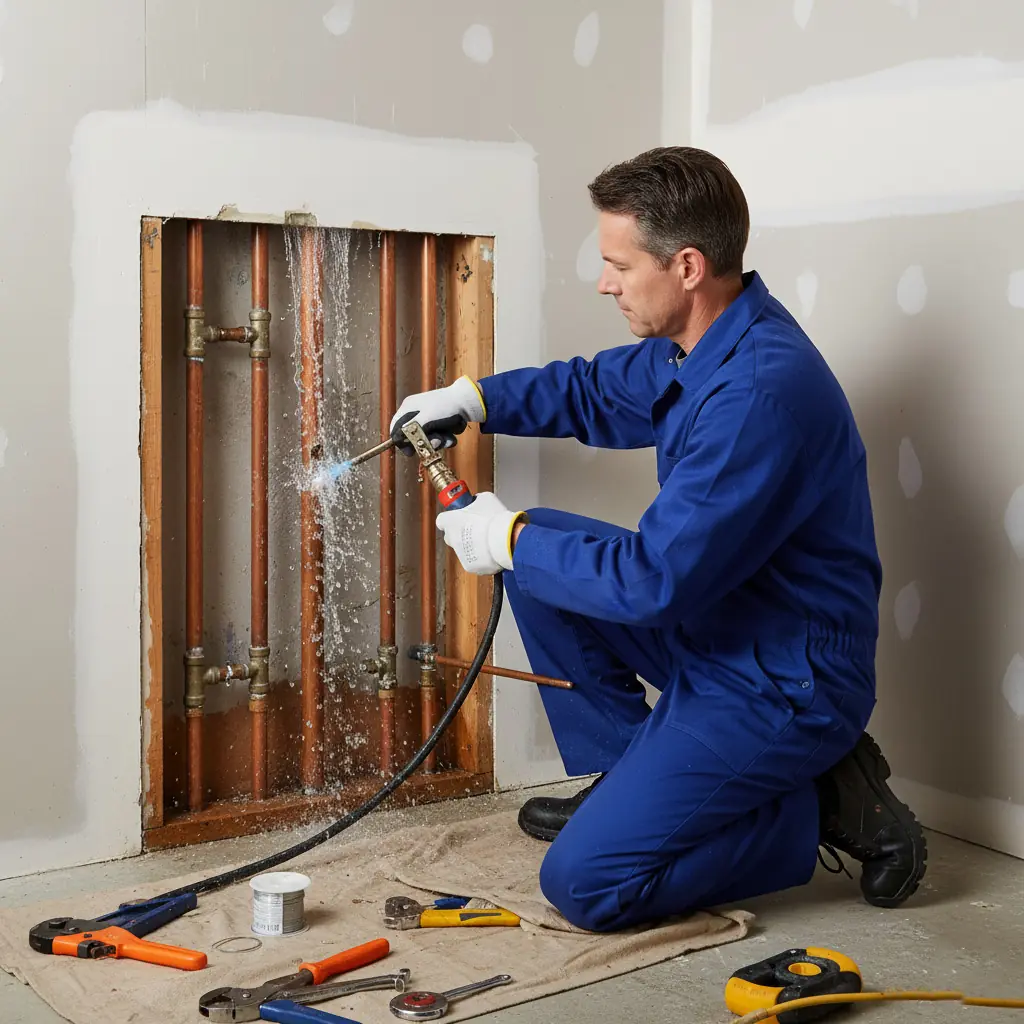
The Humidity Trap: Why Palm Coast’s Climate is the Perfect Mold Breeding Ground
Living in Palm Coast puts your home on the front lines of a constant biological war. Our proximity to the Atlantic, combined with those heavy Florida summers, creates an atmospheric pressure cooker that never lets up.
When the air stays thick with moisture, your home’s structural components like wood studs and drywall act like a giant sponge. This isn't just uncomfortable; it is an open invitation for fungal growth.
Mold does not need a formal invitation to move in. It only needs three things to thrive, and Palm Coast provides all of them in abundance:
- Consistent moisture from high humidity and sudden tropical downpours.
- Organic food sources like cellulose found in your drywall, insulation, and carpet padding.
- Warm temperatures that accelerate spore production into a full-blown colony in under 48 hours.
Many homeowners assume their air conditioning keeps them safe. In reality, an improperly sized unit or blocked ventilation can trap stagnant, damp air inside your wall cavities.
This creates a hidden microclimate where mold spores germinate and spread without anyone seeing a single dark spot. By the time you notice a musty odor or peeling wallpaper, the colony has likely been feasting for weeks.
Exposing the Surface-Level Scam: The Truth About Paint-Over Procedures
Many contractors in Florida promise a quick fix by simply spraying a "mold-killing" chemical or slapping a coat of primer over visible spots. They call this encapsulation, but in reality, it is nothing more than a cosmetic cover-up. Painting over mold traps moisture and active growth behind a layer of pigment, which only encourages the colony to burrow deeper into the structural wood and drywall.
The mold is still alive, still spreading, and still releasing spores into your air supply. This tactic relies on the fact that your walls look white and clean for about three months. By the time the fuzzy growth breaks through the new paint, the contractor has already cashed your check and moved on to the next unsuspecting victim.
How to Identify a Cosmetic Patch Job
If you suspect a company is trying to pull a fast one, watch for these specific behaviors during their assessment:
- They provide a quote over the phone without ever moisture-mapping your walls.
- They suggest painting or sealing wood surfaces before performing a professional clearance test.
- The crew refuses to remove affected materials, claiming that "killing" the mold is sufficient.
- They do not set up negative air pressure or plastic barriers before starting the work.
Real remediation requires the physical removal of porous materials that have been compromised by water. If the mold has penetrated the material, no chemical on earth can restore its structural integrity. You are paying for the safety of your home, not a cheap facelift that hides the rot while your air quality continues to plummet.

Red Flags in Action: A Case Study of a Failed Palm Coast Remediation
I recently walked into a home in the Hammock Dunes area where the previous contractor claimed to have eliminated a massive mold colony. The homeowner paid thousands, yet within six weeks, the master bedroom smelled like a wet basement again. What I found was a classic bait and switch.
The previous crew had simply sprayed the visible mold with a generic bleach solution and painted over the stained drywall. They did nothing to address the source of the moisture, which was a slow-leaking pipe hidden behind the vanity. Because they skipped the basics, the spores simply went dormant for a few weeks before exploding back to life.
The Anatomy of the Failed Job
- Missing Moisture Mapping: They failed to use thermal imaging to find the hidden water behind the walls.
- Zero Containment: They didn't build a plastic barrier, allowing spores to travel through the AC vents into every other room.
- Surface Treatment Only: Painting over mold is not remediation; it is masking a disaster that will eventually eat through the new paint.
- Ignoring the Humidity: They left the home at 75% relative humidity, basically rolling out the red carpet for new colonies to grow.
This is exactly why you cannot afford to take a shortcut when your home is under attack. If a contractor doesn't show you the moisture meter readings or walk you through the containment process, you are being sold a lie. Don't let a fast talker turn your sanctuary into a petri dish.
Professional Remediation vs. DIY Hacks: A Comparative Analysis Table
Homeowners in Palm Coast often reach for a bottle of bleach or a hardware store fungicide when they spot dark spots on their walls. It feels like a quick win, but this is a dangerous illusion. While you might clear the visible surface, you are likely missing the moisture source and the deep-seated root system inside your building materials.
| Feature | DIY "Quick Fix" | Professional Remediation |
|---|---|---|
| Moisture Detection | None (Guesswork) | Thermal imaging/moisture meters |
| Containment | None (Spreads spores) | HEPA-filtered air scrubbers |
| Root Removal | Surface wipe only | Full material removal/sanitization |
| Verification | Visual check | Third-party air quality testing |
Professional remediation is not about spraying chemicals; it is about structural integrity and environmental control. When our team steps onto a site, we are hunting for the hidden water source that allows mold to thrive in our coastal climate. We utilize heavy-duty air scrubbers to trap microscopic spores before they can drift into your ventilation system.
Why DIY Often Backfires
The biggest risk with DIY efforts is the unintentional spread of contamination. If you scrub a moldy wall without negative air pressure, you are effectively acting as a delivery service for millions of spores.
- You inadvertently spread spores to clean rooms.
- You fail to dry the hidden studs behind the drywall.
- You ignore the toxic root system inside porous materials.
- You provide a false sense of security while the colony grows back.
True restoration requires surgical precision. Professionals treat the entire room as a sterile environment, ensuring that once the mold leaves, it stays gone. Anything less is just painting over a ticking time bomb.

The Science of Containment and Why Skipping It Invites Cross-Contamination
Most homeowners think mold remediation is just about scrubbing or cutting out a piece of bad drywall. If a crew shows up without setting up a negative air pressure chamber, they are essentially blowing mold spores into your clean rooms while they work. This is called cross-contamination, and it turns a localized issue into a total home infestation.
Real professionals treat mold like a biohazard. Before a single saw touches your wall, they seal the work area with heavy-duty plastic sheeting and industrial tape. They then run HEPA-filtered air scrubbers to ensure that no dust or spores can escape into your living space or HVAC system.
The Risks of Ignoring Containment
- Spores become airborne during the demolition process.
- Unprotected vents circulate toxic debris throughout your entire Palm Coast home.
- Soft furnishings like curtains, couches, and carpets act as sponges for dislodged mold particles.
- You end up breathing in higher concentrations of mold than before the remediation began.
If you see a team walking in with nothing but a crowbar and a trash bag, stop them immediately. Containment is not optional; it is the most critical step in protecting your family from respiratory distress. When a company skips this step, they aren't saving time, they are gambling with your health.
How to Vet Your Restoration Contractor Before the First Hammer Swings
Most homeowners in Palm Coast wait until they smell the musty stench of mold before calling for help, but that is exactly when you are most vulnerable to being taken for a ride. Do not let a glossy van wrap or a high ranking on a search engine distract you from checking their actual credentials.
If a company cannot provide verified third-party testing results both before and after the job, show them the door. You need a contractor who uses an independent hygienist to prove the air is safe, not a guy with a flashlight who says he can smell that the mold is gone.
The Essential Contractor Checklist
Before you sign a contract, demand answers to these questions to ensure you are dealing with a pro:
- Are you IICRC certified in mold remediation? (If they stumble on this, walk away immediately.)
- Do you perform post-remediation verification testing through an outside laboratory?
- Will you provide a written scope of work that includes specific containment measures?
- Can you show me proof of specialized pollution liability insurance coverage?
Never rely on a verbal promise that they will fix the issue. If it is not explicitly written in the contract, it does not exist for the insurance company or your legal protection.
Check their license status through the Florida Department of Business and Professional Regulation website. A company operating without the proper state licensing is not just risky, it is a liability nightmare for your property value.
Final Words
You now have the roadmap to separate the honest pros from the corner-cutting amateurs. Never let a smooth-talking salesperson pressure you into signing a work order before you see their containment plan in writing.
Your health is not a line item for some fly-by-night contractor to treat as a quick payday. If they refuse to show you their protocols or shy away from questions about HEPA filtration, show them the door immediately.
Trust your gut. If a deal feels too simple or too cheap, it almost certainly is. Authentic Mold Remediation requires sweat, science, and strict adherence to industry standards, not a bucket of paint.
Your Checklist for Action
- Demand a detailed scope of work that specifically lists containment zones.
- Verify the company has active, specialized insurance that covers fungal growth.
- Ask for third-party post-remediation verification results to prove the air is actually clean.
Do not wait for a persistent cough or a musty smell to take over your living room. Take control of your home environment today and keep your family safe from invisible threats.
People Also Ask
How can I tell if my Palm Coast home has hidden mold?
Hidden mold often presents as a persistent musty odor or unexplained respiratory symptoms among family members. You should also check for water stains on ceilings and walls, especially in high humidity areas like bathrooms or crawl spaces.Why is professional mold remediation necessary instead of just cleaning it?
Surface cleaning only removes visible growth, whereas professional remediation addresses the underlying moisture source and extracts spores from porous materials. According to the EPA, failing to fix the water problem means the mold will almost certainly return.What are the dangers of painting over mold?
Painting over mold is a cosmetic fix that traps the fungus behind a new layer of finish. This does not kill the colony, allowing it to continue eating through the drywall and potentially spreading into the indoor air you breathe.Does homeowners insurance cover mold removal in Palm Coast?
Coverage depends on whether the mold growth was caused by a sudden, accidental water leak covered by your policy. If the mold resulted from long term humidity issues or maintenance neglect, insurance providers often deny the claim.How do I know if a mold remediation company is legitimate?
A reputable company will perform a thorough inspection, provide a written scope of work, and use industrial grade containment methods. Avoid contractors who provide estimates over the phone without seeing the property or who guarantee mold removal without addressing the root cause.Need Water Damage Restoration Services?
We provide rapid water damage restoration and structural drying services to restore your property in Palm Coast and surrounding areas (32137, 32164, 32135, 32110). Our team responds immediately to mitigate damage and return your home or business to a safe, pre-loss condition.
Request Service Estimate