
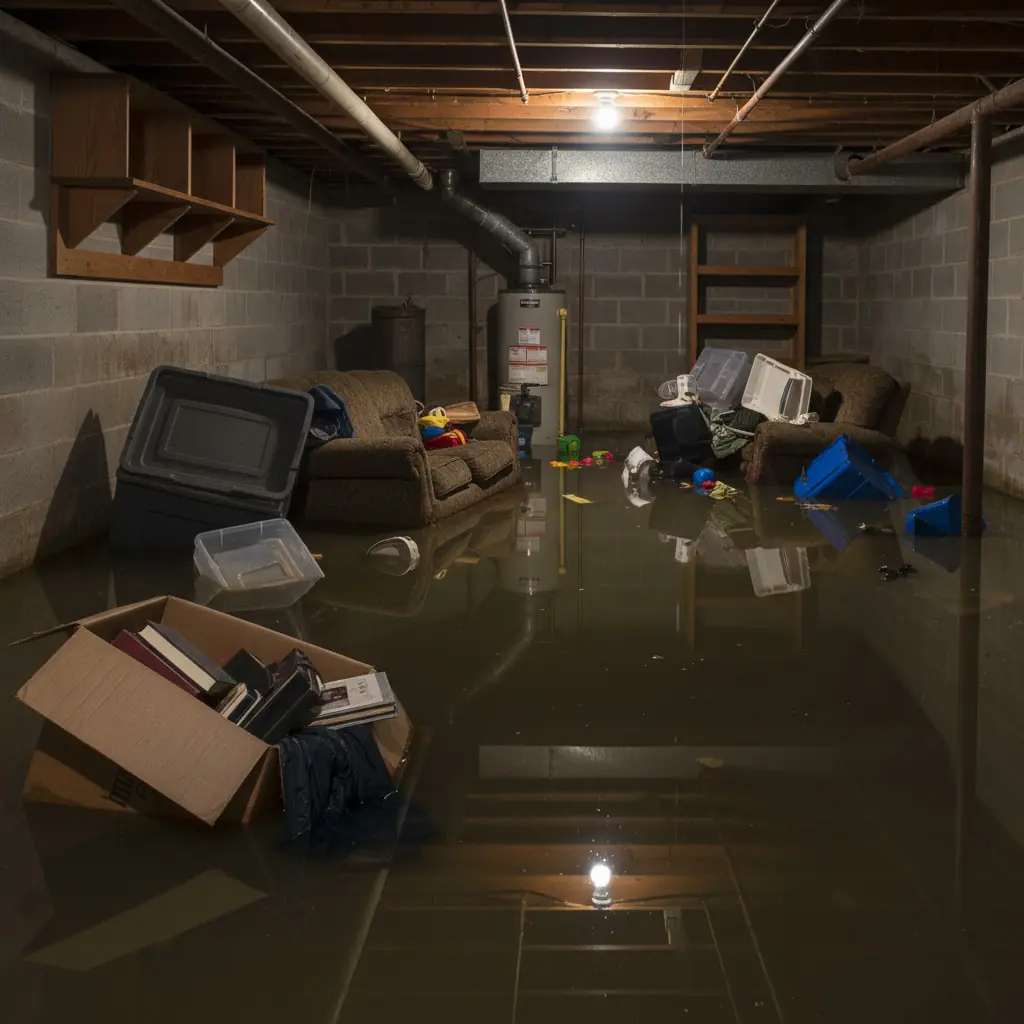


⚡ TL;DR: Avoid expensive errors during flood damage restoration in Omaha by understanding professional mitigation techniques, proper insurance documentation, and the critical importance of effective drying procedures for your home.
📋 What You’ll Learn
Dealing with flood damage in Omaha requires precision to protect your home from long-term decay. This guide highlights critical errors homeowners make that escalate costs and jeopardize successful insurance claim outcomes.
- Avoid dangerous DIY extraction mistakes that often trap moisture inside Omaha foundation walls, leading to toxic mold growth and expensive structural repairs that could have been easily prevented earlier.
- Master insurance documentation requirements to ensure your claim is processed without delays, helping you secure the full payout you deserve for professional mitigation services after severe storm flooding.
- Implement professional drying techniques that target hidden water pockets within your walls and flooring, stopping permanent material degradation and ensuring your property returns to a safe condition.
- Analyze real-world restoration case studies to understand how choosing the right mitigation approach saves you thousands of dollars compared to the high costs associated with ignoring initial damage.
📖 Reading time: 7 min
✍️ Author expertise: Omaha water damage specialist with twenty years of hands-on property restoration field experience.
You wake up to the sound of water trickling in your basement and your heart drops into your stomach. In those first few frantic minutes, almost every homeowner makes a choice that burns a hole in their bank account.
Most people think they are saving cash by doing the cleanup themselves, but that quick decision is exactly what invites black mold and structural rot into your property. It is a classic trap where trying to save a few dollars ends up costing you thousands in long-term repairs.
You need to know the exact moves to make before the clock runs out on your insurance claim. Keep reading to discover the common errors that turn a simple leak into a financial disaster.
The Hidden Dangers of DIY Water Extraction in Nebraska Basements
When your Omaha basement floods, your first instinct might be to grab a shop vac and some towels. This is a massive mistake that costs homeowners dearly.
Retail vacuums and household fans cannot pull moisture from deep within your concrete slab or wall studs. If you leave even a small percentage of water behind, you are inviting microbial growth to take over your home within 48 hours.
Here is what happens when you try to shortcut the extraction process:
- Moisture gets trapped behind drywall, leading to invisible mold colonies.
- Floor joists absorb water, which eventually causes them to warp and lose structural integrity.
- Basement flooring, like carpet or laminate, acts as a sponge that promotes bacterial breeding.
Professional restoration teams use industrial-grade dehumidifiers and heavy duty sub-surface extraction tools. These machines pull moisture from materials you didn't even know were wet.
Attempting to dry out a basement without thermal imaging cameras is like playing darts in the dark. You will miss the hotspots, and that hidden dampness will rot your home from the inside out.
How Improper Documentation Voids Your Insurance Payout
Insurance adjusters are not your friends when you are fighting for a claim; they are detectives looking for reasons to write a denial letter. If you start cleaning your basement without taking detailed photos or videos of the standing water, you have already lost half the battle.
The moment you move furniture or toss soggy carpet into the trash, you are destroying the evidence required to prove your loss. Document everything before you touch anything. You must establish a clear timeline that shows the origin of the leak and the extent of the damage to your Omaha home.
Most homeowners forget that insurance companies require specific proof of the conditions they are paying to restore. Follow this checklist to ensure your claim stays valid:
- Capture high-resolution photos of the water source and any pipes or foundation cracks.
- Record video footage that pans across the entire affected area to show the scale of the saturation.
- Keep a physical log of every item damaged, including the brand, approximate age, and current market value.
- Save all receipts for any temporary repairs or supplies purchased to mitigate further damage.
If you fail to provide this evidence, the insurance company will argue that the damage was pre-existing or caused by general neglect rather than a sudden event. Do not give them the benefit of the doubt. A lack of documentation is the fastest way to turn a covered loss into an out-of-pocket catastrophe.

Essential Drying Procedures to Prevent Permanent Structural Damage
Most homeowners assume that if a basement surface looks dry, the job is done. This is a dangerous misconception that ruins Omaha homes every single year.
Water wicks deep into floor joists, concrete slabs, and wall cavities. If you leave moisture trapped behind your drywall, you are essentially farming mold inside your own house.
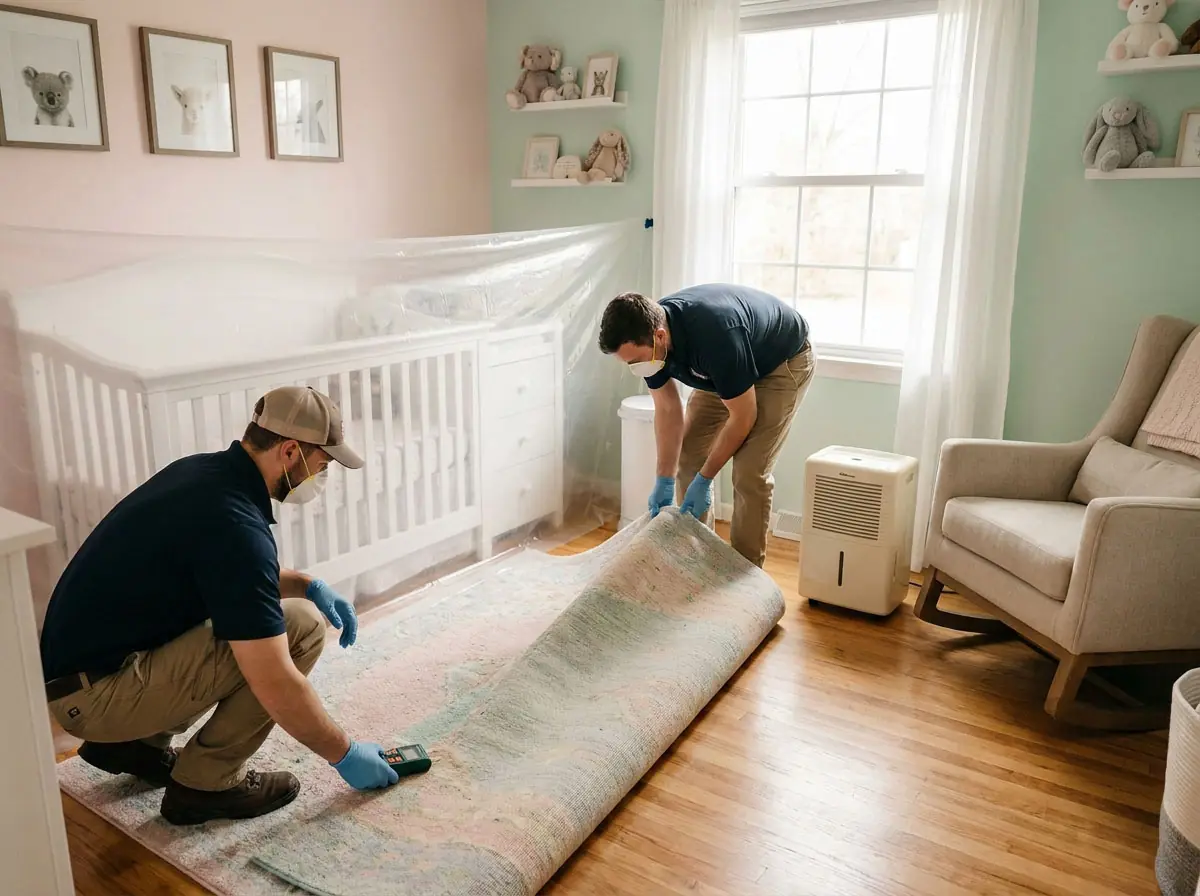
Professional restoration follows a strict protocol that standard shop-vacs and box fans simply cannot replicate. We use moisture mapping to locate hidden saturation points before they lead to warped floorboards or rotting framing.
The Science of Proper Moisture Control
True structural drying relies on balancing three key factors: airflow, heat, and humidity control. Without industrial-grade dehumidifiers, the air in your basement quickly reaches its saturation point.
Once the air is heavy with moisture, it stops pulling water out of your building materials. Instead, your walls act like a sponge, soaking up that humidity and holding onto it for months.
- Targeted Airflow: High-velocity fans push air directly against structural surfaces to force evaporation.
- Dehumidification: Commercial units pull liters of water from the air to keep the drying cycle moving.
- Continuous Monitoring: We check moisture levels daily to ensure your home reaches dry-standard safely.
Stopping at the surface is a guaranteed way to invite expensive secondary damage. If you want to avoid long-term structural failure, you must dry the material from the inside out.
The True Cost of Neglect: A Real-World Omaha Flood Restoration Case Study
Consider the story of a homeowner in the West Dodge area who tried to handle a basement flood with a shop vac and a few rental fans. They spent three days thinking the carpet was dry because the surface felt firm to the touch.
By the time they called us, the subfloor had absorbed moisture like a sponge, and toxic mold colonies were already thriving behind the drywall. What should have been a minor mitigation bill turned into a full-scale renovation, costing them five times more than if they had called a pro immediately.
The lesson here is simple: moisture hides in places you cannot see. When water sits, it wages a silent war against your home foundation, floor joists, and drywall.
Warning Signs of Hidden Moisture
- Musty odors that persist even after the floors appear dry.
- Peeling paint or bubbling wallpaper near the baseboards.
- Hardware or metal surfaces showing sudden signs of rust.
- Warped floorboards or ceramic tiles that feel loose.
Waiting even forty-eight hours to perform professional extraction gives microbes the perfect environment to settle in. You are not just paying for drying; you are paying to stop a biological growth cycle that destroys your property value from the inside out.
Comparing Restoration Methods: A Comprehensive Cost Breakdown Table
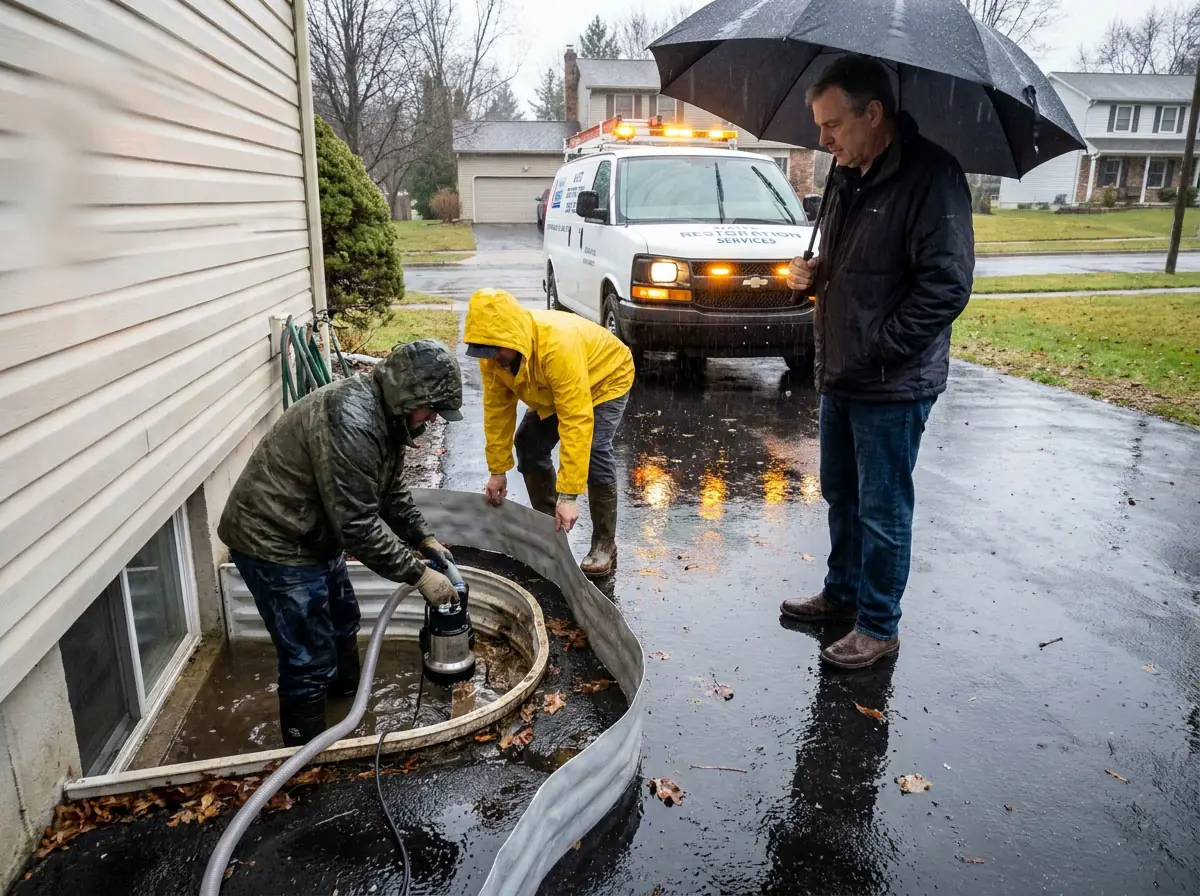
Most Omaha homeowners make the mistake of assuming a shop vac and a box fan constitute a restoration plan. This DIY approach is a financial trap because it misses deep moisture trapped in floor joists and subflooring.
Professional restoration is not just about moving air; it is about certified moisture mapping and industrial-grade desiccant dehumidification. If you skip these steps, you are essentially paying for a cosmetic fix while the structure rots from the inside out.
| Factor | DIY Approach | Professional Restoration |
|---|---|---|
| Initial Cost | Low (Equipment Rental) | Moderate (Service Fee) |
| Moisture Detection | None (Surface only) | Advanced Thermal Imaging |
| Drying Speed | Slow (Days to Weeks) | Rapid (Hours to Days) |
| Mold Risk | Very High | Near Zero |
| Long-term Value | Property Depreciation | Value Retention/Restoration |
Choosing the professional route protects your greatest asset from the silent killers of flood damage. While the upfront quote might seem higher, the avoidance of future mold remediation and structural repairs makes it the smarter play for your wallet.
Consider the hidden costs of doing it yourself:
- Repeated equipment rental fees that add up over weeks of drying.
- The eventual expense of gutting walls due to undetected rot.
- Increased insurance premiums from a poorly documented DIY disaster.
- The loss of personal time spent monitoring equipment instead of living your life.
Professional Mitigation Tactics vs. Common Homeowner Errors
The biggest difference between a homeowner with a shop vac and a professional restoration crew is the science of psychrometry. Most residents in Omaha treat water damage like a simple mess to be mopped up, but moisture behaves like a gas, not just a liquid. It hides behind drywall, under floorboards, and inside the pores of your basement concrete.
When you attempt to dry your home with just a box fan, you are merely moving air around without pulling the moisture out of the materials. Professional mitigation requires specific industrial-grade equipment designed to force evaporation while simultaneously lowering the dew point in the room. If you skip this, you are literally inviting toxic mold colonies to start growing within 48 hours.
Key Differences in Response Tactics
- Water Extraction: Amateurs use household vacuums that miss deep-seated moisture. Pros use truck-mounted extraction units that pull water from deep within carpet pads and concrete cracks.
- Airflow Dynamics: Homeowners point fans at the wet spots. Experts set up a calculated air path to sweep moisture toward dehumidifiers.
- Monitoring: We don't guess if your house is dry. We use moisture meters to track the water content in studs and joists until they return to baseline levels.
If you choose to do this yourself, you are gambling with the structural integrity of your home. A professional team documents every step of the drying process, which is the exact evidence your insurance carrier demands before they sign off on a claim payout. Without these readings, you are essentially asking the insurance company to take your word for it, and we both know how that usually ends.
Securing Your Property and Your Peace of Mind
The aftermath of a flood is a high-stakes environment where your bank account is on the line. Every minute you wait to act, moisture creeps deeper into your flooring, walls, and foundation.
You have a narrow window to stop the damage before it becomes a permanent, expensive fixture of your home. Professional Flood Damage Restoration is not an optional luxury, it is an insurance policy against total property loss.
Protecting Your Asset
Stop looking for ways to cut corners and start focusing on protecting your investment. You need experts who can verify that the environment is truly dry, not just surface-level clean.
Here is what you should prioritize right now to regain control:
- Document every square inch of damage with clear, high-resolution photos for your adjuster.
- Shut off your main power supply immediately if water is touching electrical outlets.
- Contact a certified restoration team before you move furniture, as shifting wet items can spread contaminants.
Do not gamble with the structural integrity of your house. When you bring in a trained team, you are paying for certainty, not just labor.
They provide the scientific proof that your home is safe for your family. That is the only real way to sleep soundly after a disaster hits.
People Also Ask
Does homeowners insurance cover flood damage in Omaha?
Standard homeowners insurance policies typically exclude flood damage, requiring a separate policy through the National Flood program. It is essential to review your specific declarations page to understand your coverage limitations before a disaster occurs.How quickly does mold grow after a basement flood?
Mold can begin to colonize damp surfaces within 24 to 48 hours after water exposure. Rapid professional intervention is critical to stop fungal growth before it spreads through your HVAC system and structural materials.Is it safe to use a shop vac for basement flooding?
Using a standard shop vac for significant flooding is dangerous because of the risk of electrical shock in standing water. Furthermore, these machines lack the industrial suction power and HEPA filtration required to remove all moisture from deep within porous flooring materials.Why should I hire a professional for water damage?
Professional restoration teams use advanced moisture detection tools and commercial grade dehumidifiers to ensure the structure is completely dry. Without these tools, hidden pockets of moisture remain, which often leads to dry rot, structural instability, and long term health hazards.What is the first step after discovering flood damage?
Your immediate priority is to ensure the safety of your family by turning off the electricity and avoiding contact with contaminated water. Once you are safe, document the damage with photos and contact a certified restoration expert to begin the mitigation process.Need Water Damage Restoration Services?
We provide rapid emergency water extraction and structural drying to restore your property in Omaha and surrounding areas (68102, 68106, 68114, 68124, 68130). Our team arrives quickly to mitigate damage and secure your home or business after water intrusion.
Request Price Estimate