


⚡ TL;DR: Oakland homeowners can avoid expensive property damage by learning why professional mold remediation techniques are necessary to address hidden moisture sources and prevent dangerous spore spread effectively.
📋 What You’ll Learn
Navigating mold remediation in Oakland requires precision and local knowledge. This guide identifies critical errors to help you protect your property and ensure a healthy, spore-free living environment for your family.
- Understand why bleach fails to kill mold because it only whitens the surface while leaving deep root structures intact, which often leads to rapid and aggressive regrowth across your walls.
- Prevent harmful cross-contamination during cleanup by using proper containment strategies that stop mold spores from traveling through your ventilation system and affecting unaffected rooms in your Oakland home.
- Identify hidden moisture sources behind growth to ensure you solve the root cause of your mold issue instead of just scrubbing away the symptoms of a deeper structural leak.
- Recognize when professional equipment is required so you avoid using weak household vacuums that can actually blast dangerous mold spores back into the air you and your family breathe.
📖 Reading time: 7 min
✍️ Author expertise: Oakland restoration specialist with decades of hands-on experience handling local mold mitigation projects.
You find a patch of black fuzz in the corner of your basement, and your gut reaction is to grab a spray bottle of bleach and scrub it away. Stop right there, because you might be making the exact move that turns a minor annoyance into a full-blown health crisis for your family.
Mold in Oakland homes isn't just an eyesore; it’s a living, breathing organism that reacts aggressively when threatened by the wrong DIY tactics. If you handle this like a weekend cleaning project, you are likely spreading millions of invisible spores into the air your kids breathe every single night.
Most property owners think they are solving the problem, but they are actually feeding the growth and locking the moisture deep into their walls. Before you pick up that rag or call in a buddy with a shop vac, check out these five critical mistakes that could cost you thousands in unnecessary repairs.
The Bleach Fallacy and Why Harsh Chemicals Fail
Most Oakland homeowners reach for the bleach because it is cheap and readily available. They assume that if it kills the germs in the bathroom, it will kill the mold on the drywall.
This is a dangerous misconception that often makes the problem worse. Bleach is water based, and porous materials like wood or drywall soak up the liquid while leaving the toxic mold roots untouched beneath the surface.
Think of it like cutting the head off a weed while leaving the roots in the soil. You might see a clean surface for a few days, but the mold will return with a vengeance because you just gave it a fresh drink of water.
Here is why bleach fails during professional remediation:
- It cannot penetrate porous surfaces to kill the root system of the mold colony.
- The high water content provides the exact hydration mold needs to grow back faster.
- Chemical fumes from mixing household cleaners can create toxic air quality that irritates your lungs.
- EPA guidelines no longer recommend bleach for routine mold removal because it is simply not effective on porous structures.
Using harsh chemicals only creates a false sense of security. You are scrubbing away the pigment while the active colonies continue to thrive deep inside your building materials. Instead of chasing stains with bleach, you need to focus on removing the infested materials entirely to stop the cycle of growth.
Improper Containment and the Danger of Spore Cross-Contamination
Most Oakland homeowners treat mold like dirt, scrubbing it vigorously with a rag or vacuuming it up. This is a massive error. When you disturb a mold colony without a sealed environment, you trigger a defensive release of millions of microscopic spores.
These spores travel through your HVAC system or drift on simple air currents into your bedrooms and kitchen. Once they land on new organic material, they begin the colonization process all over again. You are essentially turning a localized issue into a house-wide infestation.
The Risks of Failing to Contain the Growth
Professional remediation relies on negative air pressure and physical barriers to ensure no spores leave the work area. If you skip this step, you expose your family to dangerous levels of contaminants. Consider these consequences of poor containment:
- Cross-contamination of your HVAC system, forcing expensive duct cleaning.
- Spreading mold colonies to untouched rooms through airflow.
- Tracking spores throughout the house on your clothing or shoes.
- Increased health risks as airborne spore counts skyrocket during cleanup.
Containment isn't just about plastic sheets; it is about total isolation. Professionals use HEPA-filtered air scrubbers to trap spores while the work is performed. If you aren't creating a sealed zone, you are actively inviting the mold to move into the rest of your home.
Ignoring the Hidden Moisture Source Behind the Bloom
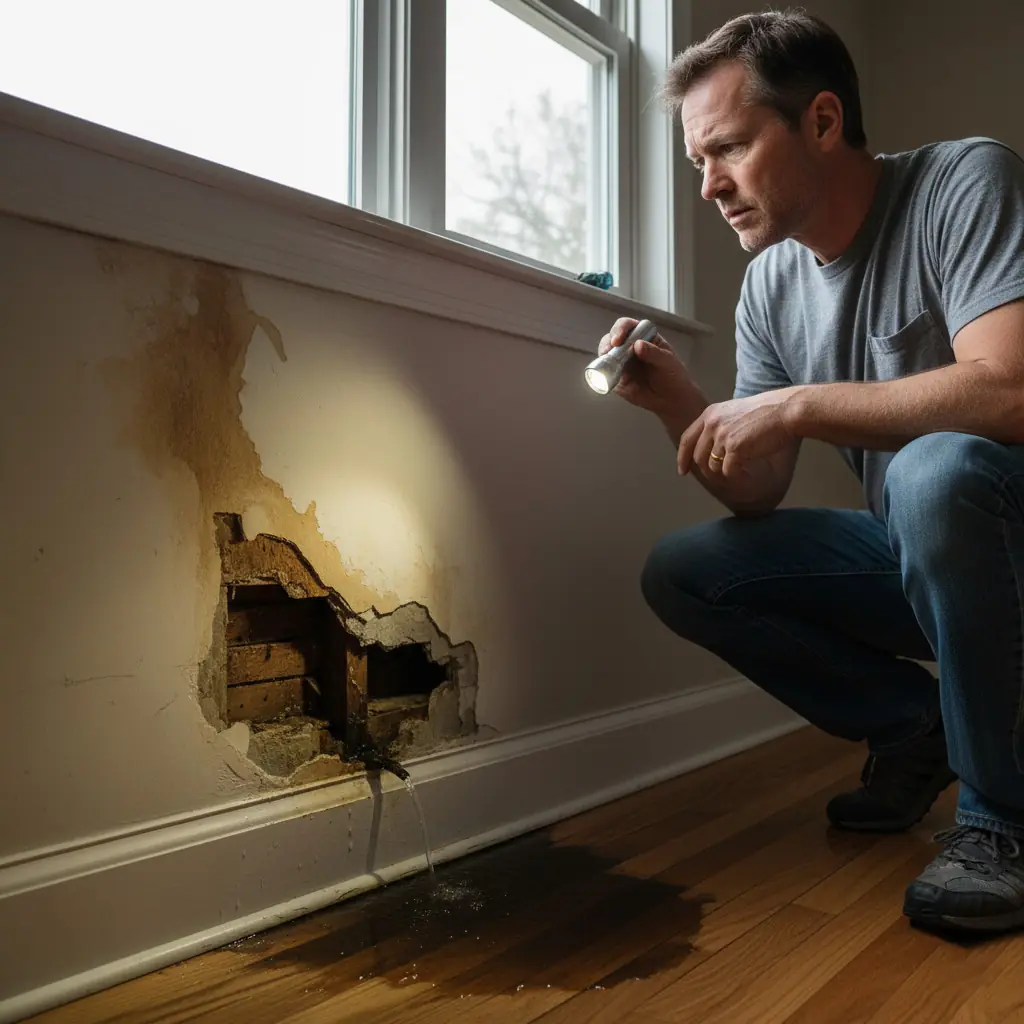
Most Oakland homeowners treat mold like a surface stain on a shirt. They wipe away the visible fuzz and think the job is done, but they are ignoring the leaking heart of the issue. Mold does not grow without a constant water supply.
If you clean the mold but leave the source of moisture, you are simply hosting a recurring nightmare. The mold will return within days, often more aggressive than before. You must find the culprit behind the wall or under the floorboards to stop the cycle for good.
Common Culprits of Hidden Moisture in Oakland Homes
Old Victorian homes and newer builds in the Bay Area share one common enemy: trapped water. Whether it is a slow pinhole leak in a copper pipe or condensation from a poorly vented bathroom, moisture acts as fuel. Keep an eye out for these frequent offenders:
- Leaking plumbing lines hidden behind drywall or kitchen cabinets.
- Slow roof leaks that manifest as water stains on your ceiling.
- High humidity levels in poorly ventilated crawl spaces or basements.
- Condensation buildup around drafty window frames.
- Improper exterior drainage that forces water into your foundation.
Do not simply paint over the spot or scrub it clean and walk away. Unless you cut off the water supply, the mold will continue to feast on your drywall and studs. True remediation requires fixing the moisture source, drying the structural materials, and then clearing the growth. Anything less is just a temporary fix that wastes your time and money.
Misusing Standard Household Equipment for Professional Tasks
Most Oakland homeowners assume their trusty shop vacuum or household dehumidifier can handle a mold outbreak. This is a dangerous misconception that often results in widespread spore distribution throughout your home.
A standard shop vac is not designed to capture microscopic mold spores. Instead of cleaning the area, these vacuums act like giant blowers, sucking in spores and shooting them out through the exhaust port and back into your indoor air.
You aren't cleaning; you are actively cross-contaminating your living room, bedrooms, and ventilation system. Professional restoration companies use HEPA filtered equipment that traps 99.97% of particles down to 0.3 microns.
Why Household Tools Fail
- Standard Vacuums: They lack the high-efficiency filtration required to stop tiny spores, turning your carpet into a distribution hub for mold.
- Box Fans: Using fans to dry a moldy area simply picks up spores and pushes them into clean, unaffected rooms.
- Household Dehumidifiers: These units lack the industrial capacity to pull moisture from deep inside porous drywall or wooden studs.
- Over-the-Counter Sprays: Most store-bought cleaners only treat the surface and leave the root structure intact.
Attempting to use equipment you bought at a local hardware store is like trying to put out a forest fire with a garden hose. You are only scratching the surface while the real damage continues to grow unseen inside your structural framing.
If you don't use high-grade air scrubbers and industrial-strength drying systems, you aren't fixing the problem. You are just rearranging the mess and letting the mold colonize new territory while you sleep.

Oakland Remediation Reality: A Case Study in Hidden Structural Damage
I recently walked into a charming bungalow in the Oakland Hills where the owner thought he had solved his mold problem with a simple dehumidifier. On the surface, the drywall looked clean, but a quick inspection with thermal imaging revealed the truth hidden behind the baseboards.
The moisture had traveled upward through the wood framing, rotting the sill plate that supports the entire structure of the bedroom wall. While the owner saved a few hundred dollars on DIY supplies, he unknowingly invited structural compromise that eventually required a multi-thousand dollar repair bill.
The reality is that your home is a complex system. When water hits the wrong spot, it doesn't just sit there. It seeks out organic material like wood studs and insulation, turning them into a buffet for mold colonies.
The Real Costs of DIY Failure
When you ignore what is happening inside the walls, the damage compounds rapidly. Here is a breakdown of what happens when minor mold is treated as a cleaning chore instead of a structural repair project:
| Issue Type | DIY Impact | Professional Outcome |
|---|---|---|
| Mold Spread | High Risk | Contained |
| Wood Rot | Undetected | Remediated |
| Air Quality | Toxic | Cleaned |
| Repair Cost | Exponential | Controlled |
This Oakland case study proves that mold is rarely just a surface issue. If you fail to identify the root of the water intrusion, the mold will return within weeks, often stronger than before.
You need to look for these warning signs that indicate the problem has moved from a simple surface bloom into the structure of your home:
- Peeling or bubbling paint on walls without obvious leaks.
- Soft or spongy flooring near showers or windows.
- A persistent, musty odor that persists after you scrub the area.
- Visible stains on the ceiling that return after being painted over.
Mold Remediation Cost and Assessment Breakdown Table
Thinking you can save a few bucks by scrubbing the mold yourself is a classic trap. Most homeowners underestimate the hidden costs of a DIY attempt gone wrong, like the price of specialized testing, air filtration, and structural repairs that arise when a small problem goes systemic.
| Service Level | Estimated Cost Range | Typical Scope |
|---|---|---|
| Professional Assessment | $300 - $600 | Moisture mapping and air quality sampling |
| Minor Remediation | $1,500 - $3,500 | Localized containment and surface treatment |
| Major Remediation | $4,000 - $10,000+ | Full structural tear-out and sanitation |
| Post-Remediation Testing | $400 - $800 | Verification of safe spore counts |
Professional remediation costs vary based on the extent of the intrusion and the materials affected. You are paying for more than just labor; you are paying for the safety equipment, HEPA-grade air scrubbers, and the liability coverage that protects your biggest investment.
Consider these cost factors when looking at your quote:
- The square footage of the impacted area.
- Accessibility of the mold, such as behind cabinets or inside crawl spaces.
- The need for dehumidification to prevent future outbreaks.
- Replacement costs for porous items like drywall, insulation, or carpeting.
When to Call the Professionals for Your Oakland Property
There comes a moment when a DIY fix stops being a thrifty choice and starts becoming a massive liability. If you see mold coverage exceeding ten square feet, you are no longer dealing with a surface stain; you are staring at a structural hazard that requires industrial-grade mitigation.
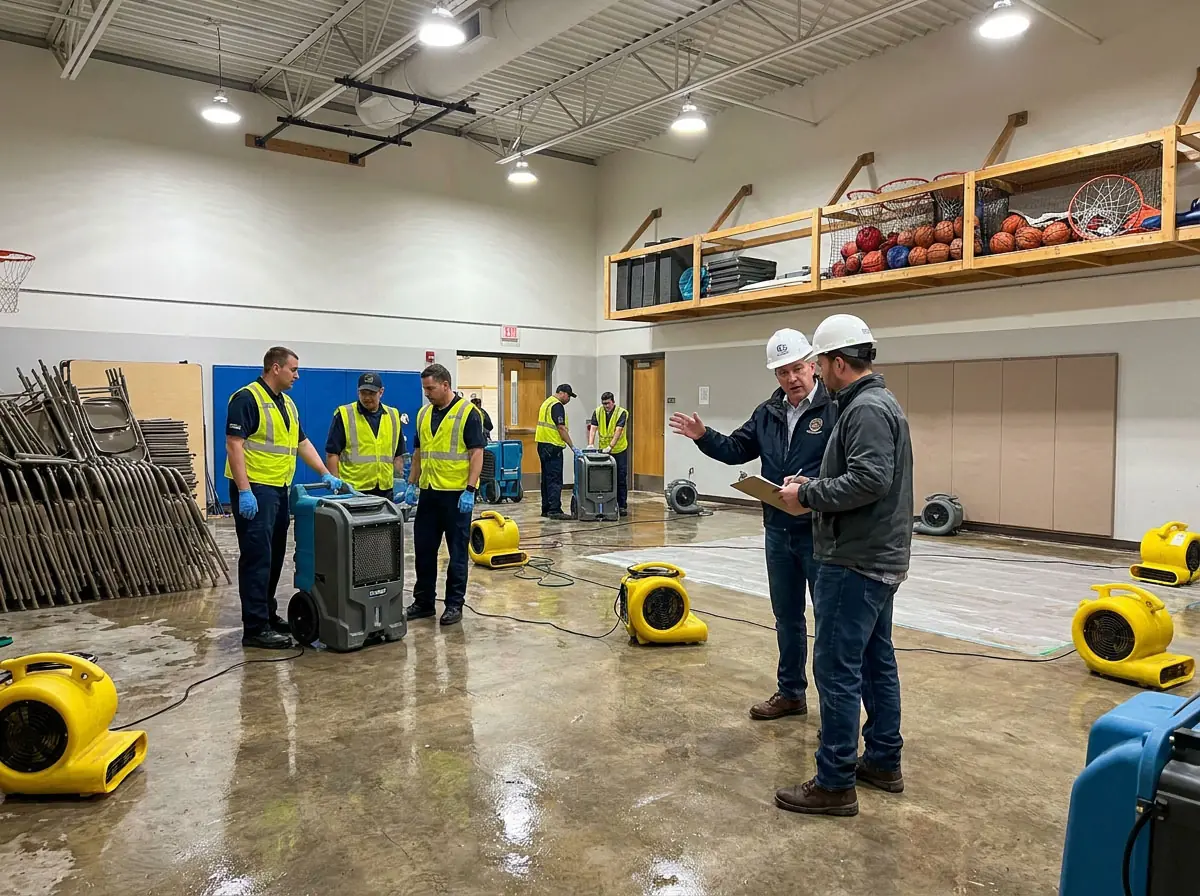
Professional Mold Remediation teams possess the negative air machines and HEPA filtration systems that household vacuums simply lack. These tools scrub the air of microscopic spores that would otherwise settle into your carpet, upholstery, and air ducts.
Signs You Need Immediate Expert Intervention
- Visible growth inside your HVAC vents or return registers.
- Recurring mold that returns shortly after you wiped it away.
- Water damage originating from sewage backups or contaminated gray water.
- Chronic respiratory issues or allergic reactions that only flare up inside the home.
- Structural warping, soft drywall, or damp floorboards near the bloom.
Attempting to cut corners on a mold infestation is a dangerous gamble with your property value. We have seen too many Oakland homeowners spend thousands correcting the mistakes of a failed DIY cleanup that pushed the mold deeper into the wall cavity.
When you hire a certified team, you are paying for containment integrity and peace of mind. We isolate the work area, extract the moisture at the source, and use moisture mapping technology to ensure nothing is left behind to feed a new colony.
People Also Ask
Is it safe to clean mold yourself in an Oakland home?
Cleaning small, non-porous surfaces is possible, but DIY remediation often fails to address the root moisture issue. If the mold covers a large area, professional intervention is necessary to prevent health risks and recurring growth.Does homeowners insurance cover mold removal in California?
Most standard homeowners insurance policies in California do not cover mold damage unless it is the direct result of a covered peril like a sudden pipe burst. You should review your specific policy documents to understand your coverage limitations.How do I know if I have toxic mold in my property?
Visible mold growth and persistent musty odors are common indicators of a potential infestation. To learn more about identifying risks in your indoor environment, consult the EPA guidelines for mold cleanup and prevention.Why does mold keep coming back after I scrub it?
Mold typically returns because the underlying moisture source was not addressed or the spores were not properly removed from porous materials. Effective remediation requires professional equipment to dry the structure and extract spores at the source.What are the legal requirements for mold disclosure in Oakland?
California law requires sellers to disclose known environmental hazards, including mold, to potential buyers during a real estate transaction. Failing to disclose a documented mold history can lead to significant legal liability and financial disputes.Need Water Damage Restoration Services?
We provide rapid emergency water extraction and structural drying to restore your property in Oakland and surrounding communities. Our expert team responds immediately to mitigate damage and secure your home or business (94601, 94606, 94607, 94611, 94612).
Request An Estimate