
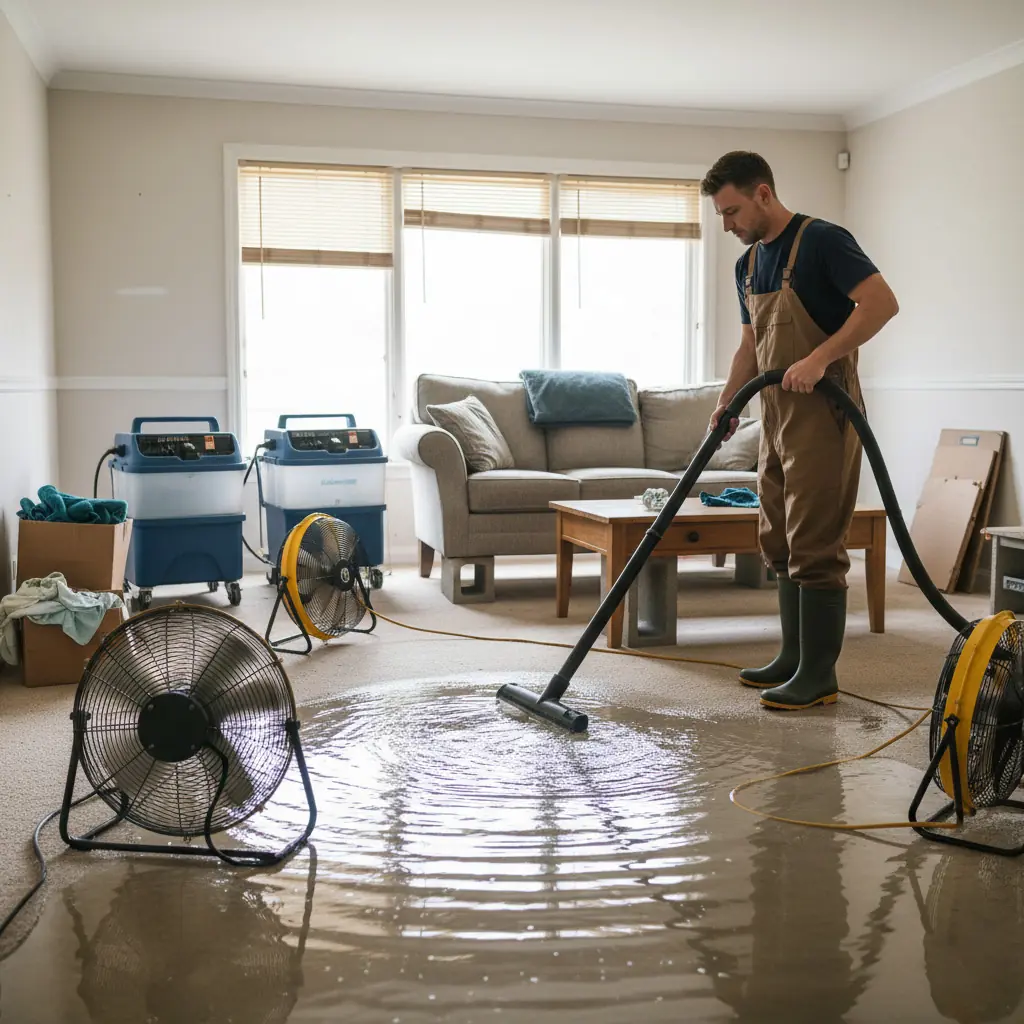


⚡ TL;DR: To ensure your health and home remain protected, you must hire certified experts for sewage backup cleanup in New Orleans rather than attempting risky DIY remediation methods alone.
📋 What You’ll Learn
Dealing with a sewage backup in New Orleans requires immediate action to protect your property and health. Discover why professional remediation is the only way to ensure your home remains safe.
- Identify dangerous biohazards hiding in your home by learning how raw sewage introduces toxic bacteria and pathogens that standard household cleaners simply cannot eliminate from porous building materials.
- Implement crucial safety steps while waiting for help so you can protect your family from contamination and prevent the spread of pollutants throughout your living space during emergencies.
- Understand the risks of attempting DIY cleanup by comparing common amateur methods against the rigorous industry standards required for full decontamination and restoration of New Orleans property.
- Navigate the insurance claims process with confidence by gathering the necessary documentation and evidence required to successfully file for recovery after a major sewer line failure event.
📖 Reading time: 7 min
✍️ Author expertise: New Orleans water damage specialist with decades of field experience mitigating sewage disasters.
You wake up to the smell. It starts as a faint, sour musk in the hallway, but within minutes, it becomes an undeniable, stomach-turning reality: raw sewage is bubbling up through your drains.
In a city built below sea level like New Orleans, a sewer backup is not just a messy plumbing glitch. It is a toxic emergency that puts your health and your foundation at immediate risk.
Many homeowners think they can scrub their way out of this with a bucket of bleach and a pair of rubber gloves. That is a dangerous mistake that could cost you your family’s safety and thousands in long-term property damage.
Here is why playing the amateur hero in this situation is the worst gamble you can make, and exactly what you need to do to stop the contamination before it spreads.
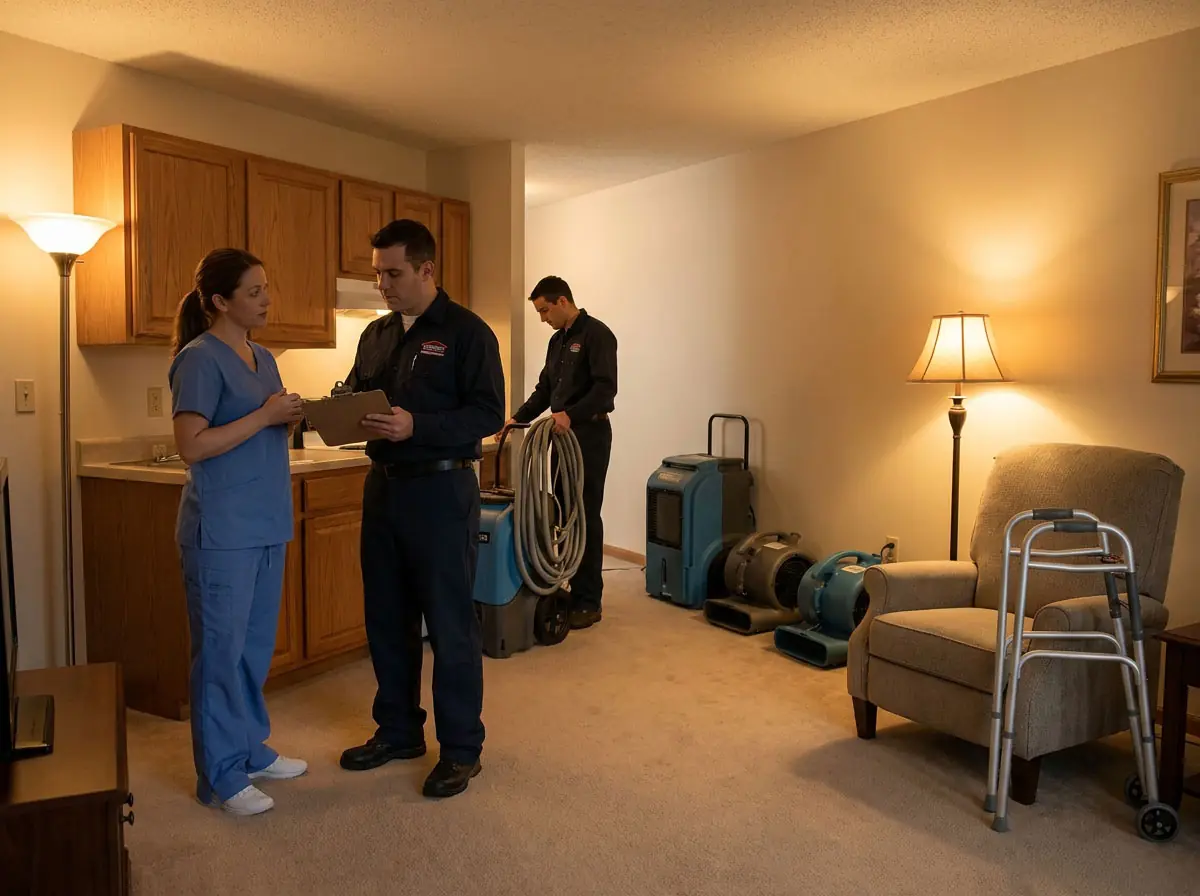
The Hidden Biohazards Lurking in Your New Orleans Home
When sewage backs up, you are dealing with Category 3 water, also known as black water. This is not just dirty water; it is a toxic soup teeming with bacteria, viruses, and parasites that thrive in our humid Louisiana climate.
Microbes like E. coli, Salmonella, and Giardia can become airborne or soak into your floorboards in a matter of hours. These pathogens do not wait for you to finish scrubbing. They begin colonizing your walls, carpets, and air ducts the moment they touch your flooring.
Exposure to these contaminants leads to severe health consequences that many homeowners underestimate. You are risking:
- Acute respiratory infections from inhaling mold spores and aerosolized waste.
- Serious skin infections and rashes from direct contact with contaminated surfaces.
- Gastrointestinal illnesses caused by bacteria migrating to your kitchen and living areas.
The moisture levels in New Orleans act as a force multiplier for this damage. Because our homes often deal with high ambient humidity, the sewage saturation does not dry out on its own. Instead, it creates the perfect breeding ground for secondary microbial growth that can compromise your home structure for months to come.
Do not be fooled by clear floors. The real danger is often trapped inside your drywall or beneath your tile, where the waste is still active and multiplying. You cannot see these microscopic threats, but they are certainly there.
Immediate Steps to Take While Awaiting Professional Intervention
When you spot raw sewage, your primary goal is containment and safety. Do not touch the standing liquid, as it is teeming with pathogens like E. coli, salmonella, and rotavirus that can enter your system through simple skin contact or airborne droplets.
Follow these quick safety protocols to protect your home while help is on the way:
- Turn off the main water supply to stop additional flow into the compromised drains.
- Evacuate all family members and pets from the contaminated zone immediately.
- Do not attempt to flush toilets or run sinks in any part of the house.
- Avoid turning on electrical appliances if the water is near wall outlets or floor fixtures to prevent shock hazards.
- Keep windows closed to prevent cross-contamination of air, but use a high-powered fan if it is situated to blow outward from the room toward the exterior.
Once you have secured the area, focus on documentation. Before the remediation crew arrives, take photos or videos of the affected rooms and damaged belongings from a safe distance.
This evidence is vital for your insurance carrier later on. If you must move through the area to reach an exit, wear high-quality rubber boots and gloves, but change into fresh clothes the moment you step outside to avoid tracking waste into clean parts of your property or your car.
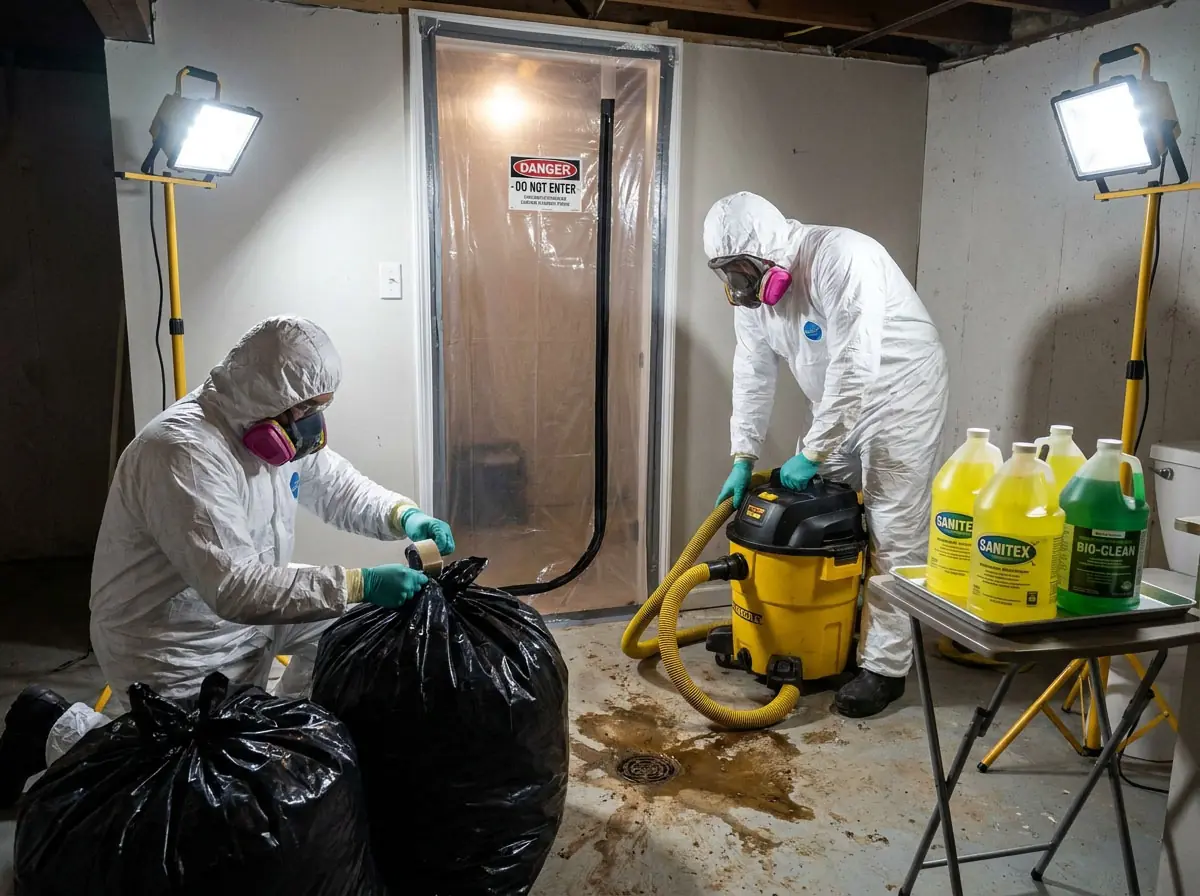
The Critical Difference Between DIY Cleaning and Professional Remediation
Let’s be brutally honest: your store-bought disinfectant and a sponge are no match for category three black water. Professional remediation is not just about scrubbing surfaces; it is about eradicating microscopic pathogens that you cannot see.
When you tackle this yourself, you are likely spreading fecal matter, E. coli, and parasites deeper into your flooring and wall cavities. Experts use industrial-grade containment and high-capacity HEPA air scrubbers to trap contaminants before they settle into your HVAC system.
Consider the stark difference between a quick wipe-down and a scientific approach:
- Professional remediation uses hospital-grade biocides that kill viruses at the molecular level.
- DIY methods often push bacteria deeper into porous surfaces like drywall, insulation, and wood subflooring.
- Proper containment prevents toxic mold spores from circulating throughout your entire New Orleans home.
- Qualified teams follow IICRC standards to document the moisture levels, ensuring no damp pockets remain to trigger future rot.
Ignoring these professional protocols is a recipe for recurring health issues and compromised indoor air quality. If you miss even a small section of affected material, you are essentially leaving a breeding ground for toxic microbial growth inside your walls.
Sewage Mitigation Process: A Comparative Table of Standards vs. Amateur Efforts
When raw sewage invades your New Orleans property, you are dealing with Category 3 black water. This is not just dirty water; it is a hazardous cocktail of bacteria, viruses, and parasites that demands specific industrial protocols to neutralize.
| Feature | Amateur Cleanup | Professional Standards |
|---|---|---|
| Safety Gear | Household Gloves | Full Hazmat/Respirators |
| Pathogen Removal | Surface Scrubbing | EPA-Registered Antimicrobials |
| Moisture Control | Standard Fans | Industrial Dehumidification |
| Contamination Scope | Visible Mess Only | Total Microbial Testing |
| Documentation | None | Certified Recovery Logs |
Amateur attempts often fail because they ignore the hidden migration of waste. Sewage travels behind baseboards, under floorboards, and through wall cavities where you cannot see it.
If you miss these pockets, you are essentially leaving a breeding ground for toxic mold and future health issues. Professionals use specialized equipment to map out moisture content and ensure that every microscopic threat is eradicated.
The Professional Advantage
Cleaning sewage is about chemistry and containment, not just physical labor. We follow strict, industry-wide standards to ensure your home is actually safe to live in again.
- Containment Zones: We use negative air pressure to stop spores from moving into clean areas of your house.
- High-Velocity Drying: Rapid drying prevents secondary damage that often ruins hardwood floors and cabinetry.
- Sanitization Cycles: We apply hospital-grade disinfectants that kill bacteria on contact, something a generic bucket of bleach simply cannot match.
Trying to do this yourself is a gamble with your health. Don't risk permanent contamination of your structure by guessing how to treat a biohazard.

Success in the Crescent City: A Case Study of a Historic French Quarter Restoration
Consider a 200-year-old Creole cottage in the heart of the French Quarter that recently faced a catastrophic sewer line collapse. The structure featured original cypress floors and intricate plasterwork that act like a sponge for toxic contaminants.
Most cleaners would have simply mopped the surface and sprayed a scented masking agent. Instead, our team recognized that the porous building materials had already absorbed pathogens that could cause long-term mold growth or illness.
The Restoration Strategy
We implemented a rigorous containment strategy to save the historic architecture. By stripping the bottom layers of drywall and utilizing specialized drying equipment, we prevented the structural rot that usually claims these properties after a flood.
- Removed all contaminated non-porous items to stop cross-contamination.
- Applied hospital-grade disinfectants to all surviving structural beams.
- Maintained constant negative air pressure to keep spores from traveling to other rooms.
- Restored the integrity of the subfloor before replacing the antique wood finish.
The result was a total sanitation of the home that kept the historical character intact. We finished the job without a single trace of the original waste left behind, ensuring the family could return to a safe and healthy environment.
Navigating Insurance Claims and Documentation for Sewer Contamination
Dealing with a sewer backup in New Orleans is stressful enough without the added headache of fighting your insurance provider for coverage. Insurance adjusters are trained to minimize payouts; they look for any reason to claim that the damage was due to lack of maintenance or simple wear and tear.
To win your claim, you must treat your property like a crime scene. Every inch of contaminated material must be accounted for before it hits the dumpster.
Use this list to ensure your documentation holds up under scrutiny:
- Take high-resolution photos and video of the standing sewage before anyone starts cleaning.
- Save physical samples of ruined carpets or baseboards if the adjuster requests proof of contamination.
- Maintain a detailed log of every conversation with your insurance agent, including names, dates, and specific promises made.
- Demand a comprehensive itemized invoice from your restoration professional that clearly distinguishes between emergency extraction and long-term mold mitigation.
Insurance companies often try to classify sewage backups under restrictive "water damage" policies rather than "sewer backup" coverage, which usually carries a higher payout. Do not let them bury you in fine print. Because sewage cleanup is classified as a Category 3 hazard, you are entitled to professional-grade restoration that meets health safety standards, not just a surface-level wipe-down.
If you have hired a reputable restoration firm, they will act as your advocate during this process. A professional company does this every day; they know exactly what language and documentation the adjusters need to approve your claim without delay.
Final Words
A sewer backup in your home is not a weekend chore you can tackle with a mop and some determination. The moment you spot contaminated water, you are dealing with a Category 3 loss that demands specialized industrial equipment and medical-grade sanitization protocols.
Choosing to ignore the scale of the threat is a gamble against your health. Our team is trained to stop the spread of dangerous pathogens before they settle into the porous surfaces of your walls and floors.
When the stakes include the structural integrity of your property and your family's safety, professional help is the only logical choice. You need a team that understands the local New Orleans infrastructure and the specific risks we face in the Crescent City.
If you find yourself facing this nightmare, do not wait for the contamination to worsen. Take action immediately by reaching out to our experts in Sewage Backup Cleanup to secure your home.
What our process guarantees:
- Full containment of the contamination zone to protect unaffected areas.
- Professional removal of all hazardous waste using legal disposal methods.
- Deep sanitization using hospital-grade disinfectants.
- Structural drying to prevent mold growth and long-term damage.
We are ready to move quickly because we know that time is your biggest enemy during a sewage emergency. Stop the bleeding, clear the mess, and restore your peace of mind by trusting those who handle this threat every single day.
People Also Ask
Is sewage backup in my home considered a health emergency?
Yes, raw sewage contains dangerous pathogens, bacteria, and viruses that pose severe health risks to your family. You must treat any sewage spill as a biohazard requiring immediate isolation and professional sanitation.Can I clean up a small sewer overflow on my own?
Standard household cleaners are generally insufficient to neutralize the high level of contaminants found in sewage. According to the CDC guidelines, improper handling of contaminated materials can lead to the spread of illness throughout your living space.Why is New Orleans prone to sewer backup issues?
New Orleans faces unique challenges due to its low elevation, high water table, and aging municipal infrastructure. These factors, combined with frequent heavy rainfall, put significant strain on the sewer system and increase the likelihood of residential backups.Does homeowners insurance cover sewage backup cleanup in Louisiana?
Coverage for sewage backups is often excluded from standard policies and typically requires a specific endorsement or rider. You should carefully review your policy documents and document all damage immediately to assist with potential insurance claims.How long does professional sewage remediation take?
The timeline depends on the extent of the contamination and the types of materials affected by the waste. Professional teams focus on structural drying and microbial decontamination to ensure your home is restored to a safe, sanitary condition as quickly as possible.Need Water Damage Restoration Services?
We provide rapid emergency water extraction and structural drying to restore your property throughout New Orleans and surrounding areas (70112, 70115, 70118, 70124, 70001). Our team arrives quickly to mitigate damage and return your home or business to pre-loss condition.
Request Service Quote