


⚡ TL;DR: This comprehensive guide helps Naperville homeowners identify water sources, contain immediate leaks, and determine whether professional ceiling water damage repair or simple patching is necessary for their property.
📋 What You’ll Learn
Discover how to address ceiling water damage in Naperville with our expert guide. We cover everything from identifying the hidden source of leaks to restoring your home’s value after water intrusion.
- Locate the source of leaks by following our systematic approach to uncovering hidden moisture behind drywall, preventing further degradation of your home's structural integrity in Naperville's climate.
- Implement immediate containment strategies to stop spreading moisture, protecting your flooring and furniture from secondary water damage while you prepare for a more permanent repair solution for your property.
- Evaluate the severity of damage using our comparison guide, which helps you distinguish between simple cosmetic stains and deep structural issues that require professional intervention and specialized drying equipment.
- Decide between DIY and professional repair by understanding the risks associated with improper patching, ensuring your ceiling remains mold free, stable, and aesthetically pleasing for years to come.
📖 Reading time: 7 min
✍️ Author expertise: Naperville water restoration professional with fifteen years of hands-on property repair experience.
You wake up to the soft, rhythmic drip of water hitting your hardwood floor, only to look up and see a sickening, bloated yellow stain spreading across your ceiling like a plague. That patch of drywall isn't just an eyesore; it is a ticking time bomb for mold, structural rot, and a repair bill that could easily climb into the thousands if you hesitate for even an hour.
Naperville homes deal with enough weather stress, but an internal leak is a different animal entirely. Ignoring that wet spot or trying to slap a coat of paint over it is a recipe for disaster that will leave your home compromised.
If you want to stop the damage from claiming your ceiling and protect your property value, you need to know exactly how to hunt down the source and shut it down. Here is how you can kill the problem at the root before your ceiling decides to drop into the living room.

Pinpointing the Hidden Source of Your Naperville Ceiling Leak
Most homeowners assume the leak is directly above the stain, but water is a master of deception. It often travels along rafters, pipes, or electrical wiring for several feet before finally pooling on your drywall. You need to stop looking at the stain and start looking for the true path of travel.
If your bathroom is located on the second floor, the tub drain or a loose toilet seal is the usual suspect. In Naperville, older homes often hide plumbing issues behind finished walls where they can fester for months unnoticed. To find the real culprit, check these areas first:
- Inspect the attic space above the stain for roof flashing failures or damaged shingles.
- Run your plumbing fixtures one by one to see if the dripping frequency changes.
- Look for damp insulation, which acts as a sponge and reveals exactly where the moisture is originating.
If the ceiling feels spongy to the touch, you are dealing with significant water accumulation. Never stick your head directly under a sagging ceiling to investigate. Pressure from trapped water can cause the entire section to collapse suddenly, sending heavy, soaked debris crashing down.
Use a flashlight at an angle to spot surface ripples or discoloration in the paint. If you see active dripping, try to determine if it happens only when it rains or if it is constant, which points toward a supply line pipe. Identifying the pattern is the difference between a simple patch job and a costly reconstruction project.
Immediate Containment Steps to Prevent Secondary Water Damage
When you spot that telltale bulge in your ceiling, seconds matter more than hours. Your first move is to stop the flow of water before it wreaks havoc on your insulation, electrical wiring, and flooring.
Grab a bucket, a large plastic tarp, and a screwdriver. Move your furniture out of the room immediately to prevent permanent water staining or warped wood.
If you see the ceiling sagging or bubbling with water, do not let it sit. Take these quick steps to control the mess:
- Place a sturdy bucket directly under the drip point.
- Punch a small hole in the center of the blister using a screwdriver to drain the trapped water in a controlled stream.
- Cover nearby flooring with plastic sheeting or heavy towels to absorb splashback.
- Turn off the main water supply if you suspect a burst pipe is feeding the leak.
Stopping the water is only the first phase of the battle. You must realize that moisture travels fast through porous materials like drywall and wooden studs.
Leaving the area damp for even a few days invites mold spores to take root. If your ceiling is saturated, get a dehumidifier running in the room at full power immediately. Open all windows if the Naperville humidity allows, or rely on industrial fans to circulate air while you wait for a professional assessment.

Identifying Structural Warning Signs: A Comparison Table of Minor vs. Major Damage
Not every ceiling spot is an emergency, but you must learn to tell the difference between a superficial cosmetic issue and a hidden structural disaster. If you ignore the subtle cues your home provides, you are inviting rot, mold, and eventual collapse into your living room.
| Feature | Minor Damage | Major Structural Damage |
|---|---|---|
| Stain Size | Small, localized spot | Large, rapidly spreading bloom |
| Drywall State | Hard to the touch | Soft, spongy, or bowing |
| Structural Sound | None | Cracking or sagging joists |
| Moisture Source | Condensation or minor drip | Burst pipe or roof breach |
| Mold Presence | None | Visible black, fuzzy growth |
When you see sagging drywall or persistent dark rings, your ceiling joists are likely already saturated. This is the stage where the weight of the water weakens the very bones of your home; it is no longer just a stain, but a safety hazard that requires an immediate, professional inspection.
Look for these critical warning signs that the damage has moved beyond the surface:
- Water actually dripping from light fixtures or electrical outlets.
- The ceiling material feels like damp cardboard when you press on it.
- Visible cracks radiating from the center of the stain like spider webs.
- A musty, damp smell that lingers even after the spot appears dry.
Do not wait for the ceiling to fail completely before calling for help. If you notice even one of these major indicators, you need to clear the room and shut off the water source immediately.
Professional Remediation Protocols vs. DIY Patching Risks
Homeowners often try to save a buck by slapping some spackle over a water stain and painting it white. This is a dangerous mistake. You are merely burying the rot, allowing mold to colonize the hidden voids between your floors while the structural integrity of your ceiling beams quietly dissolves.
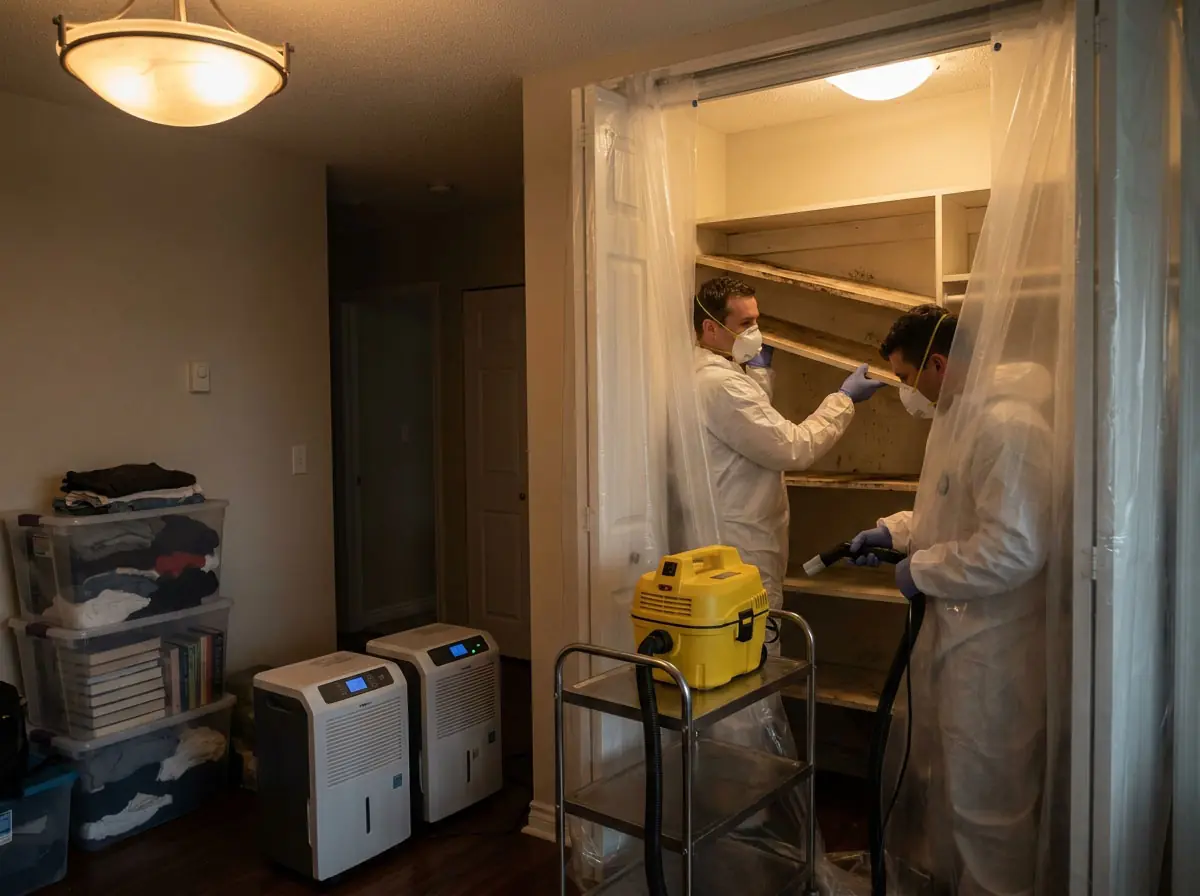
Professional water damage restoration follows a strict, scientific protocol that mere household tools cannot replicate. Our team doesn't just dry the surface; we perform a deep-tissue extraction of moisture to save your home from permanent damage.
- Thermal Imaging: We use infrared cameras to detect moisture pockets hidden behind insulation.
- Industrial Dehumidification: Standard fans move air, but our commercial units pull moisture directly out of building materials.
- Antimicrobial Treatment: We neutralize mold spores at the microscopic level to ensure they don't return next season.
DIY fixes often ignore the hidden biology of a leak. If you fail to address the moisture trapped inside the wall cavity, you are paying for a cosmetic upgrade on a foundation of decay. Professional remediation stops the clock on rot, while a patch job just lets the damage fester in the dark.
Restoring a Naperville Historic Home: A Case Study in Ceiling Reconstruction
Restoring a ceiling in a historic Naperville home requires a delicate touch. You are not just dealing with modern drywall; you are often working with original lath and plaster that has settled over a century. When water compromises these materials, you cannot simply cut a patch and walk away.
We recently handled a project in the historic district where a hidden pipe leak caused a significant ceiling sag. The goal was to maintain the authentic aesthetic while ensuring modern safety. We had to carefully stabilize the ceiling joists before removing the water damaged lath to prevent a structural collapse.
If you own an older property in Naperville, keep these specific reconstruction priorities in mind:
- Inspect the joists for dry rot before installing new materials.
- Ensure the new ceiling weight does not exceed the capacity of aging support beams.
- Match the original texture and finish to maintain the character of your home.
Replacing historic ceilings is a surgical operation. You must protect the surrounding trim and crown molding during the extraction phase. If you break the original millwork, you might find it impossible to replace with modern materials found in local supply stores.
Always verify that the moisture has been completely extracted from the cavity before sealing the area. If you trap moisture behind a new layer of plaster, you are essentially building a mold factory inside your living room ceiling. Take the extra time to dry the internal frame thoroughly, or you will be back to square one within a few months.
Protecting Your Property Value Through Long-Term Moisture Prevention
Your Naperville home is likely your biggest financial asset, and nothing eats away at that value faster than hidden moisture. When you fix a ceiling leak, the job does not end when the drywall is patched; you have to ensure the environment stays dry to prevent the wood joists from warping or rotting over time.
Most homeowners make the mistake of assuming the problem is gone once the drip stops. You need to be proactive about your home health to avoid a repeat performance that could drop your resale value by thousands.
Essential Prevention Checklist
Keeping your home dry requires a mix of routine maintenance and simple observation. Here are the steps to keep your ceiling safe from future water intrusion:
- Inspect your roof flashing and shingles every spring, especially after harsh Illinois winters.
- Ensure your attic insulation is properly vented so condensation does not build up on the underside of the roof deck.
- Check the plumbing lines in your bathrooms and kitchens for pinhole leaks or loose pipe fittings.
- Install a smart leak detector near high-risk areas like water heaters or laundry rooms.
- Clean your gutters regularly to prevent ice dams during the Naperville freeze cycle.
If you fail to keep up with these maintenance tasks, small issues will snowball into expensive structural repairs. Do not wait for a stain to reappear before you act; treating your home with consistent care today is the only way to safeguard your equity tomorrow.
Final Words
Your Naperville home is likely your biggest investment, and a ceiling leak is a direct threat to that equity. You cannot afford to play guessing games when moisture is actively breaking down your framing and inviting black mold to take root.
If you see even a small stain, treat it like an emergency. Whether you need a quick inspection or a complete structural overhaul, professional intervention is the only way to ensure the rot is gone for good.
Do not wait for the drywall to fail or for your utility bills to spike due to hidden pipe corrosion. For expert guidance and restoration, you can explore our full range of Ceiling Water Damage Repair solutions to restore your home to its original condition.
What You Must Remember
Acting fast saves you thousands in reconstruction costs later. Keep these rules in mind to protect your property:
- Stop the water source immediately by shutting off the main line if necessary.
- Never paint over a stain until the underlying moisture is 100% dried out.
- Document all damage for your insurance claims before you start moving items or clearing debris.
A proactive approach keeps your family safe and your home stable. If you are unsure about the extent of the damage, call in a specialist to verify the site is dry and secure.
People Also Ask
How long does it take for mold to grow after ceiling water damage?
Mold can begin to colonize damp surfaces within 24 to 48 hours after moisture exposure. It is critical to address leaks immediately to prevent spores from spreading throughout your home. According to the EPA, controlling moisture is the most effective way to inhibit fungal growth.Does homeowners insurance cover ceiling water damage in Naperville?
Coverage depends entirely on the source of the leak and the terms of your specific policy. Sudden and accidental damage is often covered, while damage resulting from long term neglect or lack of maintenance is usually excluded. You should review your policy documents and document the damage thoroughly before starting repairs.Can I just paint over water stains on my ceiling?
Painting over a stain without fixing the underlying leak will only mask the problem temporarily. The moisture trapped behind the paint will continue to compromise your drywall and promote mold growth. You must ensure the area is completely dry and the structural source of the leak is repaired before applying any primer or paint.What are the signs of a serious roof leak requiring professional help?
If you notice sagging drywall, electrical sparking, or visible mold colonies, your ceiling is likely suffering from significant structural damage. These issues require professional intervention to ensure the safety of your home and occupants. We recommend having a licensed restoration expert inspect the joists and insulation if the ceiling feels soft to the touch.Need Water Damage Restoration Services?
We provide rapid water damage restoration and structural drying services to restore your property in Naperville and the surrounding communities (60540, 60563, 60564, 60565). Our technicians arrive promptly to mitigate damage and return your home or business to a pre-loss condition.
Request Price Estimate