


⚡ TL;DR: This comprehensive guide helps Mount Pleasant residents identify, assess, and manage drywall water damage repair while offering practical advice on when to hire professionals versus attempting minor fixes.
📋 What You’ll Learn
Living in coastal South Carolina presents unique challenges for home maintenance. This guide provides Mount Pleasant homeowners with the essential knowledge required to identify, assess, and repair drywall water damage effectively.
- Identify early signs of moisture to catch subtle leaks before they evolve into major structural issues or widespread mold growth throughout your coastal South Carolina residential property.
- Assess if your drywall remains salvageable by learning to distinguish between minor surface staining and deep internal water saturation that requires professional remediation and complete board replacement.
- Follow professional mold prevention protocols to ensure your home environment stays healthy and safe after water intrusion by utilizing proper drying techniques and effective moisture control strategies.
- Compare professional services versus DIY repairs so you can decide when a project fits your skill level and when it requires the expertise of a local mitigation specialist.
📖 Reading time: 8 min
✍️ Author expertise: Licensed water damage restoration expert with fifteen years of experience serving Mount Pleasant homeowners.
You wake up in your Mount Pleasant home to find a damp, discolored patch creeping across your living room wall. Your stomach drops, not because of the aesthetic eyesore, but because you know exactly what is rotting behind that drywall right now.
Most homeowners assume a quick coat of paint fixes the problem, but moisture trapped inside your walls is a ticking time bomb for structural decay and toxic mold. Ignoring those telltale water stains is a gamble that eventually costs you thousands in unnecessary reconstruction.
I have seen firsthand how fast a small leak turns into a total property disaster in our humid coastal climate. Here is how you identify, assess, and fix drywall water damage before it compromises the safety of your home.
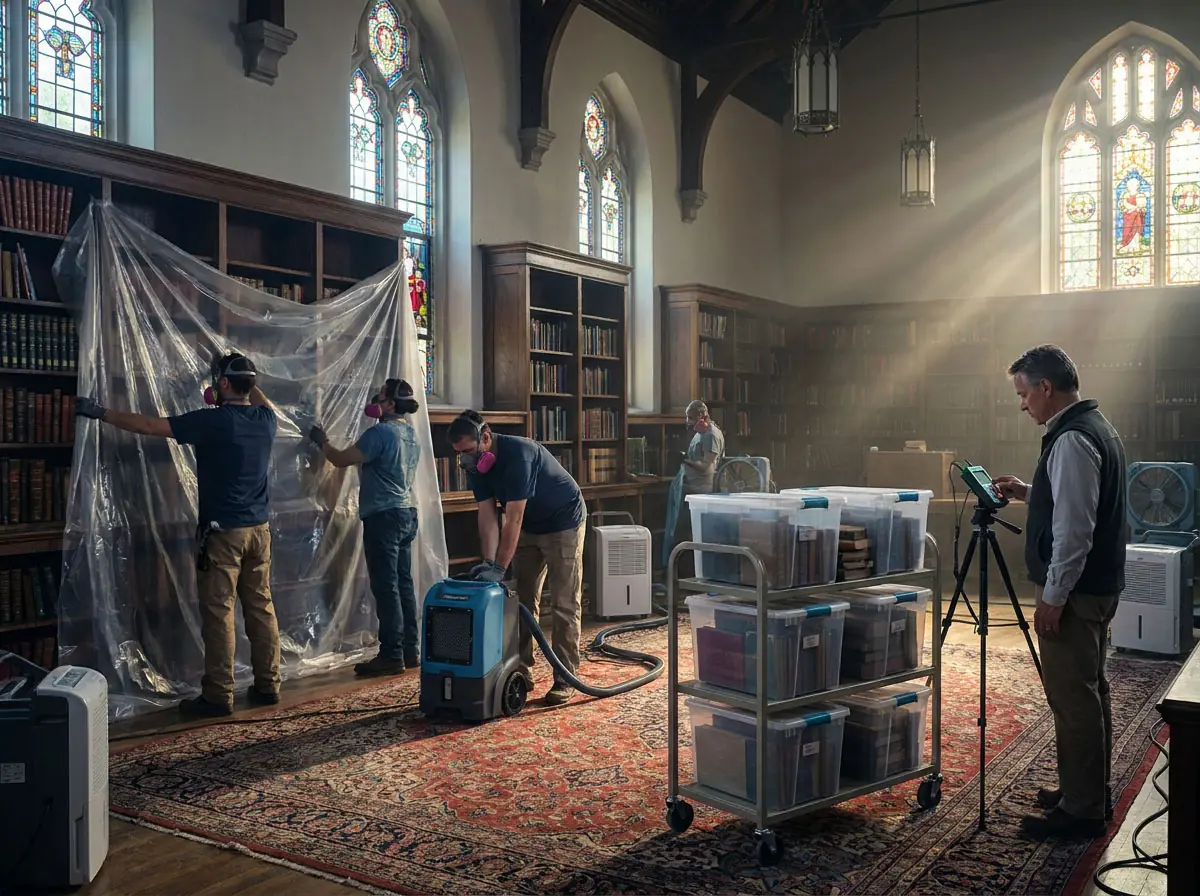
Identifying the Early Warning Signs of Moisture Intrusion in Coastal Homes
Living in Mount Pleasant means dealing with high humidity and the constant threat of salt air. Moisture behaves like a thief here; it slips into your home through the smallest cracks and begins to eat your drywall from the inside out.
You do not need to wait for a literal puddle to form on your floor to know you have a problem. Keep a sharp eye on these subtle physical changes that signal trouble is brewing:
- Discoloration or yellowing patches that appear on ceilings or walls after a heavy storm.
- Peeling, bubbling, or cracking paint which indicates the drywall paper is no longer bonded to the gypsum core.
- A distinct musty or earthy odor in rooms that are typically dry, especially near windows or exterior wall seams.
- Visible warping of the wall surface that feels soft or spongy to the gentle touch of your finger.
If you see these signs, act immediately. Because of our local climate, walls stay damp longer than they would in drier regions, which turns your home into a breeding ground for mold within as little as 48 hours.
Do not convince yourself that the stain is just old condensation or a minor plumbing sweat. Once moisture breaches the paint barrier, the drywall acts like a wick, pulling the water deeper into your wall structure and potentially ruining your insulation and wooden studs.
Step-by-Step Assessment: Determining if Your Drywall Can Be Saved
Before you start ripping out chunks of your wall, you need a cold, hard assessment. Not every water spot signals a total gut job, but the humid Mount Pleasant air acts as a catalyst for rapid decay. If the paper facing of the drywall is peeling or bubbling, you are likely looking at deep saturation.
Grab a moisture meter or simply press your thumb into the material. If the wall feels spongy or soft, it is time to cut it out. Drywall is porous, and once it acts like a sponge, it loses its structural integrity permanently.
The Decision Checklist
Run through this quick check to see if you can dry it out or if it belongs in a dumpster:
- Does the wall feel mushy or soft when you apply light pressure?
- Are there visible black, green, or white spores appearing on the surface?
- Has the water been sitting for more than 48 hours in our humid climate?
- Is the drywall crumbling or falling away from the studs?
If you answered yes to any of these, stop trying to salvage the board. Keeping water damaged drywall guarantees mold colonization behind the paint. It is far cheaper to replace a two-foot section of gypsum board now than to pay for a full professional remediation team to handle a massive mold bloom later.
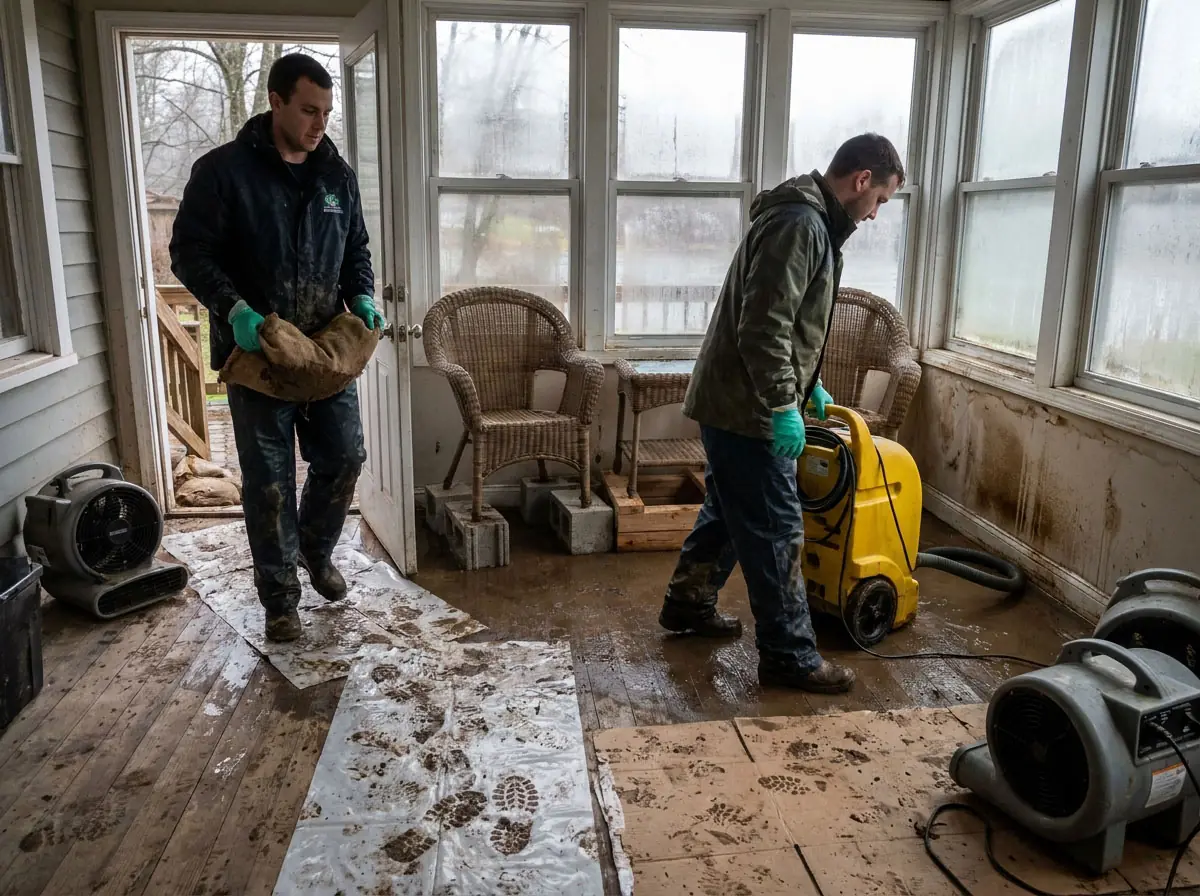
Professional Remediation Protocols for Preventing Toxic Mold Growth
In our humid Mount Pleasant climate, moisture does not just sit there; it breeds life. Once water breaches your drywall, mold spores typically take root within 24 to 48 hours.
Standard retail cleaners cannot stop this process. You need a systematic approach that neutralizes the spores at the microscopic level before the colony expands.
The Professional Defense Strategy
Our technicians use specialized gear to stop the spread. We focus on containment to ensure that contaminated air does not drift into your bedrooms or HVAC system.
- Establish negative air pressure zones to trap airborne spores.
- Deploy industrial grade dehumidifiers to drop room humidity below 50 percent.
- Apply EPA registered antimicrobial treatments to all exposed wall studs.
- Use HEPA filtered vacuums to scrub the air of microscopic toxins.
If you leave wet insulation in the wall cavity, you are simply inviting the mold back. We strip away the saturated gypsum and porous materials to reach the clean, structural substrate underneath.
Safety is the primary goal here. Trying to scrub moldy walls yourself often releases thousands of spores into your breathing zone. Professionals keep the containment sealed tight until the moisture readings return to a safe, dry baseline.
Drywall Repair Cost and Material Breakdown: An Informative Table
When you spot that water damage, your first thought is probably about the bill. Costs fluctuate based on how far the moisture has traveled and whether mold has already set up shop behind your studs.
I have compiled a rough price guide to help you budget for the necessary materials and labor. Keep in mind that these figures represent average market rates for our area.
| Service/Item | Estimated Cost Range |
|---|---|
| Inspection and Moisture Mapping | $150 - $300 |
| Drywall Removal and Disposal | $500 - $1,200 |
| Professional Mold Remediation | $800 - $2,500 |
| New Drywall Installation (per sheet) | $100 - $200 |
| Texturing and Painting | $200 - $500 |
The cost of materials is often the smallest part of the total bill. You are mostly paying for the labor-intensive process of drying out the structure and preventing future rot.
Cheap materials will not survive long in the high humidity of Mount Pleasant. You should always opt for the following upgrades:
- Moisture-resistant drywall, often called green board, for high-humidity zones.
- Antimicrobial primer to seal the studs after the damaged wood is treated.
- High-quality, moisture-resistant paints that provide a true barrier against coastal air.
Never try to cut corners by leaving damp insulation in place just to save a few dollars. That hidden moisture will eventually compromise your repairs and lead to a massive headache later on.
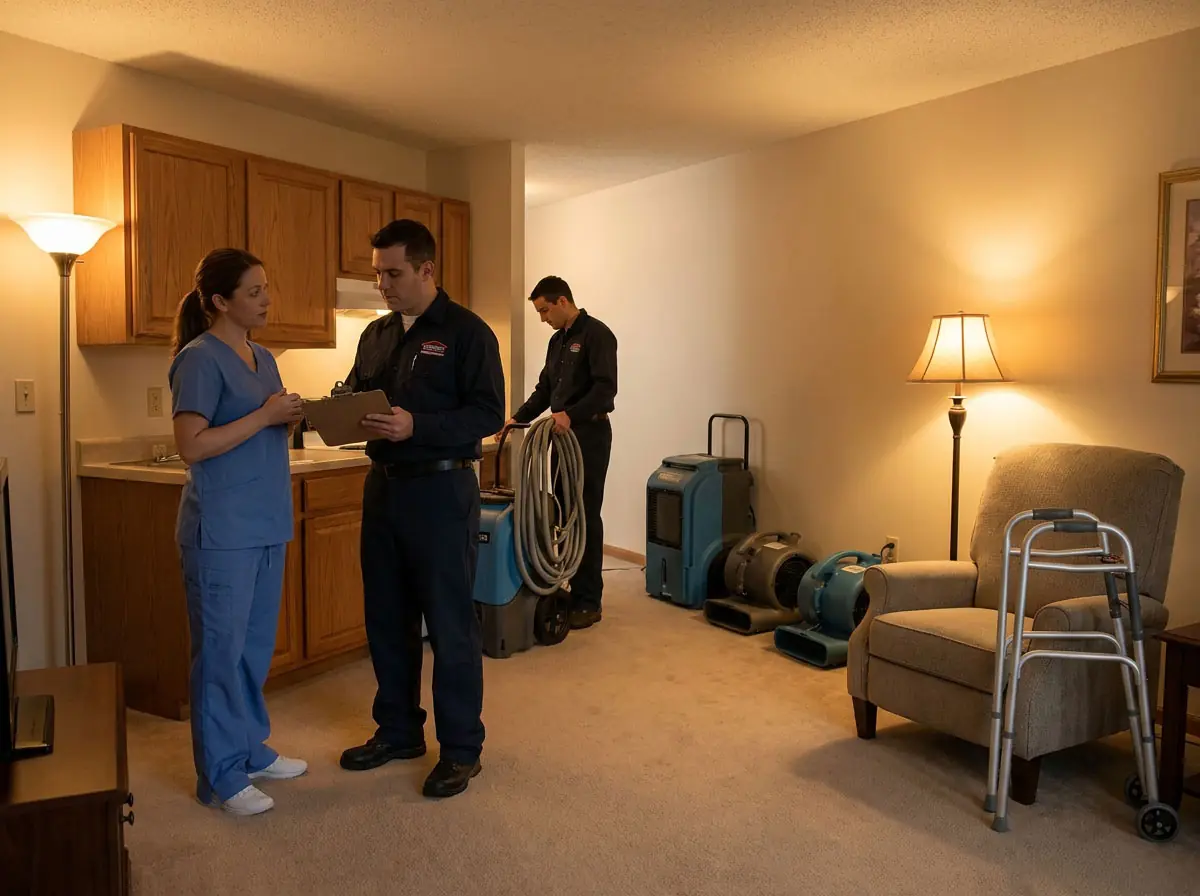
Lessons from the Mount Pleasant Case Study in Water Damage Restoration
I recently walked into a beautiful Old Village property where the homeowner thought a persistent ceiling stain was merely a roof fluke. They waited two weeks for the rainy season to pass before calling for help; by then, the moisture had traveled down the wall cavity and into the floor joists.
What started as a simple leak repair turned into a complex job because of our local humidity. Hidden mold colonies had already started colonizing the backside of the drywall, feeding on the trapped condensation.
Here is what that specific job taught us about acting fast:
- Waiting for the wall to dry on its own creates a perfect environment for toxic spores.
- Standard paint masks the issue, but it does nothing to stop the underlying rot.
- In Charleston County, moisture wicks through building materials much faster than in dryer climates.
When we opened the wall, we found that the fiberglass insulation was acting like a sponge, holding onto water and keeping the studs damp for days. We had to perform a targeted cut to remove the compromised section and treat the framing with antimicrobial agents. If the homeowner had called after the first stain appeared, we could have saved three sheets of drywall and prevented the spread to the floorboards.
Best Practices for Professional Remediation Versus DIY Repairs
Most homeowners in the Lowcountry think they can handle a water stain with a scraper and a tub of joint compound. The reality is that if moisture has reached the backside of your drywall, the damage is already systemic. A DIY patch job often traps moisture, creating an ideal incubator for black mold that will eat your studs from the inside out.
Professional remediation goes beyond the surface. We utilize industrial dehumidifiers and moisture sensors to ensure the internal wall cavity is completely dry before we even think about patching. If you are debating the DIY route, ask yourself if you have the tools to verify your wall is actually dry, or if you are just painting over a growing problem.
When You Can DIY (And When You Cannot)
You might be able to handle minor surface repairs, but major water events require a professional hand. Check this breakdown to see where your situation lands:
- DIY: Small, isolated spots where the drywall is not soft or crumbling.
- DIY: Stains caused by a fully resolved, one-time spill that dried within 24 hours.
- Professional: Any sign of warping, discoloration, or a musty odor near your baseboards.
- Professional: Leaks involving sewage, grey water, or hidden plumbing failures.
- Professional: Drywall that feels damp to the touch or shows bubbling paint.
Attempting to cut corners on water damage repair in our humid climate is a recipe for expensive, long-term disaster. We see far too many Mount Pleasant properties where a simple professional visit was bypassed, leading to full-scale room gutting months later. Protect your investment by knowing when to put the putty knife down and call for backup.
Final Words
Living along the South Carolina coast means dealing with persistent humidity and the occasional storm surge. You cannot afford to treat water damage like a minor weekend project.
When you spot discoloration or soft spots, you are already behind the clock. Taking immediate action is the only way to stop minor seepage from becoming a full-scale structural renovation.
If you feel uncertain about your specific situation, browse our Drywall Water Damage Repair category for more insights. Knowledge is your first line of defense against the high costs of hidden rot.
Protect Your Property Investment
Do not wait for a professional inspection to tell you that the rot has spread to your floor joists or electrical wiring. Early intervention keeps your repair bill manageable and your family safe from indoor pollutants.
- Inspect your home exterior after heavy rainfall.
- Check the attic and crawl space for signs of leaks.
- Trust your nose; a musty smell is never a false alarm.
Keep a close eye on those walls and stay proactive. Your home is likely your biggest financial asset, and treating it with the right level of urgency will save you from major headaches down the road.
People Also Ask
How quickly does mold grow on water damaged drywall?
Mold can begin to colonize damp drywall surfaces within 24 to 48 hours after moisture intrusion occurs. It is critical to act immediately to dry the area to prevent the spread of spores. You can learn more about mold control strategies to protect your home environment.Is it safe to repair water damaged drywall myself?
Small areas of surface staining may be manageable for some homeowners, but significant water saturation requires professional assessment. DIY repairs often fail to address hidden moisture behind the wall, which can lead to recurring mold growth and structural decay.What are the primary causes of drywall water damage in Mount Pleasant?
Coastal humidity, intense storm events, and roof leaks are frequent contributors to moisture issues in our area. Plumbing failures and improper exterior flashing can also allow water to seep behind walls over time.How do professionals determine if drywall needs to be replaced?
Technicians use professional moisture meters to measure the level of saturation within the wall cavity and behind the drywall. If the paper backing has started to delaminate or if there is visible microbial growth, the material must be removed to ensure a healthy home.What is the average cost for drywall repair in Mount Pleasant?
Costs vary based on the extent of the water intrusion and the size of the affected area. Factors such as baseboard replacement, insulation removal, and professional drying equipment rentals will influence your final repair budget.Need Water Damage Restoration Services?
We provide rapid water damage restoration to stabilize your property and prevent further structural issues throughout Mount Pleasant and surrounding communities. Our team arrives quickly to extract water and initiate professional drying to restore your home or business (29464, 29466, 29429, 29401).
Request Project Estimate