


⚡ TL;DR: This guide helps Milwaukee residents manage burst pipe cleanup effectively by avoiding dangerous DIY errors that often threaten insurance coverage and lead to extensive long term property damage.
📋 What You’ll Learn
When a pipe bursts in your Milwaukee home, the aftermath can be overwhelming. This guide outlines professional strategies to minimize structural damage while protecting your insurance claim and long-term property value.
- Take immediate emergency action to safely stop water flow and prevent widespread interior flooding, which is the most critical step in protecting your property from severe, lasting moisture damage.
- Protect your insurance claim by avoiding amateur cleanup mistakes that often invalidate coverage or lead to claim denials when you need financial assistance for your expensive home restoration project.
- Identify hidden moisture threats by recognizing secondary water damage signs that linger behind walls, under floors, and within basement foundations long after the initial pipe burst has been resolved.
- Follow professional drying standards using industrial equipment and proven methods that ensure your home is fully sanitized, preventing hazardous mold growth and structural decay in Milwaukee’s unique climate.
📖 Reading time: 8 min
✍️ Author expertise: Certified Milwaukee water restoration expert with decades of experience managing local flood emergencies.
You wake up in the middle of a freezing Milwaukee night to the sound of rushing water, only to find your basement turning into an indoor swimming pool. It is the kind of disaster that hits your wallet harder than a mid-winter heating bill, and most homeowners make it significantly worse within the first ten minutes.
Panic leads to bad decisions. If you act without a plan, you are likely opening the door to black mold, ruined floorboards, and thousands of dollars in repairs that your insurance company might refuse to cover.
Before you grab a mop or flip a light switch, stop and read these common mistakes that turn a manageable plumbing mishap into a total property nightmare.
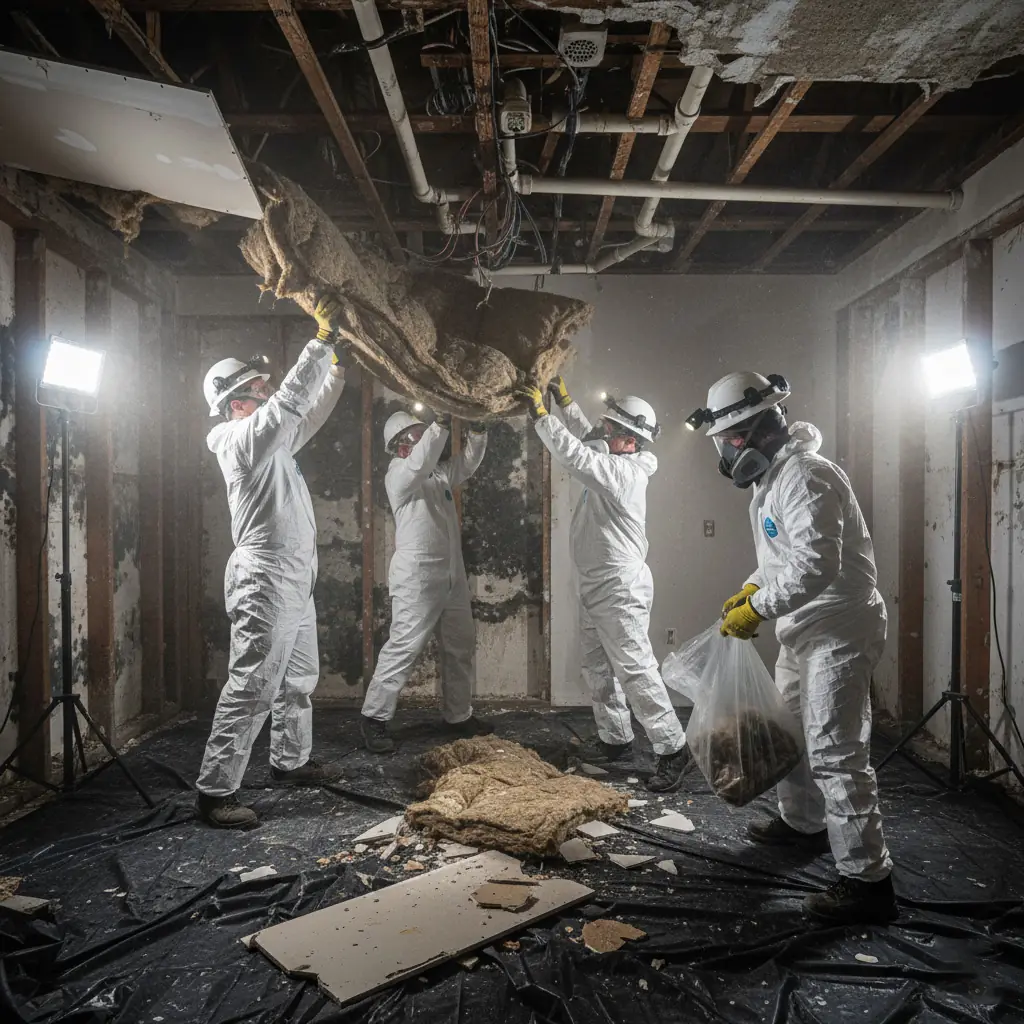
Immediate Steps to Secure Your Property and Prevent Further Damage
Your first instinct might be to start bailing out water, but stop right there. The absolute first priority is safety and halting the flow of water before your home sustains irreversible damage.
Locate your home’s main water shut-off valve immediately. It is usually found in the basement or near the street entrance, and turning this off is the only way to stop the relentless pressure feeding the leak.
Once the water is off, address your electrical hazards. Water and electricity are a lethal combination, so follow these quick safety rules:
- Do not walk through standing water if the power is still on.
- Avoid flipping switches or touching appliances near the affected area.
- If you can reach your breaker box safely, kill the power to the flooded rooms.
- Unplug any electronics that are sitting in or near the water.
Finally, open windows if the temperature permits to encourage airflow, but keep your exterior doors locked. Speed is your greatest ally, but taking five minutes to secure these systems prevents the disaster from escalating into a life-threatening electrical fire or total structural collapse.
Why Household Cleaning Methods Often Invalidate Insurance Claims
Most homeowners assume that grabbing a shop vac and some towels is the right move. In reality, your homeowners insurance policy likely contains a specific "duty to mitigate" clause that can backfire if you are not careful.
When you attempt to clean a massive water intrusion yourself, you risk cross-contaminating your home. If you move water from a contaminated zone to a clean one, or if you fail to document the moisture levels correctly, the insurance adjuster may deny your claim for subsequent mold growth or structural decay.
Insurance companies look for two things when they process a water damage claim: proper documentation and professional certification. If you try to play the hero, you are essentially erasing the paper trail they require to pay out your claim.
The Danger of "Self-Help" Restoration
Many policies include language that requires the use of IICRC-certified professionals for water mitigation. Here is why your DIY effort might actually kill your payout:
- You lack the specialized moisture meters to prove the drying process was successful.
- Improper handling can force water into wall cavities where it will breed toxic mold.
- Using household fans simply circulates spores and humidity, worsening the hidden damage.
- Most DIY sanitization products are not strong enough to meet the stringent standards required for indoor water damage recovery.
Your insurance company is looking for a reason to limit their liability. By choosing to handle the cleanup yourself, you provide them with that reason. Professional restoration teams provide the photographic evidence and moisture logs that act as the backbone of your claim, ensuring you get the coverage you paid for.

The Hidden Dangers of DIY Water Extraction and Structural Drying
You might think renting a shop vacuum from a local hardware store is a smart way to save cash. In reality, you are likely just skimming the surface while the real damage hides deep inside your walls, insulation, and floor joists.
Moisture behaves like a ghost; it creeps into tiny gaps where standard home equipment simply cannot reach. If you do not pull water from these hidden cavities, the material stays damp for weeks, creating a perfect buffet for toxic mold colonies.
Professional restoration teams use thermal imaging and industrial grade moisture meters to track water migration. Here is why the DIY approach often fails:
- Surface vacuums leave water trapped behind baseboards and inside wall studs.
- Standard fans just move damp air around rather than extracting humidity from the structure.
- Without commercial grade dehumidifiers, the moisture load remains high enough to warp your hardwood and drywall.
Even if the room looks dry to the naked eye, the hidden moisture is still attacking your structural integrity. Do not gamble with the bones of your Milwaukee home. When water gets into the framing, professional grade structural drying is the only thing standing between you and an expensive, full scale renovation.
Critical Warning Signs of Secondary Water Damage: A Diagnostic Table
Most homeowners assume that once the standing water is gone, the crisis is over. Unfortunately, secondary damage is often the real culprit that destroys your home from the inside out.
Moisture trapped behind walls or under flooring doesn't just sit there. It creates a breeding ground for mold and structural decay that can spread faster than you might think.
| Indicator | What It Means | Urgency Level |
|---|---|---|
| Musty Odor | Active mold growth | High |
| Peeling Paint | Moisture behind drywall | High |
| Warped Wood | Saturation of subfloors | Medium |
| Visible Discoloration | Fungal colonies forming | Critical |
| Rusting Hardware | High humidity levels | Medium |
You need to look beyond the surface. If you notice a persistent damp smell or walls that feel soft to the touch, you are already dealing with a serious problem.
Ignoring these signs is a financial death sentence for your property. Take note of these specific red flags that indicate you need professional intervention immediately:
- Buckling hardwood: This means the wood has absorbed enough water to expand and pop from the subfloor.
- Efflorescence: That white, powdery substance appearing on masonry walls is a clear signal of moisture migration.
- Damp insulation: Wet fiberglass loses its thermal value and becomes a sponge for toxic spores.
- Soft spots in floorboards: This often indicates that the structural joists underneath are starting to rot.
Do not wait for these signs to become visible to the naked eye. By the time you see actual mold patches, the internal damage is likely extensive and requires professional remediation to save the structure of your home.

Lessons from Restoring a Historic Milwaukee Basement After a Pipe Burst
Old Milwaukee homes are packed with character, but they are also absolute death traps for water damage. Last winter, we handled a pipe burst in a century-old Victorian home in the Third Ward where the stone foundation and original hardwood beams acted like a sponge for thousands of gallons of water.
The homeowner tried to save money by using a shop vac, but they unknowingly pushed moisture deep into the porous mortar joints. This mistake cost them months of remediation work. When dealing with historic structures, standard drying tactics fail because they cannot reach the hidden pockets where moisture settles.
To prevent total structural failure in older properties, you have to prioritize specific areas:
- Inspect the limestone or brick mortar for signs of saturation.
- Ensure the wooden joists are treated for potential rot immediately.
- Avoid using heavy industrial fans until the surface water is fully extracted by a professional.
In this specific case, we had to tear out the bottom foot of the drywall to allow the stone foundation to breathe. If we had left it closed up, hidden mold growth would have compromised the indoor air quality within forty-eight hours. Historic restoration is not just about drying things out; it is about respecting the integrity of aging materials that cannot simply be replaced at the local hardware store.
Navigating the Professional Restoration Process: From Emergency Response to Reconstruction
When you hire professionals, you are not just paying for a few dehumidifiers. You are paying for a precise scientific protocol designed to save your Milwaukee property from long term structural decay.
The process starts the moment our emergency team arrives. We immediately assess the water category, stop the source, and extract standing water using industrial pumps to prevent saturation of your subflooring.
The Restoration Roadmap
- Emergency Mitigation: We secure the perimeter and extract water to halt initial damage.
- Structural Drying: We use moisture mapping tools to track water behind walls that you cannot see.
- Sanitization: We apply medical grade antimicrobial treatments to stop mold colonies before they start.
- Reconstruction: Once the humidity levels are verified as safe, we replace the drywall and finishes to get your home back to its pre-loss state.
Do not be fooled by contractors who promise a quick fix without documentation. A professional restoration company keeps a meticulous log of every moisture reading and photo taken throughout the process. This paperwork is your best friend when it comes time to justify your claim to the insurance adjuster.
We work as your advocate during the repair phase. By documenting the exact path of the water and the drying time required, we ensure your insurance provider sees the full scope of the loss. This helps avoid the frustrating back and forth that happens when you try to handle the recovery on your own.
Final Words
You have a very small window of time before a simple plumbing leak morphs into a structural disaster. Every hour you wait allows moisture to creep deeper into your drywall, insulation, and electrical systems.
Do not gamble with your home's integrity by guessing the extent of the saturation. If you are currently staring at standing water, head over to our Burst Pipe Cleanup page to get the help you need before the damage becomes permanent.
Three rules to keep your property safe:
- Shut off the main water line immediately to stop the flow.
- Do not attempt to walk through rooms with exposed electrical outlets or wires.
- Document everything with high resolution photos for your insurance adjuster before moving a single item.
Fixing water damage is rarely about the water you see on the surface. It is about the hidden moisture that hides behind your baseboards and inside your wall cavities.
Professional equipment like industrial grade dehumidifiers and moisture sensors are not just fancy tools; they are the only things standing between you and a future mold remediation bill. Leave the heavy lifting to the pros who know exactly where the water hides.
People Also Ask
How much does burst pipe cleanup cost in Milwaukee?
The cost of burst pipe cleanup depends on the scale of the flooding and the materials affected. Professionals typically base estimates on the square footage of water damage and the time required for structural drying.Does homeowners insurance cover burst pipes in Milwaukee?
Most standard homeowners insurance policies cover sudden burst pipes, but they often deny claims if the damage results from long term neglect. It is essential to document the incident immediately and consult the insurance information guidelines to understand your specific coverage limits.How long does it take for mold to grow after a pipe bursts?
Mold can begin to colonize damp surfaces within 24 to 48 hours if the area is not properly dried. Swift intervention is necessary to prevent these spores from spreading through your HVAC system or settling into walls.Is it safe to stay in a home with a burst pipe?
Remaining in a home with active water damage can be dangerous due to potential electrical hazards and unstable structural elements. You should turn off the main water supply and electricity before contacting a restoration expert to assess the safety of your property.What immediate actions should I take after a pipe bursts?
You should first shut off the main water valve to stop the flow and contact a restoration team for emergency extraction. Avoid using household vacuums to clean up standing water, as this can lead to electrical shock or further damage to your flooring.Need Water Damage Restoration Services?
We provide rapid water damage restoration across Milwaukee and surrounding areas to dry your property and restore structural integrity. Our teams respond immediately to mitigate damage in Milwaukee, Waukesha, and Racine (53202, 53211, 53207, 53186).
Request Pricing Estimate