


⚡ TL;DR: This guide helps Miami Beach homeowners navigate the sewage backup cleanup process by detailing health risks, insurance pitfalls, and the professional steps required to restore a safe property.
📋 What You’ll Learn
Navigating a sewage backup in Miami Beach requires immediate, informed action to protect your home and health. This guide clarifies the essential steps you must take to ensure effective, professional restoration.
- Identify contamination categories correctly so you understand why sewage damage demands specialized mitigation techniques far beyond what standard water extraction methods or basic home cleaning supplies can provide.
- Avoid common insurance claim mistakes by learning which actions during the cleanup process could unintentionally void your coverage, leaving you personally responsible for high out of pocket restoration costs.
- Evaluate dangerous health hazards present as we break down the specific pathogens and toxins found in coastal sewage spills that pose severe risks to your family and pets.
- Explore professional cleanup service options using our detailed breakdown to compare recovery processes, ensuring your property undergoes proper structural sanitization and long term damage prevention after the backup.
📖 Reading time: 8 min
✍️ Author expertise: Miami Beach restoration specialist with fifteen years of experience managing complex sewage recovery projects.
You wake up in your Miami Beach condo to the unmistakable, stomach-turning stench of raw sewage seeping through your floorboards. It is not just a gross mess; it is a ticking time bomb of toxic bacteria threatening your health and your property value.
Most homeowners make one fatal mistake in these first sixty minutes that ruins their chances of a full insurance payout. Do not touch anything until you understand exactly what you are dealing with.
Before you grab a mop or call the first number you see on Google, here is the harsh reality of what is currently hiding under your feet and how to protect your home from total loss.
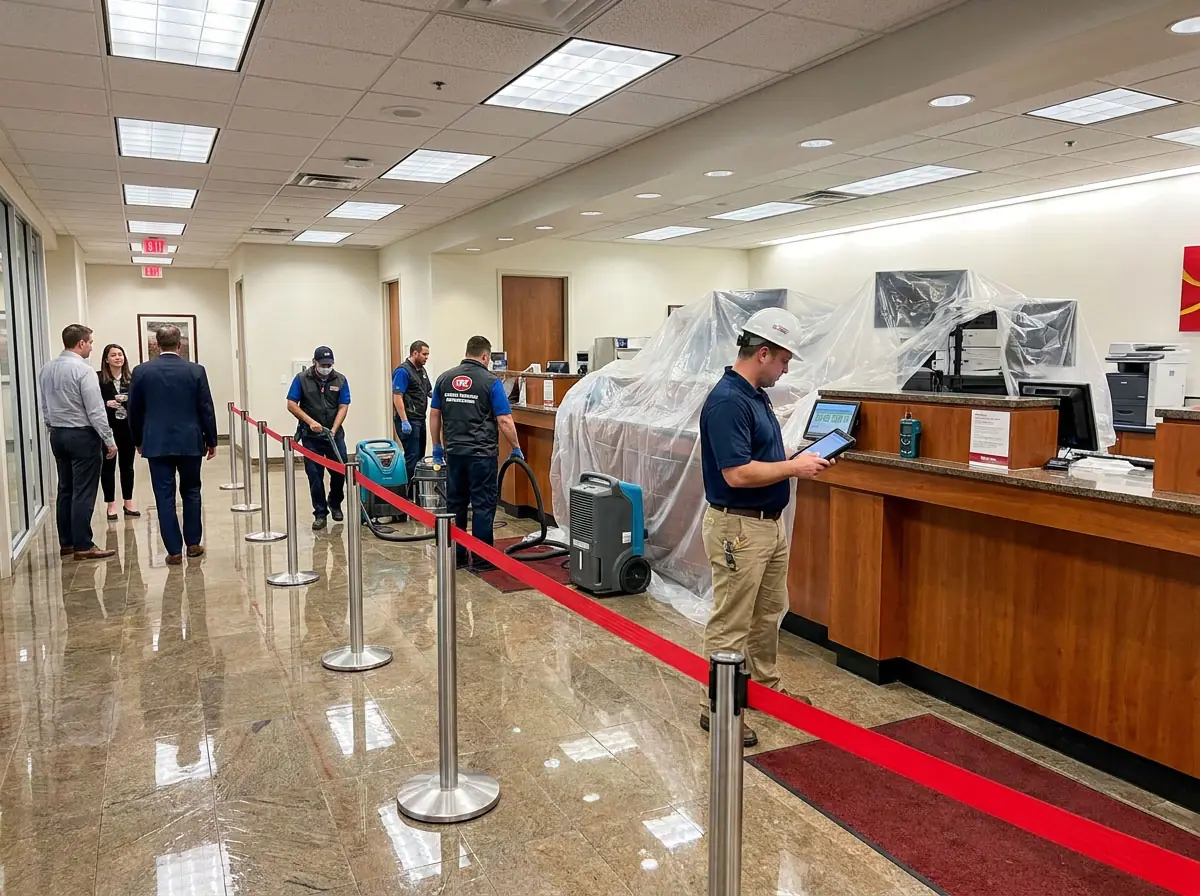
Categorizing the Contamination: Why Raw Sewage Is Not Just Standard Water Damage
Most residents in Miami Beach confuse a sewage backup with a standard burst pipe or rain leak. This is a dangerous misunderstanding that could cost you your health.
IICRC standards define sewage as Category 3 water, which is medically referred to as black water. Unlike clean water from a supply line, this liquid is loaded with pathogens, feces, and dangerous chemicals that demand specialized handling.
Treating this like a simple wet carpet issue is a recipe for disaster. Here is why you must treat this as a biohazard event:
- Pathogen Load: Raw sewage contains bacteria, viruses, and parasites that cause severe illness upon contact or inhalation.
- Porous Material Saturation: Drywall, carpet padding, and insulation act like sponges for toxic waste. Once these materials absorb black water, they cannot be cleaned; they must be removed entirely.
- Aerosolization: The moment you turn on a fan or start scrubbing, you release harmful particles into the air. This turns your entire Miami Beach home into a contamination zone.
You are not dealing with water. You are dealing with hazardous waste that requires industrial-grade sanitization protocols and heavy-duty personal protective equipment.
Critical Mistakes That Void Your Insurance Coverage
Most Miami Beach property owners assume their insurance policy is a blank check for any disaster. That is a costly delusion. Insurance adjusters look for any reason to deny your claim, and your actions during the first hour are their primary evidence.
If you attempt to clean up raw sewage without professional documentation, you are essentially erasing the paper trail your insurer needs. They want to see certified environmental testing and a specific scope of work from a licensed remediation firm.
Here are the common blunders that lead to a denied claim:
- Using a standard shop vac to suck up sewage, which only spreads aerosolized pathogens through your HVAC system.
- Failing to photograph the initial source of the backup before moving furniture or debris.
- Attempting to "dry out" the area with portable fans instead of industrial dehumidifiers, which traps moisture inside your walls.
- Waiting more than 24 hours to report the incident, allowing Category 3 water to penetrate structural subflooring.
The insurance company classifies sewage as a high risk due to its toxicity. If you fail to hire an IICRC certified technician, they will argue that you allowed the damage to worsen through neglect. Do not let your DIY instincts cost you a five figure payout. Stop moving things, document the scene with your phone, and call a professional who understands the claims process as well as the cleanup.

Health Hazards: Pathogens and Toxins Lurking in Your Miami Beach Property
When sewage hits your floor in Miami Beach, you are dealing with Category 3 water, or black water. This is not just dirty water, it is a biological hazard soup teeming with pathogens that can infect you through skin contact or simply by breathing the air in your home.
These contaminants move fast. They penetrate drywall, soak into porous flooring, and find their way into your HVAC system to circulate spores throughout your entire property. If you ignore the invisible threats, you are gambling with your physical safety.
The Invisible Enemies Inside Your Home
The risks are real and they are dangerous. Once that waste touches your surfaces, you are exposed to:
- E. coli and Salmonella: These cause severe gastrointestinal distress and dehydration.
- Hepatitis A: This virus spreads through contact with contaminated surfaces and impacts liver health.
- Protozoa and Parasites: Microscopic organisms that can lead to chronic infections.
- Fungi and Mold: Black water triggers rapid mold growth that degrades indoor air quality within 24 to 48 hours.
Do not be fooled by a quick cleanup with bleach or a store bought mop. Sanitizing a sewage event requires industrial grade biocides and professional containment protocols. You need to keep your family, pets, and yourself away from the affected area until a certified team confirms it is decontaminated and safe.
Sewage Cleanup Process: A Service Options Breakdown Table
Professional sewage remediation is not a simple cleaning job. It is a calculated, multi-stage medical operation for your home that demands specialized gear and industrial-grade suppressants.
| Service Phase | Key Objective | Risk Level |
|---|---|---|
| Containment | Isolate contamination zones | Extreme |
| Extraction | Remove bulk liquids and solids | High |
| Decontamination | Apply biocide/sanitization | High |
| Dehumidification | Prevent structural mold growth | Moderate |
| Restoration | Rebuild affected materials | Low |
First, technicians focus on containment to stop the spread of fecal matter into your HVAC system or adjacent rooms. They deploy negative air machines to ensure contaminated particles stay localized within the disaster zone.
Once contained, the physical removal begins. Professionals use heavy-duty extractors to pull out contaminated gray or black water, followed by the removal of porous materials like carpets, drywall, and insulation that cannot be saved.
The Critical Sanitization Phase
After the visible mess is gone, the real work starts. This is where most DIY attempts fail miserably, as they leave microscopic pathogens behind that thrive in the Miami humidity.
- Applying industrial-strength antimicrobial agents to every square inch of the exposed surface.
- Using specialized ozone generators or hydroxyl machines to neutralize airborne pathogens and odors.
- Continuous moisture monitoring to ensure the subfloor and wall studs are bone dry before any new material is installed.
Choosing the right restoration team means looking for certification from the IICRC. Do not settle for a local janitorial company, as they lack the specialized training needed to manage biohazard exposure safely.
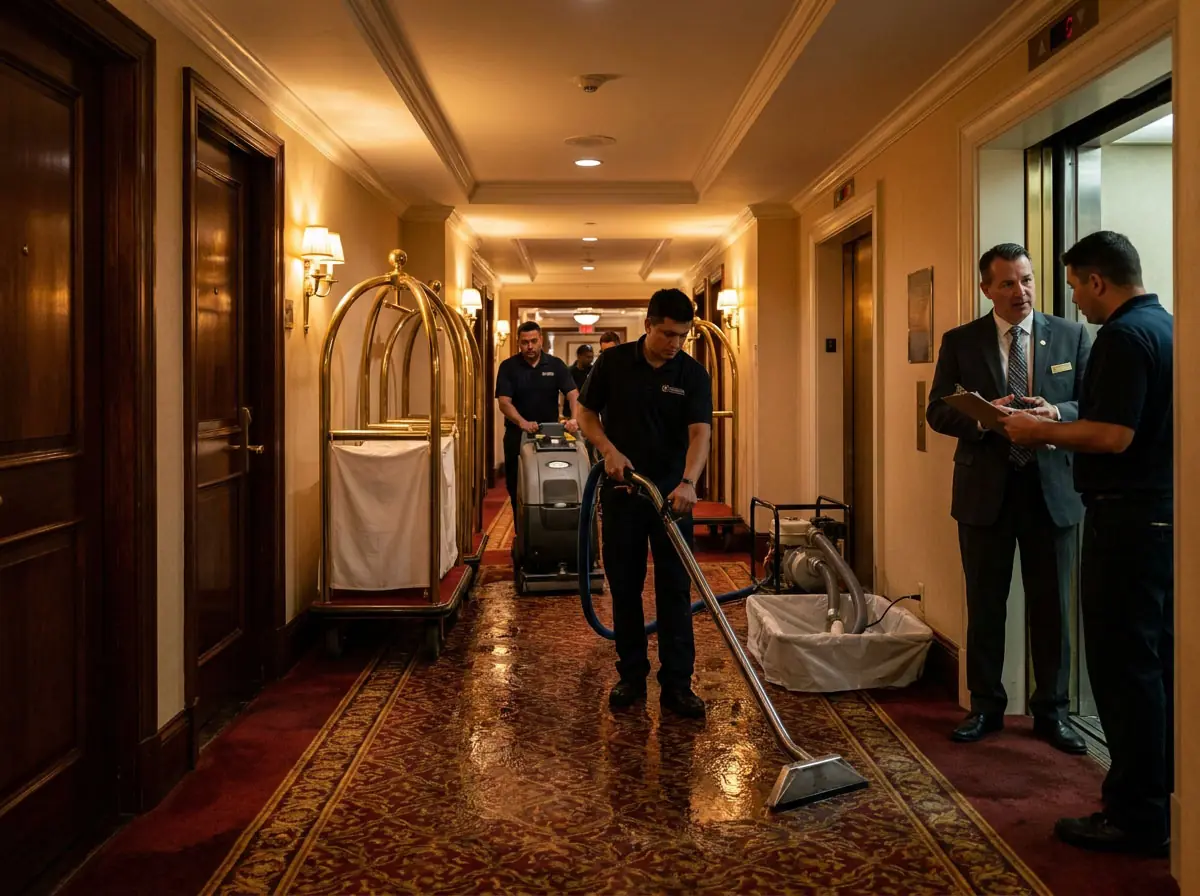
Real-World Recovery: A Miami Beach Waterfront Property Case Study
Last summer, a luxury waterfront property on Collins Avenue suffered a massive sewer main failure. The ground level basement, which served as a custom home theater and gym, was flooded with several inches of raw waste within minutes.
The owner initially grabbed a shop vacuum to start cleaning, a move that nearly cost him his entire insurance settlement. By the time our team arrived, the airborne contaminants had already settled into the HVAC system and the expensive acoustic paneling.
We had to execute a precision recovery strategy to save the structure without tearing out the entire foundation. Here is exactly how we turned that disaster around for the owner:
- Immediate isolation of the HVAC system to prevent cross-contamination of the upper floors.
- Professional extraction using HEPA-filtered equipment designed for Category 3 water.
- Removal of non-porous materials that were already showing signs of structural bloating.
- Deep-reach antimicrobial fogging to kill pathogens deep inside the wall cavities.
- Verified moisture mapping to prove the subfloor was completely dry before reconstruction began.
Because we acted with scientific precision rather than panic, the homeowner preserved his property value and passed his mold clearance test on the first try. It is not just about drying the floor; it is about restoring the biological safety of your home so your family can breathe easily again.
Protecting Your Future: Structural Restoration and Professional Sanitization
Once the standing water is gone, the real fight begins. You are not just dealing with wet surfaces; you are fighting invisible biological threats that embed themselves deep into your subflooring, drywall, and HVAC systems.
If you leave these materials in place, you are essentially inviting permanent mold growth and recurring structural rot to take over your home. We use industrial-grade antimicrobial treatments that do not just mask the smell, but actually neutralize the pathogens at the molecular level.
You need to focus on these critical recovery steps to ensure your property remains livable:
- HEPA Filtration: Scrubbing the air to capture airborne spores that trigger respiratory issues.
- Moisture Mapping: Using thermal imaging to find hidden water pockets inside your walls.
- Deep Dehumidification: Running high-capacity units for days to return your humidity levels to a safe, dry standard.
- Antimicrobial Application: Applying professional grade EPA-registered disinfectants to all salvaged studs and joists.
Never assume that a surface looks clean just because it is dry. Sewage water in a Miami Beach home often carries E. coli and other waste-borne bacteria that can survive in porous wood for months.
If you rush the rebuild process, you will be paying for the same damage twice. Let a certified restoration crew verify the dryness of your structure before you put up a single piece of new drywall or lay down new flooring.
Final Words
When raw sewage invades your Miami Beach property, time acts as your greatest enemy. Every minute that moisture sits in your carpet or drywall, toxic pathogens multiply and your repair bill climbs higher.
You need to act with cold, hard logic rather than panic. If you ignore the severity of Category 3 water, you risk permanent structural rot and severe respiratory illnesses for your family.
Professional intervention is the only way to ensure your home returns to a safe, habitable condition. Our Sewage Backup Cleanup specialists follow strict protocols to remove waste and disinfect every surface effectively.
Key Steps to Take Immediately
- Shut off your main water valve to prevent further flooding.
- Keep your family and pets away from the contaminated area at all times.
- Document the damage with high-resolution photos for your insurance adjuster.
- Call a certified restoration team that specializes in biohazard remediation.
Do not gamble with the health of your home or your bank account by attempting a DIY fix. A simple mop will never reach the deep, microscopic bacteria hiding within your floorboards and baseboards.
Protect your investment by bringing in the pros. We know exactly how to handle the unique challenges of Miami Beach properties to ensure you get back to your normal life as fast as humanly possible.
People Also Ask
Is sewage backup in Miami Beach covered by standard homeowners insurance?
Most standard homeowners insurance policies exclude damage caused by sewer backups unless you have added a specific rider or endorsement to your policy. You must review your declarations page immediately to confirm your specific coverage limits.What immediate steps should I take after a sewage leak in my home?
You should turn off the main water supply and avoid all contact with the affected area to prevent illness. Evacuate pets and family members from the property and contact a professional restoration service before attempting any cleanup yourself.Why is professional remediation required for raw sewage cleanup?
Raw sewage contains harmful bacteria, viruses, and parasites that require specialized industrial grade disinfectants and containment protocols to eliminate. According to the CDC guidelines, improper cleanup can lead to severe health issues and permanent structural contamination.How do I know if the water in my home is considered black water?
Black water is defined as highly contaminated water that contains human waste, sewage, or pathogenic agents. If the water source originated from a toilet bowl, sewage pipe, or external floodwaters, it is classified as Category 3 and requires professional handling.Does Miami Beach property law mandate specific cleanup standards?
Local property owners must adhere to strict environmental and building codes to ensure the safety of neighbors and future occupants. Failure to document professional remediation may result in legal liabilities or difficulties when selling your property in the future.Need Water Damage Restoration Services?
We provide rapid water damage restoration and structural drying services to restore your property in Miami Beach and surrounding areas. Our emergency team responds immediately to mitigate damage and secure your home or business (33139, 33140, 33141, 33154).
Request Price Estimate