


⚡ TL;DR: This guide explains how Memphis residents can effectively manage mold remediation by avoiding ineffective home remedies and choosing qualified professionals to restore their indoor air quality and safety.
📋 What You’ll Learn
Memphis humidity creates a perfect breeding ground for toxic mold. This guide empowers local homeowners to identify hidden infestations, understand professional remediation standards, and protect their families from health risks.
- Understand why Memphis humidity triggers growth by learning how our local climate turns small, ignored water leaks behind walls into massive, hazardous mold colonies that threaten your home structure.
- Evaluate the failure of DIY methods through a detailed comparison of why household bleach and store-bought sprays are ineffective at eliminating deep-rooted mold on porous building materials like drywall.
- Implement strategic containment techniques to ensure that you stop the spread of airborne spores throughout your living space while professional remediation teams work to restore your indoor air quality.
- Choose a certified restoration expert by reviewing our specific criteria for vetting Memphis contractors, ensuring you select a team with the proper certifications to handle mold removal safely.
📖 Reading time: 8 min
✍️ Author expertise: Certified Memphis restoration expert specializing in residential mold remediation and water damage recovery.
You wake up, walk into your guest bedroom, and hit a wall of thick, musty air that hits you right in the throat. You pull back the corner of the rug or move that old box in the closet, and there it is: a fuzzy, black stain staring back at you that wasn't there last week.
Living in Memphis means dealing with humidity that sticks to your skin like a wet wool blanket. When that moisture meets the organic materials in your home, mold doesn't just grow; it settles in and claims your property as its own.
Most folks panic and run for the bleach or a store-bought spray, but that is exactly how you make the problem worse. If you want to stop the spread before your walls start rotting from the inside out, here is the playbook smart Memphis homeowners use to protect their health and their equity.
Keep reading to find out why your current cleaning methods are failing and how to root out the infestation for good.
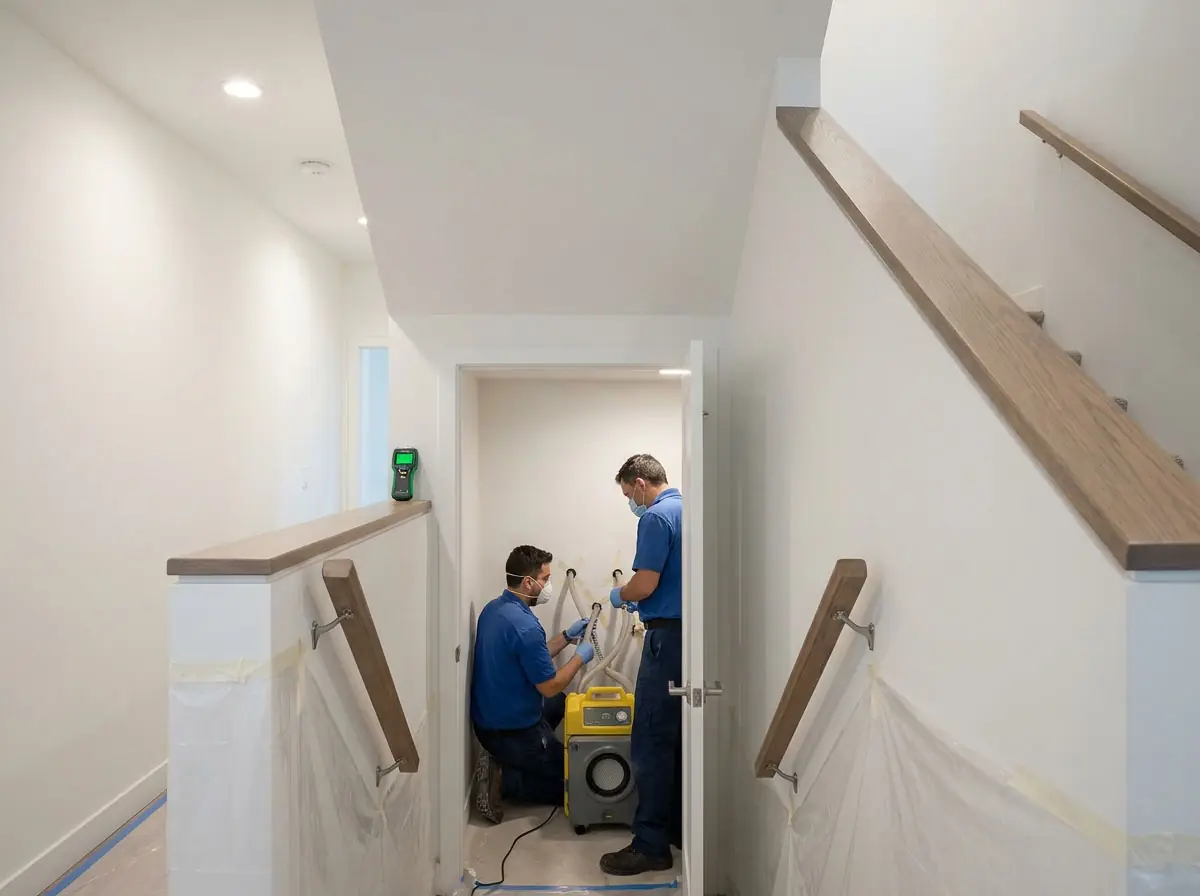
Why Memphis Humidity Turns Minor Leaks into Major Mold Colonies
Memphis is famous for its heat, but it is the humidity that creates a perfect storm for fungal growth. When your home acts like a greenhouse, even a tiny pinhole leak behind a vanity or a damp crawlspace becomes a luxury hotel for spores.
Most homeowners assume that mold needs a flood to take hold. In reality, it only needs the high dew points common in Shelby County to turn a porous surface into a massive colony in less than forty-eight hours.
Once the moisture sets in, the damage starts to compound rapidly. Here is why the local climate works against your walls:
- High Relative Humidity: Moisture levels consistently above sixty percent act as a constant fuel source for mold.
- Organic Feast: Your drywall, wallpaper, and wooden framing are essentially a buffet for mold when they stay damp.
- Poor Ventilation: Older Memphis homes often lack the airflow needed to dry out interior cavities after a heavy rain or a humid day.
If you have a minor leak today, you have a structural liability tomorrow. Ignoring that damp spot in the corner is not a cost-saving measure; it is a gamble with your property value. Once those spores begin to digest your building materials, the repair costs escalate from a simple patch job to a full-scale renovation.
The Dangers of DIY: Why Bleach and Store-Bought Sprays Fail
Here is the hard truth: grabbing a bottle of bleach is the fastest way to make your mold problem go viral inside your own walls. While bleach might strip the color off the surface, it lacks the chemical power to penetrate porous materials like drywall, wood, or insulation.
When you spray bleach on mold, you are essentially feeding it water. Because bleach is mostly water, the liquid carries the mold spores deeper into the material while the surface "looks" clean. The roots remain alive, hidden, and ready to bloom again the moment the humidity spikes.
Many hardware store sprays are equally useless. They mask the smell with floral scents rather than killing the colony at the root. If you don't address the source of the moisture, you are just throwing money away while the mold builds a stronger fortress.
Why Your Current Approach Might Be Backfiring
You need to understand that mold acts like a plant. It has a root system called hyphae that digs into your building materials. Killing the fuzzy top layer is like trimming the grass while the weeds continue to grow underground.
- Bleach is ineffective on porous surfaces because it stays on the top layer.
- DIY sprays often lack EPA registration for true microbial destruction.
- Disturbing the colony without proper containment releases thousands of toxic spores into your air ducts.
- Ignoring hidden water sources guarantees a recurring infestation within weeks.
Stop playing chemist in your own home. Professional remediation requires specialized equipment like HEPA air scrubbers and industrial-grade antimicrobials that are not available at your local big-box retailer.

Professional Remediation vs. Household Cleaning Methods
Most Memphis homeowners assume a quick scrub with bleach solves the issue. In reality, you are just painting over a ticking time bomb.
Bleach does not kill mold on porous surfaces like drywall, wood studs, or insulation. It actually adds water to the area, which acts as a massive buffet for mold colonies to grow back even thicker and faster.
| Feature | Household Bleach | Professional Remediation |
|---|---|---|
| Root Cause Removal | No | Yes |
| Surface Penetration | No | Yes |
| Mold Spore Cleanup | No | Yes (HEPA Vacuums) |
| Safety Measures | Low | High (Containment) |
| Long Term Warranty | None | Available |
The difference between a wipe-down and professional remediation comes down to science versus surface appearances. When you use store-bought cleaners, you leave the fungal roots intact beneath the paint or wallpaper.
Professional restoration teams operate with a different playbook entirely. They use specialized antimicrobial agents and high-efficiency filtration to capture spores before they can drift into your ventilation system.
Why Professionals Win
- Containment: Experts seal off the area to stop spores from migrating to your clean rooms.
- Deep Extraction: Industrial-grade vacuums pull spores out of porous materials where liquids cannot reach.
- Moisture Control: Technicians identify the hidden leak that caused the growth, ensuring it never returns.
If you choose the DIY route, you risk inhaling toxic spores every single day. Your health is worth more than the few dollars you might save on a hardware store bottle of cleaner.
Strategic Steps for Containment and Stopping the Spread
When you discover mold, your first instinct might be to start scrubbing, but that is a dangerous mistake. Agitating a moldy surface releases millions of microscopic spores into the air, which can quickly colonize the rest of your Memphis home. Your primary goal is not cleaning; it is containment.
Before you do anything else, you need to isolate the affected area to protect the rest of your indoor air quality. If you fail to create a barrier, you are essentially launching a cloud of mold into your HVAC system, where it will be distributed to every room in the house.
How to Secure the Area
- Seal off the affected room by taping heavy plastic sheeting over doorways and vents.
- Turn off your central air conditioning or heating system to stop airflow from carrying spores.
- Keep interior doors closed to prevent cross-contamination between rooms.
- Avoid using fans, which act as high-speed delivery systems for mold spores.
Professional remediation experts use specialized negative air machines to create a pressure differential that traps spores inside the containment zone. By maintaining lower air pressure within the contaminated area, they ensure that air flows into the room but never out. This simple mechanical advantage is the only way to stop an infestation from turning into a full-scale property crisis.
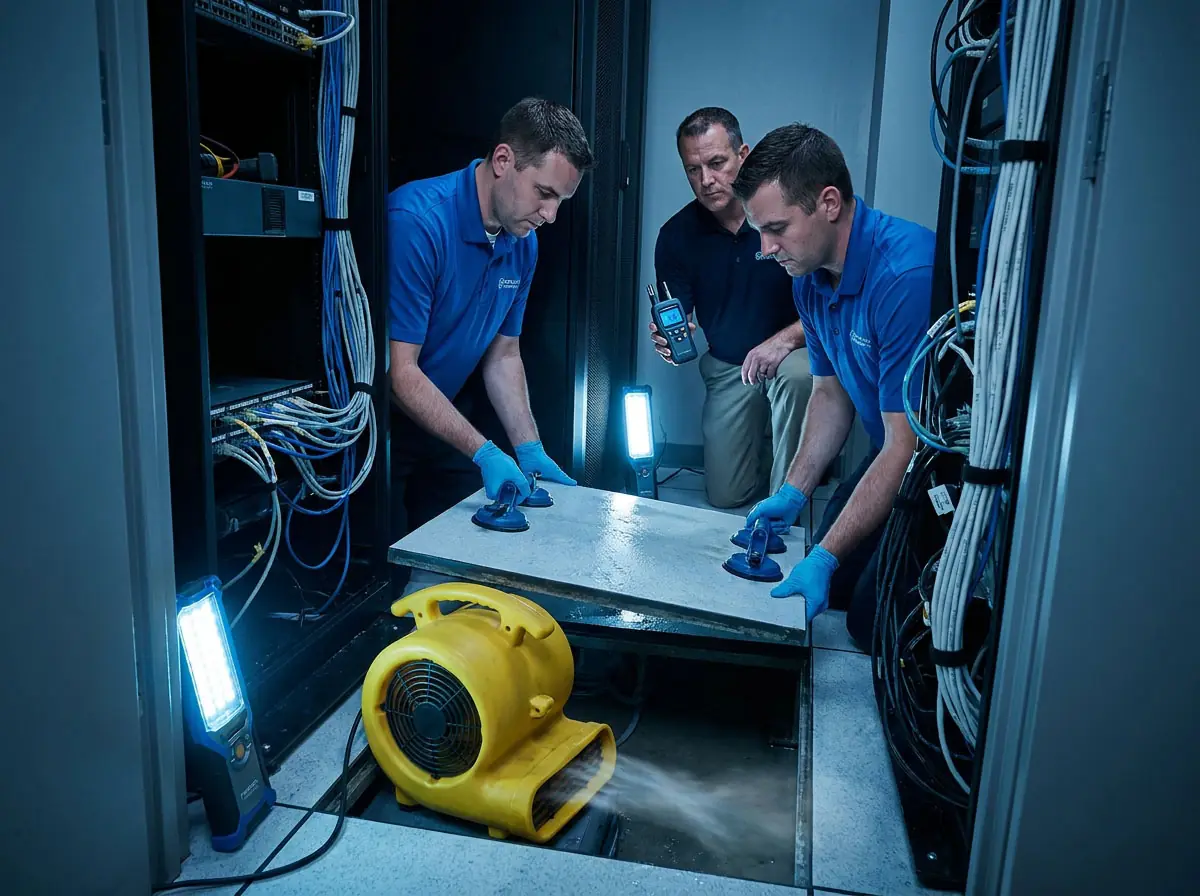
From Hidden Damage to Fresh Air: A Memphis Remediation Case Study
Last month, we stepped into a mid-town bungalow that seemed perfectly fine on the surface. The homeowner smelled something off near the HVAC intake, but because the walls looked dry, she assumed it was just a dirty filter.
Once we opened the wall cavity, we found a colony thriving on the backside of the drywall due to a slow-leaking pipe. What she thought was a simple air quality issue was actually a major structural risk that had been brewing for months.
Our team treated the space like a surgical operation. We stopped the moisture, removed the contaminated materials, and scrubbed the air until the house felt like a brand new build again.
The Reality of Hidden Infestations
Most mold problems in Memphis are invisible until the damage is already expensive to fix. If you ignore the warning signs, you are essentially paying for a hidden rot experiment inside your own studs.
Here is what happens when you catch the damage early versus when you wait for the mold to reach the surface:
- Early detection: Focused cleanup, zero structural loss, and minimal cost.
- Late detection: Professional demolition, wall replacement, and significant property value loss.
- DIY attempt: Spores are released into the air, spreading the colony to your furniture and curtains.
Smart homeowners understand that a mold colony is not just a stain; it is a biological threat to your home's integrity. By acting the moment you smell that signature musty scent, you move the problem from a high-cost restoration project to a quick, surgical removal.
Selecting the Right Restoration Expert for Your Property
When you invite a company into your home to handle a mold outbreak, you are trusting them with your family’s health and the structural integrity of your largest investment. In Memphis, there is a big difference between a general contractor who owns a shop vac and a certified mold remediation specialist. You need someone who understands the local climate and has the gear to prove it.
Check for these credentials before you sign any work order:
- IICRC Certification: This is the gold standard for restoration professionals. It proves they follow scientific protocols rather than guessing.
- Local References: Ask for photos or contact info from past Memphis jobs. If they have done good work, they will be happy to show it off.
- Insurance Coverage: Make sure they carry specific pollution and mold liability insurance. Standard general liability often excludes mold work, leaving you holding the bag if things go sideways.
Do not be afraid to grill the contractor during the estimate. If they offer a quick quote over the phone without seeing your property, hang up. A real pro will spend time inspecting your attic, crawlspace, or basement to find the source of the moisture. If they do not fix the leak, the mold will be back within a month, no matter how much chemical they spray.
Final Words
You have the facts now. You know that bleach is a temporary mask for a permanent problem, and you understand why the Memphis climate acts as a fuel source for fungal growth.
Leaving mold to chance is a losing game. It eats through your drywall, compromises your indoor air quality, and chips away at the resale value of your investment every single day it remains hidden.
Taking control requires a methodical approach that goes beyond the surface. If you are ready to stop the guessing game, our professional Mold Remediation services are designed to give you peace of mind.
What happens next?
We do not just scrub the walls. We identify the source of the moisture that invited the colony in the first place.
Without addressing the root cause, you are just waiting for the next bloom. Our team stops the cycle by:
- Locating hidden moisture pockets behind your studs.
- Applying industrial-grade HEPA filtration to scrub the air of microscopic spores.
- Treating the structural wood to prevent future growth from ever taking hold.
Your property is your sanctuary, not a home for spores. Reach out today to schedule an inspection before a small stain turns into a massive repair bill.
People Also Ask
Is mold remediation required by law for Memphis homeowners?
While local laws may not mandate remediation for all cases, property owners are responsible for maintaining a safe living environment. Neglecting significant mold growth can lead to building code violations or health liabilities under local housing regulations.How quickly does mold grow in Memphis homes?
Due to the high humidity levels in our region, mold spores can begin to colonize within 24 to 48 hours of moisture exposure. The Environmental Protection Agency confirms that keeping indoor humidity low is the most effective way to prevent these rapid outbreaks.Does homeowners insurance cover mold removal in Memphis?
Coverage typically depends on whether the mold resulted from a sudden, accidental water event like a burst pipe. If the mold developed slowly due to long term humidity or poor maintenance, most policies will deny the claim.Can I safely remove black mold myself?
Attempting to remove black mold without professional containment often spreads spores throughout your HVAC system and other rooms. Professional remediation is necessary to ensure the source is identified and the spores are safely neutralized.What are the health risks of living with mold?
Exposure to mold can cause a variety of health issues, including respiratory infections, allergic reactions, and persistent headaches. Individuals with asthma or weakened immune systems are particularly susceptible to severe symptoms when mold is present indoors.Need Water Damage Restoration Services?
We provide rapid water damage restoration across Memphis and surrounding communities to stabilize your property and prevent further structural issues. Our response teams arrive promptly to extract water and initiate professional drying for residential and commercial properties (38103, 38104, 38112, 38117, 38120).
Request Custom Estimate