


⚡ TL;DR: This comprehensive guide explains effective methods for Crawl Space Water Removal in Mableton to help homeowners identify flood sources, mitigate structural damage, and maintain a healthy home foundation.
📋 What You’ll Learn
Dealing with standing water under your home is stressful, but this guide explains how Mableton property owners can identify, extract, and permanently resolve crawl space moisture issues to ensure structural longevity.
- Identify hidden moisture sources by recognizing the common environmental factors and drainage failures that cause water to collect under Mableton homes, damaging your foundation and subfloor framing materials.
- Master effective extraction techniques through a step-by-step review of professional removal processes, including pump systems and dehumidification methods designed to restore your crawl space to a dry state.
- Recognize critical warning signs using our specialized checklist to spot early indicators of structural decay, helping you address foundation instability before expensive, large-scale repairs become an absolute necessity.
- Implement long-term protective solutions by evaluating modern waterproofing strategies and professional remediation options that keep your home healthy, compliant, and shielded from Georgia’s humid climate and seasonal rainfall.
📖 Reading time: 7 min
✍️ Author expertise: Mableton water damage specialist with years of hands-on crawl space restoration field experience.
Most Mableton homeowners think their foundation is solid ground until they smell that telltale, musty rot creeping up through their floorboards. By the time you notice the dampness, your home is already drinking up moisture that should never be there.
Water sitting beneath your living room isn't just a minor inconvenience or a bit of humidity. It is a slow-motion wrecking ball eating away at your property value and inviting dangerous mold into the air your family breathes every single day.
You cannot afford to ignore a wet crawl space, because the longer that water stays, the more expensive the structural repairs become. Let’s look at how to get that water out for good and stop the damage before your foundation pays the ultimate price.

Identifying the Primary Sources of Crawl Space Flooding in Mableton
Mableton sits on a mix of red clay and low-lying geography that loves to hold onto moisture. When the heavy Georgia rains arrive, that water needs somewhere to go, and your crawl space often becomes the path of least resistance.
If you find standing water under your house, it usually stems from a few specific culprits. Identifying the source is the crucial first step to stopping the rot before it reaches your structural beams.
Common Causes of Subfloor Saturation
- Poor Lot Grading: If the ground slopes toward your foundation instead of away from it, rainwater collects right against your perimeter.
- Clogged or Broken Gutters: Water dumping inches from your home during a storm creates a concentrated pool that seeps through the porous foundation blocks.
- High Water Table Levels: During especially wet seasons, the natural water table in parts of Cobb County rises, pushing groundwater up through the soil and into your crawl space.
- Leaking Plumbing Lines: Sometimes the water isn't from the sky at all; a slow leak in a supply line or a failed sewer pipe will turn your crawl space into a swampy mess.
You might think a little dampness is normal for a home in the South, but standing water is a red alert. Once the soil under your home becomes saturated, it loses the load-bearing capacity needed to keep your floors level and secure.
The Hidden Impact of Standing Water on Georgia Foundation Integrity
Your foundation acts as the backbone of your Mableton home. When standing water collects in the crawl space, it does not just sit there; it initiates a destructive cycle of hydrostatic pressure and erosion.
Georgia soil is notorious for its clay content. When that soil becomes saturated, it expands, pushing against your foundation walls with enough force to cause hairline cracks that grow into major structural failures.
If you ignore these signs, you aren't just dealing with a puddle; you are risking the integrity of the entire structure. Here is how that moisture silently compromises your home:
- Concrete Spalling: Water leaches minerals from the concrete, causing it to flake and weaken over time.
- Settling Issues: As the soil beneath your footings shifts due to water saturation, your home can begin to tilt or sink unevenly.
- Corrosion: Moisture accelerates the rusting of support columns and metal fasteners, stripping away the strength of your floor joists.
- Wood Decay: Fungus feeds on moist wood, turning your sturdy floor supports into soft, spongy material that can no longer hold the weight of your home.
You might think your foundation is tough enough to handle a little dampness, but you would be wrong. Constant moisture is the primary catalyst for rapid material degradation.
Once the wood begins to rot or the concrete develops fissures, the cost of repair shifts from simple waterproofing to intensive structural restoration. Stop the problem while the damage is still manageable before your home literally sags under the weight of the water below.

Crawl Space Water Removal and Moisture Mitigation Techniques
Getting water out of your crawl space is not just about a shop vac and a prayer. It requires a systematic approach to ensure the source is stopped and the moisture is purged from the structural components of your Mableton home.
Professional remediation follows a strict four-phase process to restore dry conditions safely:
- Extraction of standing water using high-capacity industrial pumps.
- Physical removal of saturated insulation and debris that acts as a sponge.
- Deployment of commercial-grade dehumidifiers to pull moisture from floor joists and sub-flooring.
- Sanitization of the area to kill mold spores and bacterial growth.
Once the area is physically dry, we focus on mitigation techniques to prevent a repeat performance. This often involves installing a heavy-duty vapor barrier, which is a thick plastic liner that seals the earth floor off from your home's air supply.
We also inspect your perimeter drainage. If your gutters are dumping water right against the foundation, we redirect those downspouts immediately. Closing the loop on moisture means keeping the outside water out and the inside air dry.
Recommended Mitigation Checklist
- Check that downspouts extend at least six feet away from the house.
- Inspect the crawl space vents; they should be sealed for a closed system.
- Install a high-quality sump pump if your home sits on a lower grade.
- Verify the vapor barrier is taped and sealed at all edges for maximum protection.
Preventing Structural Decay: A Warning Signs Checklist Table for Property Owners
Your foundation does not send out a distress signal until the damage is already significant. By keeping a sharp eye on your home, you catch these issues while they are still manageable repairs rather than catastrophic failures.
| Observation | Possible Cause | Urgency Level |
|---|---|---|
| Musty odors indoors | Mold growth or trapped moisture | High |
| Cracks in drywall | Foundation settling or shifting | High |
| Sticking doors or windows | Humidity affecting wood frame | Moderate |
| Visible water stains | Active standing water | Critical |
| Pest infestations | Damp, decaying wood debris | Moderate |
If you see even one of these signs, act immediately. Moisture in a crawl space moves upward through the subfloor and into your living area through a process called the stack effect.
Once the wood frame of your house gets damp, it becomes a magnet for wood-destroying fungi and termites. These silent invaders thrive in the humid, dark conditions that Mableton crawl spaces provide during our wet Georgia seasons.
Checklist for Routine Inspection
You can perform a quick visual sweep of your home every few months. Use this list to stay ahead of the decay:
- Check your floorboards for any bouncy or soft spots.
- Look for peeling wallpaper or paint near the baseboards.
- Inspect the exterior perimeter for pooling water after a heavy rain.
- Ensure your gutters are clear to prevent water from dumping directly against your foundation walls.
From Saturated to Sealed: A Mableton Crawl Space Remediation Case Study
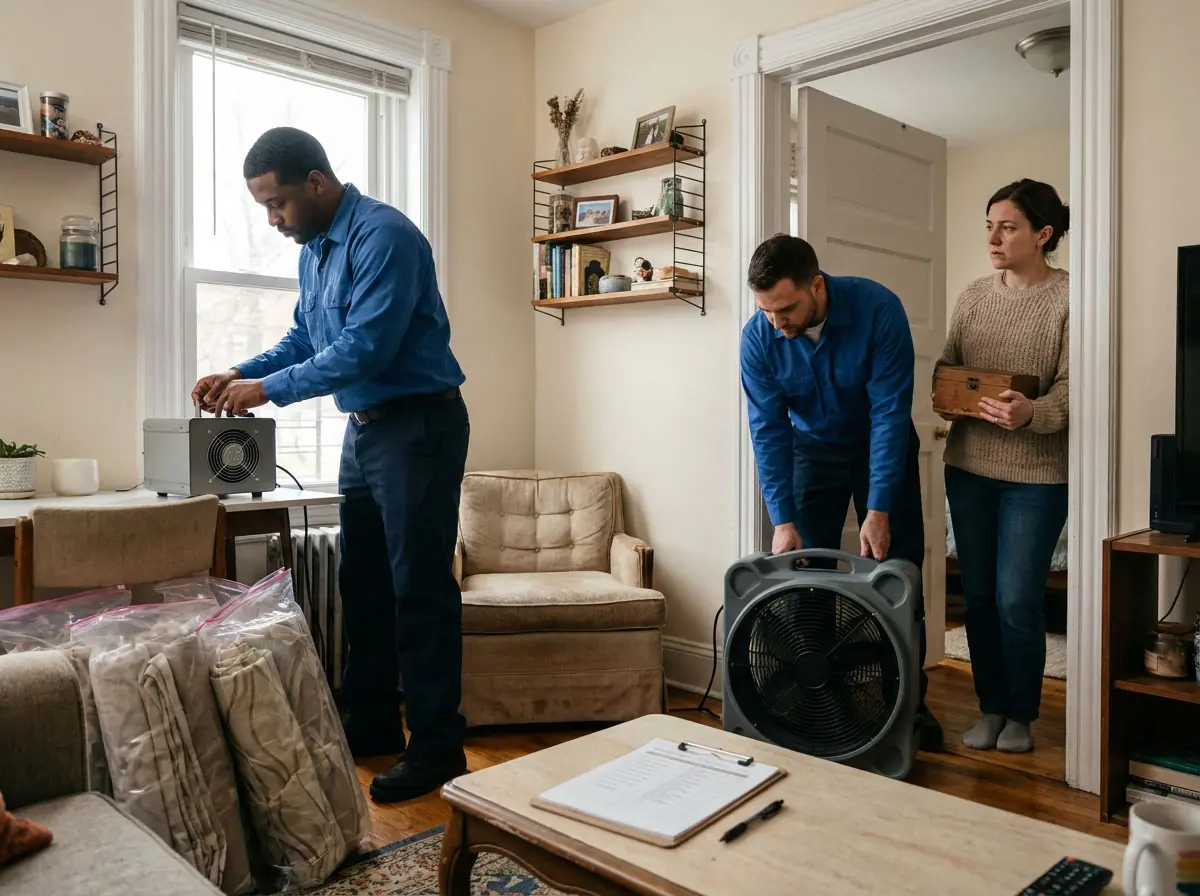
We recently handled a project for a Mableton homeowner whose crawl space had become a literal swamp after a heavy spring downpour. The moisture levels were so high that the wooden subfloor joists were beginning to bow and show signs of dangerous fungal growth.
The situation was critical. We had to act fast to stop the structural rot before it spread to the main living area.
Here is a breakdown of how we transformed this neglected space into a dry, protected zone:
- Phase 1: Extraction of standing water using industrial-grade submersible pumps.
- Phase 2: Removal of saturated, mold-infested insulation that acted like a sponge.
- Phase 3: Installation of a high-performance vapor barrier to seal the earth away from the home.
- Phase 4: Setup of a commercial dehumidifier to lock in a dry environment.
The results were immediate and drastic. By taking the time to completely seal the area, we stopped the cycle of evaporation that was rotting the floorboards from beneath. The homeowner reported that the musty, metallic smell in their kitchen vanished within just forty-eight hours.
Our team proved that you do not have to live with a damp, deteriorating home foundation. When you eliminate the source of the moisture and block the ground vapors, your home finally has a fighting chance to stay solid for the long haul.
Selecting the Right Professional Waterproofing Solutions for Long-Term Protection
When you finally clear the water, you face a critical choice: do you patch the issue, or do you fix it for good? Substandard repairs are the primary reason many homeowners end up calling us twice. You need a system that addresses the source, not just the symptoms.
The most effective strategy usually involves a combination of mechanical and structural fixes. Relying on a single sump pump is rarely enough when Georgia storms hit hard. You must build a defensive perimeter that keeps your foundation bone dry, regardless of the weather outside.
Core Waterproofing Components to Demand
Professional remediation goes beyond simple extraction. If you want to stop the cycle of decay, look for a company that implements these specific solutions:
- Interior Drain Tile Systems to redirect groundwater before it pools against your footings.
- High Capacity Sump Pumps equipped with battery backups for power outages.
- Encapsulation Barriers using heavy duty vapor liners to seal out soil gases and moisture.
- Dehumidification Systems designed to maintain a consistent humidity level below 50 percent.
Don't fall for the cheapest bid that only offers a temporary pump setup. A true waterproofing solution integrates these elements to protect your equity for the next decade. If the contractor isn't talking about vapor barriers or structural drainage, they are setting you up for failure.
Final Words on Maintaining a Dry and Healthy Home Environment
Keeping a home healthy starts where you least expect it: beneath your feet. Consistent maintenance is the only real insurance policy against the massive costs associated with structural rot and airborne contaminants.
Most homeowners assume that once a crew leaves, the job is finished for good. That is a dangerous mistake. You need to remain proactive if you want to keep your Crawl Space Water Removal systems running at peak performance.
Consider these simple habits to keep your home's foundation safe:
- Check your gutter downspouts every few months to ensure they deposit water at least ten feet away from your foundation walls.
- Schedule an annual inspection of your vapor barrier to ensure no tears or gaps have appeared due to pests or shifting soil.
- Look for standing water around the perimeter of the home immediately after a heavy Georgia thunderstorm.
If you see a new puddle or smell that distinct, damp earth scent, do not wait for the next season. Small moisture problems become expensive nightmares when they are ignored for too long. Reach out to a professional as soon as you spot a red flag.
A dry crawl space is not just about protecting lumber. It is about protecting your air quality and the long-term equity you have built in your property. Stay vigilant, stay dry, and keep your home's foundation solid for years to come.
People Also Ask
How much does crawl space water removal cost in Mableton?
The cost depends on the volume of water, the extent of structural damage, and whether mold remediation is required. We recommend scheduling a professional inspection to receive an accurate estimate tailored to your property needs.Why is there standing water in my crawl space?
Standing water often results from poor exterior drainage, high groundwater tables, or plumbing leaks under the home. According to the EPA guidelines, moisture control is essential to prevent indoor air quality issues and structural deterioration.Can a wet crawl space damage my foundation?
Yes, prolonged moisture exposure weakens concrete footings and causes soil erosion around the foundation perimeter. This can lead to significant settling and cracks that compromise the entire structural integrity of your home.How do I prevent water from entering my crawl space?
Effective prevention involves installing a sump pump, sealing foundation cracks, and ensuring your gutters direct water away from the house. Maintaining proper grading around your foundation is also critical for long term moisture mitigation.Is crawl space encapsulation necessary in Georgia?
Given the high humidity levels in our region, encapsulation is highly recommended to protect your home from wood rot and pest infestations. It creates a sealed environment that keeps your subfloor dry and significantly improves your home energy efficiency.Need Water Damage Restoration Services?
We provide rapid emergency water extraction and structural drying to restore your property in Mableton and surrounding communities. Our team arrives quickly to mitigate damage and secure your home or business (30126, 30106, 30168, 30080).
Request Formal Estimate