
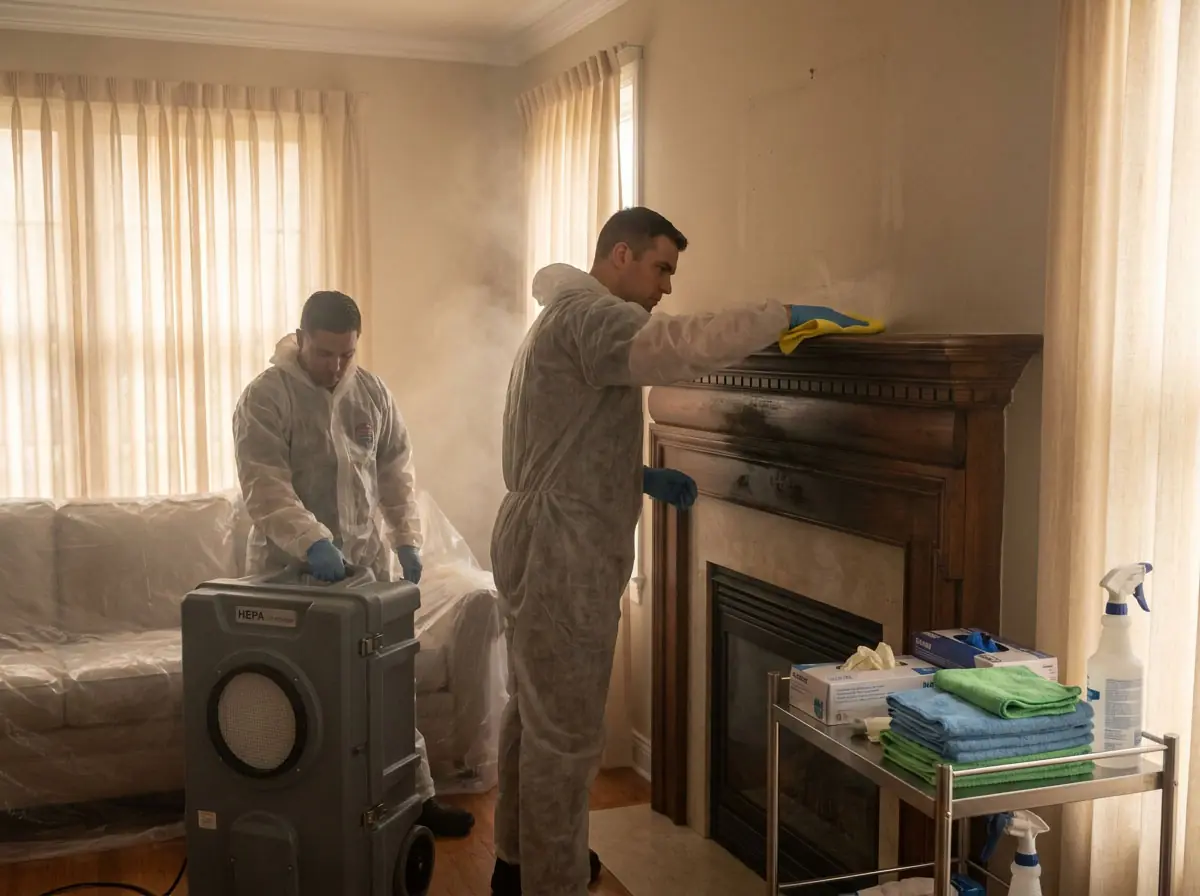


⚡ TL;DR: This guide explores why professional structural drying services are essential for Lynchburg residents to prevent long term property damage through advanced techniques, specialized equipment, and expert restoration processes.
📋 What You’ll Learn
Discover the critical science behind professional structural drying in Lynchburg, VA. This guide explains why residential water damage requires advanced intervention to prevent hidden mold growth and long-term property decay.
- Master the physics of drying by learning exactly why standard fans often fail to remove moisture trapped deep within subfloors, drywall, and hidden wall cavities in local homes.
- Evaluate professional restoration equipment through a detailed breakdown of industrial-grade dehumidifiers versus household box fans, highlighting why specialized air movement is necessary for effective moisture removal.
- Follow a real case study that tracks the life cycle of water damage in a Lynchburg property, showing how professional drying stages stop secondary damage from destroying your home.
- Implement long-term prevention strategies to protect your structure after a flood, ensuring your property remains dry and mold-free long after the initial restoration work is fully complete.
📖 Reading time: 7 min
✍️ Author expertise: Lynchburg restoration specialist with a decade of hands-on water mitigation and structural repair.
A burst pipe in your Lynchburg basement doesn't just leave a mess; it turns your home’s skeleton into a ticking time bomb for mold and decay. Most homeowners assume that a fan and an open window will do the trick, but moisture is far more persistent than that.
When water seeps into your floor joists and wall studs, it hides where you can't see it. If you fail to pull that trapped moisture out immediately, you are essentially inviting rot and thousands of dollars in hidden repair bills into your living room.
We see it happen every week across Virginia, and it usually stems from a misunderstanding of how deep water actually travels. Let's pull back the curtain on the science of structural drying and why your Lynchburg property requires a professional touch to survive the aftermath of a flood.

The Hidden Physics: Why Surface Drying Fails Your Property
Most people treat water damage like a spill on the kitchen counter. They grab a towel or point a household fan at the wet spot and assume the job is done once the floor looks dry.
This is a dangerous mistake. Moisture behaves like a sponge, pulling water deep into porous building materials like wood studs, drywall, and subflooring.
If you only dry the surface, you leave the internal structure damp. This creates a hidden environment where moisture continues to migrate, fueling biological growth and structural decay from the inside out.
Why Fans Alone Can’t Save Your Walls
A standard household fan just moves air around. It does not control the relative humidity or temperature, which are the two pillars of true structural drying.
When you rely on basic fans, you face several immediate problems:
- You push moisture deeper into wall cavities rather than pulling it out.
- The air becomes stagnant and heavy, which actually promotes rapid mold colonization.
- You fail to reach the dew point, meaning water condenses on hidden surfaces instead of evaporating.
Professional drying is not about air movement; it is about moisture equilibrium. We use industrial-grade equipment to manipulate the environment so that your home is forced to release the trapped water into the air, where our dehumidifiers catch it and pump it away.
Specialized Equipment Used by Lynchburg Restoration Experts
When moisture invades your home, basic hardware store fans are like bringing a squirt gun to a forest fire. Our Lynchburg crews deploy industrial grade equipment that controls the environment rather than just pushing air around.
We rely on heavy duty gear designed to pull moisture directly out of building materials. This is not about feeling a breeze; it is about physics.
- LGR Dehumidifiers: These units scrub the air, pulling massive amounts of water vapor out of the building.
- High Velocity Air Movers: We place these strategically to force evaporation across saturated surfaces.
- Moisture Meters: Sensors that allow us to see through walls and verify that the studs are actually dry.
- Injectidry Systems: Specialized hoses that force dry air directly into wall cavities and under hardwood floors.
Using this gear allows us to reach the deep saturation points that standard fans ignore. By controlling the vapor pressure, we change the air inside your home to act like a giant sponge, pulling liquid water out of your wooden framework before decay takes hold.
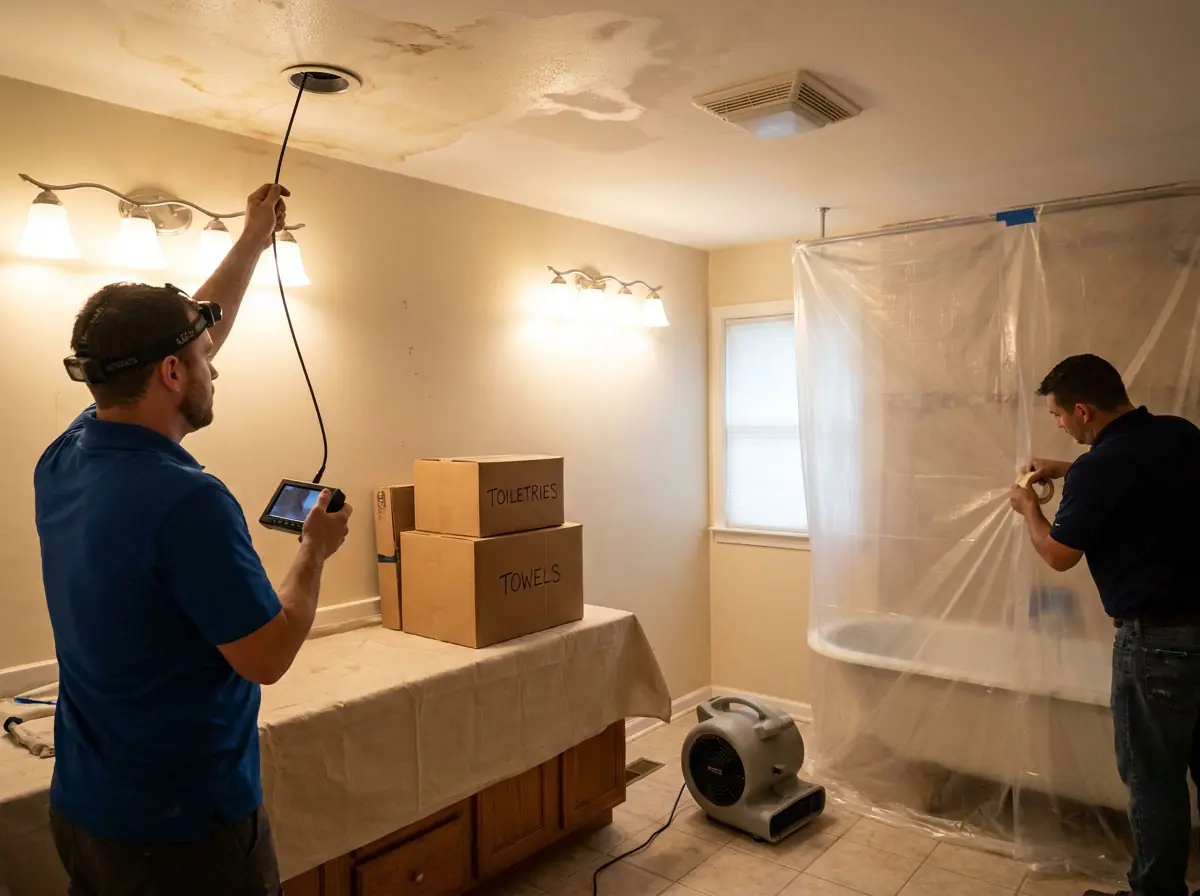
A Performance Table: Comparing DIY Fans Versus Professional Dehumidification Systems
You might think your box fans are working because the floor feels dry to the touch. That is a dangerous illusion. Household fans simply push air around the room, which can actually spread mold spores further into your HVAC system.
Professional equipment does something completely different; it controls the environment by changing the moisture content of the air itself. Industrial dehumidifiers pull vapor out of wall cavities that you cannot even see, preventing the saturation of your home’s structural components.
| Feature | Standard Household Fan | Pro-Grade Dehumidifier |
|---|---|---|
| Air Movement | Moves air locally | Creates balanced circulation |
| Moisture Removal | Zero (just pushes vapor) | Extracts gallons per day |
| Target Depth | Surface only | Deep structural sub-flooring |
| Risk Mitigation | Increases mold spread | Eliminates humidity sources |
The difference comes down to grain depression. We monitor the number of grains of water per pound of air, a metric that DIY enthusiasts ignore entirely.
If you rely on store-bought equipment, you are just waiting for the clock to run out. By the time you notice warping or a musty smell, the rot has already taken hold inside your joists and drywall.
Why Professional Systems Win
- They maintain a negative pressure to stop humidity from traveling to unaffected rooms.
- They are calibrated to run for 24 to 48 hours without overheating or failing.
- They physically alter the dew point of your indoor environment to force water out of wood.
The Lifecycle of Water Damage: A Case Study from a Lynchburg Residential Project
Consider a classic Lynchburg basement flood we handled recently near the James River. A supply line ruptured behind the drywall on a Friday evening, and by Saturday morning, the homeowner thought they had cleared the standing water with a wet-vac and a few box fans.
They missed the critical migration of moisture. Within seventy-two hours, the water had wicked upward into the base plates and seeped deep into the subfloor, creating a perfect petri dish for microbial growth.
When our team arrived on Tuesday, the homeowners were complaining of a musty, damp odor that didn't go away. We pulled back the baseboards to reveal wood studs that were soft to the touch and dark with biological colonization.
This is the typical lifecycle of moisture neglect:
- Phase 1: Surface water is removed, providing a false sense of security.
- Phase 2: Porous materials like drywall and wood joists act as sponges, drawing water deep into the structure.
- Phase 3: Hidden humidity triggers mold spores and causes wood rot, often occurring inside wall cavities where you cannot see it.
- Phase 4: Structural integrity degrades, leading to sagging floors and costly, invasive reconstruction.
We had to perform a controlled demolition of the lower wall sections to reach the framing. If the owner had called us at the first sign of the leak, we could have used industrial desiccant drying instead of tearing out their walls.
Speed is your best friend when you have a water event in Virginia. The longer you wait, the more the moisture spreads into the hidden bones of your house.

Critical Stages of the Professional Structural Drying Process
Professional drying is not just about blowing air across a room; it is a calculated engineering process. We start with a deep assessment using non-invasive moisture meters to map out exactly where the water is hiding behind your drywall and under your hardwood floors.
Once we identify the saturation zones, the work begins. Here is how we systematically extract the moisture from your Lynchburg home:
- Water Extraction: We use high-pressure pumps to remove standing water before it settles into the subfloor.
- Dehumidification: We deploy industrial-grade LGR dehumidifiers to pull moisture out of the air and the materials themselves.
- Air Movement: Strategically placed air movers push dry air across wet surfaces to accelerate the rate of evaporation.
- Monitoring: We check moisture content daily to ensure your home is actually drying out, rather than just feeling dry on the surface.
We do not guess when your home is ready. We use scientific verification to track the moisture content of your building materials against baseline readings. When the structure reaches its dry standard, we remove our gear and leave you with a home that is safe, stable, and ready for restoration.
Preventing Long-Term Secondary Damage After a Lynchburg Flood
Most homeowners in Lynchburg think the crisis ends once the standing water is gone. That is a dangerous mistake.
Secondary damage is the silent killer of your home equity. It occurs when moisture stays trapped inside building materials, creating a breeding ground for mold and structural rot that can persist for months after the event.
The Hidden Threats to Your Home
If you do not dry the structure completely, your house will pay the price. Mold spores only need about 24 to 48 hours to colonize damp drywall or wood surfaces.
Once mold takes root, it destroys the air quality inside your house. Beyond health risks, you face these long term consequences:
- Material Degradation: Wood studs lose their load bearing strength as they absorb water.
- Corrosion: Hidden metal hardware and fasteners begin to rust inside your wall cavities.
- Persistent Odors: That damp smell is a sign of active bacterial growth that will not disappear on its own.
- Gypsum Breakdown: Drywall loses its integrity and crumbles, turning into a soggy mess that requires full replacement.
The secret to stopping this rot is psychrometry, which is simply the science of balancing heat and humidity. Professional crews use specialized monitors to track exactly how much moisture remains in your walls.
By forcing the moisture out before it triggers mold, you save yourself the massive cost of demolition and reconstruction. Do not wait for the walls to start peeling or smelling to call for help; by then, the structural damage is already well underway.
Final Words
When water strikes your Lynchburg home, time is your worst enemy. Waiting even twenty-four hours can mean the difference between a simple cleanup and a total demolition of your drywall and wood framing.
If you suspect moisture is lurking behind your walls, do not gamble with your family's health. Relying on basic hardware store fans is a recipe for long-term disaster.
Instead, reach out to our team for professional Structural Drying Services. We bring the precision tools and moisture-mapping technology required to dry your property from the inside out.
Protect Your Investment Today
You cannot afford to ignore hidden water. Once mold takes root in your subfloor or insulation, your repair costs will skyrocket.
- Inspect your home for musty odors immediately after any leak.
- Check the corners of your basement for peeling paint or warped wood.
- Call an expert before secondary damage compromises the integrity of your structure.
Our technicians are ready to assess your home and stop the decay before it spreads. Take control of your property's long-term health by choosing proven, science-backed drying methods that actually work.
People Also Ask
How long does the structural drying process typically take in Lynchburg homes?
Professional drying times usually range from three to five days depending on the moisture saturation levels. Factors like humidity, building materials, and the extent of water intrusion influence the final timeline.Why is professional dehumidification better than using household fans?
Standard fans only move air around without addressing high humidity levels that trap moisture inside walls and flooring. Professional dehumidifiers lower the indoor moisture levels to prevent mold growth and ensure complete material evaporation.What is secondary water damage and how can I avoid it?
Secondary damage occurs when lingering moisture causes mold, warping, or structural decay after the standing water is removed. You can prevent this by contacting professionals immediately to perform industrial moisture mapping and climate control.Does my homeowners insurance cover structural drying services?
Most insurance policies cover structural drying as part of a water mitigation claim if the damage is sudden and accidental. It is important to document all affected areas and provide photos to your claims adjuster to expedite the process.What happens if I ignore wet drywall after a leak?
Wet drywall quickly loses its structural integrity and becomes a breeding ground for harmful mold colonies. Prompt professional intervention is required to sanitize the area and prevent expensive full scale reconstruction.Need Water Damage Restoration Services?
We provide rapid water damage restoration to stabilize your property and prevent further structural issues throughout Lynchburg and the surrounding areas (24501, 24502, 24503, 24504). Our team arrives quickly to extract water and dry your space, restoring your home or business to a safe condition.
Request Price Estimate