


⚡ TL;DR: Before purchasing a property in Louisville, you should utilize this guide to understand how professional water damage inspection helps uncover hidden moisture issues and protects your investment.
📋 What You’ll Learn
Before closing on your Louisville property, use this essential guide to master the art of detecting water damage. We will help you identify hidden moisture issues that could compromise your future investment.
- Identify subtle visual red flags that reveal past or present water intrusion throughout a home, ensuring you spot stains or warped materials that typical inspectors might easily overlook during walkthroughs.
- Pinpoint high-risk household areas where local Louisville contractors frequently discover hidden decay, including basements, crawl spaces, and attic vulnerabilities common in our region's specific climate and housing styles.
- Evaluate potential remediation costs using our detailed reference table, which provides realistic insight into the financial impact of various water issues so you can negotiate your purchase price effectively.
- Utilize professional moisture testing tools by understanding which specific devices and diagnostic methods prospective buyers can use to verify structural integrity before they finalize their home purchase contract.
📖 Reading time: 8 min
✍️ Author expertise: Certified restoration specialist in Louisville with a decade of field experience repairing flood damage.
You find your dream house in a charming Louisville neighborhood, the curb appeal is perfect, and the price feels just right. But beneath that fresh coat of paint and polished hardwood floor, a silent disaster could be rotting your investment from the inside out.
Most homebuyers think a standard inspection covers them, but the truth is far more unsettling. Moisture hides in places a basic checklist never touches, waiting for you to sign the closing papers before revealing its expensive, moldy face.
Before you commit your hard-earned savings to a new property, you need to know exactly how to sniff out hidden water damage. Here is what you must check to ensure your future home is solid ground, not a ticking time bomb.
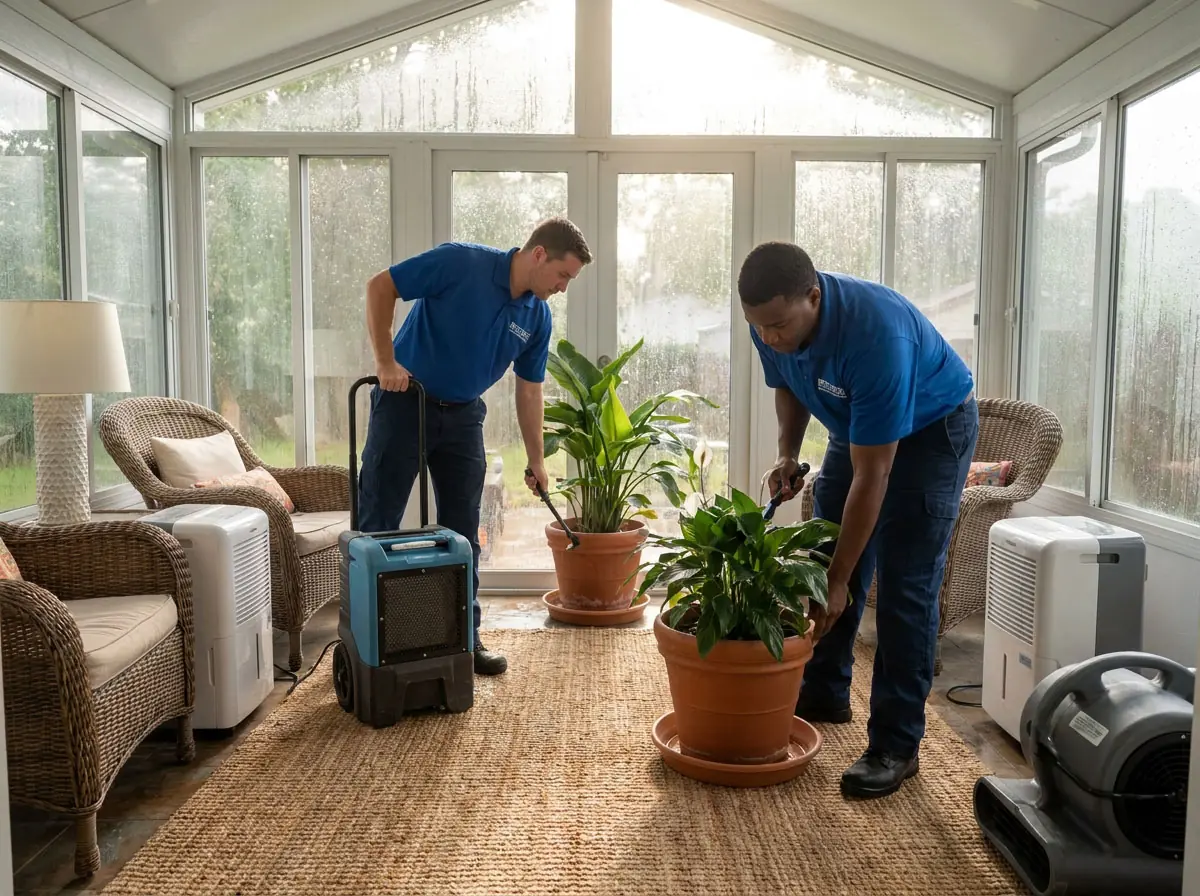
Why Standard Home Inspections Often Miss Moisture Issues
Here is the hard truth about the real estate business. A standard home inspection is a general survey, not a deep-tissue diagnostic of the property's health.
Most inspectors are trained to spot structural defects and electrical hazards. They are not trained to perform invasive moisture testing or mold remediation analysis.
They walk through the home with a checklist, but they rarely have the specialized tools to see what is happening behind the drywall. If the seller has recently painted over a water stain, your inspector might never know it exists.
Consider the limitations of a typical inspection:
- Inspectors rarely move heavy furniture or personal items that might be hiding baseboard rot.
- They do not perform destructive testing, meaning they won't cut open walls to check for leaks.
- Standard reports focus on functionality rather than the long term health of the materials.
- Many inspectors lack the thermal imaging cameras needed to detect temperature variances caused by hidden moisture.
Think of a standard inspection like a quick look under the hood of a used car. It tells you the engine starts, but it says nothing about the slow oil leak slowly destroying the block.
In Louisville, our humid climate and aging housing stock make these gaps even more dangerous. Moisture is the silent killer of home equity, and it thrives in the dark spaces your inspector is not checking.
Identifying Red Flags: Visual Clues of Past and Present Water Intrusion
You do not need a moisture meter to spot the early warning signs of a water-damaged property. Often, the house will tell you exactly where it is hurting if you know where to look. Keep your eyes peeled for these telltale indicators that suggest an underlying plumbing or structural failure.
Start by scanning the ceiling and walls for subtle inconsistencies. You are looking for more than just obvious leaks; check for these specific signs:
- Bubbling or peeling paint, which often hides moisture trapped behind the wallboard.
- Discolored rings or yellow stains that resemble watermarks on drywall.
- Warped floorboards or buckling hardwood that shows signs of expanding from humidity.
- A distinct, musty odor that persists even when the home is freshly ventilated.
Pay close attention to the baseboards and corners. If the wood trim appears brittle or shows signs of deterioration at the floor level, you are likely looking at a history of poor drainage or slow seepage. Always trust your nose; that earthy, damp smell is usually the first sign of mold colonies flourishing in dark, unseen spaces.
Check the exterior of the house with equal scrutiny. Look for moss growth on the foundation or siding, as this points to constant moisture exposure. If the gutters are clogged or the downspouts are pointing directly toward the house, you can bet that the basement is a prime candidate for chronic leakage.
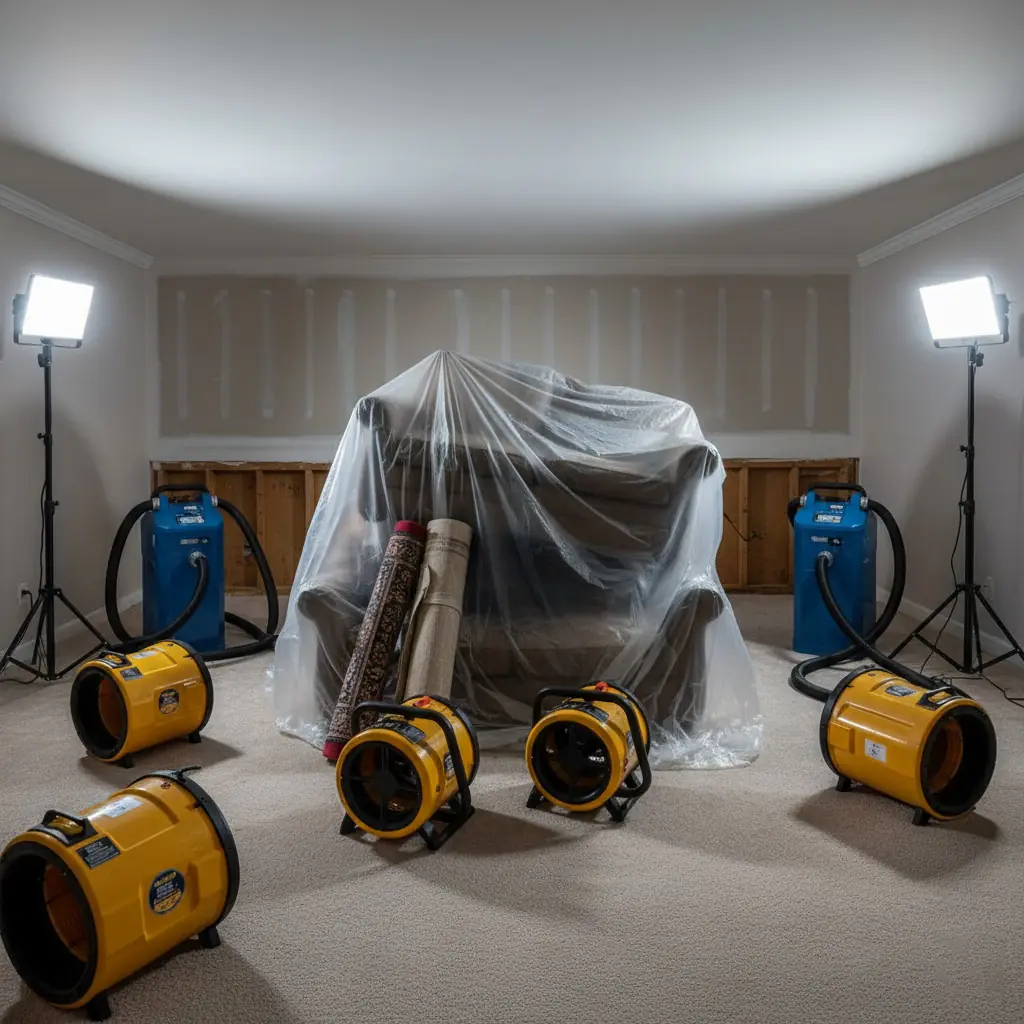
High-Risk Zones: Where Louisville Contractors Find Hidden Decay
Louisville homes come with specific challenges, especially those with historic basements or crawl spaces prone to Ohio River humidity. Our team frequently discovers that water damage isn't just a surface issue; it likes to set up shop where you rarely look.
When scouting a potential property, you need to play detective in these specific hotspots. Focus your attention on these areas where moisture loves to linger:
- The Basement Rim Joist: Check for darkened wood or white, powdery efflorescence on the concrete foundation.
- Attic Baffles and Roof Vents: Look for darkened insulation or signs of organic growth near roof penetrations.
- Behind Kitchen and Bathroom Cabinets: Feel for soft drywall or a musty odor near the baseboards.
- Window Frames and Sills: Inspect for bubbling paint or swollen wood that suggests the seals have failed.
Pay close attention to crawl spaces with inadequate vapor barriers. Many local homes suffer from moisture wicking up from the soil, which feeds mold colonies on floor joists. If you feel a damp, earthy smell when you open the hatch, you are likely looking at a significant remediation project before you even move in your furniture.
Essential Warning Signs and Remediation Costs: A Detailed Reference Table
When you are walking through a potential Louisville home, your eyes are your best defense. You need to look past the staging and focus on the tell-tale signs that suggest water has been doing damage behind the scenes.
The following table breaks down common red flags and the typical financial sting they pack. Keep in mind that these numbers can shift based on the scope of the rot and the age of your property.
| Indicator | Potential Problem | Estimated Remediation Cost |
|---|---|---|
| Musty Odors | Active Mold Growth | $1,500 - $4,000 |
| Buckling Floorboards | Subfloor Saturation | $2,000 - $6,000 |
| Water Stains on Ceiling | Roof or Plumbing Leaks | $500 - $2,500 |
| Cracked Foundation Walls | Seepage Issues | $3,000 - $10,000+ |
| Blistering Paint | Moisture Behind Drywall | $800 - $3,000 |
Do not just shrug off a faint damp smell in the basement. That scent is often the calling card of a mold colony thriving in your floor joists.
If you spot these issues, do not assume they are minor cosmetic flaws. Often, what appears to be a small surface stain is just the tip of the iceberg.
What You Need to Watch For
- Bubbling or peeling wallpaper near baseboards.
- Soft spots in the floor under bathroom vanities.
- Rust marks on water heater bases or HVAC equipment.
- Efflorescence, which looks like a white, chalky powder on masonry walls.
Factor these potential costs into your offer price immediately. If a seller refuses to address these findings, you are essentially agreeing to pay for their historical neglect once you move in.
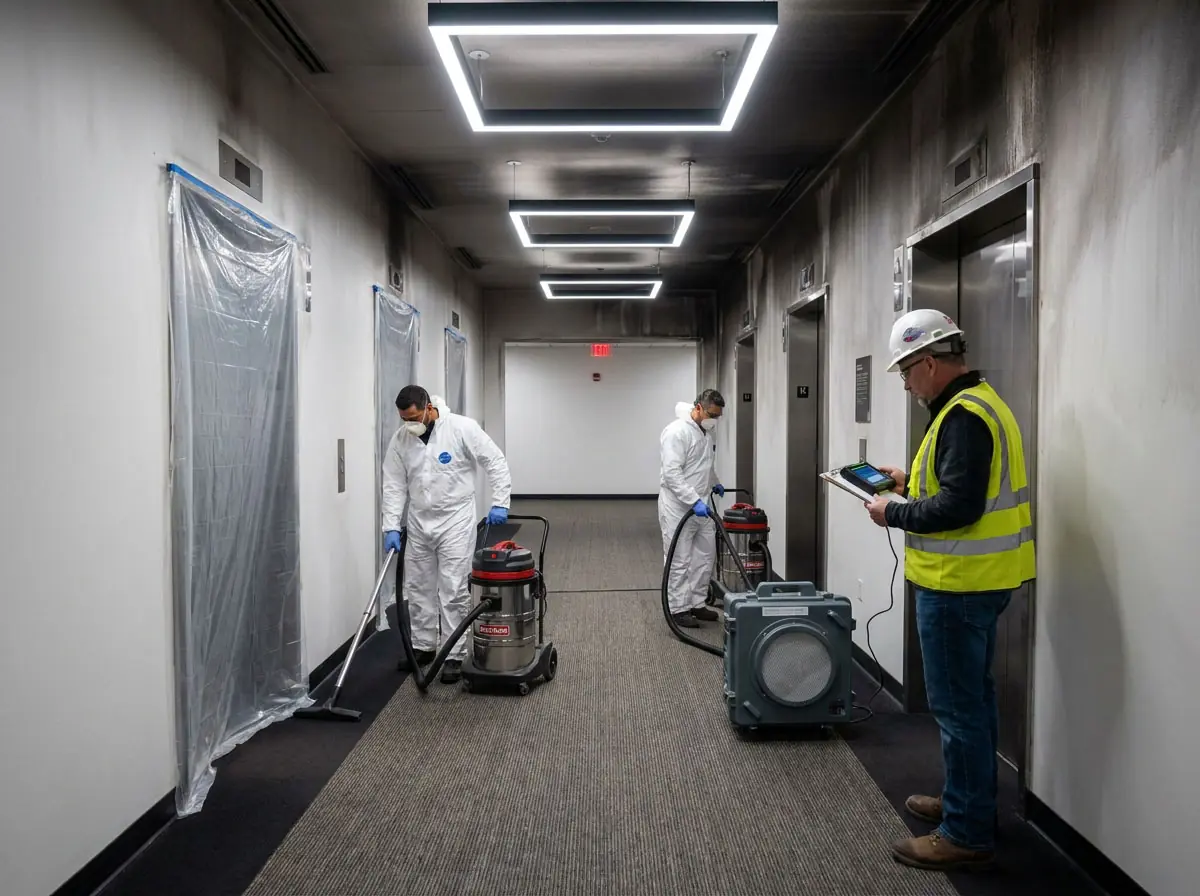
Real-World Restoration: A Case Study in Recovering a Louisville Property
I recently walked into a beautiful, brick-front property in the Highlands area that looked like a bargain on paper. To the untrained eye, it was pristine, but our moisture mapping tools revealed a different story behind the living room wall.
The previous owner had patched a minor roof leak years prior, but they failed to address the seepage inside the wall cavity. What we found was a thriving colony of black mold devouring the studs and contaminating the insulation, all neatly hidden behind fresh drywall.
We had to strip the room to the bare studs to stop the rot from spreading to the structural beams. This is the reality of hidden water damage: it is a slow-motion wrecking ball that turns a cozy home into a massive financial sinkhole.
Here is what the recovery process involved for this specific Louisville property:
- Containment: Setting up negative air pressure zones to keep mold spores from drifting into the rest of the house.
- Extraction: Tearing out saturated porous materials like drywall, baseboards, and carpet padding.
- Disinfection: Applying professional grade antimicrobial treatments to the exposed wooden framing.
- Drying: Running high-velocity industrial fans and dehumidifiers for three full days to bring the moisture content down to safe levels.
If the buyer had hired us for a pre-purchase moisture inspection, they would have caught this disaster before closing. They could have either walked away from the deal or demanded the seller pay for the five-figure remediation bill. Instead, they inherited a project they never asked for, proving that what you cannot see can absolutely destroy your bank account.
Essential Tools and Professional Testing Methods for Prospective Buyers
A standard home inspector usually relies on their eyes and a flashlight, but serious water damage is a master of disguise. To truly protect your investment, you need to look beyond the surface level with the same precision a professional restoration expert uses.
If you want to play detective before closing, consider these essential tools for your walk-through:
- Moisture Meters: These devices detect the presence of water inside materials like drywall or wood that look dry to the naked eye.
- Infrared Thermal Imaging Cameras: They reveal temperature variations that pinpoint hidden leaks behind walls or under floors.
- Borescope Cameras: Small, flexible cameras that slip into tight spaces to inspect ductwork or crawl space cavities.
If you find something suspicious, do not just hope for the best. Bringing in a certified water damage specialist for a targeted inspection is the only way to get a clear picture of the property health.
These pros use advanced methods like pressure testing and hygrometer readings to confirm if the home environment is stable. Spending a few hundred dollars now on professional testing could save you tens of thousands in future remediation costs; it is the smartest move you can make before signing the final paperwork.
Final Words
Buying a home in Louisville is a massive financial commitment. Do not let a polished kitchen or new trim distract you from the structural reality of the property.
If you see even a small hint of dampness, demand a professional Water Damage Inspection before you hand over your earnest money. A few hundred dollars spent on an expert assessment today saves you thousands in mold remediation and joist replacement later.
Three Golden Rules for Buyers
- Trust your nose: If a house smells like heavy perfume or bleach, that is a classic trick to mask a deep, musty odor.
- Look for patch jobs: Freshly painted walls in only one corner of a basement are a neon sign pointing to a recurring leak.
- Get documentation: If the seller claims repairs were made, ask for invoices from a licensed contractor. If they have no receipts, assume the work was never done.
You are the one holding the checkbook. Walk away if the seller refuses to let a moisture expert test the foundation or crawl space.
Smart buyers prioritize the bones of the house over the paint job. Protect your family and your bank account by uncovering the truth before you move in.
People Also Ask
Does a standard Louisville home inspection cover water damage?
Most standard home inspections are visual and do not include invasive moisture testing or internal wall scans. You should consider hiring a specialized restoration expert to conduct a moisture assessment if the general inspector notes any potential signs of leaks.What are the common causes of water damage in Louisville homes?
Louisville properties often experience water damage due to aging basement foundations, poor exterior drainage, and pipe bursts during cold winter months. These issues can lead to hidden mold growth and structural decay that remains unnoticed by the average buyer.How do I know if a home has had previous water damage?
Look for fresh paint patches on ceilings, warped floorboards, or a musty odor that persists despite recent cleaning. The EPA provides comprehensive guidance on recognizing and managing potential indoor moisture issues before they become severe.Should I walk away if a home inspection reveals water damage?
Not necessarily, but you must obtain a detailed estimate from a restoration professional to understand the true cost of repairs. Use these findings to renegotiate the purchase price or request that the seller completes the necessary remediation before closing.What is the most effective way to test for moisture in a property?
Professionals utilize thermal imaging cameras and moisture meters to detect trapped water behind walls and under flooring. These non invasive tools identify temperature differences that reveal active leaks or high humidity areas invisible to the naked eye.Need Water Damage Restoration Services?
We provide rapid water damage restoration for homes and businesses across Louisville and surrounding areas. Our team arrives quickly to extract water, dry your property, and restore your space to pre-loss condition (40202, 40204, 40206, 40207, 40245).
Request Price Estimate