


⚡ TL;DR: This guide explains why coastal humidity makes mold remediation difficult in Long Beach and provides professional strategies to eliminate moisture sources and prevent future growth in your home.
📋 What You’ll Learn
Discover the reality of managing mold in Long Beach, where coastal moisture meets outdated DIY methods. We expose professional protocols to help you secure your home against persistent fungal growth effectively.
- Avoid common cleaning pitfalls by understanding why using household bleach on porous surfaces often backfires and actually encourages mold colonies to burrow deeper into your building materials.
- Master coastal climate defenses to protect your Long Beach residence from the unique humidity levels and salt air that create the perfect breeding ground for indoor mold spores.
- Follow professional containment steps by learning the rigorous safety protocols and isolation techniques that remediation experts use to ensure mold particles do not spread during the removal process.
- Locate hidden moisture sources by identifying the subtle structural vulnerabilities in your home that allow water intrusion to persist, even after you have cleared visible signs of growth.
📖 Reading time: 8 min
✍️ Author expertise: Certified Long Beach restoration technician with ten years of field experience mitigating water damage.
You wake up to that unmistakable, heavy musk hitting your nostrils the second you step into your hallway, and your heart sinks. It is not just an unpleasant odor; it is a signal that your Long Beach home is under silent attack from a moisture-loving intruder that thrives in our coastal air.
Most homeowners make a panicked dash for the bleach bottle, convinced they can scrub their way out of the mess. They have no idea that they are likely making the situation ten times worse, feeding the spores instead of killing them.
The truth is, the professional restoration industry keeps a few cards close to their chest when it comes to permanent removal. I am going to pull back the curtain on how to actually stop the growth for good, so keep reading to see what you have been doing wrong.

Why Your Bleach Strategy Is Accelerating Mold Growth
Here is the hard truth that hardware store employees won't tell you: bleach does not kill mold on porous surfaces. It is a chemical illusion. Because bleach is water-based, the chlorine evaporates quickly, leaving the water behind to soak deep into your drywall or wood framing.
Instead of destroying the root system, you are essentially watering your indoor garden. You feed the mold colony, providing the very hydration it needs to expand its reach behind your walls.
The Bleach Trap
When you scrub moldy drywall with bleach, you might see the surface color fade. That is just a visual trick. The microscopic "roots" or hyphae remain embedded deep inside the material, waiting for the next humid day to sprout back to life.
Using bleach creates several specific dangers for your home:
- It pushes spores into the air, spreading the contamination to other rooms.
- The high water content encourages deeper colonization within porous materials.
- It provides a false sense of security while the mold keeps eating your home from the inside out.
If you see black spots appearing on your ceiling or baseboards, put the bleach bottle down. Professional remediation requires specialized EPA-registered anti-microbial agents that actually encapsulate and neutralize the fungus at the cellular level. Anything less is just a waste of your time and a gift to the mold colony.
Coastal Climate Challenges: Why Long Beach Homes Are High-Risk Zones
Living near the Pacific Ocean in Long Beach offers incredible views, but it creates a perfect storm for fungal growth. Our constant marine layer and high humidity levels keep building materials in a state of permanent moisture absorption. When outdoor humidity levels consistently hover above sixty percent, your home acts like a giant sponge.
This excess moisture isn't just a surface issue. It permeates your drywall, wooden subfloors, and insulation, creating a feeding ground that stays active 24/7. Even if you cannot see water dripping, the air itself is often wet enough to sustain a colony.
Key Coastal Factors Driving Mold Growth
- Salt air corrosion: Salt buildup on windows and vents compromises seals, allowing microscopic moisture to seep into wall cavities.
- Temperature swings: The rapid shift between cool ocean breezes and daytime heat causes condensation inside your walls.
- Poor ventilation: Many older Long Beach properties were built before modern vapor barriers, trapping moisture inside the structure.
You cannot fight the coastal climate, but you must respect how it changes your property maintenance needs. If you leave your windows open during high-fog mornings, you are essentially inviting spores to colonize your carpets and upholstery. Professional prevention starts by treating your home as a closed system that needs strictly controlled internal humidity.
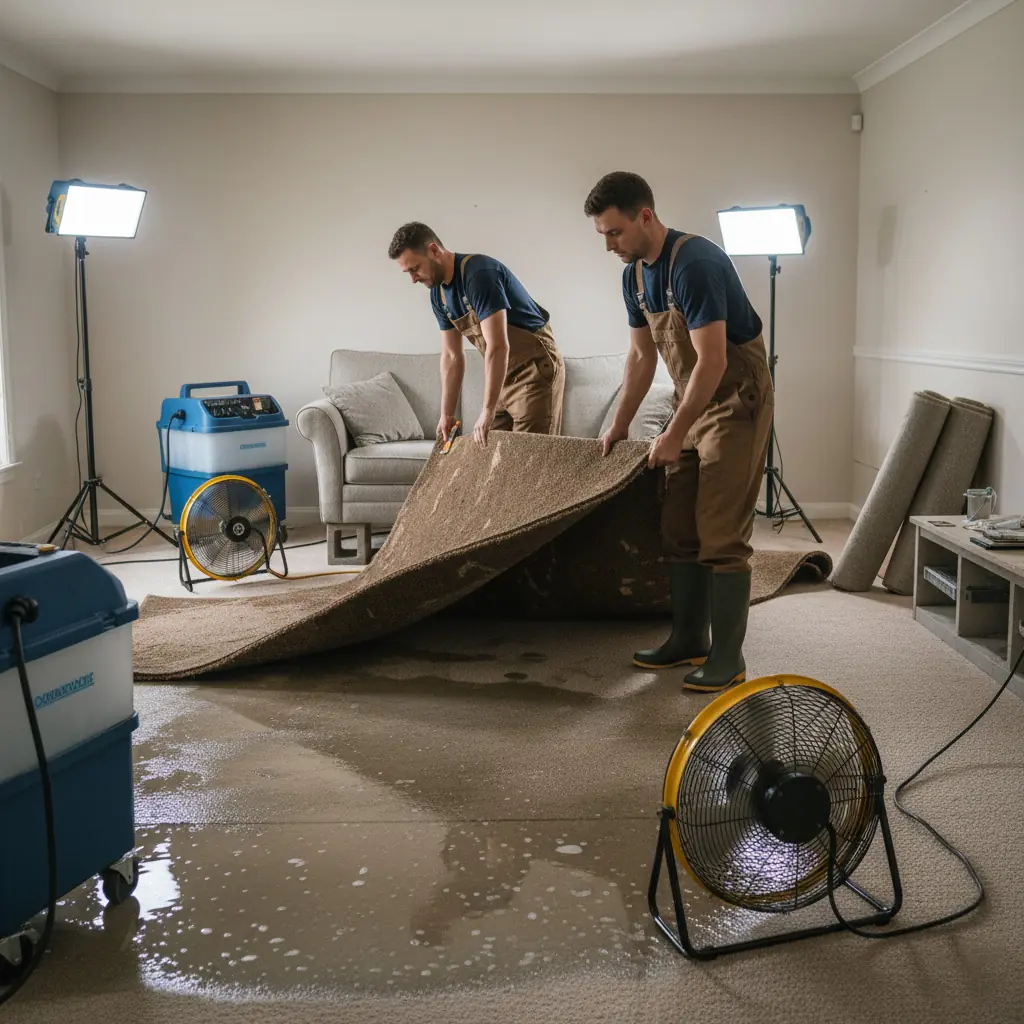
Behind the Scenes: A Proven Protocol for Professional Containment and Removal
Most DIY mold jobs fail because they treat the surface, not the source. When we step into a Long Beach property, we do not just grab a sponge; we treat the area like a surgical suite.
The secret is containment. Without a physical barrier, every time you scrub or disturb the mold, you send millions of microscopic spores into the air. These spores then settle into your HVAC system, your carpet, and your clothes, turning one bad corner into a house-wide infection.
The Professional Workflow
We stick to a strict sequence to ensure that once the mold is gone, it stays gone. Here is the blueprint we follow on every restoration job:
- Negative Air Pressure: We place high-efficiency air scrubbers that pull air out of the affected zone and through HEPA filters. This keeps spores locked inside the room.
- Physical Isolation: We seal off the room with thick polyethylene sheeting. No cross-contamination allowed.
- Controlled Demolition: If mold has penetrated drywall or wood studs, it must go. There is no magic spray that makes deep-set rot safe to keep.
- HEPA Vacuuming: After materials are removed, we vacuum every square inch of the frame with industrial HEPA gear.
- Antimicrobial Treatment: Only after the physical mold is scrubbed or removed do we apply an EPA-registered antimicrobial agent to seal the surface.
You might think this sounds like overkill, but it is the only way to ensure safety. Professionals focus on air quality as much as surface cleaning. If you skip the negative air pressure, you are basically breathing in the very problem you are trying to solve.
Anatomy of a Remediation: A Case Study from a Waterfront Long Beach Property
We recently took on a project in a high-end property right on the Peninsula. The owner was baffled, as he maintained a pristine home, but the drywall in his guest suite was buckling.
What he thought was a simple leak turned out to be a classic coastal trap. The salt air had corroded his window flashing, allowing moisture to seep behind the siding and bloom into a massive colony inside the wall cavity.
Here is how we broke down the execution phase:
- Phase 1: Negative Air Pressure. We sealed off the room with 6-mil poly sheeting to ensure not a single spore escaped into the rest of the home.
- Phase 2: Targeted Demolition. Instead of gutting the whole wing, we removed only the affected materials to save the client thousands in reconstruction costs.
- Phase 3: HEPA Scrubbing. We ran industrial grade air scrubbers for 72 hours to pull microscopic particulates out of the air.
- Phase 4: Antimicrobial Application. We applied an EPA-registered encapsulate that creates a barrier against future intrusion.
The secret here was precision. Most handymen would have just wiped the surface or painted over the stain, which would have allowed the mold to consume the wood studs behind the drywall.
By identifying the specific entry point, we stopped the cycle. The homeowner went from needing a total room overhaul to a minor repair that restored his property value and, more importantly, his air quality.
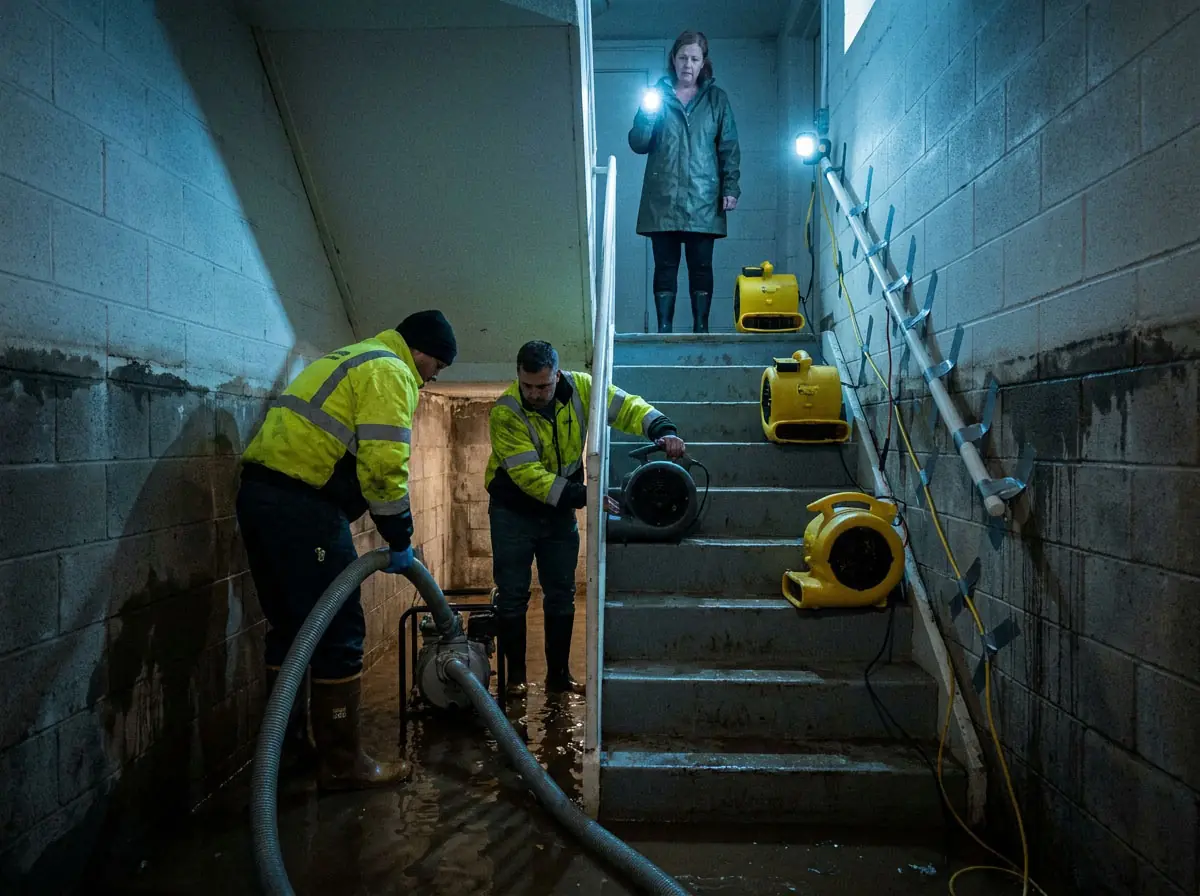
Essential Cost and Timeline Breakdown Table for Residential Mold Projects
Most homeowners in Long Beach walk into a mold issue blind, expecting a quick fix that fits within a standard weekend budget. The reality is that professional remediation is dictated by the size of the contamination and the complexity of the building materials affected.
| Project Scope | Estimated Timeline | Cost Range |
|---|---|---|
| Small Area (Under 10 sq ft) | 1 to 2 Days | $500 - $1,500 |
| Mid-Sized Room (Bath/Kitchen) | 3 to 5 Days | $2,000 - $4,500 |
| Large Scale (Multi-Room) | 5 to 10 Days | $5,000 - $10,000+ |
| Whole House Remediation | 2 Weeks+ | $12,000+ |
These figures often surprise people, but consider what you are actually paying for. You are not just paying for a crew to show up with vacuums; you are paying for safety protocols, industrial-grade air scrubbers, and the certified removal of toxic materials that would otherwise poison your indoor air quality for years.
Be skeptical of any contractor who quotes you a flat, bottom-dollar price over the phone without seeing the property. True costs fluctuate based on a few critical factors:
- The type of mold present in your home.
- The depth of the moisture penetration into your walls or flooring.
- Whether you need specialized structural drying or just surface cleaning.
- The level of containment required to keep the rest of your home sterile.
Always demand a detailed assessment that covers the source of the water intrusion. If the pro skips the moisture mapping phase, run the other way, because you will be paying them to fix the same problem again in six months.
Beyond the Surface: Hidden Moisture Sources You Must Address to Prevent Recurrence
You can scrub every visible spore off your drywall, but if you ignore the hidden water source, the mold will be back in weeks. Most homeowners treat the symptom while the root cause continues to saturate their home structure from the inside out. In Long Beach, the high humidity often masks these plumbing failures or structural leaks until the damage is severe.
You need to play detective. Before you paint over anything, check these common culprits that professionals always investigate first:
- Pin-hole leaks behind baseboards or inside wall cavities that don't show up as drips.
- Condensation on HVAC ductwork caused by poor insulation in unconditioned crawl spaces.
- Cracked tile grout in your shower or bathroom floor that allows water to seep into the subfloor.
- Improper exterior grading where the soil slopes toward your foundation instead of away from it.
- Clogged weep screeds on your stucco exterior, which trap water against the wood framing.
Fixing the mold without stopping the water is like mopping the floor while the sink is still overflowing. Use a moisture meter to test your drywall, wood framing, and subflooring after you think the area is dry. If the levels remain above 16 percent, you still have a leak. Don't skip this step, because moisture is the fuel that powers your mold problem. Without addressing it, you are just throwing money away on a temporary fix.
Final Words
Mold is not just a cosmetic nuisance; it is a structural enemy that feeds on the very bones of your Long Beach property. Treating the symptom while ignoring the source is a fast track to wasted money and recurring health issues for your family.
If you suspect an infestation, stop the guesswork and stop reaching for the bleach. Professional intervention is the only way to ensure your home returns to a safe, healthy state.
The Smart Homeowner’s Checklist
Before you spend another dime on ineffective DIY kits, keep these realities in mind:
- Moisture control is your first and last line of defense against future growth.
- Professional containment is mandatory to stop spores from migrating to your clean rooms.
- Expert Mold Remediation relies on specialized gear that typical hardware stores simply do not carry.
Your home is your largest investment, so treat it with the seriousness it deserves. When the stakes include the air quality of your living room and the integrity of your walls, you cannot afford to cut corners.
Call in a team that follows strict safety protocols and understands the unique climate pressures of the Southern California coast. Peace of mind starts the moment you stop hoping the mold will leave on its own and start taking decisive, correct action.
People Also Ask
Is bleach an effective way to kill mold on porous surfaces?
Bleach is generally ineffective on porous materials like drywall or wood because it only kills surface mold while the roots remain deep inside. The water content in bleach can actually feed the mold colonies and accelerate their growth in humid environments.Why are coastal homes in Long Beach more susceptible to mold growth?
Long Beach homes face high humidity levels and salt air, which naturally contribute to persistent moisture issues in building materials. This constant dampness creates an ideal breeding ground for spores if ventilation or structural leaks are not properly managed.How do I know if I have a hidden mold problem in my house?
You might notice a persistent musty odor, unexplained respiratory symptoms, or visible water stains on ceilings and walls. For detailed information on identifying and managing these risks, consult the EPA guidelines for mold cleanup and indoor air quality.What is the typical process for professional mold remediation?
Professional remediation involves strictly containing the affected area to prevent cross contamination to the rest of the home. Technicians use industrial grade HEPA vacuums and specialized biocides to remove the mold colonies and dry out the underlying structure to prevent recurrence.How much does it usually cost to remove mold in a residential property?
Costs depend on the square footage of the infestation, the types of materials affected, and the extent of the underlying water damage. Professionals typically provide a custom quote after performing a moisture mapping inspection to determine the exact scope of the project.Need Water Damage Restoration Services?
We provide rapid water damage restoration and structural drying to return your Long Beach property to its original condition. Our technicians arrive quickly to mitigate damage and prevent further loss throughout the region (90802, 90803, 90804, 90807, 90813).
Request Price Estimate