
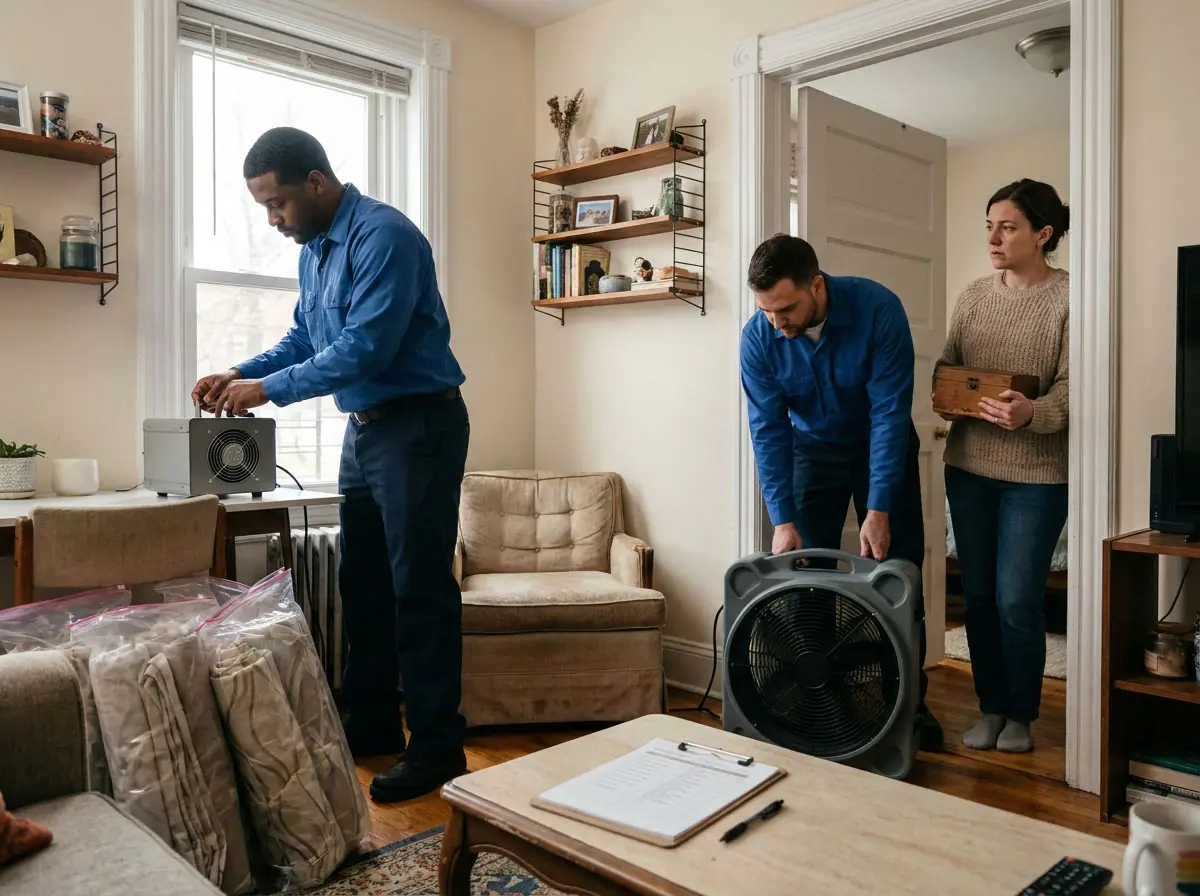


⚡ TL;DR: If you experience a sewage backup in Little Rock, professional cleanup is essential to neutralize health risks, secure your property, and ensure your home remains safe for occupancy.
📋 What You’ll Learn
A sewage backup in your Little Rock home is a hazardous emergency requiring swift intervention. This guide explains how to identify risks and coordinate professional cleanup to restore your property safely.
- Identify serious health hazards immediately by understanding how Category 3 water contamination impacts your indoor air quality and structural integrity during a severe sewage overflow event in Arkansas.
- Take essential protective actions quickly so you can effectively secure your family, prevent cross contamination in your home, and minimize the total destruction caused by raw waste exposure.
- Recognize why DIY cleaning fails because standard household products cannot neutralize the dangerous pathogens, bacteria, and viruses often found within main line sewage backups in local properties.
- Navigate the insurance claims process by learning how to document damage and communicate with adjusters to ensure you receive the necessary coverage for professional water damage remediation.
📖 Reading time: 7 min
✍️ Author expertise: Local Little Rock water damage specialist with years of field experience handling sewage remediation.
The smell hits you the second you walk through the door, a thick, nauseating stench that tells you your home has turned into a toxic wasteland. You aren't just dealing with a messy floor; you are standing in the middle of a major biohazard that is actively destroying your property and poisoning the air your family breathes.
Most homeowners in Little Rock make the mistake of grabbing a mop and a bucket, thinking this is a standard plumbing issue they can handle before dinner. That decision often costs them thousands of dollars in structural damage and months of health issues from exposure to raw pathogens.
When sewage backs up, the clock is not just ticking, it is screaming at you to move. Here is exactly why you need to drop everything and call in professional help before the damage becomes irreversible.

Identifying the Hidden Dangers of Category 3 Water Contamination
Industry experts classify sewage backup as Category 3 water, also known as black water. This is not just dirty puddle water; it is a toxic cocktail of raw human waste, pathogens, and parasitic agents that thrive in the dark corners of your Little Rock home.
When this liquid hits your carpet or drywall, the clock starts on a rapid process of decay. Your home stops being a living space and starts functioning as an incubator for disease. The dangers are far more significant than the visible mess you see on the floorboards.
Exposure to these contaminants can lead to severe health complications, including:
- Acute gastroenteritis from E. coli and Salmonella exposure.
- Respiratory distress caused by airborne mold spores and fecal bacteria.
- Chronic skin infections through direct contact with contaminated surfaces.
- Long-term damage to your home's structural integrity, especially in porous materials like wood and insulation.
Do not be fooled by clear-looking water that seeped out of a floor drain. Even if the liquid appears relatively clear, it often carries microscopic threats that go beyond simple bacteria. If it came from a sewage line, you should treat it as a deadly hazard immediately.
Your walls and floors act like sponges. They soak up these toxins deep into the subfloor and wall cavities where you cannot reach them with a spray bottle or a shop vac. Leaving these materials untreated guarantees that hazardous bacteria will remain trapped, silently compromising your air quality for weeks to come.
Immediate Steps to Secure Your Home and Protect Your Family
When raw sewage invades your living space, your primary goal is containment. Do not try to clean this yourself. The pathogens in this water, including E. coli and salmonella, are aggressive and thrive in damp, porous materials.
Start by shutting off the main water valve if the source is internal. This stops additional contaminated water from flowing into the affected area.
- Evacuate all family members and pets to a safe location.
- Avoid touching any surfaces, especially those that look wet or discolored.
- Turn off the electricity in the flooded rooms if the breaker box is safely accessible.
- Seal off the affected room with duct tape and plastic sheeting to prevent airborne contaminants from circulating.
Your immediate priority is preventing cross-contamination. Keep children and pets completely away from the area until a professional team assesses the site. Even walking near the perimeter can track microscopic bacteria into clean rooms, turning a localized incident into a home-wide health crisis.
Open windows if the weather permits, but avoid using central air conditioning or fans. Moving the air inside will only spread toxic spores throughout your home's ductwork. Remember, your goal is to lock down the hazard while our team mobilizes to provide the specialized equipment needed to sanitize your property safely.

Why Traditional Cleaning Methods Fail Against Raw Sewage
Most homeowners assume a gallon of bleach and some elbow grease will handle a sewage backup. This is a dangerous trap that leads to permanent home contamination.
Raw sewage is classified as Category 3 water, meaning it contains harmful bacteria, viruses, and parasites. Household cleaners only treat the surface, while the waste has already soaked into your porous flooring, drywall, and insulation.
Using a standard mop or household vacuum does not just fail to clean the area; it actively spreads the pathogens deeper into your property. You are essentially painting over a ticking time bomb.
The Hidden Failures of DIY Cleanup
- Household vacuums become aerosol machines, spraying toxic microbes into the air you breathe.
- Bleach cannot penetrate deep into wood or concrete where sewage settles.
- Permeable surfaces like carpet and pad act as sponges, holding onto infectious material indefinitely.
- Improper drying techniques trap moisture, creating the perfect environment for secondary mold growth within forty-eight hours.
Professional restoration requires specialized gear that hardware stores do not carry. We utilize industrial grade antimicrobials and high-pressure steam cleaners designed to kill bacteria on contact. Without this level of chemical neutralization, you are simply leaving a biohazard hidden behind your walls.
Case Study: Restoring a West Little Rock Basement After a Main Line Failure
Last month, we received a frantic call from a homeowner in West Little Rock. A city main line blockage had forced raw, untreated waste back through the floor drains of their finished basement.
By the time we arrived, the family had already attempted to save their carpeting with a wet-vac. That single mistake spread airborne pathogens throughout the entire HVAC system, turning a localized spill into a full-house contamination event.
The Restoration Process
Our team arrived with full-body PPE and industrial-grade air scrubbers to neutralize the immediate threat. We had to perform a total gut of the space to prevent long-term mold growth and secondary bacterial colonization.
- Removed two inches of standing sewage from the concrete subfloor.
- Disposed of all porous materials including drywall, carpet, and baseboards.
- Applied hospital-grade antimicrobial agents to every square inch of the structure.
- Installed heavy-duty dehumidifiers to pull moisture from the floor joists.
The basement was successfully returned to a clean, healthy state within five days. The homeowner admitted that attempting to handle the cleanup alone nearly resulted in a dangerous infection for their young children; they now realize that professional containment is the only way to survive a sewage catastrophe without losing your peace of mind.
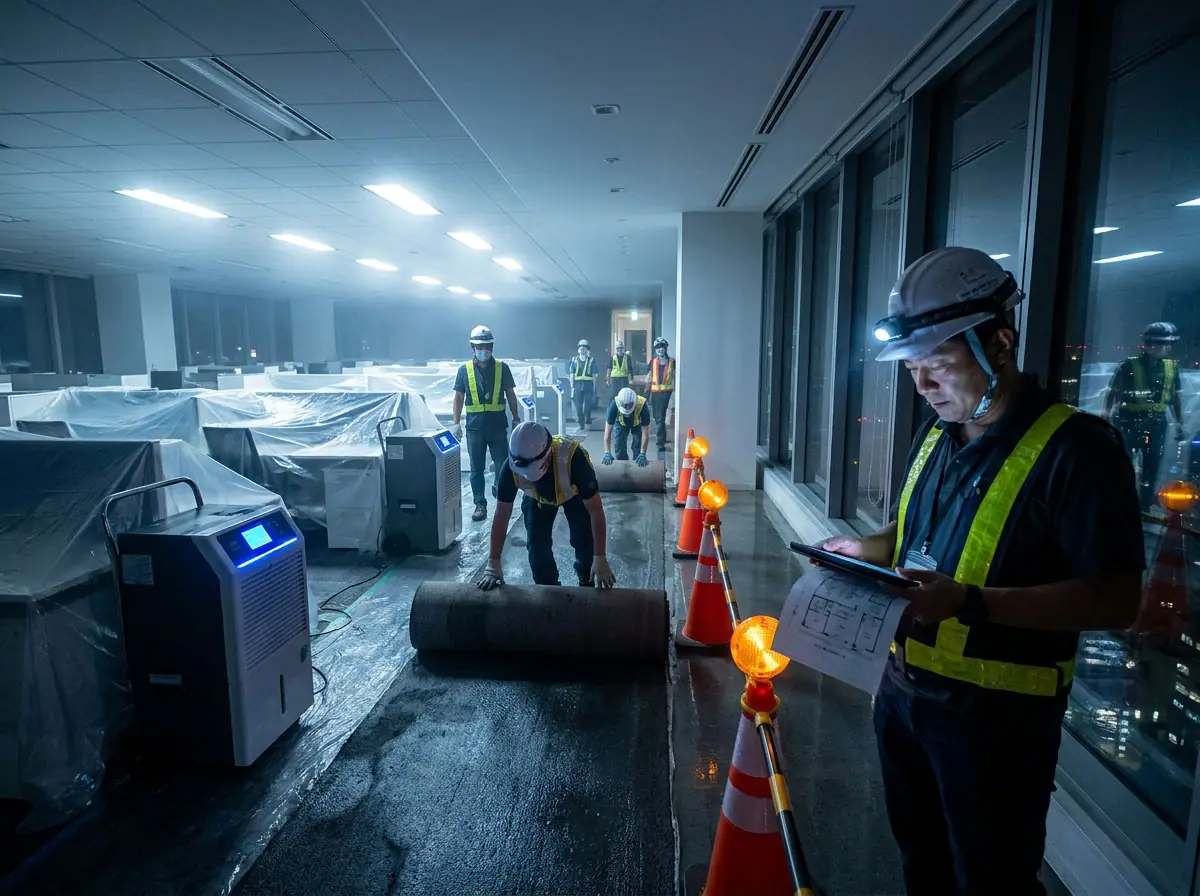
Service Options Comparison Table for Professional Cleanup
Most homeowners assume a quick bleach scrub is enough. It isn't. When you hire professionals, you are paying for industrial grade sanitization that targets the specific pathogens lurking in Category 3 water.
| Service Feature | DIY Cleanup | Pro Restoration |
|---|---|---|
| Pathogen Elimination | Minimal | Medical Grade |
| Moisture Control | Ineffective | Commercial Dehumidifiers |
| Structural Testing | None | Advanced Sensors |
| Insurance Reporting | None | Full Documentation |
| Safety Gear | Standard Gloves | Hazmat Level PPE |
Professional services go far beyond just removing visible waste. A qualified team uses HEPA air scrubbers to filter out airborne toxins that stick to your upholstery and drywall. If you skip this, you are leaving invisible hazards behind that will trigger respiratory issues for years.
You also need to consider the long term integrity of your building materials. Raw sewage seeps deep into porous materials like wood framing and insulation. Professionals know exactly what to discard and what can be saved, which prevents costly mold growth from ruining your property six months down the line.
Key Benefits of Choosing Certified Pros
- Proper disposal of hazardous waste according to Little Rock city regulations.
- Use of EPA registered antimicrobial treatments that are safe for your family.
- Rapid extraction technology that stops structural rot before it starts.
- Accurate logs for your insurance provider to ensure you get a fair payout.
Navigating Insurance Claims and Documentation for Sewage Damage
Dealing with a raw sewage backup in your Little Rock home feels like a nightmare, but the paperwork phase is often where homeowners lose the most money. Insurance adjusters are trained to minimize payouts; they look for any reason to deny your claim or claim the damage is the result of long-term neglect.
You must document everything before the cleaning crew even touches a single surface. Treat your home like a crime scene because, in the eyes of your insurance provider, you need absolute proof to secure the settlement you deserve.
| Action Item | Why It Matters |
|---|---|
| High-Resolution Photos | Proves the extent of the disaster. |
| Video Walkthrough | Captures the flow path and depth. |
| Plumber Invoices | Shows the source of the failure. |
| Itemized Inventory | Required for personal property loss. |
| Correspondence Log | Keeps adjusters accountable for promises. |
Start by creating a digital folder for every receipt, invoice, and note from your adjuster. If you do not have it in writing, it did not happen. Most policies have specific riders for sewage backups; check your paperwork immediately to see if you have the proper coverage or if you are looking at an out-of-pocket hit.
Keep these vital tips in mind to protect your claim:
- Never throw away damaged items until the adjuster has signed off on them.
- Record the names and badge numbers of every technician who enters your property.
- Demand a detailed scope of work from your restoration company before they begin demolition.
- Avoid agreeing to a quick settlement until you are certain that hidden structural damage has been accounted for.
Be aggressive with your record-keeping. The insurance company expects you to be disorganized and emotional, but if you act with business-like precision, you force them to take your claim seriously. Do not let them cut corners on your restoration process just to save a few dollars on their end.
Choosing Reliability Over Risk During a Crisis
When raw sewage floods your floors, you do not have the luxury of time to play amateur plumber or compare basement-bargain contractors. Choosing the wrong team to handle your Sewage Backup Cleanup is a gamble that puts your health and your home equity directly on the line.
Professional restoration is not just about moving water; it is about microscopic sanitation. If a contractor lacks industrial-grade HEPA filtration and medical-grade disinfectants, they are essentially just spreading the contamination deeper into your subflooring.
Before you hire anyone, verify their credentials to ensure they do not cut corners on your safety:
- Are they IICRC certified for sewage remediation?
- Do they use moisture mapping technology to find hidden mold growth inside your drywall?
- Do they provide a clear, written guarantee that the site will pass clearance testing?
Think about the long-term impact on your property value. Improperly cleaned sewage leaves behind latent pathogens that can trigger respiratory issues for years to come.
Do not settle for a quick fix that masks the scent while leaving the danger intact. Your family deserves a home that is biologically safe, not just one that looks clean to the naked eye.
People Also Ask
Is sewage backup in Little Rock considered a health emergency?
Yes, sewage backup is categorized as Category 3 water, which contains pathogens, bacteria, and parasites. Because of these health risks, the Centers CDC recommends immediate professional containment to prevent the spread of disease in your home.Can I clean up a sewage backup myself?
Standard household cleaning products are insufficient for disinfecting surfaces contaminated by raw sewage. Professional restoration teams use industrial grade biocides and HEPA filtration to safely remove waste and prevent long term mold growth.Does homeowners insurance cover sewage damage in Little Rock?
Coverage for sewage backups varies depending on your specific policy and whether the damage was caused by a sewer line failure or an external drainage issue. We recommend reviewing your policy documents immediately and documenting the damage with photos before the cleanup process begins.How long does the sewage cleanup process take?
The duration depends on the extent of the flooding and the saturation of porous materials like drywall and flooring. Our team works efficiently to extract water, sanitize the area, and dry the structure to restore your home to a safe condition as quickly as possible.What should I do immediately after finding a sewer backup?
Turn off the main water supply if possible and keep all family members and pets away from the affected area. Avoid contact with the standing water and contact a professional restoration service to begin emergency mitigation.Need Water Damage Restoration Services?
We provide rapid water damage restoration for residential and commercial properties throughout Little Rock and surrounding communities. Our team arrives quickly to extract water and dry your structure to prevent further damage. (72201, 72204, 72205, 72207, 72211)
Request Project Estimate