
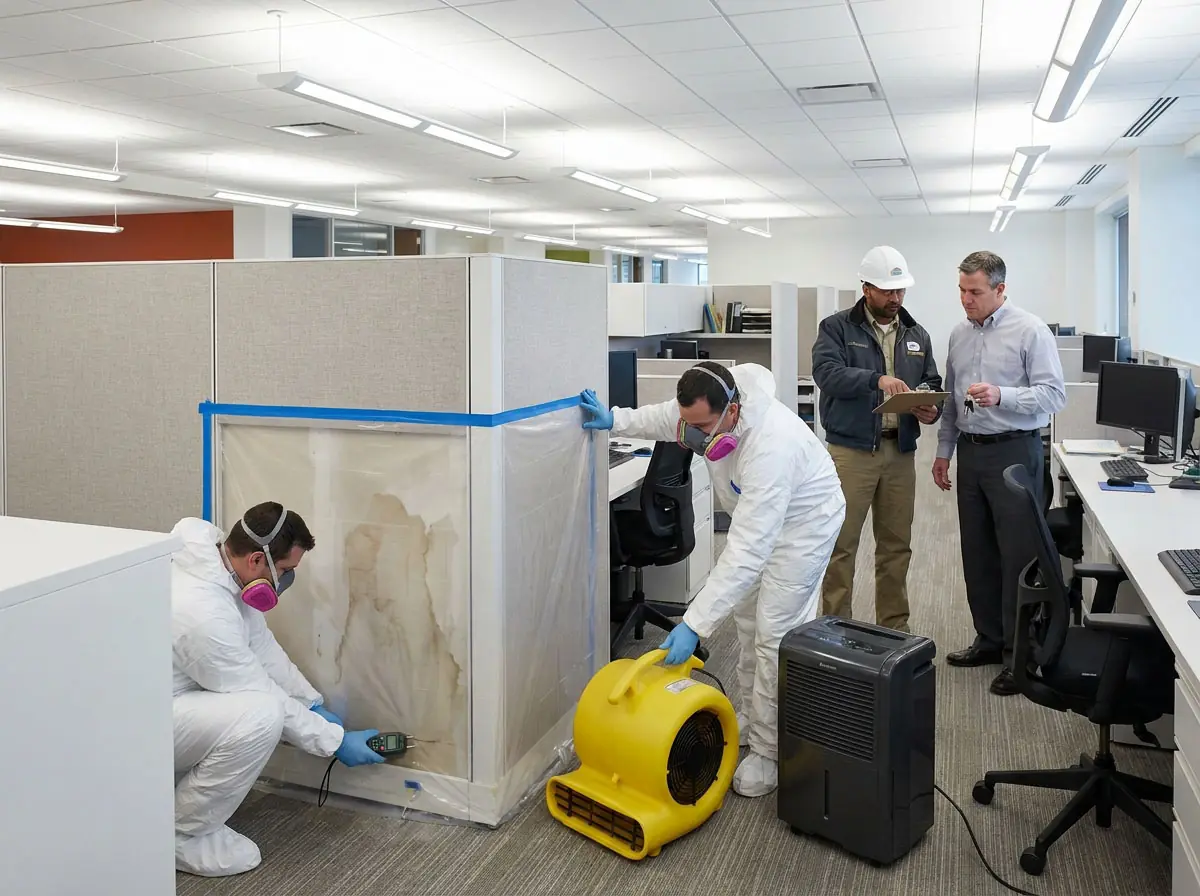


⚡ TL;DR: Prompt sewage backup cleanup in Lincoln is essential for protecting your property from permanent damage, avoiding expensive repair costs, and ensuring the health of your household members.
📋 What You’ll Learn
Dealing with a sewage backup in Lincoln is stressful and urgent. This guide explains why acting quickly is essential to protect your health, minimize structural damage, and significantly lower repair costs.
- Identify hidden health risks associated with black water exposure in Nebraska homes, helping you recognize the immediate biological threats to your family and pets during a sewer emergency.
- Take essential containment steps to safely secure your property and limit contamination spread while waiting for professional help to arrive at your Lincoln residence after the backup occurs.
- Understand material salvage timelines so you can distinguish between items that might be cleaned and porous materials that must be discarded to prevent permanent contamination and decay.
- Calculate potential cleanup expenses using our comprehensive cost breakdown, which helps you plan for professional restoration services and avoid the high costs of secondary mold damage remediation.
📖 Reading time: 7 min
✍️ Author expertise: Certified restoration professional with years of field experience handling sewage disasters in Lincoln.
There is nothing quite like the stomach-churning stench of a sewage backup to ruin your afternoon in Lincoln. You walk into your basement, expecting to do a load of laundry, and instead, you are greeted by raw, toxic wastewater creeping across your floorboards.
Most homeowners freeze when this happens, but every minute you wait is another dollar added to your repair bill. What starts as a localized pipe issue can rapidly turn into a total structural nightmare if you do not hit the panic button immediately.
The difference between a quick, affordable fix and a full-scale home renovation comes down to how fast you move once the water appears. Keep reading to discover exactly why waiting even an hour could cost you thousands, and how to stop the damage before it gets worse.

The Hidden Dangers of Black Water Exposure in Nebraska Homes
When raw sewage leaks into your Lincoln home, it is classified as Category 3 water, or black water. This is not just dirty puddle water; it is a biohazard soup containing harmful pathogens, bacteria, parasites, and viruses.
Simply breathing in the air near a sewage spill puts your family at risk of severe health issues. Your home is essentially acting as a host for potential illness, and the clock is ticking the moment that fluid touches your carpets or drywall.
Why Raw Sewage is a Serious Health Threat
The risks associated with black water exposure are immediate and should never be ignored. These contaminants can enter the body through skin contact, inhalation of airborne particles, or accidental ingestion.
- E. coli and Salmonella: Common bacteria found in sewage that cause severe gastrointestinal distress.
- Hepatitis A: A viral infection that thrives in contaminated water environments.
- Parasitic Infections: Giardia and Cryptosporidium can survive in water for extended periods, waiting for a human host.
- Respiratory distress: Fungi and mold spores often bloom rapidly alongside sewage, leading to chronic lung irritation.
If you have pets or small children, the danger is multiplied. They do not have the same instinct to avoid contaminated surfaces, and their immune systems are often less equipped to handle the toxic load of a sewage backup.
You cannot simply scrub this away with household bleach and call it a day. The microbes are microscopic and often penetrate deep into materials, waiting for the right moment to make your household sick.
Immediate Steps to Secure Your Property Before Professionals Arrive
When raw sewage invades your home, your priority is simple: stop the spread and stay safe. Your first move should be to turn off the main water valve to prevent more liquid from entering the pipes.
Do not attempt to walk through the standing water unless you have high-grade rubber boots and gloves. Sewage is classified as Category 3 water, meaning it contains harmful bacteria, viruses, and parasites that can cause severe illness upon contact.
Follow these critical steps to protect your property until our team arrives:
- Shut off the electrical breaker to the affected basement area to avoid electrocution risks.
- Avoid touching any porous items that have come into contact with the water.
- Open windows only if it can be done without walking through the contaminated zone.
- Keep children and pets away from the basement door at all costs.
If you can safely reach it, remove any dry, non-porous belongings that are near the spill but not yet touched by the wastewater. However, never attempt to clean up the sludge yourself without industrial-grade protective gear and professional-grade disinfectants.
Your goal here is containment, not cleanup. Every second you spend moving boxes is a second you are exposed to pathogens, so get out of the area as soon as the immediate hazards are controlled and call in the experts to handle the heavy lifting.
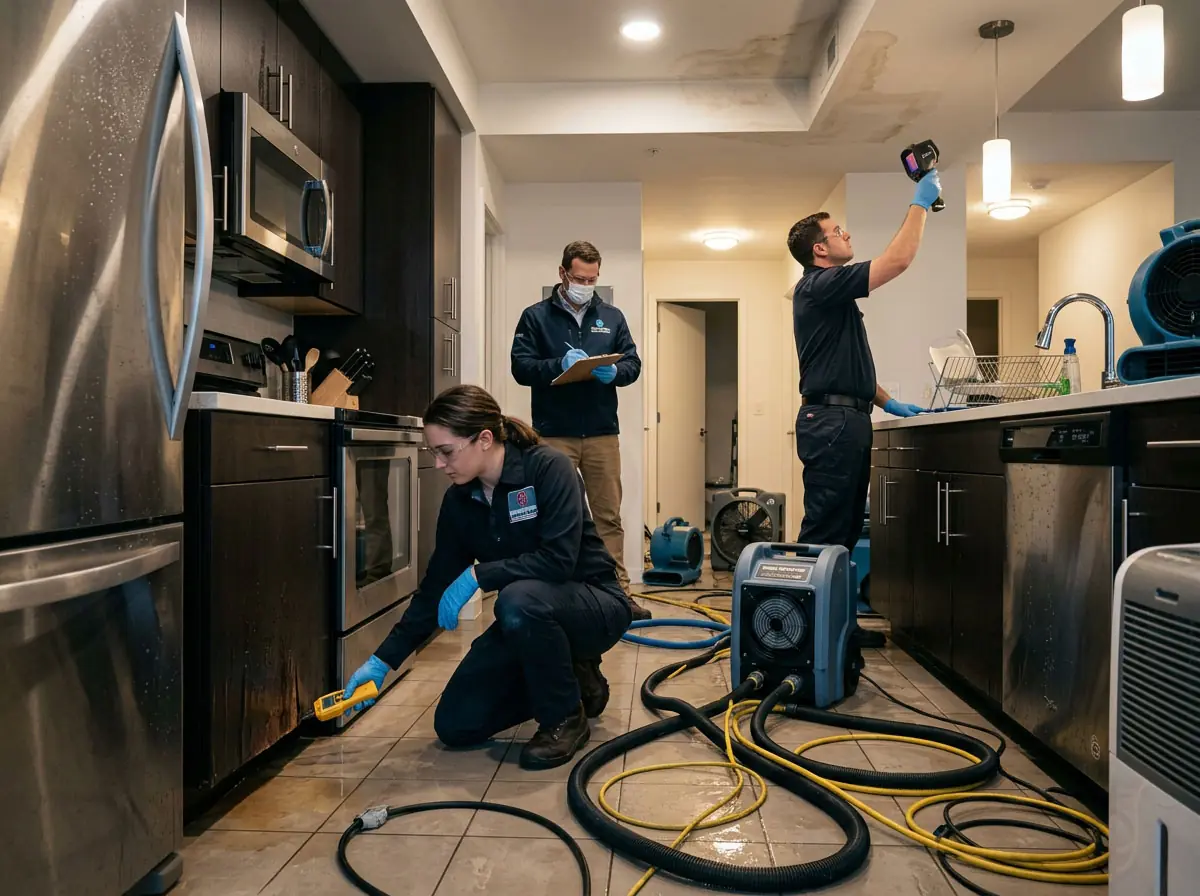
Why Porous Materials Become Irreparable Within Hours
When raw sewage touches your floors, your home starts a ticking clock. Porous materials like drywall, carpet, padding, and wood act like sponges, soaking up toxic pathogens and bacteria almost instantly.
Once these contaminants penetrate the fibers, they are impossible to fully sanitize. You might get the surface looking clean, but the hidden waste remains trapped deep inside the material, posing a serious long term health risk to your family.
The Absorption Timeline
Here is how quickly your household items degrade once exposed to sewage:
- Carpet and Padding: These trap waste in minutes; once contaminated, they must be discarded to prevent mold.
- Drywall: This material wicks moisture upward, leading to structural rot and black mold behind your walls.
- Particle Board: Often found in cabinets, this material swells and crumbles the moment it absorbs sewage water.
- Insulation: It loses all thermal value and becomes a breeding ground for harmful microbes.
Every hour you leave these items in place, the damage spreads to the subfloor and the wall studs beneath. You are not just dealing with a mess, you are fighting a rapid biological breakdown of your home’s structure.
Waiting is the fastest way to turn a simple cleanup job into a massive demolition and reconstruction project. Professional restoration teams in Lincoln have the tools to pull these materials out before the contamination ruins the rest of your home.
Sewage Cleanup Cost Breakdown: A Comparison Table of Expenses
When raw sewage touches your floors, your bank account is at risk. Costs spiral when you wait because the bacteria and toxins sink deeper into your subfloor and wall studs. Acting fast limits the restoration to sanitization, while waiting turns a simple cleaning bill into a major construction project.
| Damage Level | Average Cost Range | Primary Focus |
|---|---|---|
| Minor Spill | $1,500 - $3,500 | Extraction and disinfection |
| Moderate Contamination | $4,000 - $8,000 | Material removal and drying |
| Severe Structural Damage | $10,000+ | Demolition and reconstruction |
| Delayed Response | $15,000+ | Mold remediation and full remodel |
The math is simple: time equals money. If you call us immediately, we can often save your drywall and flooring with high-grade antimicrobial agents. If you wait, these porous materials become biological hazards that must be ripped out and replaced entirely.
Consider these hidden cost drivers that inflate your final invoice:
- Labor hours for deep scrubbing and sanitizing.
- The expense of industrial-grade dehumidifiers and air scrubbers.
- Disposal fees for biohazardous waste materials.
- The cost of replacing carpet, padding, and baseboards destroyed by saturation.
You might think a DIY approach saves a few bucks, but it rarely does. Using household cleaners on raw sewage is like using a garden hose to put out a forest fire. You end up paying a professional to fix the mess you made, all while the contamination spreads through your HVAC system and into your home ventilation.

Preventing Secondary Damage Like Mold Growth and Structural Decay
When raw sewage invades your Lincoln home, the liquid is only half the problem. The hidden killer is secondary damage that begins the moment moisture settles into your walls, flooring, and floor joists.
Mold spores thrive in the dark, damp, and nutrient-rich environment left behind by a sewer backup. If you wait more than 48 hours to start professional remediation, you are essentially rolling out the red carpet for toxic mold colonies to take over your basement.
The Hidden Path of Decay
Water does not just sit on top of your carpet; it wicks upward into drywall and travels deep into your foundation. Once these porous materials soak up contaminated wastewater, they begin to warp, rot, and harbor dangerous bacteria.
You need to watch for these warning signs that your home is entering a stage of permanent decay:
- Musty, earthy odors lingering after the surface water is gone.
- Visible fuzzy patches of discoloration on baseboards or drywall seams.
- Soft or spongy flooring that feels different under your feet.
- Visible rust on metal fasteners or HVAC vents located near the water line.
Taking immediate action prevents this moisture from penetrating the structural skeleton of your house. If you allow the humidity levels to remain high, you are looking at replacing expensive floor joists instead of just cleaning a surface area. Fast drying is the only way to save your home from a long-term structural nightmare.
Restoring a Lincoln Basement: A Success Story from Start to Finish
Last month, we received an emergency call from a family in the Near South neighborhood. Their basement sump pump failed during a heavy rainstorm, resulting in several inches of raw sewage covering their finished flooring and antique furniture.
They acted fast, which is the most important factor in these scenarios. By calling us immediately, they stopped the moisture from wicking up into the drywall and structural framing of their home.
Our team arrived within forty minutes and followed a precise protocol to save their investment:
- Engineered extraction of standing wastewater to prevent deep saturation.
- Application of medical grade antimicrobial treatments to neutralize pathogens.
- Industrial dehumidification to draw hidden moisture out of the concrete foundation.
- Careful removal of only the unsalvageable baseboards to stop mold from spreading behind the walls.
Because they didn't wait, the family avoided the need for a full floor replacement or expensive mold remediation services. We finished the project in three days, and the basement was back to being a dry, safe space for their kids to play.
Getting your home back to normal requires precision and speed. When you catch a sewage backup early, you move from a crisis state to a managed recovery. That is the difference between a minor cleanup bill and a financial disaster.
Protecting Your Property and Family Health
Your home is likely your biggest investment, but your family's health is the true priority. Raw sewage contains bacteria, parasites, and viruses that do not wait for your permission to colonize your living space.
Allowing these contaminants to linger for even a few hours turns a simple plumbing glitch into a biohazard situation. Taking swift action is the only way to safeguard the indoor air quality your children and pets rely on every single day.
Three Critical Rules for Sewage Emergencies
- Never attempt to clean up raw sewage without industrial grade personal protective equipment.
- Avoid tracking waste into unaffected rooms, as this spreads pathogens throughout your entire floor plan.
- Call a professional team experienced in Sewage Backup Cleanup the moment you notice the backup.
Delay is your greatest enemy when dealing with toxic water. When you choose to act fast, you are not just saving your carpets or drywall from total loss.
You are preventing the long term development of invisible health risks that professional remediation is designed to stop in its tracks. Peace of mind starts with a decisive phone call and a rapid response strategy.
People Also Ask
Is sewage backup covered by homeowners insurance in Lincoln?
Most standard homeowners insurance policies do not cover sewage backups unless you have added a specific endorsement for water and sewer line failures. You should review your policy declaration page or contact your provider immediately to verify your current coverage limits.How long does it take for mold to grow after a sewage leak?
Mold can begin to colonize on damp surfaces in as little as 24 to 48 hours following a water intrusion. Because sewage contains organic matter, it provides an ideal environment for rapid fungal development that threatens your indoor air quality.Why is professional equipment necessary for sewage cleanup?
Professional restoration teams use industrial grade dehumidifiers, HEPA air scrubbers, and specialized antimicrobial agents to sanitize affected areas. These tools are required to remove pathogens and moisture levels that household equipment simply cannot reach or eliminate.What health risks are associated with basement sewage backups?
Sewage contains bacteria, viruses, and parasites that can cause severe gastrointestinal and respiratory illnesses through physical contact or inhalation. It is critical to keep family members and pets away from the contaminated area until the site has been professionally disinfected.Can I clean up a small sewage backup myself?
Cleaning up sewage involves significant health hazards and requires advanced protective gear to prevent exposure. It is highly recommended to hire certified professionals to ensure the area is properly decontaminated and dried to prevent future structural issues.Need Water Damage Restoration Services?
We provide rapid water damage restoration to restore your property in Lincoln and surrounding areas. Our team arrives quickly to extract water and dry your home to prevent further damage (68502, 68505, 68508, 68510, 68521).
Request Custom Estimate