


⚡ TL;DR: This comprehensive guide helps Lexington homeowners identify common leak causes, mitigate property damage, and understand the professional steps required for effective ceiling water damage repair and long-term restoration.
📋 What You’ll Learn
Discover how to address ceiling water damage in Lexington homes with our expert guide, covering everything from identifying the root cause to executing a professional restoration that protects your property value.
- Identify hidden moisture sources by learning how to spot the early warning signs of pipe leaks, roof failure, and condensation common in local Bluegrass area residential properties.
- Take immediate mitigation steps to prevent water migration, limit structural decay, and stop mold growth from spreading throughout your ceilings and insulation after a sudden leak occurs.
- Compare DIY versus professional repairs through a detailed cost breakdown that helps Lexington homeowners determine when to manage a simple patch and when to call for restoration.
- Follow a proven remediation process that ensures long term structural integrity and restores the cosmetic beauty of your historic or modern ceiling after significant water damage events.
📖 Reading time: 8 min
✍️ Author expertise: Certified restoration professional with fifteen years of water damage mitigation experience in Lexington.
You wake up to the sound of a steady, rhythmic drip hitting your hardwood floor, only to look up and see a sagging, discolored blotch spreading across your ceiling like a slow-motion disaster. It is not just an eyesore; it is a ticking time bomb for your home’s structural integrity and your family’s health.
In Lexington, our homes face unique moisture battles, from aging roof lines to sudden summer storms that wreak havoc on unsuspecting drywall. When you spot that telltale yellow ring or a sudden bulge, every second you wait translates into higher repair bills and the looming threat of black mold.
Stop guessing what is happening behind your plaster and learn exactly how to stop the rot before it forces a total ceiling replacement. Here is how you can identify the source, mitigate the immediate destruction, and secure your property before the damage spreads further.

Identifying the Hidden Culprits: Common Causes of Ceiling Leaks in Lexington Homes
Most Lexington homeowners assume a ceiling leak always points to a compromised roof. While shingles and flashing are frequent suspects, the actual source often hides inside your walls where you cannot see it.
Old plumbing and seasonal temperature shifts in the Bluegrass region create the perfect environment for hidden failures. When pipes sweat or joints corrode, your ceiling drywall becomes a sponge for moisture that has nowhere else to go.
Watch out for these common triggers that cause sudden ceiling damage:
- Plumbing Leaks: Supply lines or drain pipes located in the bathroom or kitchen directly above your living space are the most common offenders.
- HVAC Condensation: Clogged condensate drain lines from your attic air handler often overflow and soak the ceiling joists below.
- Roof Flashing Failures: Poorly sealed areas around chimneys, vents, or skylights allow rain to penetrate the attic floor.
- Ice Dams: During our Kentucky winters, melting snow that refreezes at the gutters forces water to back up under your shingles.
Ignoring these signs early almost guarantees a larger, more expensive headache later. A small damp spot might seem like a minor annoyance today, but it is often the visual tip of a massive structural iceberg.
Check the color of the water stain to determine if the leak is active or historic. A bright yellow or rust colored ring suggests a slow, ongoing drip, while dark brown or grey stains usually indicate a massive, sudden release of water that may have already soaked your insulation.
Immediate Action Steps to Minimize Water Migration and Property Loss
When water starts dripping from your ceiling, your primary goal is to stop the spread before it compromises your floors, furniture, or electrical systems. Seconds matter when it comes to moisture absorption in drywall and insulation. Grab a bucket, clear the area, and act fast.
Follow these critical steps to protect your Lexington home:
- Shut off the main water supply if the leak is caused by a plumbing failure.
- Punch a small hole in the center of the sagging ceiling bulge with a screwdriver to release trapped water into your bucket; this prevents a massive, heavy collapse.
- Move your electronics, rugs, and furniture away from the affected zone to avoid permanent water staining.
- Use a tarp or plastic sheeting to create a makeshift barrier if the leak is coming from an active storm event.
Moisture loves to travel along joists and studs, meaning the spot where you see the drip might be feet away from the actual breach. Do not assume the problem is localized just because the water is hitting one specific spot. Keep a close watch on nearby walls and light fixtures, as water can easily enter electrical boxes and create a significant fire hazard.
If you suspect water has reached your wiring, shut off the power to that room at the breaker box immediately. Never touch a switch or attempt to repair an electrical fixture while standing in water. Your personal safety is more important than salvaging a few square feet of drywall.

The Hidden Dangers: Health Risks and Structural Decay Explained
Most homeowners assume a ceiling stain is just a cosmetic annoyance that needs a fresh coat of paint. That is a dangerous mistake. When moisture saturates your drywall or plaster, your home becomes a playground for microscopic enemies that thrive in dark, damp spaces.
Mold spores can begin colonizing wet materials within 24 to 48 hours. Once these spores take root, they release toxins that circulate through your HVAC system and into the lungs of your family.
The Silent Threats Lurking Above
Beyond the respiratory risks, the structural impact is often swift and unforgiving. Here is what is happening behind the scenes:
- Wood Rot: Persistent moisture weakens joists and rafters, which can lead to sagging or, in extreme cases, partial ceiling collapse.
- Electrical Hazards: Water often finds its way into light fixtures or electrical junction boxes, creating a fire hazard or an electrocution risk.
- Insulation Failure: Wet fiberglass or cellulose insulation loses its R-value, causing your energy bills to skyrocket while providing a perfect breeding ground for bacteria.
- Pest Attraction: Damp, rotting wood is like a dinner bell for termites and carpenter ants that thrive in the Lexington climate.
Ignoring a damp ceiling is essentially watching your property value evaporate. If the ceiling feels soft to the touch or if you notice a musty odor that will not go away, the damage has likely moved well past the surface layer. Structural integrity relies on dry, solid building materials; once that equilibrium is broken, decay accelerates until you stop the flow of water and remove the contaminated components.
Professional Restoration vs. DIY: A Cost Breakdown Table for Lexington Homeowners
Fixing a ceiling leak yourself might seem like a way to keep money in your pocket, but the reality is often much grimmer. Most Lexington homeowners lack the specialized moisture meters and industrial-grade dehumidifiers required to dry out the hidden voids behind the drywall. If you leave even a tiny amount of trapped moisture, you are essentially setting up a buffet for mold colonies that will return to haunt you in a few months.
| Cost Factor | DIY Approach | Professional Restoration |
|---|---|---|
| Initial Inspection | Free (Your time) | Included in assessment |
| Equipment Rental | $150 - $400 | Professional gear provided |
| Materials/Supplies | $200 - $600 | Wholesale pricing |
| Hidden Damage Repair | High risk (Unknown cost) | Included in scope |
| Total Financial Risk | High (Mold remediation) | Low (Guaranteed results) |
When you choose professional help, you pay for more than just labor; you are paying for insurance against future disasters. A seasoned restoration team knows exactly how to locate the origin of the leak, whether it is a pinhole pipe leak or an aging roof shingle letting water bypass your flashing. They document the damage for your insurance company, which can be the difference between a fully covered claim and a denied payout.
Think about the long-term impact on your property value. A patched-up ceiling that shows water lines or persistent mildew smells acts as a red flag for future buyers. By hiring local experts, you get:
- Certified sanitization to kill bacteria trapped by the leak.
- Structural stabilization to prevent sagging or collapse.
- Documentation of the repair for future real estate transactions.
- Peace of mind that the entire affected area is dry, not just the surface.
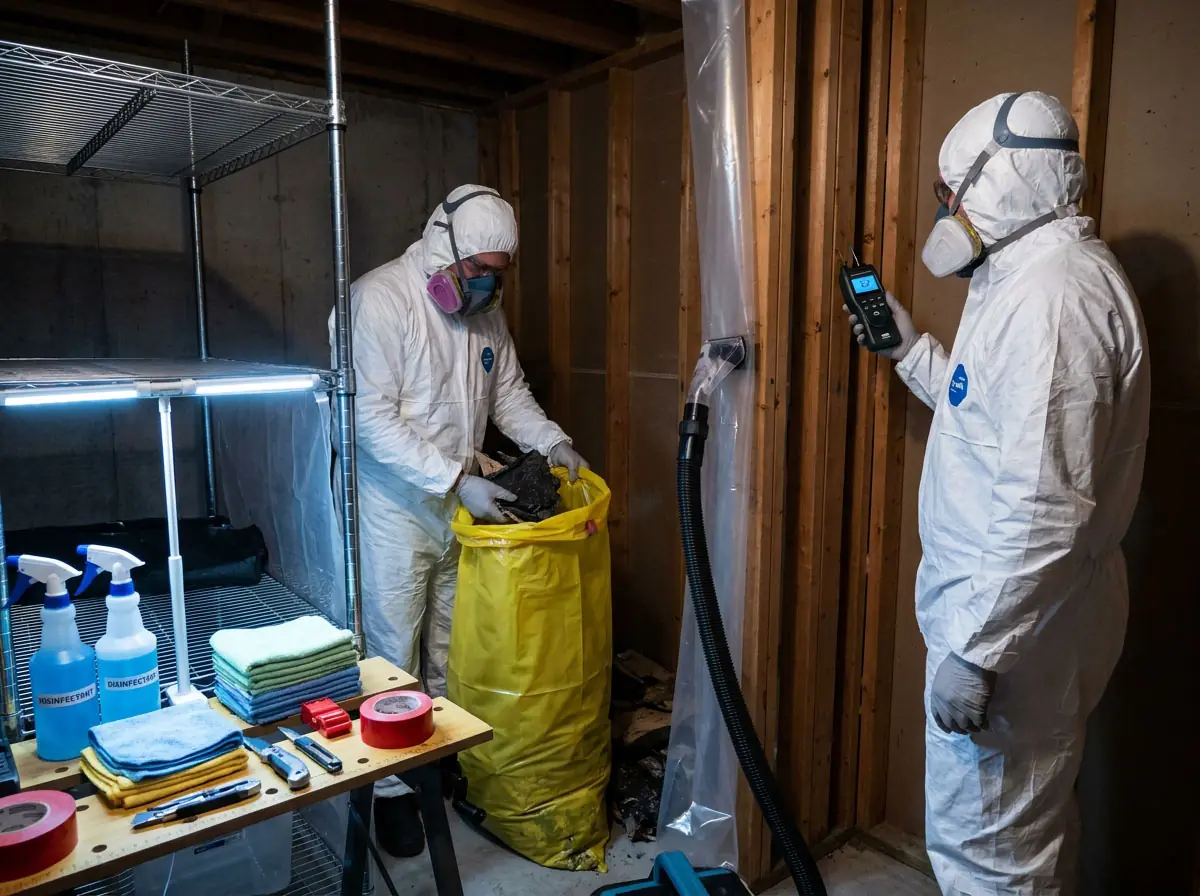
Case Study: Restoring a Historic Lexington Ceiling After a Second-Story Pipe Burst
Consider a beautiful, late 19th-century Victorian home in the Historic South Hill neighborhood. A second-story bathroom pipe suffered a catastrophic failure in the middle of the night, sending hundreds of gallons of water through the original wood lathe and plaster ceiling below. The owner was terrified that the intricate molding and century-old craftsmanship were lost forever.
When we arrived, the plaster was saturated and beginning to detach from the wooden keys. Instead of tearing everything out with a sledgehammer, our team employed precision moisture extraction to save the historical integrity of the home. We utilized industrial-grade desiccants to dry the cavity from the inside out, which prevented the plaster from cracking as it returned to its original moisture content.
Key Success Factors for Historic Restoration
- Targeted Dehumidification: We controlled the drying rate to prevent the wood lathe from shrinking too fast, which causes brittle plaster to crumble.
- Antimicrobial Treatment: Because older homes have unique framing, we applied a specialized botanical sanitizer to the wooden skeleton to prevent hidden mold growth.
- Molding Preservation: By carefully removing specific segments of the damaged area, we created molds to recast the missing decorative sections, ensuring the repair looked seamless.
This approach proves that even when a ceiling looks like a total loss, expert intervention often saves original features that modern drywall replacements simply cannot replicate. By acting fast and opting for restoration over demolition, the homeowner kept the character of their property while eliminating the moisture threat entirely.
The Step-by-Step Ceiling Remediation Process for Permanent Results
Fixing a water-damaged ceiling is not just about slapping a fresh coat of paint over the stain. You must follow a precise sequence to ensure the moisture is gone and the mold stays away for good.
Our restoration process follows these critical stages to protect your investment:
- Source Elimination: We stop the active water leak at its root to prevent further saturation of your joists.
- Extraction and Drying: Industrial-grade dehumidifiers and air movers are placed strategically to pull deep-seated moisture out of the drywall and insulation.
- Sanitization: We apply antimicrobial agents to kill hidden bacterial growth and stop potential mold spores from taking root.
- Controlled Demolition: Damaged sections of drywall are cut out to check the condition of the wooden framing above.
- Reconstruction: New moisture-resistant drywall is installed, taped, and finished to match your original ceiling texture perfectly.
Skipping even one of these steps is a recipe for long-term disaster. If you trap moisture behind a patch, you are literally feeding a mold colony that will thrive in the dark space between your floors.
Professionals always verify dryness with moisture meters before closing up the ceiling. This ensures the structural integrity of your Lexington home remains rock solid long after we leave the site.
Final Words
Waiting for a ceiling stain to dry on its own is a gamble you will eventually lose. Water in Lexington homes behaves like an invasive species; it finds the path of least resistance, travels through floor joists, and settles in places you cannot see until the damage is irreversible.
Taking action early stops the domino effect of rot, mold, and electrical shorts. If you find yourself staring at a growing dark spot, remember that professional intervention is often the cheapest route when you factor in the long-term cost of a full ceiling rebuild.
For those dealing with persistent moisture issues, our Ceiling Water Damage Repair service provides the diagnostic tools and rapid response required to save your drywall. Do not wait for the ceiling to give way under the weight of trapped water.
Protecting Your Investment
Your home is likely the largest asset you own. Routine maintenance, like checking your attic after a heavy Kentucky storm or inspecting your HVAC condensate lines, acts as a critical insurance policy against disaster.
- Inspect your attic insulation for dampness every few months.
- Check the seals around your roof vents and chimneys.
- Keep an eye on paint bubbling, which is a classic early warning sign.
When you spot the signs, act with speed. Precision, speed, and professional cleanup are the only things that turn a potential financial catastrophe into a minor, manageable repair.
People Also Ask
How can I tell if my ceiling water damage is from a roof leak or a plumbing issue?
Roof leaks often correlate with recent rain events, while plumbing leaks typically cause constant dripping regardless of the weather. If the spot is near a bathroom or kitchen, it is likely a plumbing issue, whereas leaks near exterior walls often stem from roofing problems.What is the most effective way to prevent mold growth after a ceiling leak?
You must dry the affected area completely within 24 to 48 hours to inhibit fungal colonization. According to the EPA, controlling moisture is the most important factor in preventing indoor mold growth.Does homeowners insurance in Lexington cover ceiling water damage?
Coverage depends on whether the damage resulted from a sudden, accidental event like a burst pipe or a long term maintenance issue. You should review your specific policy to understand if structural repairs are included under your property protection plan.Is it safe to live in a house with active ceiling water damage?
It is generally unsafe because water damage can lead to electrical hazards, ceiling collapse, or poor indoor air quality. You should avoid the area immediately and contact a professional to assess the structural integrity of your home.How long does it typically take to repair a water damaged ceiling?
Simple repairs involving minor drywall patching and painting can take a few days, but extensive restoration takes longer if structural drying is required. The timeline depends heavily on the extent of the water saturation and whether mold remediation is necessary.Need Water Damage Restoration Services?
We provide rapid water damage restoration across Lexington and surrounding communities to restore your property quickly. Our team arrives fast to mitigate damage and return your home or business to its pre-loss condition (40502, 40503, 40504, 40507, 40509).
Request Price Estimate