
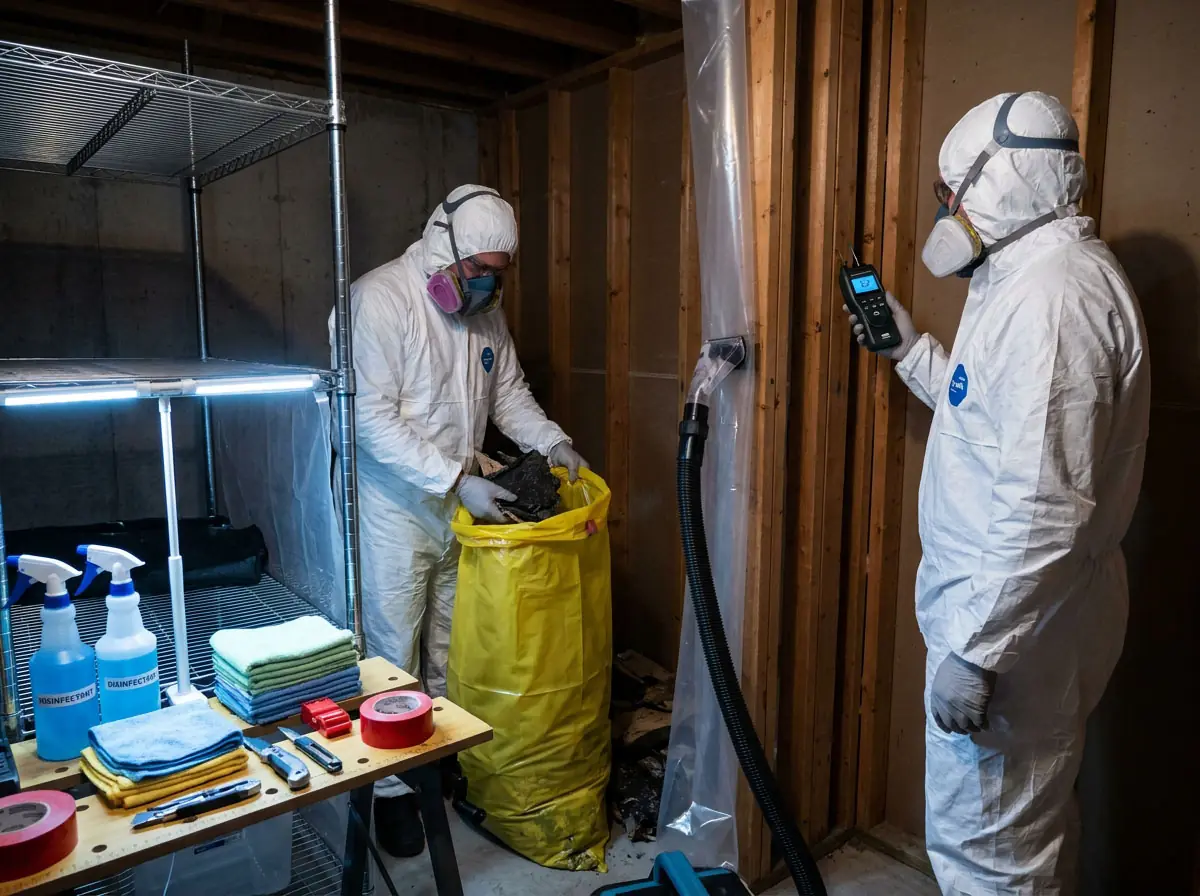


⚡ TL;DR: Homeowners in Lewisville can effectively manage indoor air quality and protect their property by understanding professional mold remediation techniques that address local humidity issues and hidden growth sources.
📋 What You’ll Learn
Living in North Texas comes with unique moisture challenges that often lead to recurring mold issues. This guide helps Lewisville residents implement professional strategies to ensure their homes remain safe and dry.
- Master local moisture control techniques to stop the specific humidity patterns found in Lewisville from fueling indoor mold growth that standard cleaning methods often fail to completely eliminate.
- Detect hidden moisture sources effectively by identifying common building vulnerabilities in local properties that allow mold to colonize behind walls and beneath flooring before it becomes visible.
- Implement professional remediation standards to safely contain contamination, remove affected materials, and restore healthy indoor air quality throughout your home using industry-approved equipment and rigorous safety protocols.
- Evaluate DIY versus professional restoration by reviewing a comprehensive comparison of expectations, costs, and long-term health risks to determine the best path for your specific property situation.
📖 Reading time: 8 min
✍️ Author expertise: Certified Lewisville water damage technician with a decade of field remediation experience.
You wake up to that unmistakable, earthy scent lingering in the hallway closet, and your stomach drops. Lewisville humidity doesn't just make your hair frizzy; it turns your home into a breeding ground for toxic mold before you even spot a single dark patch on the drywall.
Most homeowners panic and start scrubbing with bleach, but here is the cold truth: that only feeds the roots deep inside your walls. Smart locals around here stopped fighting a losing battle years ago and started using a specific, proven protocol that kills the problem for good.
If you want to stop guessing and start protecting your property and health, here is how the pros actually handle mold remediation in Lewisville.

The Lewisville Humidity Trap: Why Standard Cleaning Methods Fail
Living near Lewisville Lake creates a unique climate reality for every homeowner. Our air stays thick with moisture, and when that humidity seeps behind your baseboards or under your flooring, it creates a constant, low-grade water source that never fully dries out.
Most people treat mold like a simple surface stain. They grab a bottle of bleach or a hardware store spray, thinking a quick wipe will solve the problem. This is a massive mistake. Bleach is water-based, and it doesn't penetrate porous materials like drywall or wood framing effectively.
Instead of killing the mold, standard household cleaners often provide the exact moisture the colony needs to expand its reach. Here is why the old-school scrubbing method misses the mark:
- It ignores the root structure, also known as hyphae, which burrows deep into building materials.
- Spray bottles often aerosolize mold spores, spreading them to clean areas of your home.
- Temporary color changes might make the spot look better, but the toxicity remains firmly planted in your walls.
The local humidity here works like a conveyor belt for mold growth. If you only address what you see on the surface, you are leaving the engine running behind the scenes. Smart locals know that surface cleaning is not remediation. Real protection requires stopping the cycle of moisture and removing the contaminated material entirely.
Identifying the Hidden Sources of Indoor Mold Growth
Most Lewisville residents look for mold on the ceiling or baseboards, but the real trouble usually hides where you cannot see it. Moisture loves to travel through our building materials, settling behind wallpaper, under flooring, or inside HVAC ducts.
If you have an unexplained musty odor in your home, you are likely smelling a colony that has already taken root. Once mold has access to porous surfaces like drywall, insulation, or wood framing, it begins to digest the material. This turns your home’s structure into a food source for fungal growth.
Common Sneaky Culprits
You should inspect these areas first if you suspect hidden contamination:
- Leaking plumbing lines behind kitchen cabinets or bathroom vanities.
- Condensation buildup near poorly insulated window frames.
- Damp crawlspaces that trap humidity from the Texas soil.
- Attic insulation affected by roof leaks or faulty ventilation.
When you stop looking for the mold and start looking for the water, you find the root of the problem. A small pinhole leak in a supply line can create a massive, invisible mold bloom behind your drywall within days. If you find wet carpet padding or warped floorboards, assume that the subfloor is already harboring spores.
Do not wait for visual proof before you take action. Mold spores are microscopic, and by the time you see fuzzy black patches, you are dealing with a significant infestation that has likely compromised the indoor air quality of your entire household.
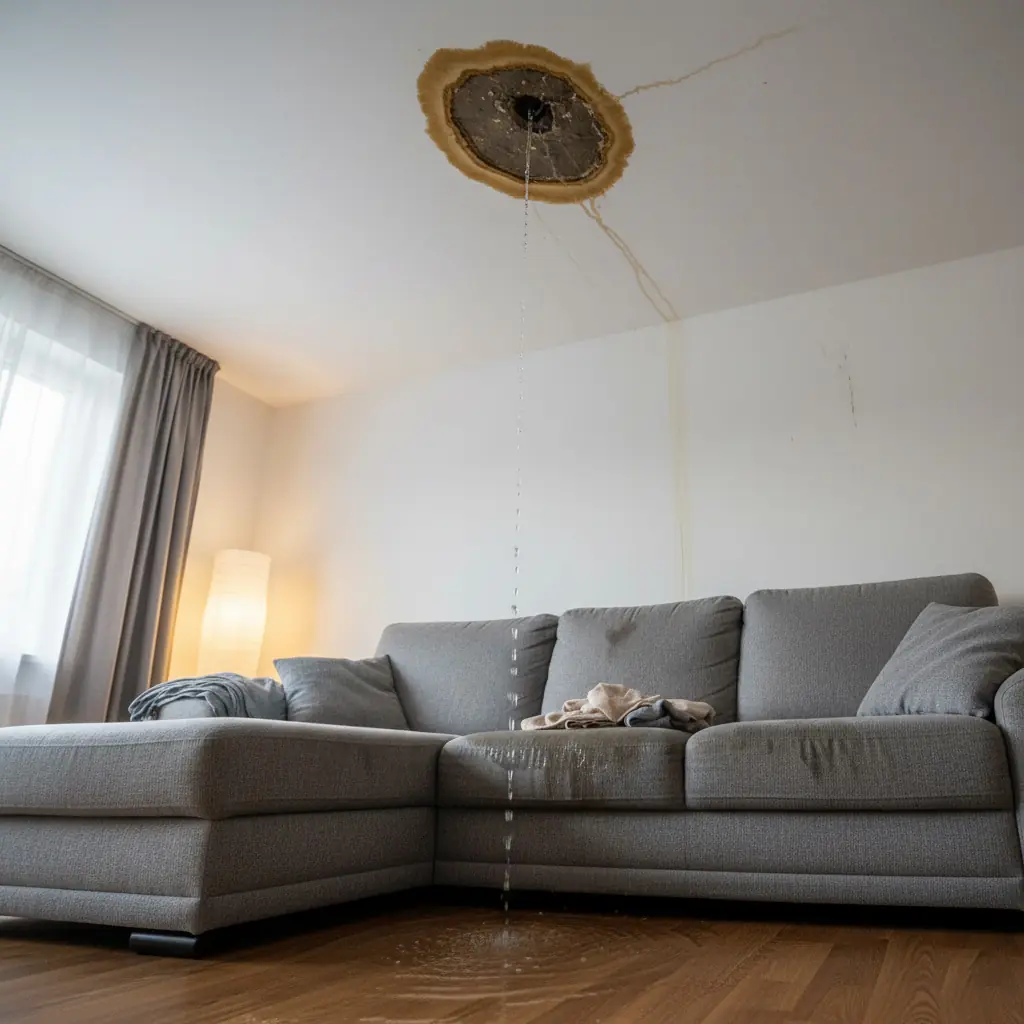
Step-by-Step Remediation: How Professionals Contain and Remove Contamination
Real mold removal is not about spraying a bottle of store-bought cleaner and hoping for the best. It is a surgical operation that begins with source isolation to stop spores from traveling through your HVAC system and infecting the rest of your Lewisville home.
Pros build heavy-duty containment barriers using plastic sheeting and negative air pressure machines. This creates a vacuum effect, ensuring that when we open up a wall, the air flows into the affected area, not out into your living room or kitchen.
The Professional Workflow
Once we have locked down the room, we move into the actual extraction phase. We treat the affected building materials with industrial-grade fungicides that penetrate porous surfaces, killing the growth at the root rather than just bleaching the color away.
- Removal of porous materials: Drywall, insulation, and carpet that have been compromised are carefully bagged and hauled away to prevent cross-contamination.
- HEPA vacuuming: Every surface is scrubbed and vacuumed using high-efficiency particulate air filters to capture microscopic spores that remain in the air.
- Dehumidification: We place high-capacity industrial dryers to bring your moisture levels back to the safety zone, starving any remaining dormant spores of their life force.
Finally, we conduct an air quality test to verify the job is done. Do not settle for a visual inspection. You need proof that the spore count in your home has returned to normal, healthy levels before we ever sign off on the project.
Comparing DIY Kits vs. Professional Restoration: A Table of Expectations
Most Lewisville homeowners reach for a store-bought mold kit when they spot the first signs of trouble. It feels like a quick fix, but you are usually just slapping a bandage on a gunshot wound. Professional remediation is not just about cleaning the surface; it is about stopping the cycle at the molecular level.
| Feature | DIY Mold Kits | Professional Remediation |
|---|---|---|
| Root Cause Analysis | None (Surface only) | Full moisture tracking |
| Containment | None | Industrial negative air pressure |
| Chemical Safety | Harsh household bleach | EPA-registered antimicrobials |
| Verification | Visual check only | Lab-certified clearance testing |
The problem with kits is that they fail to address the high humidity levels common in our North Texas climate. If you use a DIY spray on a porous surface like drywall, the moisture in the solution actually invites the spores to grow deeper into the paper backing. You might lose the smell for a day, but the hidden colony is likely expanding behind your baseboards.
Why Professionals Outperform the Box Kits
Professional teams bring in heavy-duty gear that you simply cannot rent at a hardware store. We use thermal imaging cameras to see behind walls where moisture hides. Before we touch a single square inch of mold, we set up containment barriers to ensure those toxic spores do not float into your bedroom or kitchen while we work.
- Industrial-grade HEPA vacuums capture particles as small as 0.3 microns.
- Structural drying equipment forces moisture out of studs and subfloors.
- Certified experts perform air quality testing to prove the home is safe.
When you rely on a kit, you are guessing that you caught everything. When you bring in a local restoration expert, you get a documented process that satisfies insurance companies and keeps your family breathing clean air. Do not gamble with your property value or your lungs because you wanted to save a few bucks on a hardware store spray bottle.
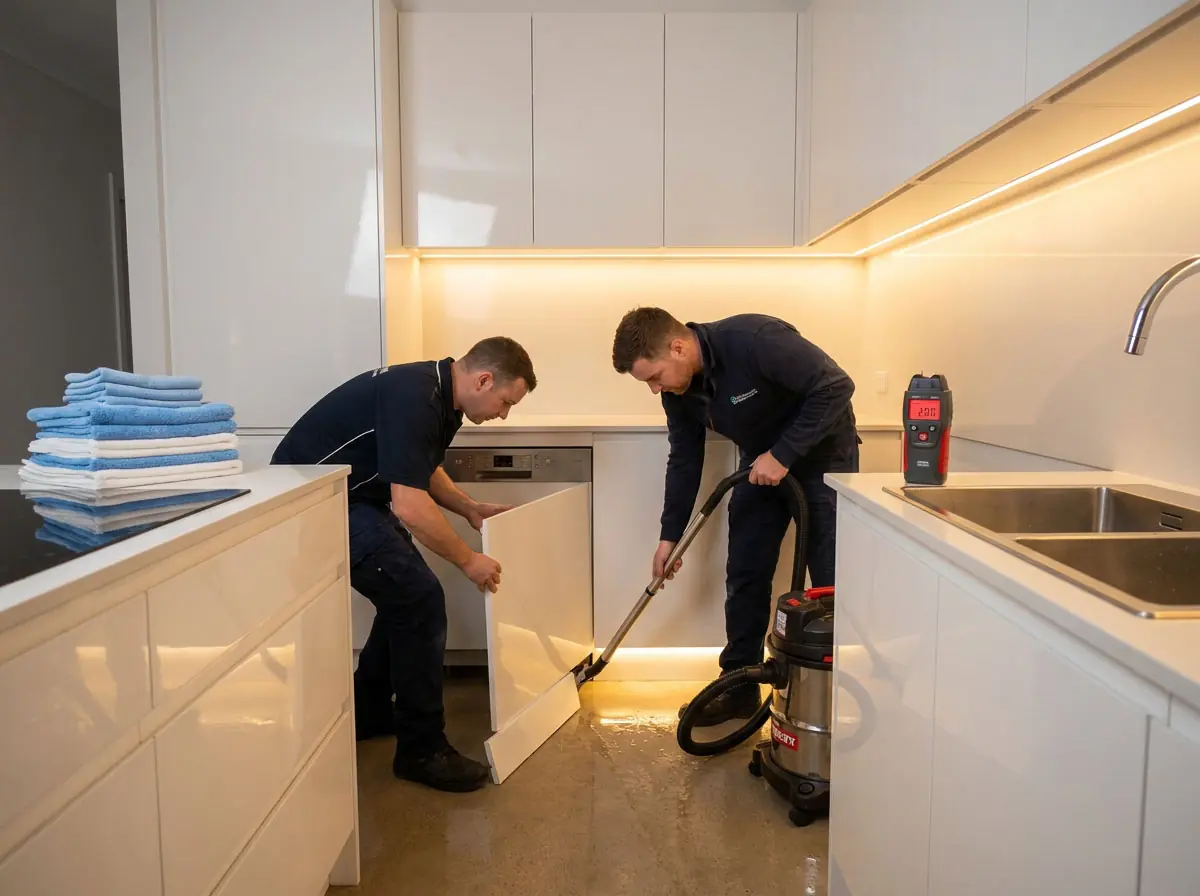
Behind the Scenes: A Case Study of a Local Lewisville Property Restoration
Last fall, we handled a classic Lewisville basement crisis near Lewisville Lake. A homeowner thought a simple dehumidifier would stop the musky smell coming from behind their built-in bookshelves.
By the time they pulled the units away from the wall, they found a thriving mold colony that had compromised the baseboards and the insulation behind the drywall. We didn't just spray it; we deployed a full containment strategy to ensure those spores didn't travel to the upstairs bedrooms where the kids slept.
Our team followed a strict checklist to restore the environment:
- Established negative air pressure to lock contaminants in the workspace.
- Applied specialized antimicrobial agents to neutralize roots inside the porous wood studs.
- Installed high-efficiency particulate air scrubbers to capture airborne particles as small as 0.3 microns.
- Verified moisture levels dropped below 15% before clearing the area for reconstruction.
The result wasn't just a clean wall; it was a complete reset of the indoor air quality. The homeowner discovered that the original builders had left a small gap in the exterior flashing, which allowed moisture to wick into the wood every time we had a heavy Texas rainstorm.
We patched the flashing and sealed the structure, proving that remediation is only half the battle. If you ignore the structural entry point, the mold will always find its way back home.
Health Precautions and Air Quality Standards for Your Household
When mold colonies take hold, they release microscopic spores into the air you breathe every single day. These spores act like tiny irritants that can trigger respiratory distress, headaches, and skin rashes, especially for children or seniors living in your Lewisville home.
You cannot simply open a window and hope for the best. To maintain a safe environment during the cleanup process, professionals follow strict indoor air quality protocols to keep your family protected.
Essential Safety Standards for Remediation
- Containment barriers must be constructed to prevent spores from spreading to unaffected rooms.
- High efficiency particulate air (HEPA) filtration systems are required to capture 99.97% of airborne contaminants.
- Personnel must wear proper personal protective equipment (PPE) including respirators and suits to avoid cross contamination.
- Negative air pressure is established to keep mold particles from floating into your HVAC system.
Do not let your household remain exposed to volatile organic compounds or mold toxins while repairs happen. True remediation requires monitoring the particle count in the air to ensure the levels return to a baseline that is safe for human health.
Once the work is done, you should insist on an air quality test performed by a third party. This validates that the local air is clean, free of active spores, and safe for your family to return to their normal daily routines.
Final Words
Mold is not just a cosmetic nuisance you can wipe away on a Saturday morning. It is a biological organism that thrives on the specific weather patterns we deal with here in North Texas.
When you choose professional Mold Remediation, you are paying for the containment and extraction of microscopic spores that your vacuum or spray bottle will never touch.
If you suspect an issue, timing is your biggest enemy. Here is what you should prioritize before calling in the heavy artillery:
- Stop the moisture source immediately by shutting off leaks or drying standing water.
- Keep your distance from the affected area to avoid spreading spores to your clean rooms.
- Document the growth with clear photos for your insurance adjuster.
Do not wait for the scent to get stronger or for your family to start showing respiratory symptoms. True property protection happens when you act on the first sign of trouble rather than the last stage of decay.
People Also Ask
How much does professional mold remediation cost in Lewisville?
The cost of mold removal varies based on the size of the affected area and the extent of the infestation. Professionals typically provide a custom quote after conducting a thorough inspection of your property.What are the first signs of a mold problem in a home?
Common signs include a musty odor, visible dark spots on walls or ceilings, and unexplained allergy symptoms among household members. If you notice these indicators, it is important to address the moisture issue immediately to prevent further spreading.Is mold remediation covered by homeowners insurance in Texas?
Coverage depends heavily on the source of the moisture, as most policies only cover mold resulting from sudden, accidental plumbing failures. You should review your specific policy or consult with the EPA guidelines to understand how indoor air quality standards apply to your home.Can I safely remove mold myself using bleach?
Bleach is generally ineffective for porous surfaces because it only kills surface mold while the roots remain deep within the material. Professional remediation is recommended to safely contain spores and prevent cross contamination throughout your living space.How do professionals ensure mold does not return after cleaning?
Experts focus on identifying and repairing the underlying moisture source rather than just removing visible growth. By utilizing industrial dehumidifiers and antimicrobial treatments, they ensure the environment remains inhospitable to future fungal development.Need Water Damage Restoration Services?
We provide rapid water damage restoration to stabilize and dry your property in Lewisville and surrounding communities (75057, 75067, 75028, 75022). Our team minimizes structural loss by deploying immediate mitigation services to restore your home or business quickly.
Request Price Estimate