


⚡ TL;DR: This guide outlines essential tips for flood damage restoration in Lee's Summit, helping homeowners avoid critical safety hazards and costly errors during the professional recovery process for homes.
📋 What You’ll Learn
Recovering from a flood in Lee's Summit requires immediate and decisive action. In this guide, we break down the most common mistakes homeowners make that compromise safety and increase restoration costs.
- Prioritize your personal electrical safety by understanding exactly when to cut power to your home to prevent life-threatening hazards during the early stages of a basement flood.
- Stop mold before it starts growing by recognizing why delaying professional water extraction for even a few hours creates the perfect environment for dangerous fungal colonization throughout.
- Avoid costly DIY extraction errors that often leave hidden moisture trapped deep inside walls and flooring, leading to structural rot and expensive long-term property damage for residents.
- Protect your insurance claim status by learning the correct protocols for documenting damaged belongings before you begin any cleanup efforts in your water-impacted Lee's Summit home.
📖 Reading time: 7 min
✍️ Author expertise: Local water damage specialist in Lee's Summit with decades of hands-on restoration experience.
You wake up to the sound of splashing in your basement, only to realize your home is becoming a swimming pool. Panic sets in, and in that split second, you are likely about to make a decision that could cost you thousands of dollars and your family's health.
Most homeowners in Lee’s Summit think they know how to handle a water crisis, but they usually end up making the problem significantly worse. One wrong move can turn a simple cleanup into a long-term disaster involving hidden mold and ruined structural integrity.
If you want to protect your property and ensure your insurance claim actually gets paid, stop what you are doing right now. Here are the seven critical errors you must avoid to keep your home from becoming a total loss.

Turning Off the Power: Why Neglecting Electrical Safety Can Be Fatal
Your first instinct might be to rush into the basement to save your belongings. Stop. If there is standing water, electricity is your greatest enemy.
Water conducts current, and your home is full of live wires, outlets, and appliances. Stepping into a flooded room without cutting the main power breaker is essentially walking into a death trap.
Before you take a single step into the water, follow these non-negotiable safety protocols:
- Locate your electrical service panel.
- If the panel is in a dry, accessible area, flip the main breaker to the OFF position immediately.
- If the panel is submerged or surrounded by water, do not touch it. Call your local utility provider in Lee's Summit or a licensed electrician to cut power from the outside.
You might think your appliances are safe because they are plugged into a wall, but think again. Any extension cord, power strip, or floor lamp creates an immediate risk of electrocution once the water level rises.
Even if the lights are still working, the ground could be electrified. Your safety is worth far more than any piece of furniture, so please, keep your feet on dry ground until the power is confirmed dead.
Waiting to Call the Pros: How Every Hour of Delay Fuels Mold Growth
When water floods your Lee's Summit home, you are on a ticking clock. The biggest mistake homeowners make is assuming they can wait until morning or until the weekend to deal with the standing water.
Microscopic mold spores are already present in your home, but they are dormant. Once moisture hits drywall, carpeting, or wood, these spores begin to colonize within 24 to 48 hours.
By the time you notice a musty smell, the infestation has likely spread behind your walls and into your HVAC system. Professional restoration crews bring industrial-grade air movers and dehumidifiers that remove moisture from deep within structural materials, stopping the mold cycle before it gains a foothold.
The Cost of Waiting
Delaying the call to experts leads to a chain reaction of damage that grows exponentially over time:
- 0-24 Hours: Water seeps into porous materials, causing wood to swell and paint to peel.
- 24-48 Hours: Mold begins to grow on wet surfaces and in dark, humid wall cavities.
- 48+ Hours: Secondary damage occurs, including warping floors, warped drywall, and potential biohazard contamination.
Ignoring the water allows the moisture to wick into the foundation and framing of your house. It is much cheaper and faster to dry a room professionally than it is to gut the entire basement and perform full-scale mold remediation later.

Attempting DIY Water Extraction: The Hidden Dangers of Improper Drying
Grabbing a shop vac and a couple of box fans might feel like a smart move, but you are likely pushing moisture deeper into your subfloors and wall cavities. Residential vacuums are not designed for structural drying, and standard household fans often circulate contaminated air throughout your living space.
When you attempt to dry your home yourself, you often miss the water trapped behind drywall or under floorboards. This hidden moisture creates a breeding ground for toxic mold colonies within forty eight hours. Professional remediation requires specialized moisture meters and industrial dehumidifiers that draw water out of materials, not just across the surface.
Risks of Improper Extraction
- Electrical shorts caused by water trapped inside wall outlets.
- Structural rot that compromises the stability of your flooring joists.
- Cross contamination where sewage water is spread into unaffected areas.
- Permanent warping and cupping of hardwood floors that cannot be reversed.
If you lack professional-grade extraction equipment, you are effectively paying to replace the entire structure instead of just the damaged floor. Insurance adjusters often deny claims for DIY restoration attempts because they view the subsequent damage as negligence rather than the result of the initial flood. Stick to professional intervention to ensure your home remains safe for your family.
Moving Damaged Belongings: Why You Must Document Before You Clean
Your gut reaction will be to throw everything into the trash or start hauling heavy items to the curb to save them. Stop right there. If you move, toss, or clean your waterlogged items before documenting the damage, you are essentially throwing away your insurance money.
Insurance adjusters in Missouri operate on cold, hard facts, not stories about what used to be in your basement. Without photographic proof, you have zero leverage to claim the true replacement value of your property.
Before you touch a single water-soaked rug or soggy box of photos, grab your smartphone and follow these steps to secure your claim:
- Take wide-angle photos of every affected room to establish the scope of the flood.
- Capture close-up shots of damaged baseboards, appliances, and personal electronics.
- Record a brief video walkthrough while narrating the damage you see.
- Keep a digital inventory list of every item that needs to be discarded.
Treat your home like a crime scene until you have gathered sufficient evidence. If you must move an item to prevent it from causing further damage to your floors, take a picture of it exactly where it sat before you relocate it. Documentation is your best friend when the insurance company starts questioning the extent of your loss.
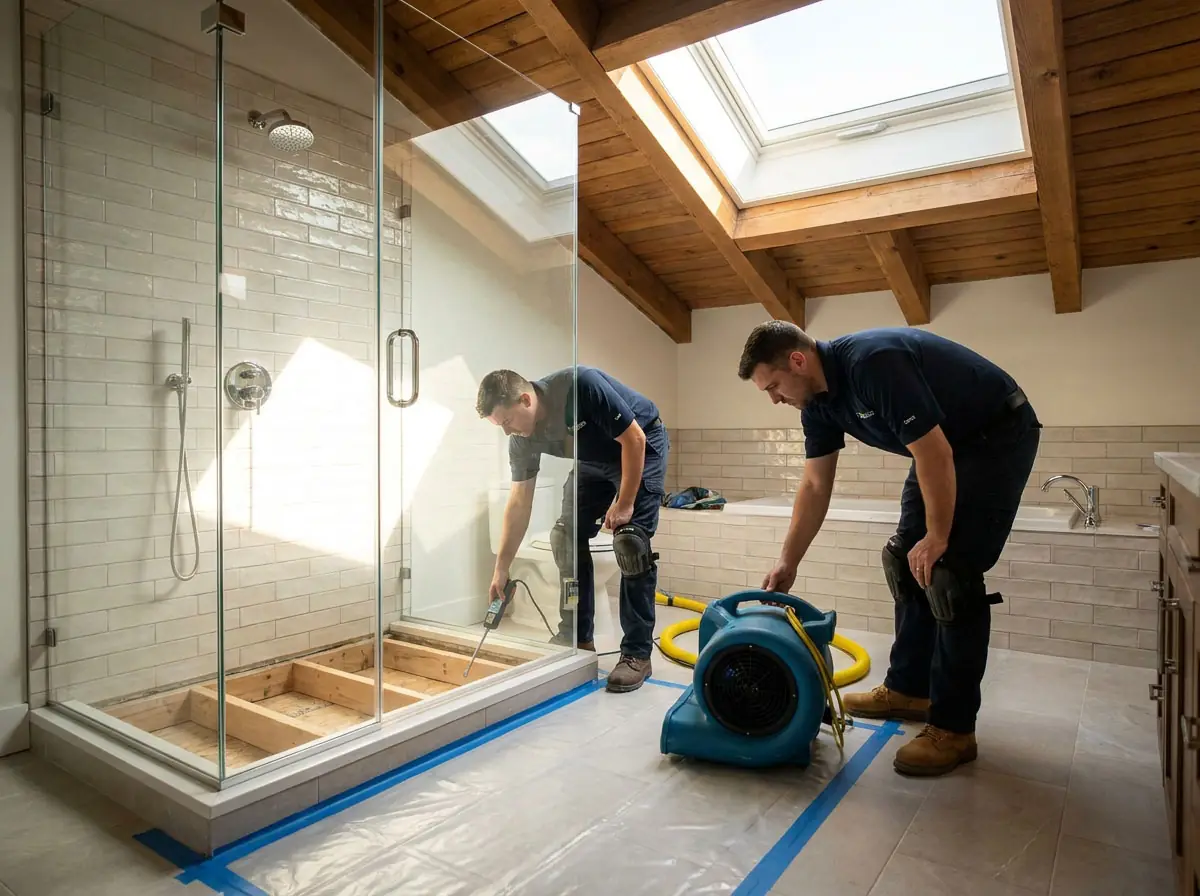
Lessons from a Basement Flood: A Lee's Summit Recovery Case Study
Last spring, a local family in the Raintree Lake area faced a sudden basement flood after a heavy storm overwhelmed their sump pump. They initially tried to use a shop vac to suck up the water, but they ignored the water that seeped behind the drywall and under the baseboards. Within forty-eight hours, they noticed a musty odor, and within a week, black mold spores were visible on their drywall, ruining their expensive home theater system.
This situation serves as a stark reminder that what you cannot see is often more dangerous than the standing water itself. The homeowners failed because they treated the surface instead of addressing the moisture trapped in the wall cavities. Had they called for professional inspection immediately, they could have saved their drywall and prevented the spread of toxic spores.
Here are the key takeaways from this Lee's Summit disaster that you should keep in mind:
- Moisture meters are required to detect hidden saturation in studs and insulation.
- Structural drying requires industrial grade dehumidifiers, not just portable household fans.
- Visible mold is often just the tip of the iceberg, meaning the damage is likely deeper than you think.
The mistake of thinking a wet basement is just a cleanup job rather than a complex structural issue is exactly why many local insurance claims are denied or undersized. Don't fall for the trap of thinking your home is dry just because the carpet looks okay. Professional moisture detection is the only way to confirm your home is truly safe for your family to occupy.
The Flood Restoration Action Table
When your home is flooding, your brain likely feels like it is misfiring. You need a simple, reliable reference to stay focused before professional help arrives in Lee's Summit.
| Step | Action | Why it Matters |
|---|---|---|
| 1 | Cut Main Power | Prevents lethal electrocution risks. |
| 2 | Stop Water Source | Limits total volume of destruction. |
| 3 | Photograph Damage | Crucial for insurance payout success. |
| 4 | Call Experts | Starts the clock on mold prevention. |
| 5 | Ventilate Area | Slows down moisture absorption rates. |
Use this table to keep your head on straight when every instinct tells you to start scrubbing. Precision is your best friend during those first chaotic minutes.
Follow these quick guidelines to ensure your property remains safe while you wait for our team. Remember, your safety is the highest priority, not the items in your basement.
- Wear rubber boots and gloves to avoid contaminated water exposure.
- Avoid touching any wall outlets or switches if water is standing nearby.
- Keep a list of every item you move to help with your claims filing.
- Leave high-power cleanup equipment to the trained professionals.
Taking Control of Your Home’s Restoration Journey
The aftermath of a flood is a high-stakes chess match against time and moisture. Every decision you make in the first few hours determines whether your Lee's Summit home returns to normal or ends up gutted to the studs.
You are the captain of this ship, but you do not have to sail through the storm alone. Bringing in experts who specialize in Flood Damage Restoration is the difference between a minor headache and a total property meltdown.
Your Immediate Checklist for Success
Focus on what matters. Your priority is stopping the spread of damage and keeping your family safe from unseen electrical or biological hazards.
- Document everything with high-resolution photos before moving a single item.
- Shut down the main breaker if the water level is high.
- Prioritize safety over sentimentality; if it is soaked in sewer water, it is not worth saving.
Stay sharp and stay calm. By avoiding the pitfalls outlined above, you keep your equity protected and ensure that your insurance company has zero excuses to deny your claim.
The goal is a full recovery, not just a quick patch-up job. Take command of the process, hire professionals who respect your investment, and get your life back to normal without the long-term nightmare of hidden structural rot.
People Also Ask
Is water damage covered by homeowners insurance in Lee's Summit?
Most standard homeowners insurance policies in Missouri do not cover flood damage caused by rising water or ground surface water. You should review your policy carefully and consider obtaining flood insurance if your property is located in a high risk zone.How quickly does mold start to grow after a flood?
Mold can begin to colonize and spread within 24 to 48 hours after water intrusion. This makes professional extraction and industrial grade dehumidification critical to preventing long term structural damage to your home.What should I do immediately after a flood in my basement?
Your first priority is ensuring electrical safety by avoiding any standing water until the main power is shut off. Once you have confirmed it is safe to enter, contact professional restoration experts to begin the water mitigation process immediately.Can I clean up flood water on my own?
Minor spills might be manageable, but significant flood events involve contaminated water that poses severe health risks. Professionals use specialized equipment and personal protective gear to ensure the area is properly sanitized and dried to code.Why is documentation important during the water restoration process?
Thoroughly documenting damage with photos and videos is essential for your insurance claim process. Providing clear evidence of the destruction before you begin any cleanup helps verify your losses and ensures a smoother settlement.Need Water Damage Restoration Services?
We provide rapid water damage restoration to restore your property in Lee's Summit and surrounding communities. Our team eliminates moisture quickly to prevent structural damage (64063, 64064, 64081, 64082, 64086).
Request Price Estimate