


⚡ TL;DR: Homeowners in League City can protect their investments by learning to identify hardwood floor water damage early and choosing professional drying methods over simple household fan efforts.
📋 What You’ll Learn
When water strikes your League City home, every second counts for your hardwood floors. This guide covers how to identify damage, execute immediate repairs, and protect your home from long-term moisture.
- Identify specific types of warping by learning the differences between cupping, crowning, and buckling so you can accurately assess if your floors need urgent professional intervention or basic maintenance.
- Evaluate professional drying methods against ineffective DIY fan attempts to ensure you are using the correct industrial technology to prevent mold growth and permanent structural wood damage underneath.
- Analyze repair versus replacement costs using our detailed breakdown to decide whether a refinishing project is financially smarter than a full floor replacement for your specific water loss.
- Uncover hidden moisture risks trapped deep inside your subfloor that often remain invisible until rot sets in, potentially compromising the safety and integrity of your historic League City property.
📖 Reading time: 8 min
✍️ Author expertise: League City restoration expert with a decade of field experience drying local homes.
You wake up in your League City home, walk toward the kitchen, and feel that sickening, mushy give beneath your bare feet. A pipe leaked in the night, and now your beautiful hardwood is cupping, warping, and absorbing water like a sponge.
Most homeowners assume the worst the second they see the damage, thinking a total floor replacement is their only future. The truth is, if you act with surgical precision in these first few hours, you can stop the rot and save your investment from the dumpster.
Before you lose another board to moisture, here is exactly how to stop the spread and salvage your floors right now.

Immediate Response Tactics for League City Homeowners
When water strikes, the clock is your greatest enemy. Every minute your hardwood floor spends saturated, the fibers swell and the wood becomes more likely to warp beyond repair.
Stop what you are doing and take these steps immediately to stabilize the situation before our professional team arrives:
- Shut off the main water valve to the home to prevent further saturation.
- Clear the area of furniture, but be careful not to drag heavy pieces across the wet wood, which can cause surface scratching.
- Use a wet-dry vac to pull up all standing water from the surface. Do not use a regular mop, as it simply spreads the moisture around.
- Set up portable dehumidifiers in the room if you have them.
Do not make the mistake of cranking up your home thermostat to bake the floors dry. Excess heat will shock the wood, causing it to crack and split further rather than drying evenly.
Instead, focus on moisture extraction. You want to get the humidity in the room down as fast as humanly possible to encourage the wood to release trapped water into the air.
A Warning on Airflow
While you might be tempted to blast floor fans directly onto the wet boards, resist the urge. High-velocity air blowing straight at the wood can cause the top layer to dry and shrink faster than the bottom layer.
This uneven drying process is the fastest way to turn a minor spill into a permanent buckling nightmare. Keep the air moving around the room, but keep the fans aimed away from the direct surface of the hardwood.
The Critical Difference Between Cupping, Crowning, and Buckling
When water strikes your hardwood, your floor talks to you. Understanding these three distinct languages is the difference between a simple repair and a total financial disaster.
Most homeowners confuse these signs, but treating them incorrectly will cost you thousands. Here is how to identify exactly what is happening to your planks:
- Cupping: The edges of the board rise higher than the center, creating a concave or U-shaped appearance. This happens when the bottom of the wood absorbs more moisture than the top.
- Crowning: The center of the board is higher than the edges. This is often caused by sanding the floor too early while it is still damp or after the wood has been exposed to extreme humidity.
- Buckling: The most severe stage where the flooring actually lifts away from the subfloor. This usually signals a major plumbing failure or heavy standing water.
You need to move fast because these issues represent different levels of structural failure. Cupping can sometimes be reversed with careful humidity control, but buckling usually means the wood has lost its bond to the foundation and may need to be ripped out entirely.
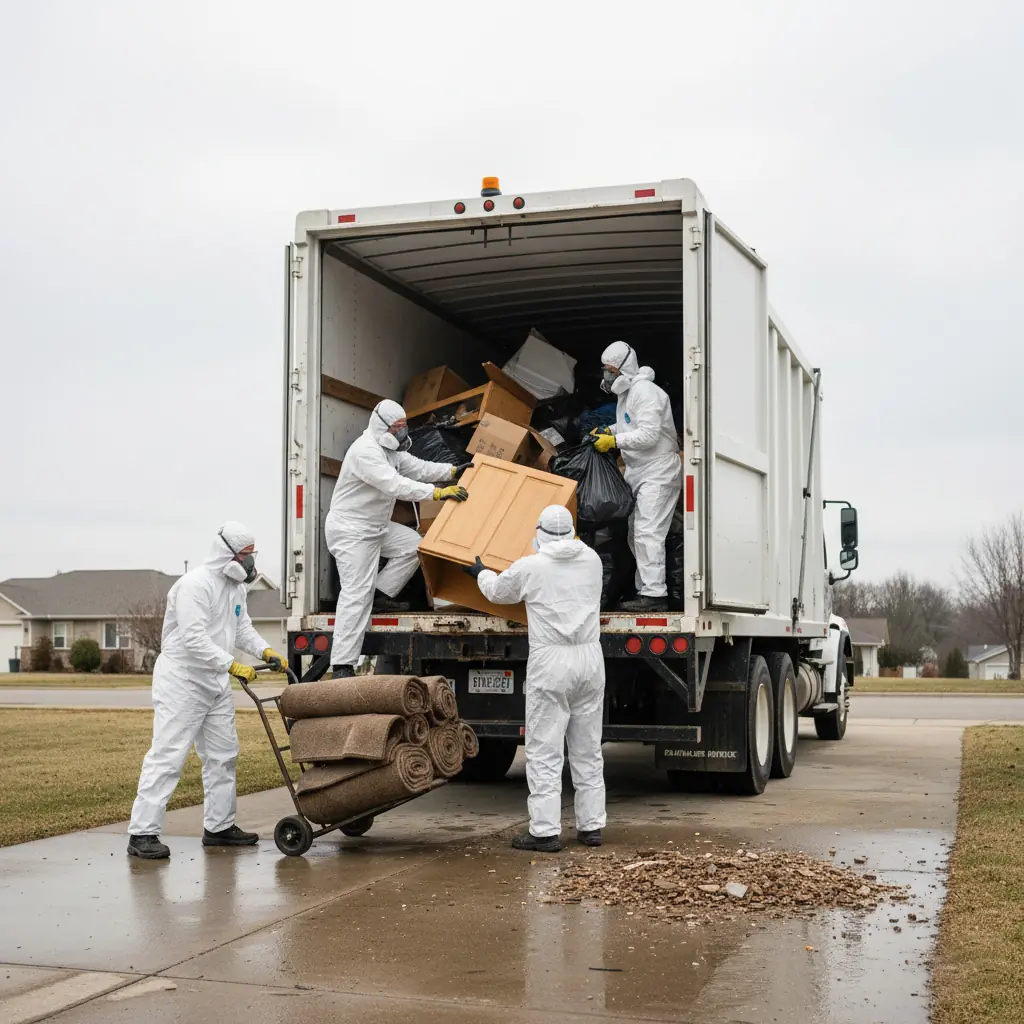
Professional Drying Techniques vs. DIY Fan Efforts
You might think setting up a few box fans and cranking the air conditioning will dry out your hardwood floors. In reality, that is a risky gamble that often leads to permanent warping and mold growth beneath the surface.
Home fans simply push moisture around the room rather than extracting it from the porous grain of the wood. Professional restoration requires specialized equipment that targets the deep moisture content locked inside the fibers of the boards.
When you hire experts to handle a water damage event, we use industrial-grade drying systems that DIY methods just cannot touch:
- Low Grain Refrigerant Dehumidifiers: These pull moisture directly out of the air and the floor, dropping the humidity levels far faster than your home AC unit ever could.
- High Velocity Air Movers: We strategically position these to force air into tight spaces, forcing moisture to evaporate from the subfloor and the floorboards simultaneously.
- Moisture Mapping Tools: Instead of guessing, we use non-invasive sensors to track exactly where water is hiding, ensuring we do not stop until every board is completely dry.
The time window to save your floor is slim. Relying on residential airflow often leaves the bottom of the wood wet, which invites decay and structural instability that you will not see until the floor eventually fails completely.
A Comparative Cost-Analysis Table for Repairs vs. Replacement
When your hardwood floors take on water, your checkbook is likely the next thing to feel the heat. You are sitting at a crossroads where you have to decide between a surgical restoration or a full-scale demolition.
The following breakdown highlights the typical financial commitment for League City homeowners. Keep in mind that these numbers can shift depending on the wood species and the severity of the saturation.
| Service Category | Estimated Cost Range | Typical Timeline |
|---|---|---|
| Emergency Moisture Extraction | $500 - $1,200 | 1-2 Days |
| Professional Structural Drying | $800 - $2,500 | 3-5 Days |
| Sanding and Refinishing | $4 - $8 per sq. ft. | 4-7 Days |
| Full Floor Replacement | $15 - $30 per sq. ft. | 2-3 Weeks |
Repairing your existing floor is almost always the more affordable path. You preserve the historic character of your home and avoid the hidden costs of removing subflooring or baseboards.
However, total replacement becomes inevitable if the wood has developed deep mold colonization or if the structural integrity of the boards is compromised. Choosing the right path requires an honest assessment of the damage:
- Does the wood feel soft or spongy under pressure?
- Are there signs of dark black staining deep within the grain?
- Has the subfloor already begun to show signs of warping?
If you catch the moisture early, restoration saves you thousands of dollars. You keep your original investment intact while avoiding the massive headache of a full interior construction project.
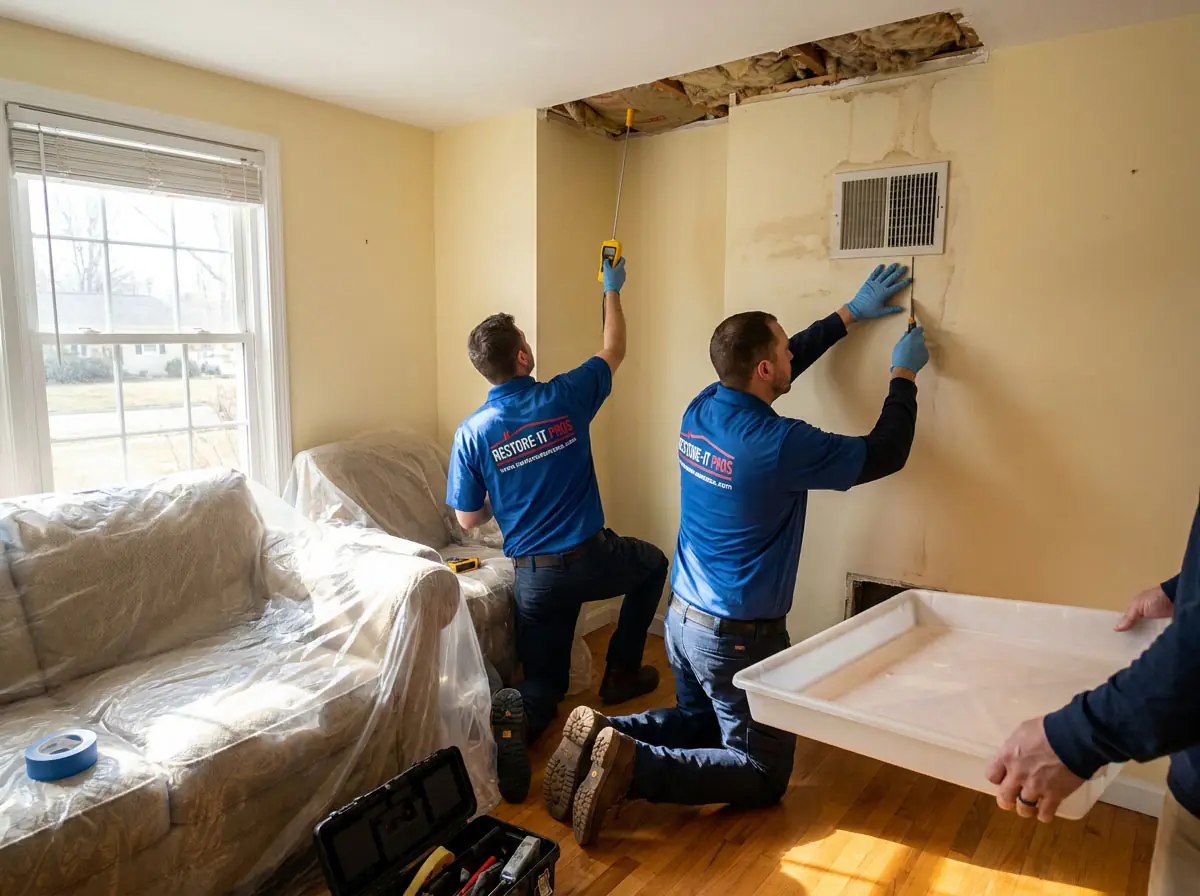
Restoring a Historic League City Home: A Proven Success Story
Last spring, we were called to a historic property near the League City Historic District. The homeowner faced a burst pipe that sent water pooling across century-old white oak planks.
They feared the heritage of their home was lost forever. Instead of ripping out the floors, we deployed specialized moisture extraction systems designed to pull water from deep within the wood grain without causing further thermal stress.
Here is what we did to save that floor:
- Isolated the affected zones immediately to prevent moisture migration.
- Used structural drying equipment to maintain humidity equilibrium.
- Monitored the moisture content until the wood returned to its natural equilibrium moisture content.
- Performed a light sand and finish to erase any surface-level signs of the event.
Because we caught the damage early, we avoided a full demolition. The original timber remained intact, preserving the soul of the home and saving the owner thousands of dollars in material costs.
Historic homes require a gentle touch because the wood is often drier and more brittle than modern flooring. We treated each board like a valuable antique rather than a standard construction material.
Hidden Risks of Moisture Trapped Beneath Your Subfloor
Surface-level drying is the biggest trap for League City homeowners. You might think your floors are safe because the top feels dry to the touch, but moisture loves to hide in the dark spaces between your planks and the subfloor.
If you ignore what is happening underneath, you are practically inviting disaster into your home. Trapped water quickly turns into a breeding ground for nasty surprises that will destroy your property value.
- Black mold colonies that thrive in damp, dark crevices.
- Structural rot that compromises the integrity of your joists.
- Persistent odors that signal hidden decay.
- Pest infestations drawn to softened, water-logged wood.
When water sits beneath the surface, it compromises your subfloor and eventually ruins your finish from the bottom up. Professionals use specialized moisture meters to detect these silent threats that you cannot see or feel.
Unless you address the moisture at the core, your expensive hardwood is just a ticking time bomb. Do not let your home become a victim of a problem that is hidden but incredibly destructive.
Final Words
Your hardwood floors are not just wood; they are a significant asset that defines the character of your League City home. When liquid threatens that investment, hesitation is your biggest enemy.
You have the power to stop permanent warping if you move fast and contact the right experts. Ignoring standing moisture today leads to mold growth and structural decay that will cost you ten times more tomorrow.
The Smart Approach to Recovery
Don't gamble with expensive flooring by guessing your way through the drying process. Our team has the specialized equipment to pull moisture from deep within the subfloor where standard fans simply cannot reach.
If you need expert guidance on Hardwood Floor Water Damage, keep these priorities in mind:
- Shut off the water source immediately to prevent further saturation.
- Document the damage with high-resolution photos for your insurance adjuster.
- Avoid using heat sources like hair dryers, which can cause wood to crack.
Taking control early is the difference between a minor repair and a total floor gutting. Reach out to a professional restoration service the moment you detect that familiar, dreaded mushy feel beneath your feet.
People Also Ask
How soon should I call for water damage restoration in League City?
You should contact a professional immediately after discovering water damage to prevent permanent structural decay. Acting within the first 24 to 48 hours is critical to stop mold growth and minimize the extent of wood warping.Can I dry hardwood floors myself using fans?
Standard household fans are typically insufficient because they only circulate air on the surface and fail to address moisture trapped within the wood grain or subfloor. Professional restoration teams use industrial dehumidifiers and specialized drying mats to extract water from deep inside the material.What are the signs that my hardwood floors need professional repair?
Visible signs include cupping, crowning, or gaps appearing between your floorboards after a water event. If you notice a persistent musty odor or soft spots, you should consult EPA guidelines regarding potential indoor mold contamination.Does homeowners insurance cover water damaged hardwood floors?
Coverage depends on the specific cause of the water damage, such as a sudden pipe burst versus long term seepage. You should review your policy carefully and document all damage with photographs before initiating any cleanup or restoration efforts.How do I know if the subfloor is damaged by water?
If your hardwood floors remain squishy or continue to show signs of movement after the surface appears dry, moisture is likely trapped in the subfloor. A professional moisture meter test is required to confirm if the underlying foundation is saturated and requires professional remediation.Need Water Damage Restoration Services?
We provide rapid water damage restoration to stabilize and restore your property in League City and surrounding communities (77573, 77574, 77539, 77546). Our team arrives quickly to mitigate damage and return your home or business to its pre-loss condition.
Request Professional Estimate