


⚡ TL;DR: This guide outlines five critical errors to avoid during sewage backup cleanup in Kissimmee, helping property owners protect their health and prevent permanent damage through timely professional assistance.
📋 What You’ll Learn
Dealing with a sewage backup in your home is a stressful emergency. This guide highlights the critical errors Kissimmee residents often make and provides professional strategies to ensure a safe, compliant restoration.
- Recognize the dangers of DIY cleanup by learning why raw sewage requires specialized protective gear, industrial-grade disinfectants, and professional remediation protocols that standard cleaning supplies simply cannot provide.
- Prevent rapid structural decay by understanding how quickly moisture and waste compromise floor joists and drywall, necessitating immediate professional intervention to avoid expensive long-term property damage repair.
- Master the sanitization process by discovering why porous materials like carpet and insulation must be properly handled or discarded to prevent dangerous microbial growth and lingering health hazards.
- Evaluate professional recovery strategies through a detailed cost breakdown that helps homeowners weigh the price of expert mitigation against the severe risks associated with improper, uncertified sewage removal.
📖 Reading time: 7 min
✍️ Author expertise: Certified Kissimmee water damage restoration specialist with decades of field-tested sewage cleanup experience.
You wake up to the unmistakable, gut-wrenching stench of raw sewage seeping into your Kissimmee home. It is a homeowner’s worst nightmare, and the clock is already ticking on the structural integrity of your property.
Most people react out of pure panic, grabbing the nearest mop or shop vacuum without realizing they are turning a bad situation into a financial catastrophe. One wrong move doesn't just spread bacteria; it can cost you thousands of dollars in hidden repairs and toxic mold remediation later on.
Before you touch a single item or attempt a DIY cleanup, you need to know exactly what traps to avoid to protect your wallet and your family’s health. Here are the five most expensive mistakes homeowners make during a sewage backup and how to stop them before they ruin your floors for good.

Treating Sewage Cleanup Like Standard Water Damage
The biggest lie you can tell yourself during a sewer line failure is that it is just like any other puddle. This is not tap water. It is Category 3 water, also known as black water, and it contains viruses, parasites, and fecal matter that your average household cleaner cannot touch.
When you treat raw sewage like a leaky roof or an overflowing sink, you invite disaster into your home. Using a standard mop or a shop vacuum meant for clean water does nothing but spread dangerous pathogens across your floors and into your drywall.
Here is why this distinction matters for your safety:
- Biohazard Risks: Sewage contains E. coli and salmonella which require specialized hospital grade disinfectants.
- Cross Contamination: Moving through the area with standard equipment tracks bacteria into unaffected rooms.
- Aerosolization: The physical agitation of scrubbing or vacuuming launches toxic particles into the air that you end up breathing.
You must shift your mindset immediately from cleaning to containment. If you treat this like a standard mess, you are not just cleaning a floor; you are creating a biological hazard zone that will likely require professional mold remediation and structural replacement later on.
Stop trying to suck up the mess yourself. Every second spent with a shop vac in that muck is a second spent turning your home into a toxic environment.
The Hazards of DIY Mitigation and Why Professional Certification Matters
Most homeowners assume that a pair of rubber gloves and a bottle of bleach is enough to handle a sewer backup. They are dead wrong. Sewage is classified as Category 3 water, which is highly contaminated with pathogens, viruses, and parasites that can cause severe illness upon contact or inhalation.
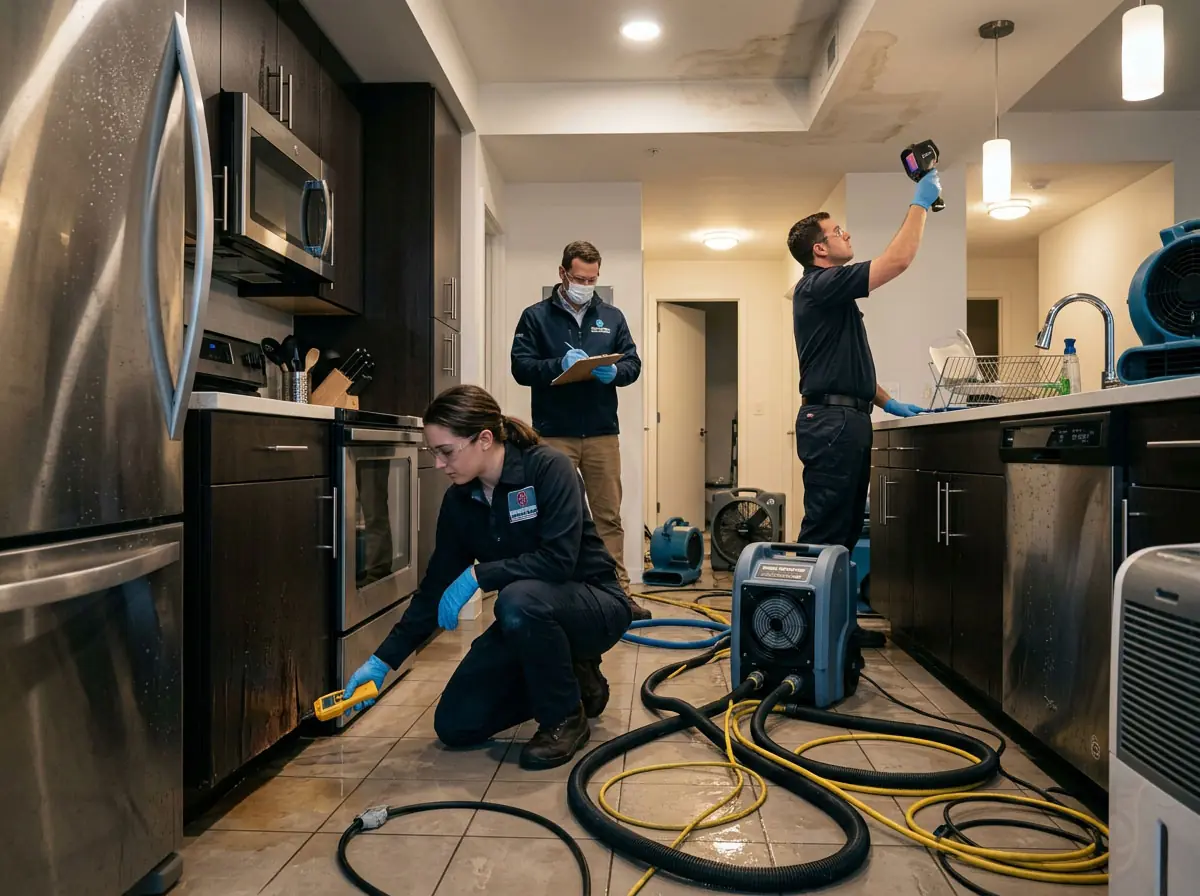
Attempting to clean this mess yourself exposes you to toxic waste without the proper respiratory gear or specialized containment barriers. Professional crews are trained to manage these biohazards safely, ensuring that contaminants do not migrate from the impacted zone to the rest of your home.
Why Certification is Non-Negotiable
When you hire a restoration company in Kissimmee, you are not just paying for labor. You are paying for the IICRC certification that dictates every step of the sanitization process. Without this standard, you risk leaving behind invisible microbial colonies that will trigger mold growth within days.
Certified experts follow strict protocols to prevent long-term damage:
- Full containment to prevent cross-contamination of air ducts and living spaces.
- Advanced chemical disinfectants that meet EPA hospital-grade standards.
- Industrial-grade dehumidification to ensure sub-floors are completely dry.
- Proper disposal of hazardous waste according to local Kissimmee environmental codes.
If you don’t have an IICRC-certified technician on the job, you are essentially gambling with your family’s health. A professional does not just clean the surface; they verify that the environment is chemically neutral and safe for habitation again.
Delayed Response Times and the Rapid Escalation of Structural Decay
When raw sewage invades your Kissimmee property, time is your greatest enemy. Every hour that contaminated water sits idle, it aggressively penetrates your subflooring, drywall, and framing.
Microorganisms and moisture don't wait for your insurance adjuster to call you back. The longer you wait, the deeper the toxicity spreads, turning a localized plumbing failure into a massive structural hazard that costs ten times more to remediate.
Consider the rapid decline of your home’s building materials once exposure begins:
- 0-24 Hours: Moisture wicks into baseboards and begins to compromise porous drywall.
- 24-48 Hours: Bacteria colonies multiply exponentially, and the smell becomes permanently embedded in your home.
- 48-72 Hours: Wood framing begins to swell, and mold spores start to germinate in the damp, nutrient-rich environment.
- 72+ Hours: You are likely facing extensive demolition of flooring and wall studs to prevent permanent rot.
Ignoring this immediate threat is a massive mistake. You might think the water looks manageable today, but behind your walls, the decay is moving at a frightening pace. Once structural rot sets in, the repair costs jump from a simple extraction job to a full-scale reconstruction project that requires professional heavy equipment and deep-cleaning chemicals.
Comparing Cleanup Strategies: A Cost Breakdown Table for Property Owners
Homeowners often try to save cash by handling sewage issues themselves, but this backfires more often than not. When you compare the real costs of a DIY attempt against professional restoration, the math tells a different story. You might save on upfront labor, but you pay a massive premium in potential health risks and long term property depreciation.
| Expense Category | DIY Approach | Professional Restoration |
|---|---|---|
| Safety Gear & Equipment | Moderate (Ineffective) | Included |
| Waste Disposal Fees | High (Hidden Costs) | Included |
| Insurance Claim Filing | Low Success Rate | High Success Rate |
| Secondary Mold Remediation | Very Likely | Prevented |
| Total Financial Risk | High | Low |
Professional services include specialized cleaning agents and industrial grade dehumidifiers that a standard hardware store purchase simply cannot match. If you rely on store bought vacuums, you are likely just pushing contaminated waste into your wall cavities. That is how you turn a small leak into a total tear out of your flooring and drywall.
By hiring a certified team in Kissimmee, you are paying for documentation and compliance. Insurance adjusters require specific logs and proof of sanitation to approve your claim. Without this paperwork, you are usually left holding the bill for the entire repair job alone.
- Proper sanitation prevents future health hazards.
- Expert remediation protects your home resale value.
- Certified crews ensure all state health codes are met.
Failure to Properly Sanitize and Salvage Porous Materials
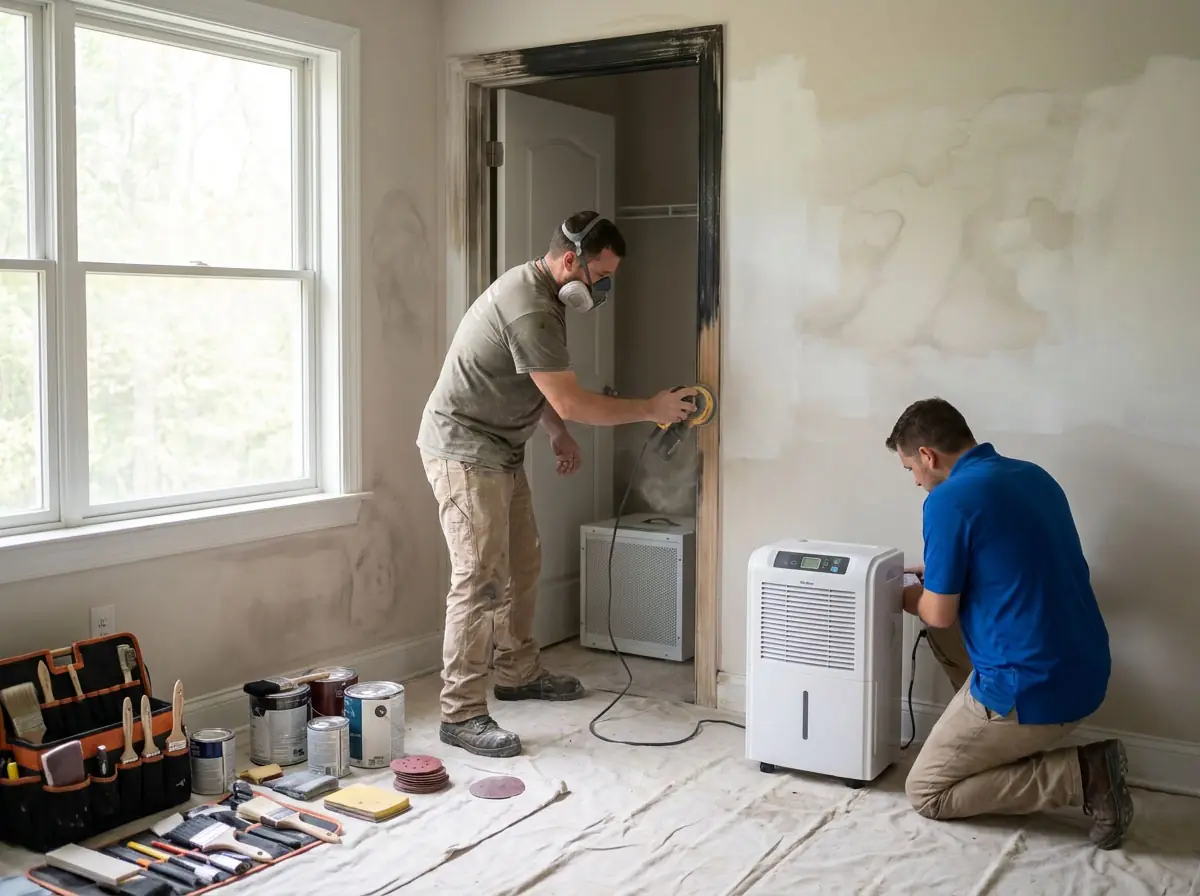
Most homeowners in Kissimmee assume that if a carpet or piece of drywall looks clean after a quick scrub, the danger has passed. This is a deadly misconception. Sewage contains category three water, which is loaded with pathogens, viruses, and parasites that absorb into porous materials like a sponge.
Once these contaminants soak into your padding, subflooring, or upholstery, they cannot simply be wiped away with store-bought bleach. Attempting to salvage these items yourself usually traps bacteria deep inside the fibers, leading to a permanent health hazard and a foul, lingering stench that never truly disappears.
Why Porous Items Must Be Handled with Care
If you ignore professional remediation standards, you are likely setting your home up for toxic mold growth within a matter of days. Items that act as a breeding ground for sewage contaminants include:
- Carpet padding and rugs
- Drywall and baseboards
- Upholstered furniture
- Fiberglass insulation
- Mattresses and pillows
Professional restoration teams use industrial grade antimicrobial treatments and specialized extraction equipment to determine what can be saved and what must be discarded. If you try to keep items that have been saturated, you aren't saving money; you are simply inviting long-term structural decay into your home's foundation.
When in doubt, throw it out. It is always cheaper to replace a section of carpet than to pay for a full-scale mold remediation project six months down the line because you decided to skip a deep cleaning professional.
Lessons from the Kissimmee Sewage Recovery Case Study
Last summer, a local family in Kissimmee made the classic mistake of using a household wet-vac to tackle a basement sewage spill. They thought they were being thrifty, but they actually spread concentrated pathogens through the HVAC system while failing to remove the moisture trapped under their luxury vinyl plank flooring.
By the time they called us, the floorboards had warped and a massive colony of mold had taken root behind the drywall. What could have been a localized extraction job turned into a complete subfloor replacement and extensive air purification process.
The Real World Price Difference
When you look at the raw data, the math favors professional intervention every single time. DIY attempts often lead to secondary damage that insurance adjusters refuse to cover due to negligence.
| Action Taken | Initial Cost | Final Damage Cost |
|---|---|---|
| Immediate Professional Response | $1,500 | $1,500 |
| DIY Cleanup Attempt | $200 | $8,500 |
| Professional Mold Remediation | $3,000 | $3,000 |
| DIY Resulting Mold Damage | $0 | $12,000 |
This case study serves as a brutal reminder that sewage is biohazardous waste, not just dirty water. You are not just cleaning a spill; you are performing a clinical extraction that requires:
- Industrial grade antimicrobial agents that kill E. coli and salmonella.
- HEPA filtration units to scrub toxins from the air.
- Moisture mapping to catch hidden pockets of sewage inside wall cavities.
Don't gamble with your home equity or your family's safety. If you smell sewage, stop the DIY charade, turn off the main water valve, and call in a certified team immediately.
Final Words
A sewage disaster in your Kissimmee home is not a time for trial and error. When Category 3 water infiltrates your flooring, drywall, and HVAC ducts, it carries pathogens that standard household cleaners cannot touch.
Every minute you spend contemplating a DIY fix, the toxins seep deeper into your structure. Professional Sewage Backup Cleanup is the only way to ensure your home remains a safe sanctuary for your family.
Protect Your Investment
Choosing the wrong path leads to massive insurance claim denials and long-term health risks. You need certified experts who understand Florida’s specific humidity challenges and moisture control protocols.
- Document everything before professional crews arrive.
- Avoid contact with any standing wastewater.
- Turn off the main electrical breaker if water levels are high.
- Call an IICRC-certified restoration team immediately.
Do not let a plumbing failure turn into a total loss of your property. By acting quickly and hiring the right professionals, you stop the decay cycle and restore your home to a pre-loss condition without the headache of secondary contamination.
People Also Ask
Is sewage backup in my home considered a health emergency?
Yes, sewage contains harmful bacteria, viruses, and parasites that pose severe health risks to your family and pets. You should avoid all contact with the affected areas and keep children away until the site is fully decontaminated.Can I clean up a sewage spill in my Kissimmee home myself?
Attempting to clean a sewage spill yourself is dangerous and often ineffective, as standard household cleaners cannot neutralize category three water contamination. The CDC guidelines emphasize that specialized protective equipment and industrial grade disinfectants are required to handle these biohazards safely.How quickly does sewage damage progress in a house?
Sewage damage escalates rapidly, as porous materials like drywall, carpet, and wood flooring absorb contaminated water within minutes. This saturation leads to permanent structural decay and toxic mold growth if professional mitigation does not begin immediately.What determines the cost of sewage cleanup services?
Costs are generally determined by the total square footage affected, the extent of material saturation, and the necessity of structural demolition. Professional restoration companies use industry standards to calculate these expenses based on the specific category of water and the time required for complete sanitization.Will my insurance policy cover sewage backup cleanup?
Many standard homeowners insurance policies exclude sewage backup unless you have purchased specific additional coverage or an endorsement. It is vital to contact your insurance provider immediately to verify your coverage limits and document the damage thoroughly before starting the cleanup process.Need Water Damage Restoration Services?
We provide rapid water damage restoration across Kissimmee and surrounding areas to dry your property and restore it to its original condition. Our team delivers immediate emergency response to mitigate structural damage throughout (34741, 34744, 34746, 34747).
Request Pricing Estimate