


⚡ TL;DR: This guide explores effective mold remediation techniques for Kenosha residents, highlighting why professional methods surpass common DIY attempts while providing essential steps for long term moisture control.
📋 What You’ll Learn
Discover the reality of mold remediation in Kenosha as we pull back the curtain on common industry misconceptions, professional containment techniques, and the proven methods needed to restore your Wisconsin home.
- Identify why bleach often fails to eliminate mold colonies, as we explore the underlying science of how mold roots penetrate porous surfaces and why basic cleaners simply cannot reach them.
- Master tactical moisture detection skills that professional teams use to locate hidden water pathways inside your walls before these damp environments allow toxic mold growth to spread throughout your property.
- Compare DIY versus professional methods using our detailed checklist, which highlights the critical safety measures and industrial containment strategies required to protect your family from harmful airborne mold spores.
- Implement permanent moisture prevention strategies specifically designed for our unique humid climate in Kenosha, helping you keep your basement and living spaces dry, healthy, and mold free for years.
📖 Reading time: 8 min
✍️ Author expertise: Kenosha restoration specialist with fifteen years of local experience battling severe mold outbreaks.
You think a little spray bottle of bleach and a heavy-duty scrub brush are enough to kill the mold spreading behind your Kenosha drywall. You are dead wrong, and that mistake is currently costing you your health and your home equity.
Most restoration companies want you to believe that professional remediation is a magical, mysterious process that requires a second mortgage to afford. They keep the truth buried under technical jargon so they can keep charging you for ineffective band-aid fixes.
It is time to pull back the curtain on the industry insiders who prefer you stay in the dark. Read on to discover the specific steps that actually stop mold in its tracks before your property sustains permanent damage.
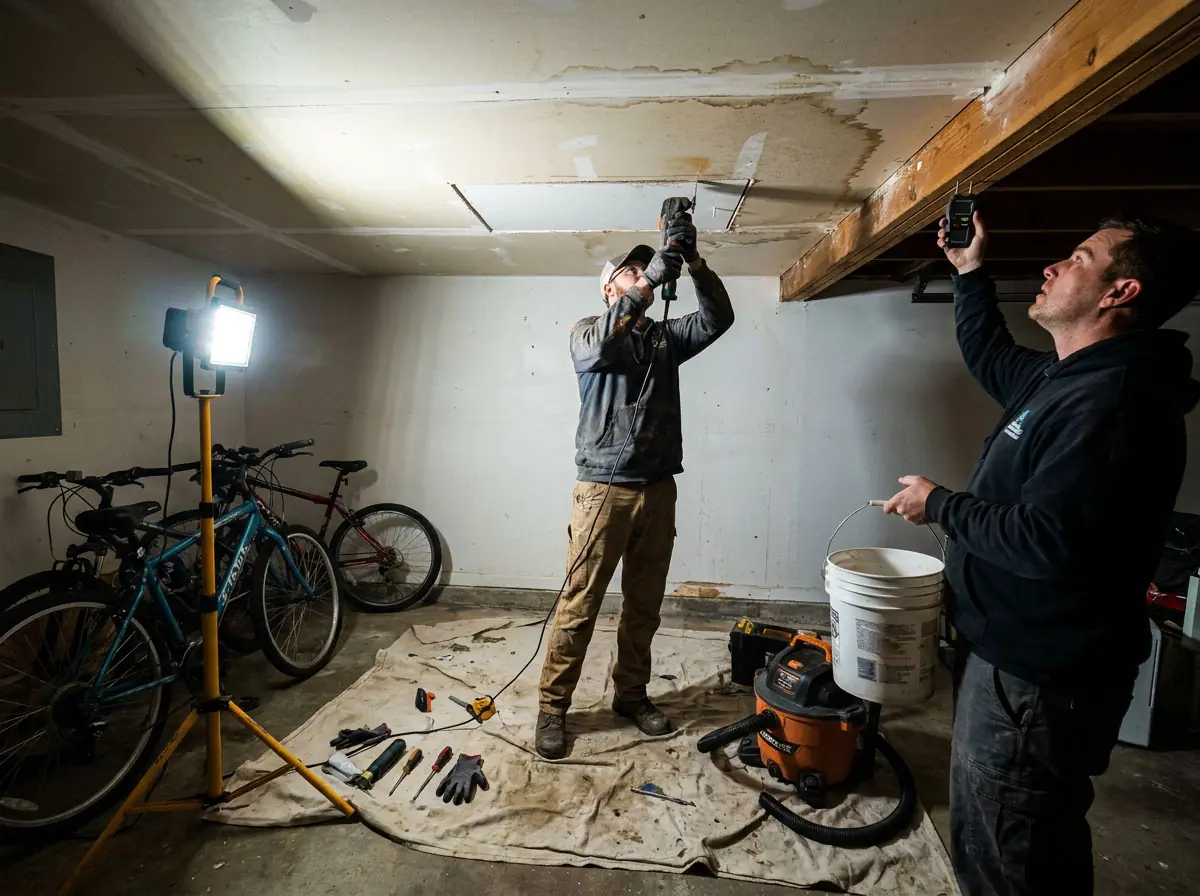
Why Bleach Fails: The Science Behind Mold Root Systems
Here is the cold, hard truth: bleach does not kill mold on porous surfaces. It only bleaches the color out, making the surface look clean while the underlying root structure remains very much alive.
Mold consists of hyphae, which are microscopic, root-like filaments. These threads dig deep into the cellular structure of your Kenosha drywall, wood framing, and porous building materials to feed.
Because bleach is water-based, it cannot penetrate these porous materials effectively. When you spray it, the water part of the solution soaks in and feeds the mold roots while the chlorine stays on the surface.
Think of it like trying to kill a weed by trimming the leaves while leaving the deep, established roots intact. You have just provided the mold with a fresh source of hydration, ensuring it grows back even stronger than before.
The Failed Logic of Surface Cleaning
- Bleach has high surface tension, preventing it from penetrating deep into materials.
- The moisture from the bleach actually triggers increased sporulation in some mold species.
- You are only treating the symptoms, not the entire organism hidden beneath the surface.
Pros use EPA-registered fungicides designed to penetrate porous materials and chemically break down the mold proteins at the root level. Anything less is just cosmetic deception that leaves your home vulnerable to long-term structural decay.
Tactical Inspection: How Pros Locate Hidden Moisture Pathways
Most DIY mold fighters treat the symptom, not the source. You see a black spot on your basement wall in Kenosha and you scrub it, but the mold returns in weeks because you never found the hidden moisture pathway feeding the colony.
Pros don't just look for surface growth; we hunt for the invisible water intrusion. We use thermal imaging cameras to spot cold spots behind drywall that indicate active leaks or condensation issues. If the wall is cool, water is moving inside it.
Here is what we look for when we scout your property:
- Moisture meters that measure the grain moisture equivalent in wood studs.
- Borescope cameras fed into tiny wall holes to check behind insulation.
- Humidity loggers that identify specific spikes during Wisconsin storms.
- Thermal scans to detect building envelope failures.
Stopping a mold infestation is a game of detective work, not just cleaning. If you do not stop the water from wicking into your floor joists or collecting behind the vanity, you are just feeding the beast. Professional inspectors look for the path of least resistance, tracking moisture as it travels through hidden voids, pipe chases, and even the smallest cracks in your foundation.

Critical Remediation Checklist: A Table Comparison of DIY Methods vs. Professional Containment
Most homeowners assume a quick wipe down with a sponge is enough to stop the growth. In reality, you are likely just pushing spores into the air, spreading the colony to your furniture, carpet, and HVAC system. The table below breaks down the stark difference between a weekend warrior approach and a certified industrial response.
| Feature | DIY Approach | Professional Remediation |
|---|---|---|
| Mold Removal | Surface cleaning only | Full root extraction |
| Air Quality | Spore cross-contamination | HEPA air scrubbing |
| Containment | None | Negative air pressure |
| Moisture Control | Temporary drying | Structural moisture mapping |
| Verification | Visual check | Post-remediation testing |
When you tackle mold on your own, you lack the specialized gear needed to maintain a sterile zone. Professionals use negative air pressure chambers to ensure not a single spore escapes the work area. Without this, your living room becomes a factory for mold reproduction the second you start scrubbing.
Furthermore, standard household cleaners often lack the chemical balance to penetrate porous drywall.
Why Professional Gear Wins
- Industrial strength biocides kill the root structure, not just the surface fuzz.
- Professional moisture meters find the leak hiding behind the drywall that caused the mess in the first place.
- Certified crews utilize personal protective equipment, keeping your family safe from the toxic black mold clouds you stir up while working.
Industrial Containment Strategies to Stop Cross-Contamination
Most homeowners treat mold like a simple cleaning job, but that is a rookie mistake. Once you disturb an active colony, millions of microscopic spores become airborne, seeking out new real estate in your HVAC system or adjacent rooms.
Professional containment is about total isolation, not just closing a door. We create negative air pressure environments that turn your room into a vacuum, ensuring that no stray spore escapes into your living space while we work.
The Secrets of Negative Air Pressure
We use high-grade 6-mil polyethylene sheeting to create airtight barriers around the affected area. This is not just plastic wrap; it is a clinical-grade seal that keeps the rest of your Kenosha home pristine.
Here is what we deploy to keep your air safe:
- HEPA-filtered air scrubbers that process the entire volume of room air multiple times per hour.
- Negative air machines that pull air out of the zone and exhaust it safely outdoors.
- Manometer testing to prove the pressure differential is strong enough to keep contaminants trapped inside the work zone.
If you skip these steps, you are simply blowing mold spores across your entire house with every scrub of the brush. Proper containment ensures we trap the hazard, neutralize the root, and walk away leaving you with clean, breathable air.
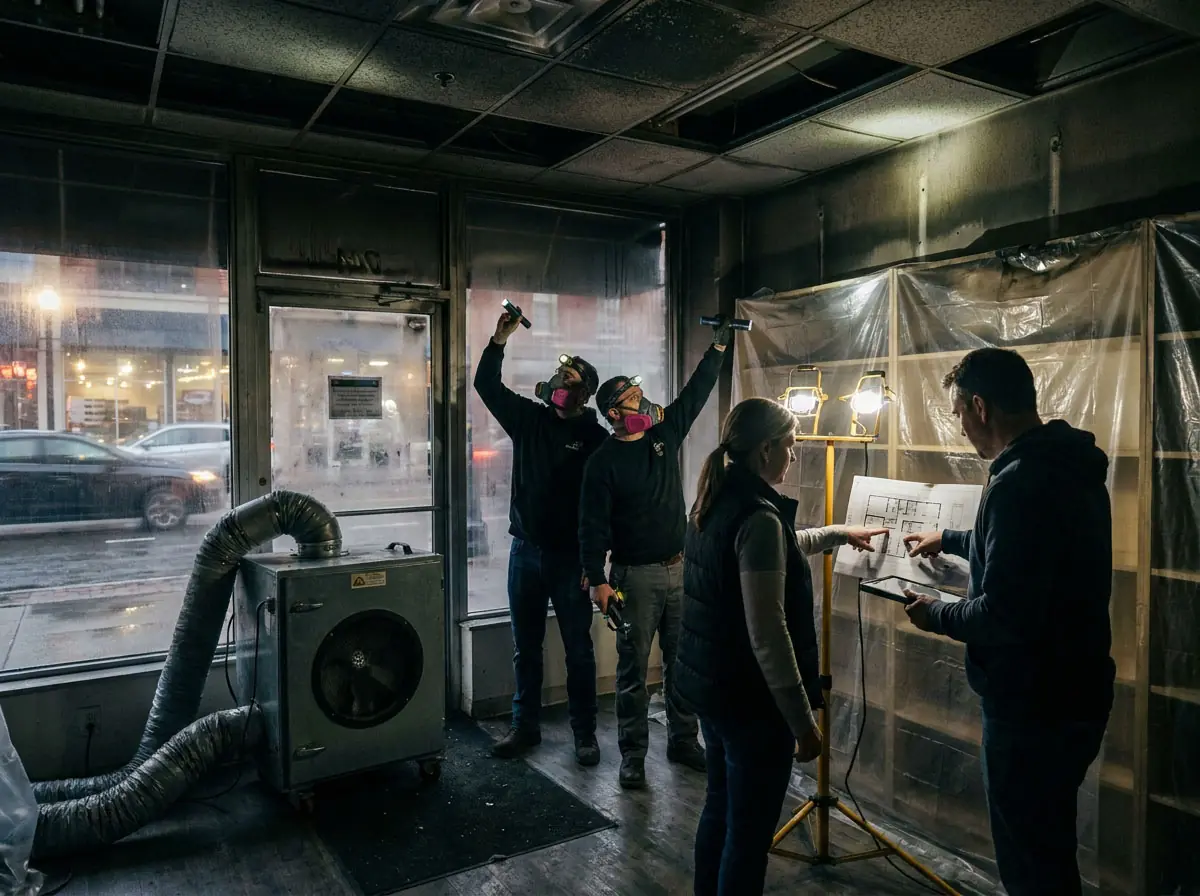
From Kenosha Basement to Health Hazard: A Mold Remediation Case Study
Last winter, a homeowner near Simmons Island contacted us about a persistent, musty odor in their finished basement. They had tried scrubbing the baseboards with vinegar and running a small dehumidifier for months, but the smell returned stronger every time the humidity spiked.
When our team pulled back the drywall, we found the harsh reality of hidden moisture migration. A slow, pinhole leak in a copper pipe had been feeding the mold colony behind the insulation for over a year, creating a biological factory that had moved into the wall cavity and structural joists.
The Forensic Breakdown
The damage was not just surface level; it had compromised the integrity of the wooden framing. Here is why their DIY approach failed to stop the clock on their home equity loss:
- The bleach only bleached the color of the mold; it did not kill the root structure deep within the porous wood.
- The moisture source remained active, meaning the mold simply regrew within 48 hours of every cleaning attempt.
- Cross contamination occurred because they opened the wall without negative air pressure, blowing spores into the HVAC system.
We did not just wipe the surface. We had to remove the affected drywall, treat the studs with industrial antimicrobial agents, and implement a heavy duty drying cycle to pull the deep moisture out of the Wisconsin masonry foundation. By the time we finished, we had turned a potential health hazard back into a clean, dry living space.
Permanent Prevention Strategies for Wisconsin’s Humid Climate
Wisconsin weather is a brutal cycle of wet springs and humid summers that turn Kenosha basements into literal petri dishes. If you rely on store bought dehumidifiers, you are fighting a losing battle against the sheer volume of moisture creeping through your foundation.
To truly stop mold from returning, you must treat your home like a sealed system. Proactive moisture management is the only way to safeguard your property value.
Here is what the smart money does to keep the air dry:
- Install a high capacity, commercial grade sump pump with a reliable battery backup.
- Ensure your gutters extend at least six feet away from your foundation walls to prevent water pooling.
- Seal basement cracks with hydraulic cement to stop hydrostatic pressure from pushing dampness inside.
- Monitor relative humidity levels religiously and aim to keep them consistently below 50 percent.
Your goal is to starve the mold of its food source, which is water. If the material stays bone dry, the spores floating in the air cannot take root or colonize your floor joists.
Consider upgrading your vapor barrier in crawl spaces or unfinished utility rooms. Standard plastic sheeting often creates a condensation trap, while high performance membranes allow the structure to breathe while keeping liquid moisture firmly locked out.
Final Words
If you have been fighting a losing battle against black spots in your Kenosha basement, stop spending money on hardware store supplies that only feed the colony. You need a permanent solution, not another weekend of scrubbing that accomplishes nothing.
Professional Mold Remediation is about more than just cleaning; it is about stopping the biological cycle of rot that is eating your home. When you hire the right team, you pay for the science, the safety, and the peace of mind that the spores are actually gone.
The Reality Check
Before you commit to another DIY project, look at the cold facts regarding your home:
- Surface cleaners cannot penetrate porous drywall or wood studs.
- Spore counts often explode during improper scrubbing, contaminating your HVAC system.
- Moisture is the fuel, and until you locate the source, you are just waiting for a comeback.
Take control of your indoor air quality by choosing a firm that relies on data-driven testing rather than guesswork. Your family deserves a home that is safe, and your investment deserves to be protected from structural decay.
People Also Ask
Is mold remediation covered by homeowners insurance in Kenosha?
Coverage depends entirely on the source of the moisture and your specific policy language. Generally, insurance covers mold caused by sudden, accidental water damage, but it often excludes mold resulting from long term maintenance neglect.Why should I avoid using bleach for mold removal?
Bleach is ineffective on porous surfaces like drywall or wood because it only kills surface mold while leaving the roots intact. This often leads to the mold regrowing quickly since the environmental agency warns that surface treatment does not address the underlying moisture source.How do I know if the mold in my basement is toxic?
While all mold growth in an indoor environment should be addressed, you cannot identify toxic species by color or appearance alone. A professional inspection is required to determine the specific type of mold and the concentration levels present in your home.What are the health risks of living with mold?
Exposure to mold can cause a variety of respiratory issues, including coughing, wheezing, and irritation of the eyes or throat. Individuals with asthma or compromised immune systems are at a much higher risk of experiencing severe allergic reactions when mold spores are present.How long does the professional remediation process take?
The duration of a project depends on the size of the affected area and the extent of the water damage. Most residential remediations take between three and five days to complete, including the critical steps of containment, removal, and air purification.Need Water Damage Restoration Services?
We provide rapid water damage restoration services in Kenosha and the surrounding communities to stabilize your property and prevent further loss. Our team delivers immediate emergency response to extract water and dry your home or business efficiently (53140, 53142, 53143, 53144, 53158).
Request Price Estimate