
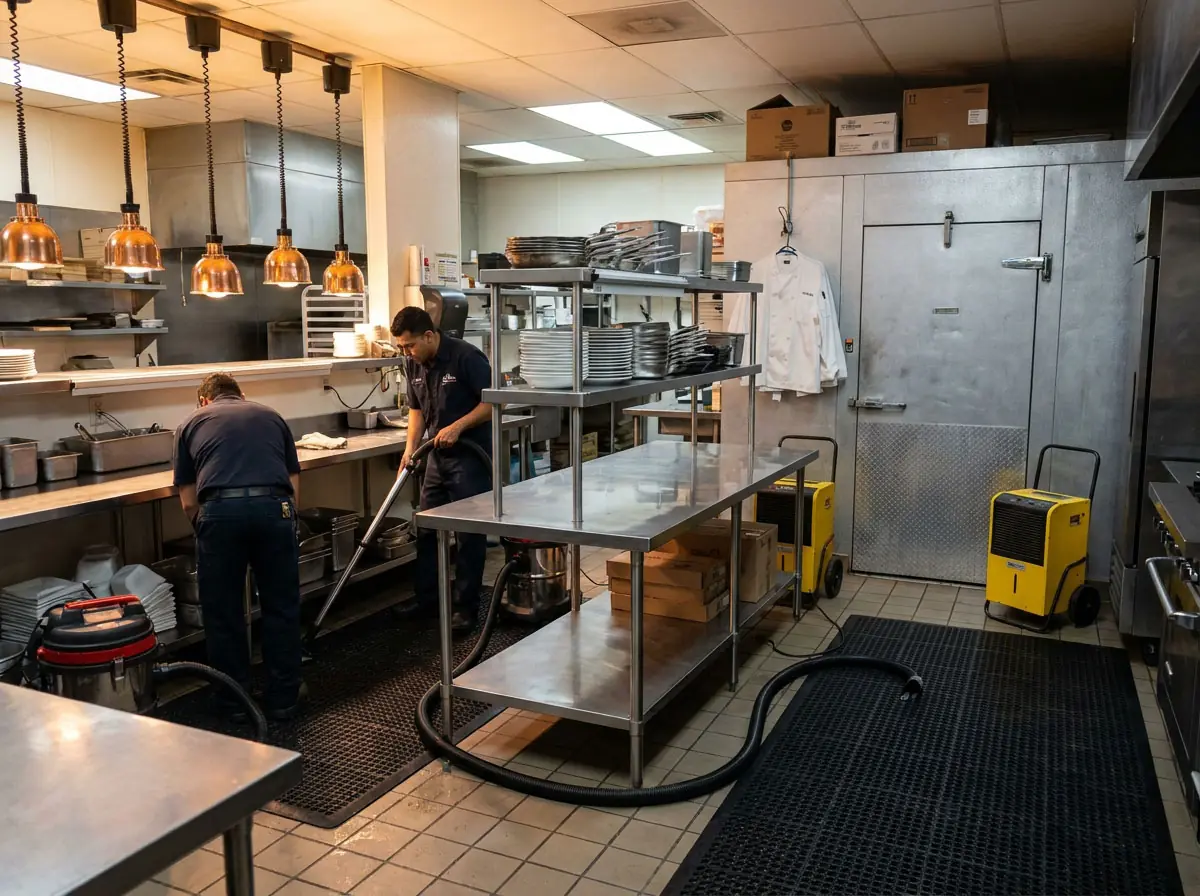


⚡ TL;DR: This guide provides Kansas City homeowners with essential steps for managing sewage backup cleanup, emphasizing professional intervention to ensure your property is safely restored and protected from recurrence.
📋 What You’ll Learn
Dealing with a sewage backup in Kansas City is a stressful ordeal. This guide outlines the essential steps to manage immediate hazards and restore your home safely after a plumbing disaster.
- Identify immediate safety risks to protect your family from contaminated water exposure and hazardous gases before you attempt to assess the extent of the damage in your basement.
- Follow a recovery checklist that organizes your response actions to ensure you document the damage correctly for insurance providers while starting the professional cleanup process without any delays.
- Understand professional remediation strategies used by local experts to sanitize, dry, and restore your property using industrial equipment that prevents long term mold growth and structural decay damage.
- Prevent future plumbing failures by implementing specific infrastructure upgrades designed to handle Kansas City weather patterns and aging sewer lines, keeping your basement dry and your family healthy.
📖 Reading time: 7 min
✍️ Author expertise: Kansas City restoration specialist with decades of field experience handling local sewage emergencies.
You wake up to the unmistakable, gut-wrenching stench of raw sewage seeping into your carpet, and suddenly, your Kansas City home feels like a biohazard zone. It is the kind of nightmare that turns a quiet morning into a race against permanent structural rot and toxic mold growth.
Most homeowners panic and reach for a mop or a bottle of bleach, but that is exactly how you lose control of the situation. In this city, the pros know that how you act in the first sixty minutes determines whether you save your foundation or face a complete gutting of your basement.
Smart locals in the metro area follow a specific playbook to stop the spread of contaminants before the damage becomes irreversible. Here is how you protect your health and your property investment when the pipes fail.
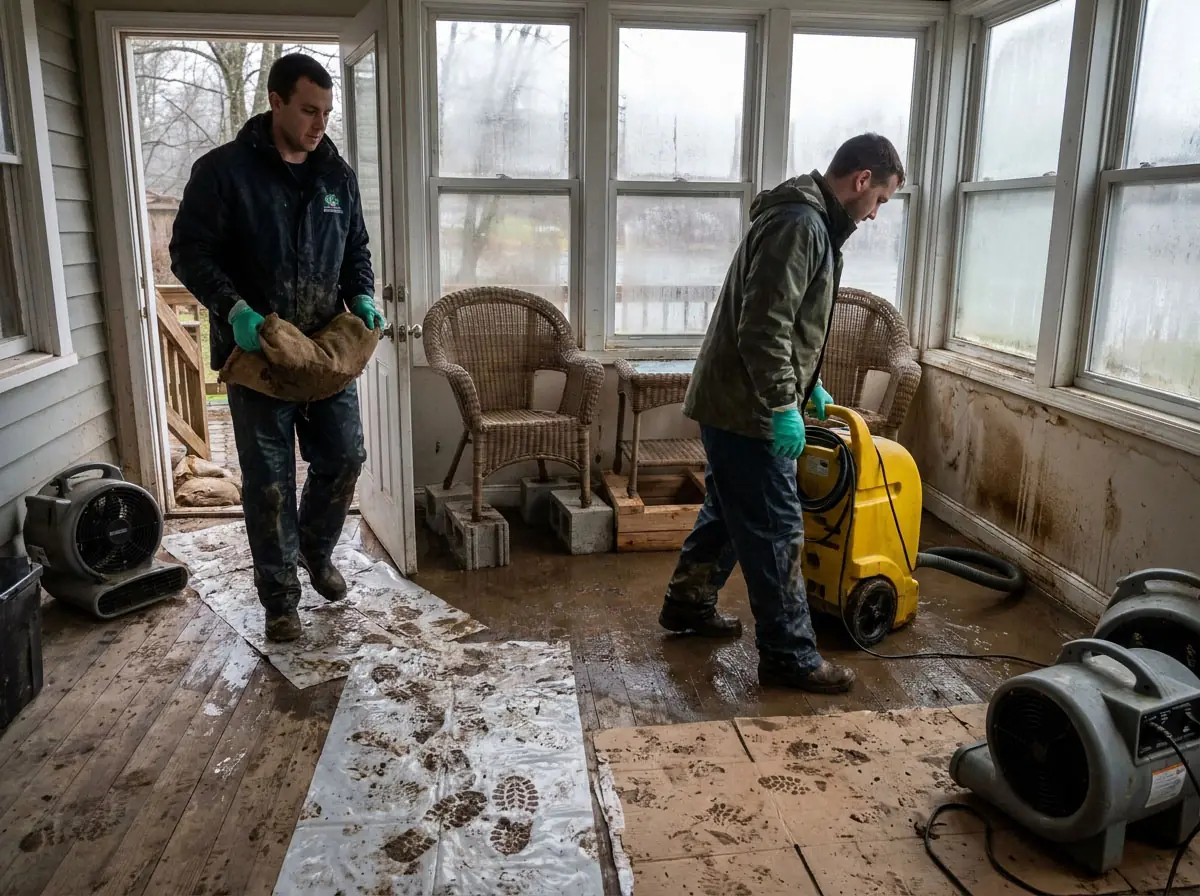
Immediate Safety Protocols: Why Evacuation Beats DIY Cleanup
Your first instinct might be to grab a bucket or a shop vac, but stop right there. Raw sewage is classified as Category 3 water, which means it is loaded with bacteria, viruses, and parasites that can compromise your health in minutes.
Do not treat this like a standard plumbing leak. If you touch contaminated materials without high grade personal protective equipment, you are directly exposing your lungs and skin to pathogens that can cause severe illness.
The smartest move you can make is to secure the area and get your family out. Consider these immediate safety rules:
- Turn off the main electricity. If the sewage has reached your outlets or electrical panels, the room is now a death trap.
- Do not enter the standing water. Slip and fall risks are high, and the structural integrity of your flooring might already be failing.
- Close off the contaminated zone. Use duct tape or plastic sheeting to prevent airborne contaminants from drifting into your HVAC vents and spreading through the entire home.
You cannot mop your way out of a biohazard. Household cleaning supplies are insufficient to kill the biological threats lurking in sewer water. Leave the heroics to the certified professionals who possess the industrial grade sanitizers and moisture extraction tools required to reset your home safely.
The Anatomy of a Kansas City Sewer Backup: Identifying the Source
Before you call in the heavy artillery, you need to know exactly what you are fighting. Kansas City homes often rely on aging municipal lines or private lateral pipes that have succumbed to tree root intrusion or structural collapse. Identifying if the mess is coming from a floor drain, a toilet, or a main line break is the difference between a minor clog and a total property disaster.
Most backups fall into one of two categories: a localized blockage or a city main overload. If only one drain is acting up, the problem is likely isolated to your internal plumbing. However, if multiple fixtures are gurgling or backing up simultaneously, you are looking at a major main line obstruction that requires immediate professional intervention.
Common Indicators of Sewer Failure
- Water backing up in the shower when you flush the toilet.
- Gurgling sounds coming from your sinks or tubs.
- Multiple drains failing to clear at the same time.
- Sewage waste pooling around your basement floor drain.
Do not wait for the water to recede on its own. If you see standing water in your basement that smells like rot, assume it is category three black water. This is hazardous waste, and treating it like a simple water spill is a recipe for serious health complications.

Step-by-Step Response Checklist: A Table of Essential Actions for Homeowners
When sewage water floods your basement, speed is your only ally. Every minute the liquid sits, it pulls deeper into your subfloors and drywall, turning a simple fix into a total loss.
| Timeframe | Action | Reason |
|---|---|---|
| 0 Minutes | Evacuate the area | Avoid pathogens |
| 5 Minutes | Cut the power | Prevent electrocution |
| 15 Minutes | Shut off main water | Stop incoming waste |
| 30 Minutes | Call professionals | Begin containment |
| 60 Minutes | Document damage | Insurance proof |
Do not wait for the water to recede on its own. Raw sewage contains bacteria that can cause serious respiratory infections, skin rashes, and stomach illnesses.
If the flooding is confined to one room, keep that door closed. You must contain the biohazard to keep the rest of your home air quality breathable.
What to avoid right now
- Do not use your toilets or sinks if the backup is widespread.
- Never walk through the standing water without protective boots and gloves.
- Avoid using fans or HVAC systems, as these will spread mold spores throughout your vents.
- Put down the bleach; professional sanitization requires specialized equipment that over-the-counter chemicals cannot match.
Focus strictly on securing the perimeter and contacting your cleanup crew. Professional intervention ensures that the porous materials are either properly salvaged or safely discarded according to local health codes.
Professional Remediation Strategies: Restoring Your Home to Pre-Loss Condition
When you call in the professionals, we do not just wipe down the walls and call it a day. We execute a scientific approach to sanitization that removes pathogens you cannot see but your immune system will certainly notice.
Our team deploys industrial-grade air scrubbers and dehumidifiers to halt the spread of moisture. If we do not dry your basement within those critical first days, the structural wood will harbor mold colonies for years to come.
The Path to Total Restoration
We follow a rigid protocol designed to isolate the contamination and kill the biological threat. It is not about cleaning; it is about decontaminating your living space back to a sterile state.
- Extraction of standing water and saturated debris using high-pressure pumps.
- Application of hospital-grade antimicrobial agents to kill bacteria and viruses.
- Removal of porous materials, such as carpet and drywall, that act as sponges for sewage toxins.
- Thermal fogging to neutralize the lingering odor embedded in your home framing.
Ignoring the hidden moisture behind your baseboards is a gamble you will eventually lose. Professional remediation ensures that we track every drop of water, even those hiding deep inside your drywall cavities or beneath your subfloor.
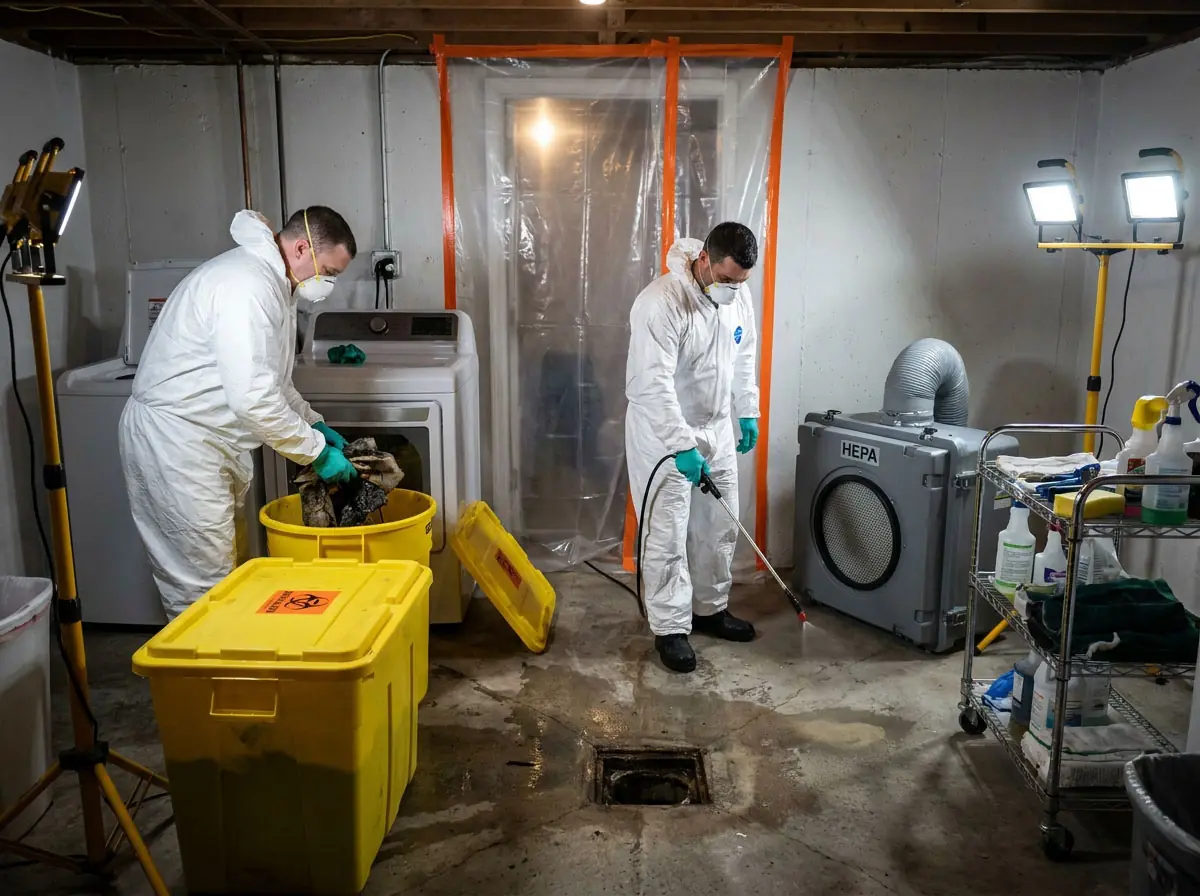
Preventing Recurrence: Strategic Upgrades for Kansas City Plumbing Systems
You have already survived the mess, so let us make sure you never have to deal with it again. Kansas City plumbing systems, especially in older neighborhoods, often struggle under the pressure of heavy regional storms and aging municipal lines. Relying on luck is a losing strategy, so it is time to install physical defenses that stop sewage in its tracks.
The most effective insurance policy you can buy for your home is a professional-grade backwater valve. This device acts like a one-way street for your pipes; it allows waste to flow out of your home but slams shut the moment the city line starts pushing water back in. This is your first line of defense against city sewer surges during heavy rain events.
Beyond the valve, you should evaluate the physical integrity of your sewer lateral line. If tree roots have invaded your pipes, no amount of chemical cleaner will save you next time. Here is what smart homeowners are doing to harden their infrastructure:
- Installing an automatic flood sensor that triggers an alert on your phone the second moisture touches the floor.
- Scheduling a professional camera inspection every two years to catch root growth before it creates a total blockage.
- Replacing old clay or orangeburg pipes with modern, smooth-walled PVC to prevent debris from snagging.
- Ensuring your downspouts are diverted far away from your foundation to reduce the load on your property drainage.
Do not wait for another storm to expose the weak points in your basement. Taking these steps today turns a high-risk area into a secure zone, giving you real peace of mind whenever the sky turns dark over the Missouri River.
Overcoming Catastrophe: A Case Study of Basement Recovery in Overland Park
Consider the recent situation of a family in Overland Park who woke up to a finished basement submerged in three inches of sewer water. They did not waste time with shop vacs or store-bought chemicals; instead, they shut off the main water supply and called in industrial extraction units immediately.
By treating the space like an active crime scene, they stopped the bacteria from soaking into the drywall and foundation. Because they moved fast, our team was able to salvage the structural studs while removing only the contaminated flooring and lower baseboards.
This success story highlights how a disciplined response changes the outcome of a home disaster. Here are the core factors that separated this recovery from a total gut job:
- Immediate power disconnection to prevent electrical shorts and shock hazards.
- Professional moisture mapping to identify hidden pockets of sewage behind partition walls.
- High-grade antimicrobial application that neutralized the biological threat before it turned into mold.
- Strategic dehumidification cycles that prevented the humidity from ruining the upper level of the home.
The family saved thousands of dollars by opting for rapid professional extraction rather than trying to dry the space with residential fans. They understood that sewage is not just water; it is a biohazard that carries serious health risks. By focusing on rapid containment, they preserved the structural integrity of their investment and got back to their normal routine in days, not months.
Final Words
When raw waste invades your living space, time is your greatest enemy. You are not just dealing with water; you are battling pathogens that can compromise your family’s health for months.
Do not wait for the stench to dissipate on its own. If you find yourself in this position, consult our professional Sewage Backup Cleanup specialists immediately to secure your property.
Your Immediate Checklist
- Shut off your main water valve to stop the flow.
- Keep all family members and pets away from the affected area.
- Contact a certified restoration team before touching contaminated surfaces.
Taking action now saves you from the financial carnage of total reconstruction later. Your home is likely your biggest asset, and we are here to make sure it stays that way.
People Also Ask
Is sewage backup in my home considered a health emergency?
Yes, sewage contains dangerous bacteria, viruses, and parasites that pose a severe risk to your health. You should evacuate the affected area immediately and avoid all contact with contaminated water or surfaces.Does homeowners insurance cover sewage backup in Kansas City?
Coverage for sewage damage depends entirely on your specific policy, as standard plans often exclude water backups unless you have added a specific rider. Review your policy documents or contact your agent to determine if your current public health protection includes this type of damage.Why should I hire a professional for sewage cleanup instead of doing it myself?
Professional restoration teams use specialized equipment and industrial grade disinfectants to ensure the area is safely decontaminated. Attempting to clean sewage yourself often results in incomplete sanitization and long term mold growth issues.What are the common causes of sewer backups in local homes?
Frequent causes include tree root infiltration, clogged municipal main lines, or structural collapses in aging lateral pipes. Heavy rainfall in the Kansas City area can also overwhelm local systems, causing waste to back up into residential properties.How long does the sewage restoration process typically take?
The timeline varies based on the extent of the flooding and the materials affected, but most professional jobs take several days to complete. This includes the initial extraction, structural drying, and a final deep sanitization process to make the home habitable again.Need Water Damage Restoration Services?
We provide rapid water damage restoration to stabilize your property and prevent further structural issues throughout Kansas City and surrounding communities (66101, 66102, 66103, 66104, 66106). Our team arrives quickly to extract water and restore your home or business to its pre-loss condition.
Request Price Estimate