


⚡ TL;DR: To prevent costly sewage backup cleanup in Jersey City, homeowners should implement proactive maintenance practices, install protective valves, and adopt smarter habits to safeguard their aging plumbing infrastructure.
📋 What You’ll Learn
Discover how to protect your Jersey City property from costly sewage backups. We provide actionable strategies to maintain your plumbing infrastructure and handle emergency cleanup situations with precision and professional care.
- Schedule professional inspections regularly to identify structural weaknesses in your pipes before they cause major failures that lead to hazardous and expensive wastewater leaks throughout your home basement.
- Modify your daily household habits by keeping grease, wipes, and debris out of the drain system to ensure your main sewer line remains clear and functional all year round.
- Install essential backwater valves to prevent sewage from surging backward into your living space during heavy Jersey City storms or city sewer system overloads that threaten local basement areas.
- Recognize urgent warning signs early by understanding exactly which sounds, odors, and drainage patterns indicate that your pipes are currently at risk of suffering a catastrophic sewage backup event.
📖 Reading time: 7 min
✍️ Author expertise: Local water damage specialist in Jersey City with decades of field remediation experience.
There is nothing quite like the stomach-churning sound of a gurgling drain followed by the unmistakable stench of raw sewage filling your Jersey City basement. One minute your home is your sanctuary, and the next, you are staring at a toxic disaster that ruins your floors, destroys your valuables, and threatens your family's health.
Most homeowners think they are safe until the moment disaster strikes. You might assume your pipes are fine, but in a city with aging infrastructure, it only takes one heavy storm or a single careless mistake to turn your property into a contaminated hazard zone.
You do not have to wait for the inevitable mess to ruin your week or your bank account. Here are seven practical steps you can take right now to fortify your home and prevent a sewage nightmare before it starts.

Schedule Professional Sewer Line Inspections to Detect Hidden Vulnerabilities
Most Jersey City homeowners ignore their pipes until water starts backing up into the shower. By then, it is already too late and the repair bill is astronomical. You need to treat your sewer line like the foundation of your home because that is exactly what it is.
Hiring a licensed professional to perform a camera inspection is the smartest move you can make. They feed a high-resolution waterproof camera deep into your lateral line to see exactly what is happening under your foundation.
This simple process reveals critical issues that you would never see from the surface. Here is what a professional inspection identifies before they become a disaster:
- Root intrusion from thirsty trees searching for moisture.
- Cracks or collapses caused by the shifting soil common throughout Jersey City.
- The buildup of grease, scale, and calcified waste that restricts flow.
- Bellies in the pipe where low spots cause debris to settle and trap sewage.
If you live in an older neighborhood near the waterfront or the Heights, your pipes likely consist of aging clay or cast iron. These materials are highly susceptible to fracturing over time. Regular inspections allow you to address minor cracks before they become massive ruptures that leak raw waste into your crawlspace or basement.
Do not wait for a foul odor to tip you off. Being proactive saves you thousands of dollars in cleanup costs and keeps your family safe from hazardous pathogens.
Eliminate Common Household Habits That Lead to Clogged Main Lines
The vast majority of sewage backups in Jersey City are not caused by grand structural failures, but by the cumulative negligence of what goes down the drain. If you treat your toilet like a trash can or your kitchen sink like a garbage disposal, you are practically begging for a sewer catastrophe.
Most residents assume that if it disappears after a flush, it is gone for good. That is a dangerous myth that will eventually lead to a costly pipe blockage right beneath your foundation.
The Dirty List of Pipe Killers
Stop flushing or pouring these items down your drains immediately:
- Cooking grease and bacon fat: These liquids cool and harden into rock-solid obstructions that snag other debris.
- Flushable wipes: Despite the marketing labels, these do not break down in water and are the number one cause of modern main line clogs.
- Coffee grounds and eggshells: They create a gritty slurry that settles in the low spots of your pipes.
- Feminine hygiene products: These are designed to absorb moisture and expand, making them perfect candidates for trapping sewage in your pipes.
Treating your plumbing system with genuine respect is the cheapest insurance policy you can buy. When you keep these materials out of your pipes, you keep the flow consistent and prevent the pressurized backups that force raw waste back into your home.
Install Backwater Prevention Valves to Safeguard Your Basement
In a city like Jersey City, where heavy rainfall often overwhelms the municipal sewer system, a backwater prevention valve acts as your home’s last line of defense. Think of it as a one-way gate for your plumbing; it allows wastewater to flow out of your house, but it slams shut if the city main starts pushing sewage back toward your property.
Without this valve, your basement becomes the path of least resistance whenever the city lines reach capacity. Installing one is a small, proactive investment that prevents thousands of dollars in water damage.
Why You Need a Backwater Valve
- It physically blocks municipal sewage from entering your home during major floods.
- It saves you from the massive costs of emergency professional sewage cleanup.
- It protects the health of your family by preventing exposure to toxic, contaminated waste.
- Many insurance companies offer discounts for homes equipped with this protective device.
Keep in mind that these valves require regular maintenance to remain effective. If debris gets stuck in the flap, the valve might not seal properly when you need it most. We recommend having a certified plumber inspect the mechanism annually to clear away any sediment or objects that might obstruct the gate.
A Comparative Table of Warning Signs: Recognizing When Your Pipes Are at Risk
Your plumbing system usually talks to you long before it completely fails. If you know how to read these subtle cues, you can stop a toxic mess in its tracks before it ever touches your floorboards.
| Indicator | Early Warning Sign | Emergency Level |
|---|---|---|
| Drain Sound | Occasional gurgling | Consistent bubbling |
| Water Speed | Slow draining | Water backing up |
| Odors | Faint mildew smell | Raw sewage stench |
| Outdoor Area | Lush, green grass patches | Standing sewage water |
Notice that gurgling sound in your shower when the toilet flushes? That is a classic sign of restricted airflow caused by a developing blockage in your main line.
Don't ignore the slow drain in your basement sink, either. When multiple fixtures struggle to empty simultaneously, it almost always points to a significant clog deep within your municipal connection.
When to Call for Backup
Keep a sharp eye out for these specific triggers that demand an immediate professional inspection:
- Wet, spongy patches appearing on your lawn during dry weather.
- The sudden appearance of mysterious pests or rodents near sewer cleanout areas.
- Waste water surfacing in basement floor drains or laundry room tubs.
If you see these red flags, stop pouring chemical cleaners down the drain immediately. These caustic liquids can corrode older pipes and rarely fix the deep-seated blockages common in Jersey City's aged infrastructure.

Real-World Restoration: How We Remediated a Severe Basement Sewage Breach in Jersey City
Last month, we received a frantic call from a homeowner in a historic brownstone near Downtown Jersey City. A heavy rainstorm had caused the municipal sewer system to surcharge, pushing raw waste directly up through their basement floor drain and covering the entire lower level in inches of toxic sludge.
The situation was critical. We arrived on site within the hour to find the family trying to salvage heirlooms, not realizing they were exposing themselves to dangerous pathogens and bacteria. Our team immediately went to work, treating the property like a hazmat zone to prevent cross-contamination.
Here is how our crew executed the remediation process:
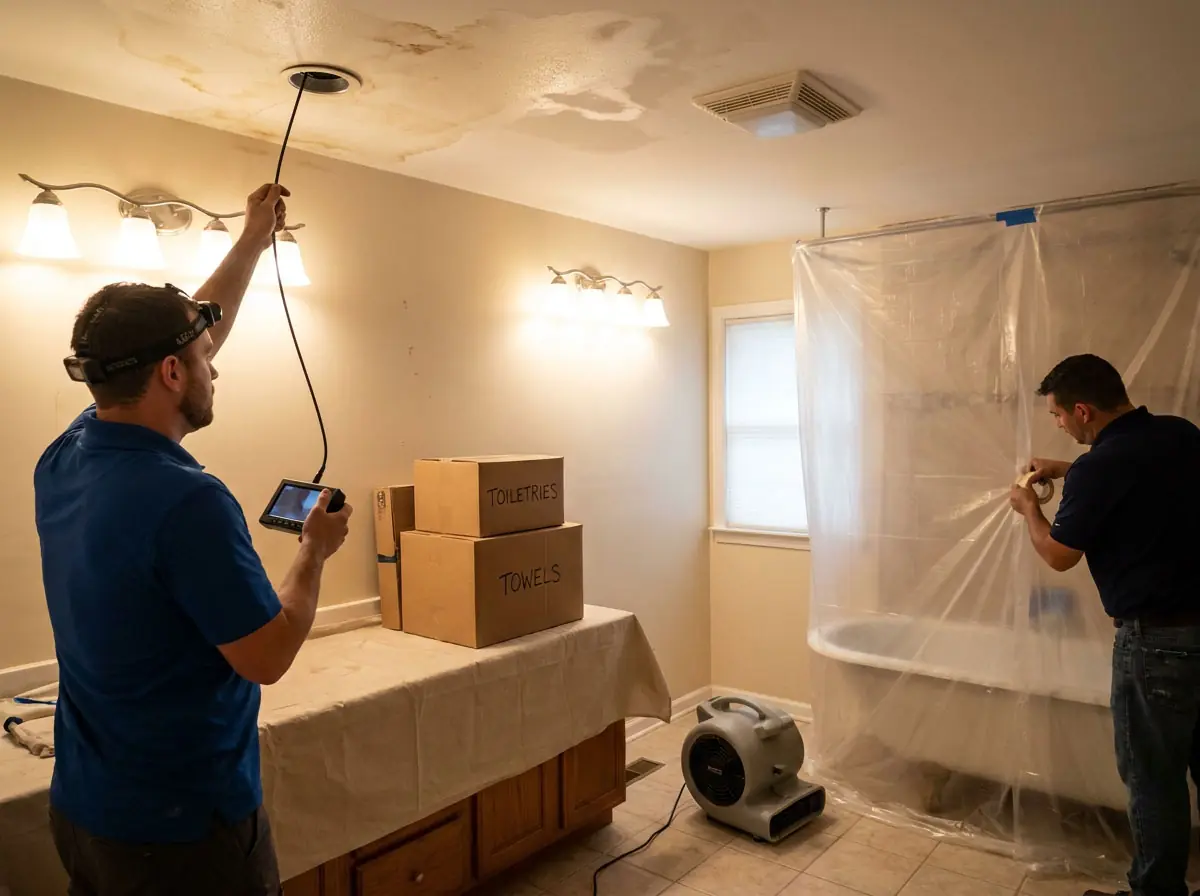
- Containment: We sealed off the basement stairs with heavy-duty plastic sheeting to prevent airborne spores from migrating to the living quarters.
- Extraction: Specialized pumps removed the standing water and waste, which we disposed of according to strict local environmental codes.
- Sanitization: We applied medical-grade disinfectants to every porous and non-porous surface to kill harmful microbial growth.
- Dehumidification: Industrial-strength air movers and dehumidifiers ran for four days to draw out deep-seated moisture and prevent future mold blooms.
The aftermath of a sewage breach is never just about cleaning up the mess; it is about restoring the structural integrity of the home. We had to remove ruined drywall and saturated insulation, as these materials act like sponges for toxins. By the time we finished, the space was not just clean, it was safer than it had been before the disaster occurred.
Essential Maintenance Practices for Aging Jersey City Infrastructure
Jersey City is beautiful, but its aging sewer systems are under constant pressure from historic density and shifting soil. Many older neighborhoods still rely on terracotta pipes that are highly susceptible to root intrusion and gradual collapse.
If your home was built before the 1970s, you are likely living on a ticking time bomb of pipe decay. Proactive monitoring is not a luxury; it is a necessity to protect your basement investment.
Recommended Maintenance Schedule
- Inspect basement cleanout access points every six months for dampness or odors.
- Schedule a professional video pipe inspection every two years to identify interior cracks.
- Clear exterior storm drains of leaves and debris before heavy rain hits the region.
- Avoid planting deep root trees like Willows or Maples near your main sewer lateral.
You should also keep a close eye on how your toilets and sinks drain during high-volume periods, such as after heavy rain. If you notice slow drainage, do not wait for a complete blockage to call for help.
Getting a scope of your line while it is still flowing is cheap insurance compared to the cost of a full excavation. Remember, once a pipe fails, you are no longer paying for maintenance; you are paying for an emergency repair that will cost thousands more than a simple cleaning.
Final Words on Proactive Home Protection
Waiting for a sewage backup to occur is a recipe for financial ruin and health hazards. You are the first line of defense for your property, and simple awareness is your most powerful weapon against disaster.
If you suspect your pipes are already struggling or you live in an older Jersey City neighborhood, do not procrastinate. Neglect is the primary reason homeowners end up needing emergency Sewage Backup Cleanup services.
Three Golden Rules for Maintenance
- Inspect your basement floor drains every month for signs of slow drainage.
- Never treat your toilet like a trash can; keep a waste bin nearby instead.
- Schedule a professional camera inspection once every two years to spot root intrusion before it causes a break.
Consistency matters more than perfection here. Taking ten minutes once a month to clear debris or check your backwater valves can save you thousands of dollars in cleanup costs down the road.
Keep your contact list updated with a trusted local restoration expert. Having a plan in place provides peace of mind, knowing that if the unthinkable happens, you have a team ready to act immediately.
People Also Ask
What are the primary causes of sewage backups in Jersey City homes?
Most backups in urban areas result from aging infrastructure, tree root intrusion into sewer lines, or the improper disposal of grease and wet wipes. When these blockages occur, wastewater has nowhere to go but back into your plumbing fixtures.Does homeowners insurance cover sewage backup damage?
Standard policies often exclude water damage caused by sewer backups unless you have added specific coverage or a separate rider. It is important to review your policy details carefully, as the [https://www.fema.gov target='_blank' rel='noopener'>FEMA] guidelines suggest evaluating your individual property risk for flood and sewer incidents.How often should I have my sewer line inspected?
Homeowners in older neighborhoods should schedule a professional video inspection every two to three years. Regular maintenance helps identify potential cracks or blockages before they escalate into a major basement flooding event.What should I do immediately if I notice a sewage smell in my basement?
Evacuate the area immediately to avoid inhaling harmful bacteria and toxic gases. Turn off your main water supply if possible, and contact a professional restoration service to begin safe containment and cleanup.Are backwater valves worth the investment?
Installing a backwater prevention valve is highly recommended for homes with basements or those located at lower elevations. This device allows sewage to flow out while preventing waste from backing up into your home during a municipal line surge.Need Water Damage Restoration Services?
We provide rapid water damage restoration and structural drying services to restore your property in Jersey City and surrounding communities. Our team arrives quickly to mitigate damage and secure your home or business (07302, 07304, 07306, 07310).
Request Custom Quote