


⚡ TL;DR: To properly handle drywall water damage repair in Irvine, you must address hidden moisture issues completely instead of sealing them, which prevents long term structural decay and mold.
📋 What You’ll Learn
Discover the essential steps for addressing moisture issues in your home by learning why DIY fixes often fail and how to properly identify the scope of water damage in Irvine properties.
- Identify hidden moisture threats that lurk behind your walls and learn why simple surface drying is a dangerous mistake that leads to long term structural rot and mold growth.
- Avoid the sealing trap by understanding why applying paint or sealant over damp drywall locks in moisture and creates a breeding ground for toxic black mold behind your walls.
- Categorize your specific water intrusion to determine whether your drywall requires professional drying services or if the damage is severe enough to warrant a full replacement of the materials.
- Evaluate damage with professional precision using our comprehensive assessment checklist designed to help Irvine homeowners decide when a DIY approach is insufficient and expert remediation is truly necessary.
📖 Reading time: 7 min
✍️ Author expertise: Certified restoration specialist with fifteen years of experience mitigating water damage across Irvine homes.
You wake up to a strange, soft spot on your living room wall and suddenly your stomach drops. Most homeowners in Irvine make a frantic grab for a bucket or a fan, hoping the moisture simply vanishes before the paint begins to bubble.
That knee-jerk reaction is exactly how a simple leak turns into a multi-thousand dollar nightmare for your home. You are likely making a mistake right now that guarantees mold growth and structural decay behind your drywall.
I have seen countless properties across Orange County ruined by these well-meaning but catastrophic DIY blunders. Before you reach for that sandpaper or try to paint over the damage, here is the one thing you must stop doing immediately to protect your property value.
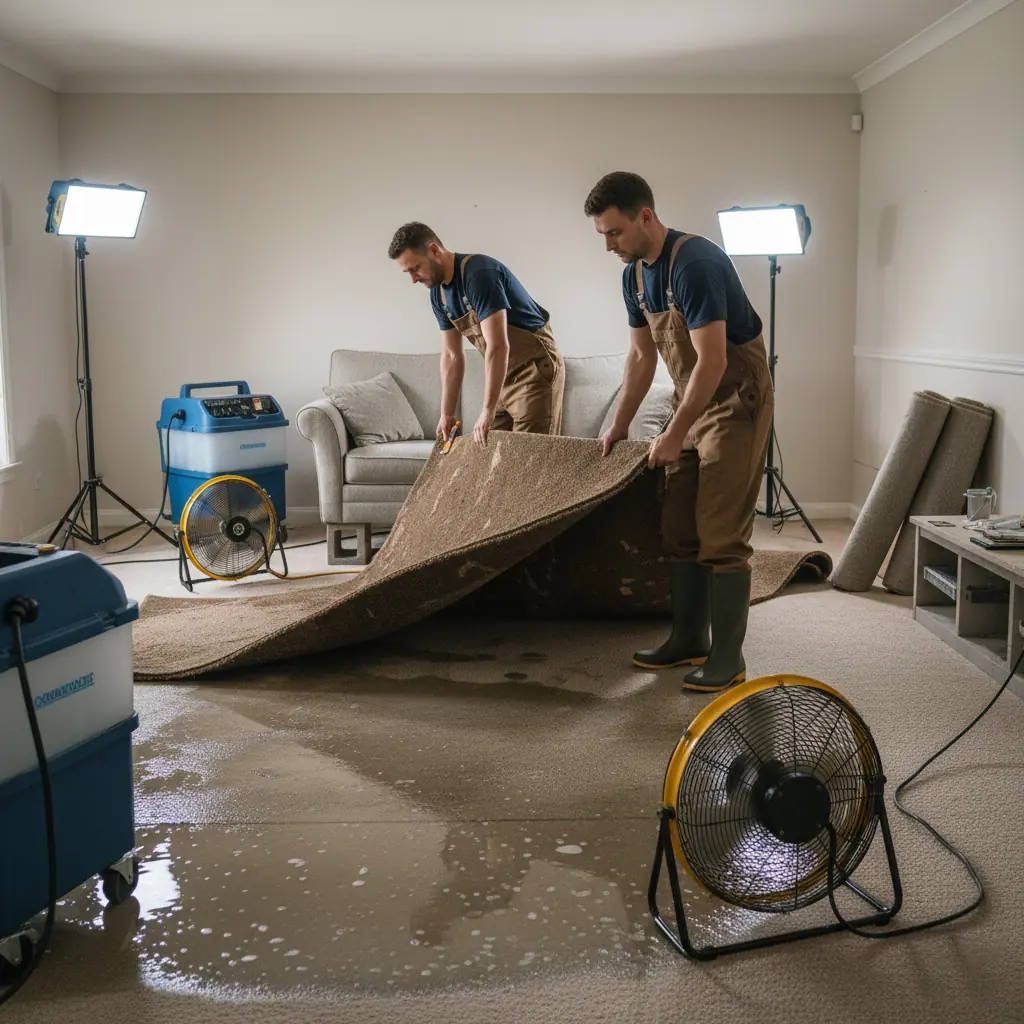
The Hidden Danger: Why Surface-Level Drying is a Ticking Time Bomb
You might think a hairdryer or a box fan directed at a damp patch will save the day. In reality, you are only treating the symptoms while the disease spreads unchecked inside your walls.
Drywall is essentially a sponge wrapped in paper. Once water enters, it does not stay put; it migrates through the gypsum core, settling into the hidden cavities of your Irvine home.
If you leave moisture trapped behind a wall, you are creating the perfect breeding ground for toxic mold. By the time you notice the smell or a discoloration on the surface, the fungal colonies are already thriving in the dark, damp recesses you cannot see.
The Consequences of Ignoring Internal Moisture
When you ignore the hidden saturation, you invite long-term damage that goes beyond simple wall repairs. Here is what happens when you treat only the surface:
- The backing paper of the drywall degrades, leading to structural softening.
- Wood studs behind the wall begin to warp and rot, compromising the integrity of your home.
- Mold spores circulate through your HVAC system, triggering health issues for your family.
- Insulation becomes matted and useless, forcing your air conditioning to work twice as hard.
Treating this like a simple wet spot is a fatal oversight. Professional moisture detection equipment often reveals that the water has traveled several feet from the source of the leak.
Do not be fooled by a dry surface. Your home is a system, and water inside the wall acts like a silent invader that feeds on your property value every single hour it remains untreated.
The Critical Error: Why You Should Never Seal Wet Drywall
The most common and destructive mistake I see in Irvine homes is the urge to "fix" a water spot by patching, painting, or using a dehumidifier to hide the visual damage while the inside stays wet. Think of drywall like a giant sponge; it absorbs moisture deep into its gypsum core and traps it behind layers of paint and paper. When you seal that surface before the internal structure is completely bone dry, you are essentially building a greenhouse for toxic mold colonies.
By closing off the surface, you cut off the airflow that would have otherwise allowed the moisture to escape. Without ventilation, the trapped water has nowhere to go but into your wooden studs and baseboards. This creates a hidden, moist environment where mold thrives within 24 to 48 hours. You might think you saved money by skipping a professional inspection, but you are actually setting yourself up for an expensive total wall replacement later on.
What Actually Happens Behind Your Paint
- The gypsum core loses its structural integrity and begins to crumble.
- Mold spores feed on the wet paper backing of the drywall.
- Moisture wicks into neighboring studs, leading to dry rot.
- The interior smell begins to turn musty, often before you see any new mold growth.
Stopping the water flow is only step one; removing the moisture is the real job. Never paint or seal an area until a moisture meter confirms the reading is within the safe range for our local Irvine climate. If you try to cover up the problem, you are choosing a temporary mask over a permanent solution. Save your money and your health by leaving the area open until you are certain the threat is gone.

Categorizing Your Irvine Property’s Water Intrusion Levels
Not all water damage is created equal. Understanding the severity of your situation is the difference between a simple dehumidification job and a massive, expensive reconstruction project.
| Category | Water Source | Health Risk |
|---|---|---|
| Category 1 | Clean pipe bursts, supply lines | Low if dried immediately |
| Category 2 | Dishwasher leaks, sump pump failure | Contains microorganisms |
| Category 3 | Sewage backups, flood water | Highly toxic, pathogenic |
| Category 4 | Long term chronic moisture | Mold colonization likely |
Category 1 water sounds harmless, but it quickly shifts into dangerous territory if it sits for more than 48 hours. Once water touches drywall, it acts like a sponge, drawing contaminants from your baseboards and flooring into the paper backing.
If you suspect your leak involves sewage or gray water from a kitchen appliance, stop what you are doing. You cannot clean this yourself with store bought supplies because the pathogens thrive inside the wall cavity where you cannot see them. Professional moisture sensors are the only way to map exactly where the water has traveled behind your Irvine home's structural framing.
Recognizing the Warning Signs
Keep a close eye on these specific indicators to identify if your drywall is compromised beyond surface level:
- Discoloration or yellow staining spreading outward.
- Soft spots that feel spongy under light thumb pressure.
- A musty, damp odor that lingers even after you open the windows.
- Bubbling paint or wallpaper that peels away from the corner.
Damage Assessment Checklist: A Comprehensive Table for Homeowners
Before you commit to a repair strategy, you need to know exactly what you are dealing with. A quick glance at the surface is never enough; you must evaluate the extent of moisture migration to prevent hidden microbial growth from taking hold of your Irvine home.
| Observation | Severity Level | Recommended Action |
|---|---|---|
| Slight paint bubbling or damp touch | Low | Remove source, monitor humidity |
| Soft, spongy, or crumbling drywall | Moderate | Professional extraction required |
| Visible mold colonies or dark spots | High | Containment and material removal |
| Warped baseboards or floor separation | Critical | Structural inspection needed |
Use this assessment as your first line of defense against total wall failure. If your wall feels soft to the touch, the damage has already moved past the paint and into the paper and gypsum core.
Watch for these telltale signs that indicate you have moved from a surface issue to a deep structural concern:
- Musty, damp odors lingering after the area appears dry.
- Nails or screws popping through the drywall tape.
- Discoloration spreading beyond the original leak site.
- Visible warping or bowing of the wall surface.
When you see these markers, stop the DIY cleanup immediately. Trapped moisture is a persistent enemy that will rot your wooden studs if you do not address the void space behind the board.

Professional Intervention: A Case Study of Moisture Remediation in Quail Hill
I recently stepped into a beautiful home in Quail Hill where the owner thought they had handled a kitchen leak perfectly. They spent an entire weekend with box fans and a dehumidifier, convinced the wall felt bone-dry to the touch.
When our team pulled the baseboards back, we found a disturbing reality hidden from the naked eye. The bottom six inches of the studs were saturated, and a colony of mold had already claimed the insulation behind the drywall.
What We Uncovered Behind the Scenes
- Standing water trapped behind the vapor barrier.
- Wood rot beginning to soften the structural framing.
- Hidden mold spores circulating through the HVAC vents.
This situation demonstrates why surface-level drying is a dangerous illusion. If we had arrived even three days later, the cost to repair the structural damage would have easily tripled.
Instead of guessing, we used professional moisture mapping to identify exactly where the water traveled. We performed a controlled tear-out, treated the studs with antimicrobial agents, and dried the internal cavity to industrial standards before closing the wall back up.
It was not a quick fix, but it saved the homeowner from a massive insurance headache down the road. You cannot negotiate with moisture, and you certainly cannot dry a wall from the outside in.
Choosing Between Structural Restoration and Total Material Replacement
When moisture hits your walls, you face a fork in the road. You can either treat the existing structure or rip it out to start fresh.
Deciding between these paths depends on the severity of saturation and the duration of the exposure. If the water was clean and you caught it within 24 hours, restoration might be an option.
However, if the water sat for days or originated from a sewage source, you have no choice but to replace. Mold spores don't care about your budget; they thrive in porous materials like paper-faced drywall.
Key Factors for Your Decision
- Material Porosity: Drywall acts like a sponge. Once it loses its physical integrity, it loses its mold resistance.
- Contamination Level: Category 3 water, such as backed-up toilets, demands total removal of any porous material.
- Hidden Cavities: If moisture reached your wall studs, just replacing the drywall leaves the real problem rotting behind the scenes.
Restoration usually involves professional-grade dehumidification and industrial air movers to force moisture out of the studs without demolition. This is only viable if the drywall backing remains firm and hasn't started to crumble or show visual fungal growth.
Replacement is the only way to ensure your home stays healthy long-term. Attempting to save a soggy wall is a high-stakes gamble that often leads to expensive mold remediation six months down the road. When in doubt, prioritize the air quality of your home over saving a few sheets of gypsum board.
Final Words
Drywall damage is not just an eyesore; it is a signal that your home's integrity is under attack. If you attempt a quick fix, you are essentially burying a ticking time bomb inside your walls.
The smartest move you can make is to prioritize professional assessment over cheap, temporary solutions. You need to understand the true scope of the moisture before you even think about picking up a putty knife.
If you are serious about keeping your home safe, take these steps to ensure you handle your Drywall Water Damage Repair the right way:
- Stop the water source immediately; shut off the main valve if necessary.
- Document the damage with high-resolution photos for your insurance adjuster.
- Avoid painting over damp spots, as this traps moisture and accelerates rot.
- Call a specialist to measure the saturation levels behind the surface.
Do not let a minor leak become a structural failure that drains your bank account. Your Irvine property is a massive investment, and it deserves more than a DIY band-aid.
Stay vigilant, watch for signs of swelling or musty odors, and get expert eyes on the situation early. A proactive approach today saves you from an expensive nightmare tomorrow.
People Also Ask
Is it safe to repair water damaged drywall myself?
Repairing drywall after water damage is risky if you do not address the moisture trapped behind the wall. Improper repairs often lead to trapped humidity, which creates a breeding ground for harmful mold.How do I know if my Irvine home has hidden drywall damage?
Look for signs like peeling paint, bubbling wallpaper, or a musty odor coming from your walls. You can verify the extent of the damage using a moisture meter to detect hidden dampness within the wall cavity.Can wet drywall be dried out or must it be replaced?
Whether drywall can be dried depends on the water source and how long it has been wet. According to EPA guidelines, porous materials like drywall that remain wet for more than 48 hours usually require complete replacement to prevent microbial growth.How long does it take for mold to grow on wet drywall in Irvine?
Mold can begin to colonize on wet drywall surfaces in as little as 24 to 48 hours. Because Irvine has a coastal climate, humidity levels can accelerate this process if the affected area is not professionally dried immediately.What is the biggest mistake homeowners make after a pipe burst?
The most significant error is attempting to paint or patch over water spots before the structure is completely dry. This seals moisture inside the wall, which almost guarantees severe internal decay and structural damage.Need Water Damage Restoration Services?
We provide rapid water damage restoration and structural drying services to restore your property quickly in Irvine and surrounding areas (92602, 92606, 92612, 92618, 92620). Our team arrives promptly to mitigate water damage and return your home or business to its pre-loss condition.
Request Professional Quote