


⚡ TL;DR: To effectively address mold remediation in Inglewood, local homeowners should avoid ineffective DIY bleach treatments and instead prioritize professional moisture management to ensure long-term property health and safety.
📋 What You’ll Learn
Mold growth in Inglewood requires more than a quick cleanup. This guide explores the essential techniques local homeowners must use to eliminate spores and protect their property from coastal moisture issues.
- Identify hidden mold growth early by learning to spot the subtle signs of infestation in your walls and flooring before the problem spreads across your entire local residence.
- Understand why bleach usually fails to kill mold colonies on porous surfaces and discover the proven professional methods required to ensure spores are truly removed from your living space.
- Compare DIY versus professional results to see why choosing certified remediation experts in Inglewood saves you significant time, money, and health risks compared to ineffective home cleaning attempts.
- Implement moisture management strategies to stop future mold blooms from returning to your home by controlling humidity levels and sealing vulnerable areas common in our coastal California climate.
📖 Reading time: 7 min
✍️ Author expertise: Certified Inglewood water damage specialist with ten years of hands on mold remediation experience.
You wake up, walk into your guest bathroom, and catch that unmistakable, musty stench hitting your nostrils like a brick. You check the corner, and sure enough, there is a dark, fuzzy patch spreading across your drywall like a silent intruder taking over your home.
Most Inglewood homeowners make the mistake of scrubbing it with bleach and hoping for the best. That is a massive error that turns a small issue into a toxic nightmare hiding behind your walls.
Smart locals know that mold doesn't just sit there waiting to be wiped away. Here is how you handle the situation before your property value drops and your health takes a serious hit.
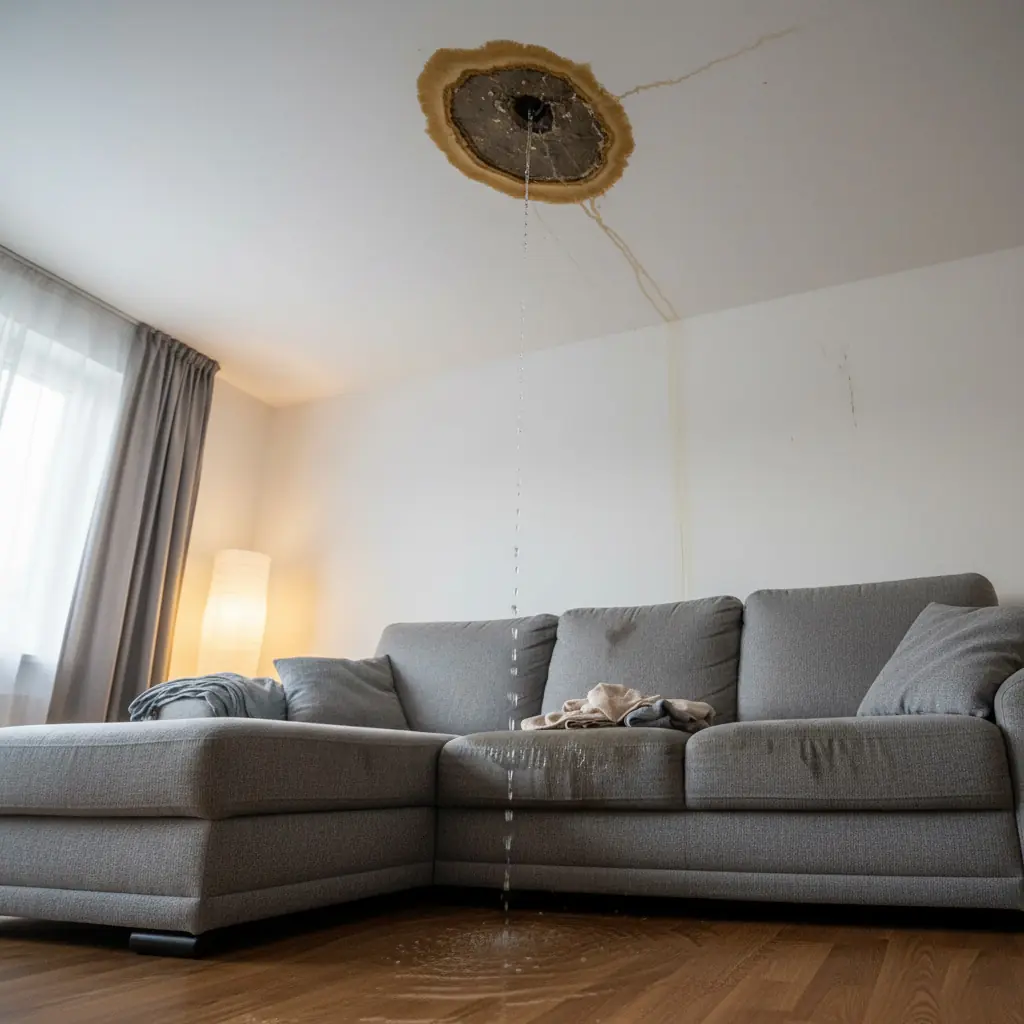
Why Bleach Fails: The Science Behind Mold Growth in Coastal Climates
Bleach is the biggest lie in the cleaning aisle. It works great on hard, non porous surfaces like glass or tile, but it acts like a magnet for failure when you use it on drywall or wood.
When you splash bleach onto porous building materials, the chlorine content stays on the surface while the water component seeps deep into the material. You end up feeding the mold roots the exact moisture they need to thrive, while the surface color fades to trick your eyes into thinking the problem is gone.
Inglewood homes deal with specific atmospheric conditions that make this DIY disaster even worse. Because we sit in a coastal climate, ambient humidity levels are often elevated, keeping your home walls in a constant state of dampness.
Here is why bleach loses the battle every time:
- The molecular structure of bleach prevents it from penetrating porous surfaces where mold roots hide.
- Water-based cleaners provide fresh fuel for existing colonies to expand behind your baseboards.
- Surface treatment does nothing to stop the spore dispersal that happens the moment you start scrubbing.
Smart homeowners realize that the mold you see is only the tip of the iceberg. What you cannot see is the vast mycelium network digging into your studs and insulation, waiting for the next foggy morning to sprout again.
Recognizing the Hidden Signs of Infestation in Inglewood Homes
In our coastal climate, mold acts like an undercover agent. It rarely starts as a visible disaster; instead, it lurks inside wall cavities, behind your kitchen cabinets, or underneath your flooring where moisture lingers undetected.
You might not see the spores, but your home is constantly sending out distress signals. If you ignore these early warnings, you are essentially rolling out the red carpet for a massive colony that will eat away at your property value.
Watch out for these classic red flags that signal a hidden mold problem in your Inglewood property:
- The scent of damp earth or rotting wood that refuses to go away.
- Persistent respiratory irritation, sneezing, or itchy eyes whenever you enter a specific room.
- Walls that feel slightly soft or damp to the touch.
- New paint bubbling or peeling for no apparent reason.
- Dark rings or mysterious stains appearing on the ceiling near bathroom vents.
Trust your gut. If you smell something funky or notice a sudden shift in the air quality of a room, do not assume it is just humidity. Mold in Los Angeles County homes loves to hide in the dark, damp spaces created by our aging infrastructure and fluctuating seasonal temperatures.
Comparative Table: DIY Removal Methods vs. Professional Remediation Risks
Homeowners often reach for the spray bottle thinking they have solved the problem, but they are often just feeding the beast. Applying bleach to porous surfaces like drywall is a dangerous mistake because it kills the surface mold while leaving the roots buried deep inside the material.
| Factor | DIY Bleach Method | Professional Remediation |
|---|---|---|
| Root Penetration | None (Surface only) | Complete removal |
| Spore Control | High risk of spreading | HEPA filtration |
| Health Safety | Toxic fumes | Containment protocols |
| Long-term Success | Mold returns quickly | Prevention focused |
When you scrub mold manually, you become a human spore launcher. Without industrial-grade containment, the microscopic particles become airborne and settle in your HVAC system, your furniture, and your lungs.
Professional abatement involves more than just cleaning. Experts use negative air pressure to trap spores at the source and ensure they never reach other rooms in your home. Choosing the wrong method does not just waste time; it permanently damages your indoor air quality and creates a hidden liability that future buyers will certainly catch during an inspection.
Step-by-Step Execution: How Professionals Contain and Eliminate Spores
When you call in the pros, we do not just grab a sponge and some soap. We treat mold like a biohazard because that is exactly what it is; the goal is to stop the spread, not encourage it.
First, we establish negative air pressure. We set up heavy-duty industrial scrubbers to pull air out of the affected area, ensuring that spores cannot float into your clean rooms while we work.
Next, we seal the perimeter with thick plastic sheeting. This creates a containment zone that traps everything inside, keeping your kitchen and bedrooms safe from the cleanup process.
The Professional Abatement Workflow
Once the zone is isolated, our team moves into the removal phase. We follow a strict protocol designed to destroy the colony at the root:
- Removal of porous materials: If drywall or insulation is saturated, it must go. It cannot be cleaned.
- HEPA vacuuming: We use specialized filters that capture microscopic spores that standard vacuums would just spray back into the air.
- Antimicrobial application: We apply industrial-grade solutions that kill mold on the microscopic level.
- Drying and restoration: We bring in high-velocity air movers and dehumidifiers to force moisture out of your studs and subfloors.
Finally, we do not pack up until we have verified the air quality. We want to be certain the count has dropped to safe levels so you can breathe easily in your home again.
We believe in total eradication rather than a quick fix. By controlling the airflow and clearing the debris at the source, we ensure that your property remains a healthy place to live long after we finish the job.

Inglewood Restoration Success: A Real-World Case Study of Mold Abatement
Take the case of a mid-century home in the Morningside Park area. The owners noticed persistent respiratory issues and a faint smell behind a built-in bookshelf that sat against an exterior wall.
They assumed it was just dust. After weeks of worsening symptoms, they called us for an assessment.
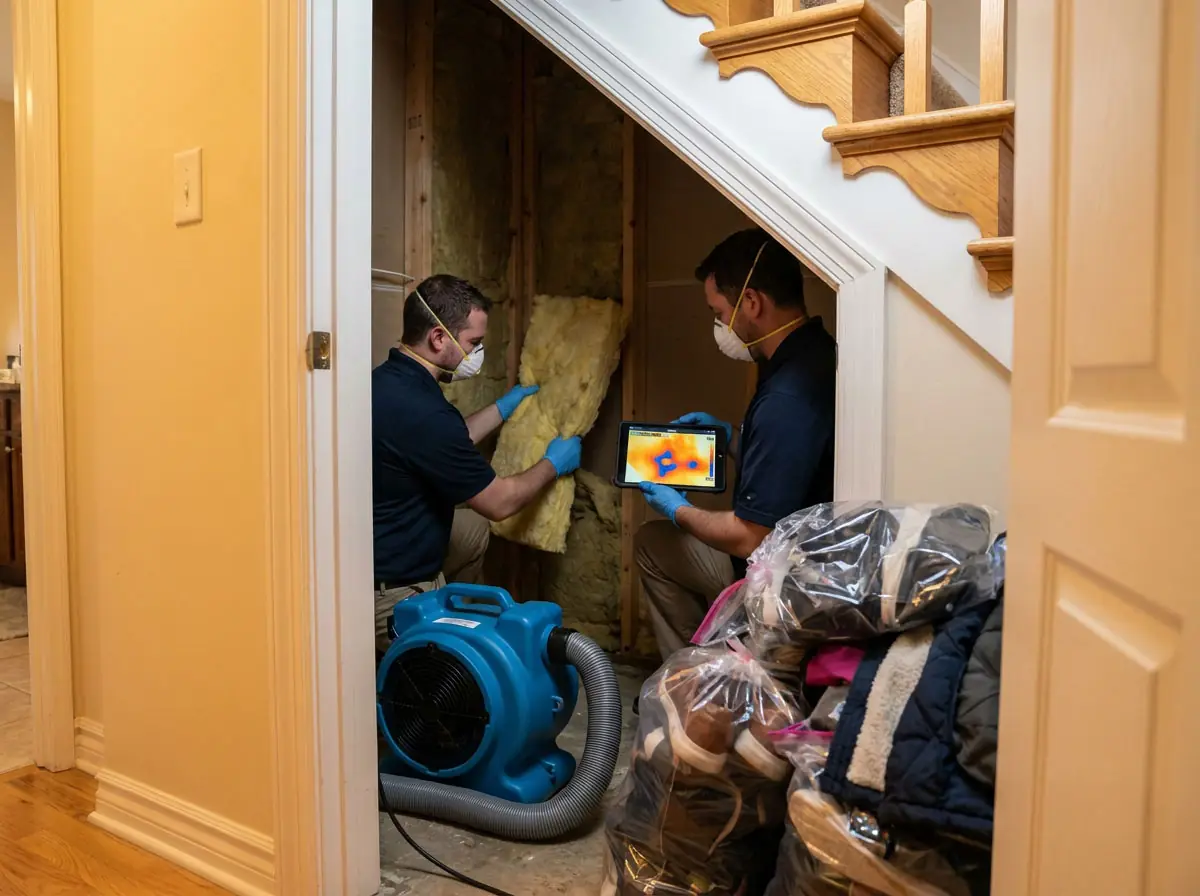
Our thermal imaging cameras revealed a hidden colony growing in the wall cavity due to a slow-leaking pipe. What looked like a small patch on the surface was actually a massive, thriving network of black mold behind the studs.
We did not just spray the area. We took decisive action to save the home:
- Engineered a negative air pressure containment zone to keep spores from migrating to the bedrooms.
- Removed all porous building materials that were already compromised by the moisture.
- Used industrial HEPA vacuums to capture microscopic spores that standard vacuums would simply blow back into the air.
- Treated the remaining structural wood with professional-grade antimicrobial agents to prevent regrowth.
The homeowners moved back in within days, feeling better immediately. Their property value stayed intact because we stopped the rot before it could reach the subflooring or the electrical wiring.
This is the smart local approach. Catch it, contain it, and fix it permanently instead of slapping a band-aid on a structural emergency.
Preventing Future Blooms Through Strategic Moisture Management
Mold is an opportunistic organism that thrives on a single requirement: constant moisture. In our unique Inglewood climate, humidity levels can fluctuate rapidly, turning a dry home into a biological petri dish overnight.
You have to stop feeding the mold if you want it to stay gone for good. Controlling your indoor environment is the only way to lock the door against future infestations.
Key Tactics for a Dry Home
Start by auditing your home for hidden water sources. A tiny, slow-dripping pipe behind a vanity or a poorly ventilated laundry room is often the culprit.
- Invest in a high-quality dehumidifier, especially for basements or bathrooms without windows.
- Ensure your dryer vents actually lead outside rather than dumping moist air into your crawlspace or attic.
- Check your roof and window seals after heavy rains to catch leaks before they soak into your drywall.
- Keep indoor humidity levels consistently below 50% to prevent spores from finding a place to settle.
Proper airflow acts like a natural shield for your property. Move furniture a few inches away from exterior walls to allow air to circulate behind them, preventing the stagnant micro-climates that mold loves.
If you notice condensation gathering on your windows, address it immediately. That water is not just a cleaning nuisance; it is a direct invitation for mold colonies to set up shop in your home.
Final Words
Mold is not a weekend project you can conquer with a sponge and a bottle of household cleaner. If you live in Inglewood, you are fighting a constant battle against our specific humidity levels that fuel microbial growth.
Waiting to see what happens is a gamble with your bank account and your family's respiratory health. You either stop the spread at the source or you pay double later when the colony invades your ventilation system.
If you suspect your home is under attack, do not wait for the patch to grow. Professional Mold Remediation is the only way to ensure your property remains a safe, healthy environment for years to come.
Key Priorities for Inglewood Homeowners
- Inspect your plumbing under the vanity every single month.
- Ensure your bathroom exhaust fan is venting directly outside, not into your attic.
- Call a specialist immediately if you smell that signature musty odor.
Real protection means acting before the spores get a foothold in your insulation or drywall. Your home is your biggest investment, so treat it with the respect it deserves by bringing in the pros when the trouble starts.
People Also Ask
Does homeowners insurance cover mold remediation in Inglewood?
Most standard homeowners insurance policies do not cover mold damage unless it results from a sudden, accidental water event like a burst pipe. You should check your specific policy details to see if your coverage includes professional abatement services.How do I know if I have a mold problem in my home?
Common signs include a persistent musty odor, visible patches of discoloration on walls or ceilings, and unexplained respiratory issues among family members. If you notice these symptoms, you should consult the federal government guidelines on indoor air quality.Is it safe to clean mold with bleach?
Bleach is generally ineffective on porous surfaces like drywall or wood because it kills surface mold but leaves the roots intact. The moisture in bleach solutions can actually encourage regrowth, making professional removal the safer choice for long term remediation.How long does the mold remediation process take?
The timeline depends on the size of the affected area and the extent of the underlying moisture damage. A typical residential project in the area usually takes between two to five days to complete from containment to final clearance testing.What is the biggest cause of mold growth in Southern California?
The primary cause is excess moisture from leaky plumbing, poor ventilation in bathrooms, or high humidity levels during damp seasons. Controlling indoor moisture is the single most effective way to prevent future fungal blooms in your living space.Need Water Damage Restoration Services?
We provide rapid water damage restoration and structural drying services in Inglewood and surrounding communities to restore your property immediately. (90301, 90302, 90303, 90304)
Request Price Estimate