
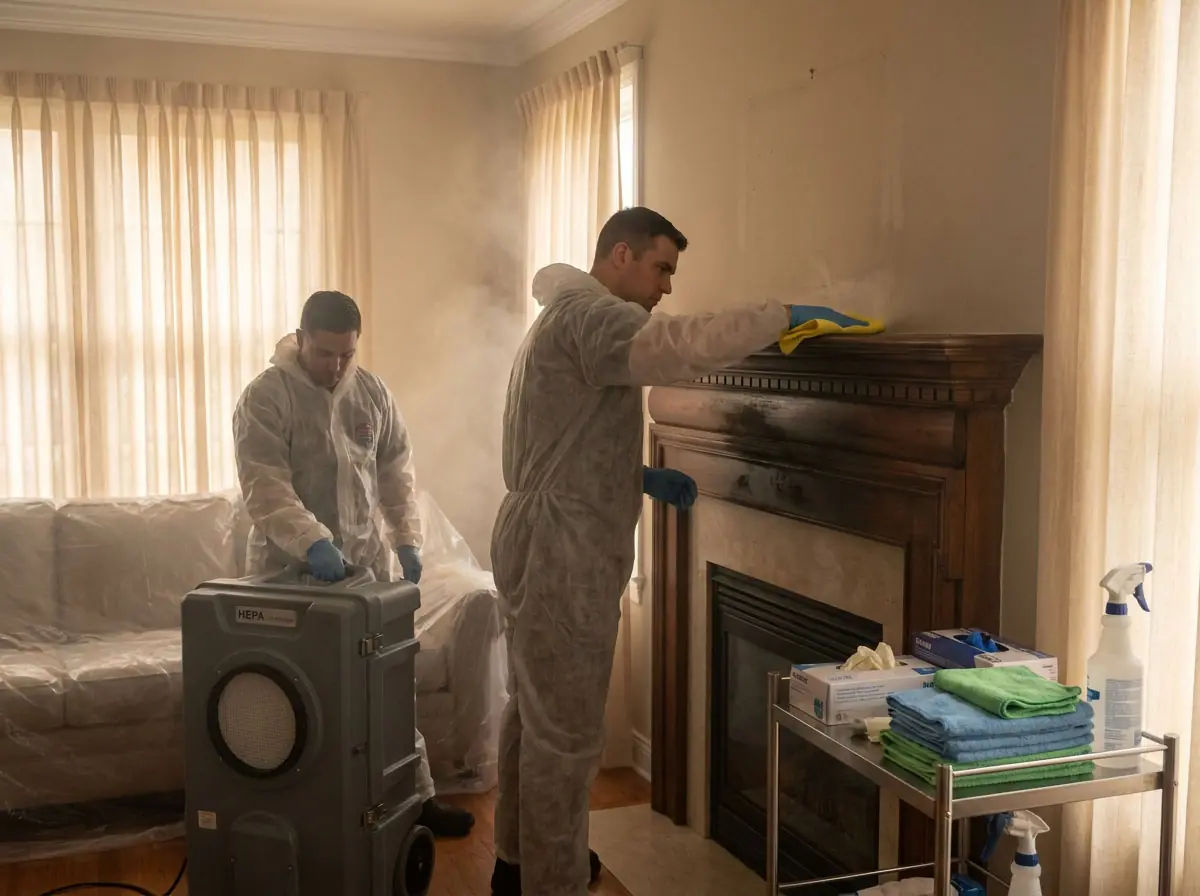


⚡ TL;DR: This comprehensive guide explains how to identify, repair, and prevent ceiling water damage in Hialeah by following professional restoration methods and performing routine maintenance on your local property.
📋 What You’ll Learn
Discover how to effectively manage ceiling water damage in the unique Hialeah climate. This guide provides essential steps for identifying hidden leaks, executing professional repairs, and preventing future structural moisture issues.
- Execute immediate mitigation techniques to stop further moisture spread across your Hialeah property, protecting your ceilings from sagging, mold growth, and expensive long term structural damage today.
- Distinguish between plumbing and roof leaks by following our expert diagnostic steps that help you identify the specific source of water intrusion common to South Florida homes.
- Follow a professional restoration roadmap that outlines the entire process from initial moisture extraction and drywall removal to the final aesthetic repairs that restore your home finish.
- Implement proactive maintenance strategies designed specifically for the Hialeah environment to ensure your roof and plumbing systems remain resilient against heavy tropical rain and intense humidity.
📖 Reading time: 7 min
✍️ Author expertise: Local Hialeah restoration expert with ten years of hands on water damage repair.
You wake up to the soft, rhythmic drip of water hitting your floor, only to look up and see a discolored, sagging bulge ruining your ceiling. In Hialeah, where our humidity turns a minor leak into a structural nightmare overnight, ignoring that stain is the fastest way to invite black mold and expensive rot into your home.
Most homeowners assume a quick patch job or a coat of paint will solve the problem. They couldn't be more wrong.
That damp spot is just the tip of the iceberg, hiding a much larger disaster waiting to compromise your roof or flooring. If you want to stop the damage before it spreads to your walls or electrical system, keep reading to discover exactly how to handle this threat like a pro.

Immediate Steps to Mitigate Ceiling Damage in Hialeah’s Climate
The moment you spot a leak in Hialeah, the clock starts ticking. Our local heat and stifling humidity create the perfect environment for mold to bloom in less than twenty-four hours.
Your first move is safety. If the water is dripping near light fixtures or ceiling fans, cut the power at the breaker panel immediately. Water and electricity are a lethal combination that can spark an electrical fire or deliver a nasty shock.
Next, you need to stop the water from spreading. Follow these quick steps to contain the disaster:
- Move your furniture, rugs, and electronics out of the room to prevent permanent water staining.
- Place a bucket directly under the leak and poke a tiny hole in the center of the ceiling bulge. This relieves pressure and prevents the ceiling from collapsing under the weight of trapped water.
- Clear any standing water from the floor using a shop vac or absorbent towels to protect your flooring materials.
Do not try to fix the plaster or paint while the area is still wet. Trapping moisture behind fresh paint acts like a greenhouse, fueling rapid mold growth that eats through drywall and ruins your home from the inside out.
Keep the area ventilated by running a dehumidifier or pointing a portable fan toward the leak. Your goal is to keep the air moving until professional help arrives to dry out the structural joists and roof decking.
Identifying the Hidden Source: Roof Leaks vs. Plumbing Failures
Before you pick up a putty knife, you must play detective. In Hialeah, your ceiling stain is rarely caused by what you think. It is either a battle against the sky or a war happening inside your walls.
If the spot appears after a heavy tropical downpour, your roof is likely the culprit. However, if the moisture persists during dry spells, the issue is almost certainly a plumbing failure hidden in the joists above.
Signs Your Roof Is Giving Up
Roof leaks often act differently than internal pipe bursts. Look for these specific patterns to diagnose the threat:
- Water spots that darken specifically during or immediately after rainstorms.
- Drips that appear near exterior walls or chimney flashing.
- Missing shingles or granular buildup in your gutters.
- Persistent dampness in the attic insulation.
Plumbing leaks are far more deceptive because they do not care about the weather. These leaks often start as small, localized yellow rings that slowly expand into soft, spongy patches. Because pipes are often pressurized, these leaks can cause significant saturation in a matter of hours, leading to immediate structural weakening of the drywall. If you notice a high water bill or hear a faint hissing sound near the ceiling, call a professional to cut off the water supply before your entire ceiling decides to collapse.

Expert Restoration Process: From Moisture Extraction to Structural Repair
Fixing a ceiling stain isn't just about slapping on a fresh layer of paint. If you ignore the moisture locked inside your drywall, you are essentially building a greenhouse for mold right above your head.
Our restoration process is clinical and precise. We follow a strict protocol to ensure your home returns to its pre-loss condition:
- Moisture Mapping: We use thermal imaging cameras to find trapped water that your eyes cannot see.
- Extraction: Specialized vacuums pull standing water from porous materials before it wicks further into your framing.
- Dehumidification: We place high-grade industrial drying equipment to lower the ambient humidity, preventing the secondary damage common in our Hialeah climate.
- Disinfection: We apply antimicrobial agents to stop mold growth in its tracks.
Once the space is dry, we shift our focus to structural integrity. A sagging ceiling often indicates that the wood joists have become saturated and weakened. We don't just cover up the mess; we inspect the attic cavity to ensure the underlying supports are sound and free of rot.
If the drywall is too far gone, we remove the contaminated sections, treat the exposed area, and install moisture-resistant board. We finish with a professional texture match so you will never even know there was an issue in the first place.
A Comparative Table of Repair Materials and Professional Service Options
Most DIY repair kits available at your local hardware store provide only temporary masking. These superficial fixes often trap moisture behind a new layer of drywall, creating a perfect breeding ground for toxic mold in the Hialeah humidity.
| Feature | DIY Patching | Professional Restoration |
|---|---|---|
| Moisture Detection | Visual Guesswork | Thermal Imaging |
| Mold Prevention | None | Antimicrobial Treatment |
| Structural Integrity | Cosmetic Only | Load Bearing Assessment |
| Repair Materials | Standard Joint Compound | Industrial Grade Sealants |
| Long Term Warranty | None | Comprehensive Guarantee |
Professional restoration goes beyond simply swapping out a piece of drywall. We employ advanced industrial equipment to identify moisture trapped inside your insulation and wooden studs that your eyes simply cannot see.
Why Professional Tools Win Every Time
Using the right tools ensures the job is done once and done correctly. When you hire experts, you gain access to:
- Moisture Meters: These pinpoint the exact saturation level of your ceiling joists.
- High Velocity Air Movers: We pull deep moisture out of structural materials to prevent warping.
- Industrial Dehumidifiers: These pull gallons of water vapor out of your indoor air to stop secondary damage.
Investing in a professional fix protects your equity. A botched DIY job will show up on a future home inspection report, turning a minor repair into a major negotiation headache when you decide to sell your property.
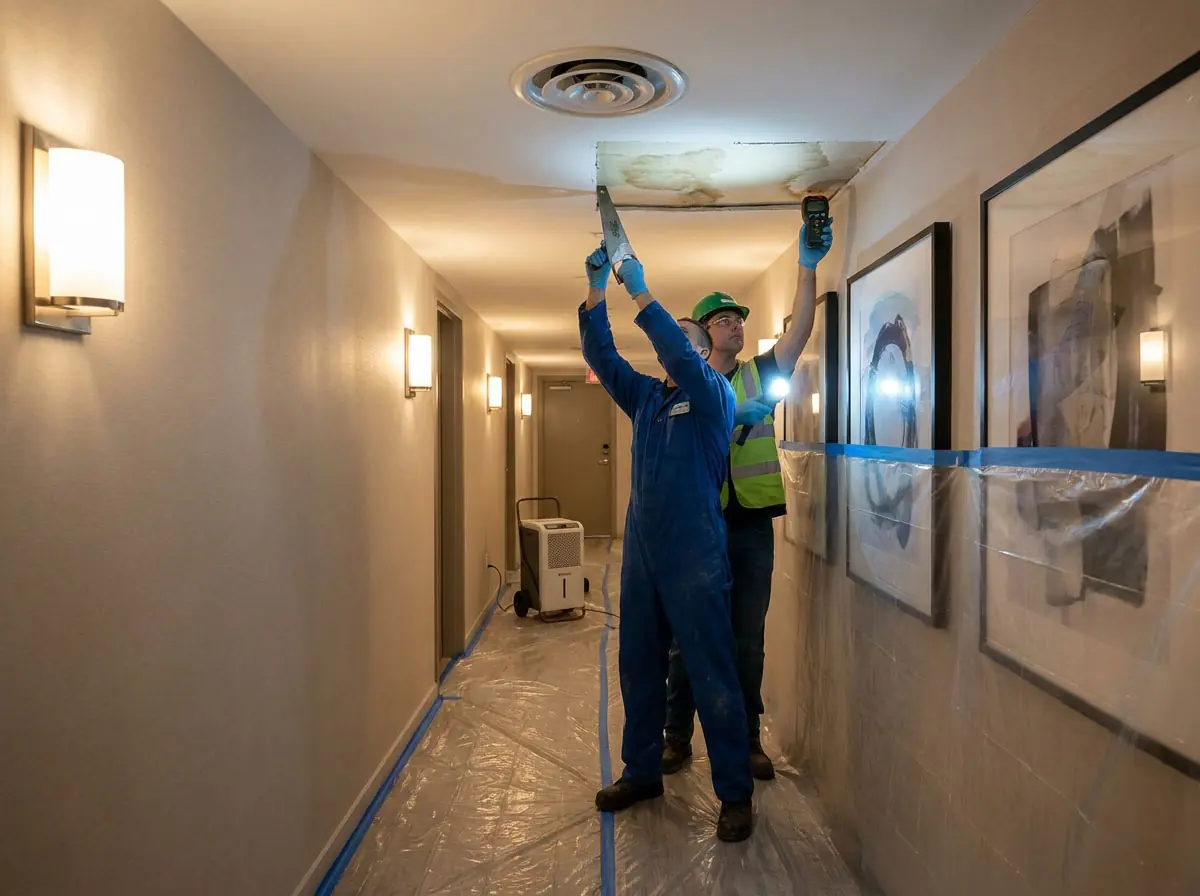
Case Study: Successfully Restoring a Hialeah Historic Home After Roof Failure
Consider the recent restoration we tackled for a historic property near Hialeah Park. The owners ignored a minor drip after a heavy summer storm, which allowed moisture to migrate through antique lath and plaster, eventually compromising the structural joists of the entire second floor.
By the time we arrived, the ceiling had developed a dangerous sag, and the surrounding walls were harboring significant fungal growth. We had to move fast to save the historic integrity of the home while ensuring the living space was safe for the family again.
The Restoration Strategy
Our team implemented a precise protocol to address the decay without tearing out the entire ceiling. Here is how we turned a potential wreck into a preserved masterpiece:
- Moisture Mapping: We used thermal imaging to locate the exact path of the water intrusion, which had spread further than the visible discoloration suggested.
- Containment: We sealed off the affected rooms to prevent mold spores from traveling through the HVAC ducts into the rest of the house.
- Controlled Drying: We deployed industrial dehumidifiers to drop the moisture levels in the wood beams before any cosmetic repairs were attempted.
- Structural Reinforcement: We sistered the damaged joists with new lumber, effectively restoring the load-bearing capacity without altering the home's original aesthetic.
The result was a dry, stable home that honored its original architecture. We didn't just slap a patch over the mess; we addressed the hidden rot at the source, ensuring the structure could withstand the next round of Florida rain.
Preventing Future Water Intrusion: Essential Maintenance for Florida Property Owners
Hialeah homes face constant pressure from tropical rain and oppressive humidity. If you want to keep your ceiling intact, you must adopt a proactive defense instead of waiting for the next storm to reveal a hole in your armor.
Start by scheduling annual roof inspections before the hurricane season hits. A professional check can identify cracked tiles or rusted flashing that acts as a welcome mat for rainwater.
Clear your gutters and downspouts every three months. When debris builds up, water has nowhere to go but backward under your shingles and into your structural rafters.
Proactive Maintenance Checklist
- Check seals around vents and chimneys to ensure they are watertight.
- Clear roof debris such as palm fronds and pine needles to prevent moisture traps.
- Monitor your HVAC condensate drain lines to avoid overflows caused by clogs.
- Examine your attic crawl space after heavy rainfall for early signs of damp wood or insulation stains.
Many homeowners ignore their plumbing because it stays out of sight. A slow leak behind a bathroom wall can silently rot your ceiling joists for months before you ever see a drop of water.
Keep a close eye on your water bill. If you notice a sudden spike in usage without a change in habits, you likely have a hidden pipe failure that demands immediate attention.
Final Words
Fixing your ceiling isn't just about hiding a stain; it is about stopping a slow-motion collapse of your home. You need to act with absolute precision because in South Florida, water does not wait for you to find a contractor.
Every minute you spend debating the cost is another minute mold spores use to colonize your drywall. If you are serious about protecting your property, you need to rely on the pros who specialize in Ceiling Water Damage Repair.
Your Immediate Checklist
Before you commit to a repair, keep these non-negotiable rules in mind:
- Never paint over a wet stain, as this traps moisture and creates a toxic breeding ground for mold.
- Always cut the power to any electrical fixtures near the leak to prevent a fire or shock.
- Document the damage with high-resolution photos for your insurance company before you touch anything.
Your home is likely your biggest investment, and neglect is the enemy. Stop treating water intrusion like a weekend project you can figure out on the fly. Bring in the experts, stop the moisture at the source, and get your roof back to the standard it was built to meet.
People Also Ask
How much does ceiling water damage repair cost in Hialeah?
The cost varies based on the size of the damage and the underlying cause, such as a roof leak or plumbing failure. On average, homeowners can expect to pay for moisture detection, structural drying, and cosmetic restoration, though an on site inspection is required for an accurate estimate.Does homeowners insurance cover ceiling leaks in Florida?
Coverage typically depends on whether the leak was caused by a sudden, accidental event like a pipe burst or an excluded peril like poor maintenance. You should review your specific policy to understand how the insurance department regulates claims for property damage.How quickly does mold grow on a water damaged ceiling?
Mold can begin to colonize within 24 to 48 hours once moisture is present in porous materials like drywall or wood. In the humid climate of South Florida, it is critical to initiate professional drying services immediately to prevent secondary damage and health risks.What are the signs of a hidden ceiling leak?
Common indicators include persistent water spots, sagging drywall, bubbling paint, or a musty odor in your living space. If you notice these symptoms, it is essential to trace the moisture source before the ceiling integrity is compromised.Should I fix a water stained ceiling myself?
While you might be tempted to paint over a stain, this only masks the problem without addressing the active leak or hidden moisture. Improper repairs can lead to trapped water that weakens structural supports or fuels long term mold growth behind your ceiling panels.Need Water Damage Restoration Services?
We provide rapid water damage restoration to restore your property in Hialeah and surrounding areas. Our team arrives quickly to extract water and complete structural drying to prevent further damage (33010, 33012, 33013, 33014, 33015).
Request Price Estimate