


⚡ TL;DR: This guide details the health risks of sewage backup cleanup in Hartford and provides essential steps for homeowners to protect their property through professional restoration and preventative measures.
📋 What You’ll Learn
Handling a sewage backup is a stressful ordeal for any Hartford property owner. This guide provides essential knowledge to navigate the cleanup process while protecting your home and family health.
- Identify hidden biological hazards that make DIY cleanup attempts dangerous, helping you understand why specialized equipment and professional training are mandatory for safe remediation of contaminated residential spaces.
- Distinguish between water categories so you can correctly assess the severity of the damage, identifying whether you are dealing with hazardous black water or less toxic gray water intrusion.
- Execute immediate containment steps that minimize further structural damage to your basement or foundation while you wait for our emergency response team to arrive at your local property.
- Analyze real cost breakdowns based on actual Hartford restoration case studies, allowing you to prepare your budget and understand the factors influencing final professional sewage remediation service prices.
📖 Reading time: 7 min
✍️ Author expertise: Certified restoration lead managing complex sewage mitigation projects across the greater Hartford area.
You wake up to a sound that isn't the morning alarm, but a wet, rhythmic gurgle coming from your basement floor drain. Within minutes, the unmistakable stench hits your nostrils, and you realize your home has become a holding tank for raw waste.
Most homeowners freeze in this moment or, worse, reach for a mop and a bottle of bleach. That is the exact mistake that turns a messy situation into a full-blown health catastrophe for your family.
Before you step into that contaminated water, you need to know exactly why your first reaction is likely the wrong one. Ignoring the biological hazards lurking in your basement can lead to permanent damage and expensive medical bills, so here is the cold, hard truth about handling a sewage backup safely.
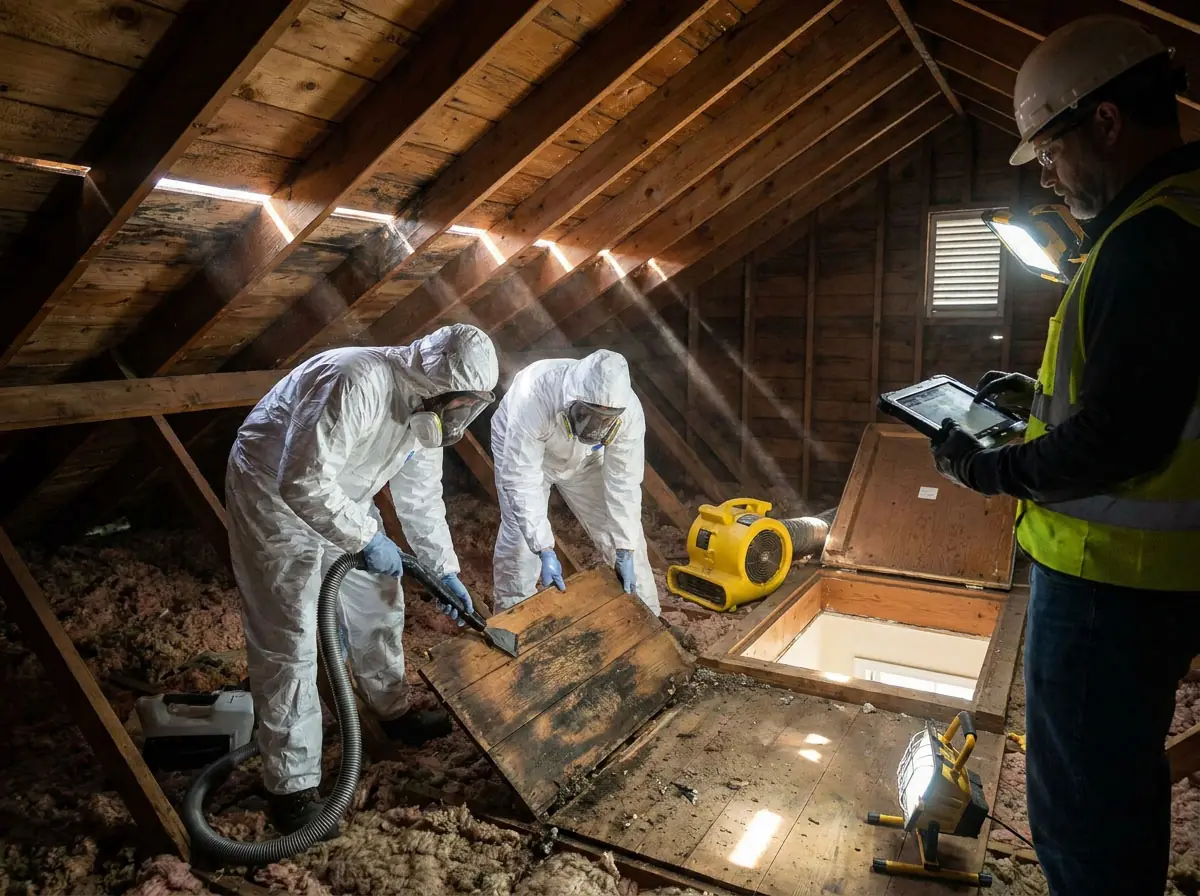
Why DIY Cleanup Attempts Escalate Biological Risks
You might think you can handle this with rubber boots and a bucket, but you are playing a dangerous game with invisible pathogens. Raw sewage is not just dirty water; it is a toxic cocktail of bacteria, viruses, and parasites that multiply the second they touch your porous surfaces.
When you attempt a DIY cleanup, you usually lack the industrial grade personal protective equipment required to keep these contaminants out of your lungs and bloodstream. You are also likely to track microscopic waste particles throughout the rest of your home, effectively turning a localized basement issue into a property wide health hazard.
Attempting to scrub sewage yourself usually results in the following dangerous outcomes:
- Aerosolizing pathogens: Using a shop vac or a fan kicks toxic waste particles into the air you breathe.
- Cross contamination: Moving supplies or walking through the area spreads raw waste into your kitchen, living room, and bedrooms.
- Incomplete sanitation: Store bought cleaners cannot kill deep set bacteria inside your floorboards, subflooring, or drywall.
The reality is that standard bleach is rarely enough to stop the microbial growth taking root in your foundation. Without professional containment protocols, you are essentially leaving a biological time bomb under your floorboards that will degrade your home's air quality for months to come.
The Critical Difference Between Gray Water and Black Water Contamination
Not all basement floods are created equal, and mistaking the two can put your household in serious danger. Understanding the level of toxicity in the standing water determines whether you can potentially clean a surface or if that material needs to be ripped out and discarded immediately.
Gray water usually originates from washing machines, dishwashers, or bathroom sinks. While it is not perfectly clean, it carries a lower risk of immediate infection unless it has been sitting stagnant for more than 48 hours.
Black water is a completely different monster. This involves water from sewage lines, toilets, or floodwater contaminated by ground waste. It is packed with pathogens, fecal matter, and dangerous bacteria like E. coli or salmonella.
If you see raw sewage, treat it as a biohazard. Never attempt to handle black water without professional-grade protective gear.
Key Indicators for Contamination Types
- Gray Water: Often soapy or cloudy; comes from greywater drains.
- Black Water: Foul smelling, dark in color, often contains visible solids.
- Hazard Level: Black water poses an immediate risk to your immune system.
- Permeability: Any porous material like carpet or drywall touched by black water is likely permanently ruined.
When in doubt, always assume the water is black. The pathogens hiding in raw sewage can seep into concrete and wood, creating a breeding ground for mold that stays active long after the water is gone.

Essential Steps to Take Immediately While Awaiting Professional Help
Your primary goal when you spot a sewage backup is containment, not cleaning. The moment you notice that foul odor or pooling liquid, cut off the water supply to your entire house immediately to stop the flow at the source.
If you have easy access to the main shutoff valve, turn it off now. This simple move prevents more waste from entering your home while you wait for the pros to arrive.
Once the water is off, follow these critical safety steps to protect your household:
- Keep everyone, especially children and pets, strictly away from the affected area.
- Turn off the electrical power to the basement or contaminated room if it is safe to reach the breaker box without walking through the water.
- Open windows to allow fresh air circulation, but do not turn on your HVAC system, as it can pull contaminated air into your home ventilation.
- Avoid touching any items that have come into contact with the sewage.
Resist the urge to start scrubbing or mopping. Sewage contains dangerous pathogens and viruses that can become airborne when you agitate the water. Leave the heavy lifting to the professionals who wear specialized personal protective equipment to handle these hazardous conditions safely.
Focus your energy on clearing a clear path for the restoration team. Moving small, non-contaminated items from the vicinity of the entrance helps the technicians get to work the second they pull into your driveway. Your patience during these first few hours is the best tool you have to prevent the situation from becoming a permanent hazard.
How Hartford Experts Restore Property: A Recent Basement Recovery Case Study
Last month, we received an urgent call from a homeowner in the West End of Hartford. A main sewer line blockage had sent raw waste surging into their finished basement, soaking the drywall and expensive carpeting.
Our team did not simply mop up the surface water. We arrived with industrial-grade containment gear and HEPA air scrubbers to neutralize the airborne pathogens that were already circulating in the home.
The restoration process followed a strict four-step protocol to ensure the property was safe for the family to reoccupy:
- Containment: We sealed off the basement to prevent cross-contamination into the upper levels of the house.
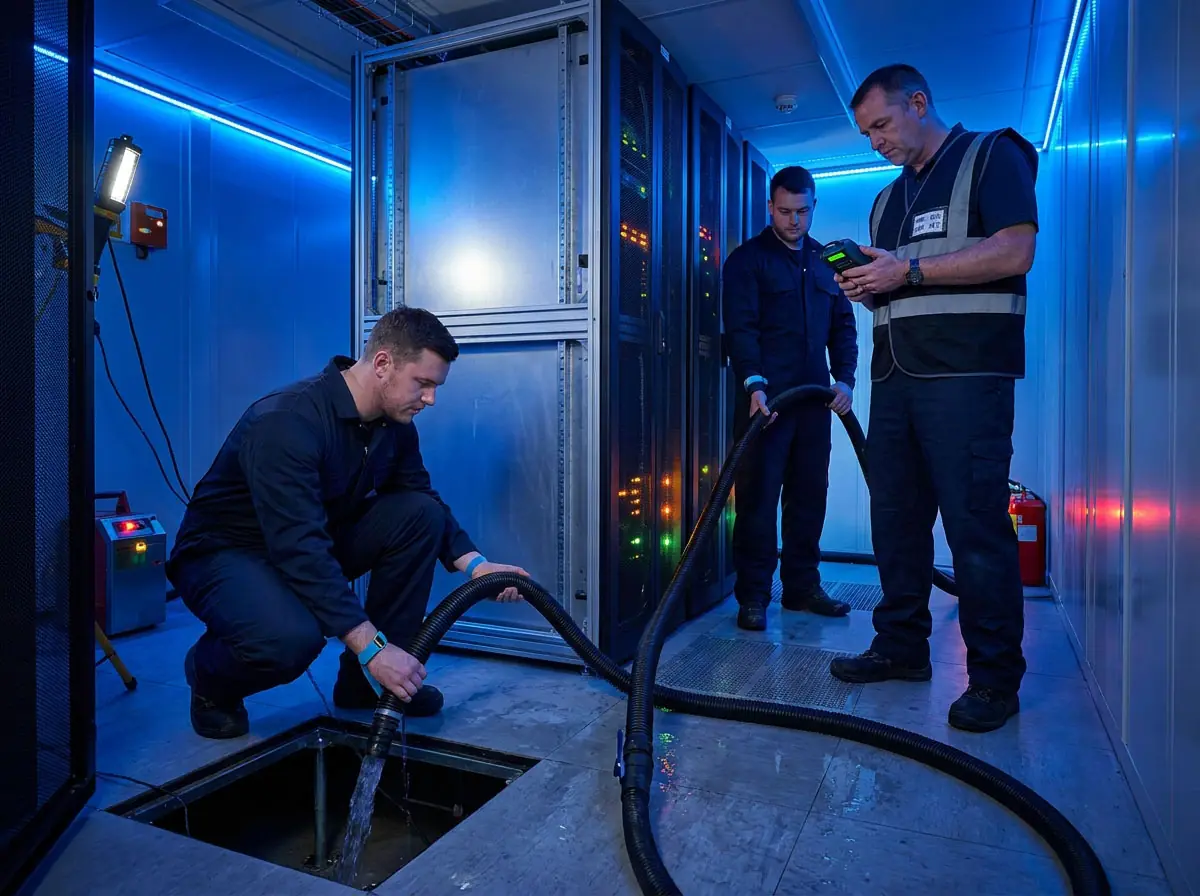
- Extraction: High-suction pumps removed the standing black water while we manually cleared solid waste.
- Demolition: Porous materials like drywall and carpet padding were removed because they cannot be sanitized.
- Disinfection: We applied hospital-grade antimicrobial agents to the concrete foundation and framing to kill lingering bacteria.
By the time we finished, the space was stripped to its structural bones and fully sanitized. We then set up industrial dehumidifiers and air movers to reach the moisture content goal required to prevent mold growth. This professional approach saved the homeowner from long term structural decay and provided a guaranteed clean environment for their children and pets.
Sewage Cleanup Cost Breakdown: A Comparison Table for Expected Expenses
Most homeowners assume a quick mop job saves money, but the reality of professional remediation tells a different story. When raw waste invades your property, the costs are driven by the scope of contamination, the materials that require removal, and the specific equipment needed to sanitize your home to industry standards.
| Service Category | Estimated Cost Range | Primary Cost Factor |
|---|---|---|
| Initial Inspection | $250 - $500 | Site assessment and testing |
| Water Extraction | $800 - $2,500 | Gallons of sewage present |
| Disinfection/Sanitizing | $1,000 - $3,000 | Surface area coverage |
| Structural Debris Removal | $1,500 - $4,500 | Drywall and flooring disposal |
| Total Project Range | $3,500 - $10,000+ | Severity of the backup |
If you choose to ignore the problem, those numbers quickly climb into six-figure territory because of hidden rot and mold growth inside your wall cavities. Pricing is rarely flat because every basement in Hartford has unique plumbing layouts and different finish levels, such as finished hardwood versus concrete slabs.
Hidden variables that often inflate the final invoice include the following:
- The distance the waste traveled into your HVAC ducts.
- Whether the backup reached your home’s electrical subpanel.
- The quantity of porous items, like carpets or insulation, that must be discarded.
- The necessity of industrial grade air scrubbers to neutralize airborne bacteria.
Do not let a low quote from an uncertified contractor fool you. A bargain price often means they are skipping the critical sanitization steps that keep your family safe from long term illness.
Long-Term Prevention Strategies for Hartford Homeowners
Preventing a repeat performance of a sewage backup is far cheaper than paying for a second cleanup. Many Hartford properties, especially older homes with aging sewer lines, are prone to root intrusion and structural fatigue.
You should treat your plumbing system like any other critical mechanical component of your house. Routine inspections are not just a luxury; they are a necessary barrier between you and another disaster.
Proactive Steps for a Secure Plumbing System
- Schedule annual sewer line inspections using high-definition video cameras to catch root growth before it creates a total blockage.
- Install a backwater prevention valve, which acts as a one-way gate, allowing sewage to leave your home while physically stopping it from rushing back in during a city main surge.
- Be mindful of what enters your drains, as common household items are the primary culprits for line failures.
Never treat your toilet or kitchen sink like a trash can. Even products labeled as "flushable" often fail to break down properly in older city pipes, leading to massive clogs that trigger backflows.
If your property sits on a low grade or has a basement bathroom, consider a sump pump or a sewage ejector pump to ensure waste moves away from your home even when gravity is working against you. Taking these steps now protects your investment and keeps your home atmosphere clean and safe for everyone.
Final Words on Protecting Your Property and Family Health
The aftermath of a sewage spill is not a weekend project for a handy homeowner. It is a hazardous event that demands specialized, industrial grade sanitization to ensure your living space is truly habitable again.
When you rely on professional Sewage Backup Cleanup teams, you are paying for the safety of your family. These experts remove pathogens that standard household cleaners simply cannot touch.
Think about the long term impact of improper remediation. If moisture or bacteria remain trapped in your drywall or flooring, you face more than just a bad smell.
The Real Dangers You Avoid
- Chronic respiratory issues triggered by lingering mold spores.
- Structural rot that compromises the very bones of your Hartford home.
- Unexpected medical costs from prolonged exposure to harmful microbes.
Protecting your property is about more than maintaining value; it is about keeping your sanctuary free from invisible threats. Do not compromise on the health of your household by cutting corners after a disaster.
Take the smart route by bringing in the pros immediately. It is the single most effective way to lock in your peace of mind and get your life back to normal without a second thought.
People Also Ask
Is sewage backup in my basement considered a health hazard?
Yes, sewage backup is classified as category 3 black water, which contains harmful bacteria, viruses, and parasites. Exposure to these pathogens can cause severe illness, making professional mitigation necessary for your health safety.Does homeowners insurance cover sewage backup in Hartford?
Standard homeowners insurance policies often exclude sewage backup unless you have purchased specific additional coverage or an endorsement. You should review your policy documents or contact your local insurance agent to confirm if your specific damage is covered.How do I know if I have a sewage backup or just water damage?
Sewage backup is identified by a strong, foul odor and the presence of raw waste or dark, contaminated water in your home. Unlike clean water damage, sewage carries immediate biological risks that require specialized protective equipment and remediation protocols to handle safely.How long does the sewage cleanup process take?
The duration depends on the severity of the contamination and how much porous material was affected. While initial sanitization can begin within hours of our arrival, full structural drying and restoration in Hartford homes typically take several days to ensure the environment is safe.Can I clean up a small sewage spill myself?
It is highly recommended to avoid DIY cleanup for sewage, as even small amounts can harbor dangerous pathogens that are difficult to eliminate without industrial-grade disinfectants. Attempting to clean it yourself risks spreading contaminants to other areas of your property and compromising your family well-being.Need Water Damage Restoration Services?
We provide rapid water damage restoration to stabilize your property and prevent further structural issues throughout Hartford and surrounding communities (06103, 06105, 06106, 06114). Our team arrives quickly to extract water and initiate professional drying to restore your home or business to pre-loss condition.
Request Price Estimate