


⚡ TL;DR: If you encounter a sewage backup in Greenville, this guide explains why professional sewage backup cleanup is essential for protecting your health, property value, and insurance claim success.
📋 What You’ll Learn
Dealing with a sewage backup in Greenville requires immediate action to protect your home. This guide explores the critical steps for safe mitigation and avoiding errors that could jeopardize your property.
- Identify hidden health hazards found in Category 3 water to ensure your family remains safe from dangerous pathogens that contaminate porous surfaces and household air quality after spills.
- Avoid dangerous DIY mistakes that frequently lead to long-term mold growth and severe structural damage, which often cost far more to repair than calling a professional cleanup team.
- Protect your local property value by utilizing our comprehensive checklist for pre-cleanup precautions, specifically designed to help Greenville homeowners secure their residences during a stressful plumbing crisis.
- Master insurance claim logistics to prevent common denial reasons while working with local adjusters, ensuring you have the necessary documentation for a successful and fully funded restoration process.
📖 Reading time: 7 min
✍️ Author expertise: Greenville restoration specialist with a decade of field experience managing local sewage disasters.
You wake up to the unmistakable, gut-wrenching stench of raw sewage seeping into your Greenville home. Your first instinct is to grab a mop and bucket, but that snap decision could end up costing you thousands of dollars and your family's health.
Most homeowners treat a sewer backup like a standard plumbing glitch, but this is a toxic biological disaster that demands a surgical approach. One wrong move doesn't just spread bacteria; it locks contamination into your subflooring and drywall for good.
We see the same preventable financial wreckage every single week across Pitt County. If you want to protect your property value and ensure your home is actually safe to live in again, here are the critical blunders you need to avoid right now.
The Immediate Health Hazards Lurking in Category 3 Water
When sewage backs up into your Greenville home, you are dealing with Category 3 water. In the restoration industry, this is known as black water. It is not just dirty; it is a biohazard soup containing raw fecal matter, viruses, parasites, and harmful bacteria like E. coli and Salmonella.
The moment this sludge touches your carpet or drywall, the clock starts ticking on a biological infection of your home. You cannot simply wipe it away. Microscopic pathogens can become airborne once the material begins to dry, turning your living room into a dangerous breathing zone for your family and pets.
The risks associated with exposure to black water are severe and immediate:
- Respiratory distress caused by inhaling aerosolized bacteria and fungal spores.
- Gastrointestinal infections from skin contact or accidental ingestion.
- Dermal reactions such as intense rashes or infections from open cuts coming into contact with contaminated surfaces.
Do not be fooled by the appearance of the water. Even if the liquid looks clear or mostly filtered, the bacterial load is still astronomical. Attempting to scrub this yourself without professional-grade personal protective equipment (PPE) is like playing Russian roulette with your immune system.
Why DIY Cleaning Efforts Are Fueling Mold Growth and Structural Damage
When you tackle a sewage mess with nothing but a shop vac and some bleach, you are essentially creating an incubator for disaster. Raw sewage is classified as Category 3 water, meaning it is loaded with pathogens, viruses, and parasites that porous materials like carpet padding, insulation, and drywall drink up like a sponge.
Most homeowners assume that if a surface looks clean, it is safe. In reality, you are just pushing the toxic sludge deeper into the floor joists and wall cavities where you cannot see it.
The Hidden Dangers of DIY Mistakes
Once moisture settles into these hidden pockets, it becomes a permanent breeding ground. Here is why your quick fix is making the problem worse:
- Household cleaners cannot reach the root of the contamination inside wood pores.
- Standard vacuums blow contaminated air and aerosolized pathogens into your HVAC system.
- Porous materials that are not professionally removed will continue to off-gas harmful spores long after the smell fades.
Professional restoration requires specialized antimicrobial treatments and industrial-grade air scrubbers that the average person simply does not have. By attempting to clean it yourself, you often leave behind enough organic material to trigger aggressive mold growth within forty-eight hours.
This does not just ruin your indoor air quality. It forces you to rip out double the amount of materials later, turning a manageable cleanup into a full-scale structural demolition project.

Protecting Your Greenville Property Value: A Checklist Table for Pre-Cleanup Precautions
When sewage floods your floors, your reaction time determines the difference between a minor incident and a total loss. Most Greenville homeowners make the mistake of waiting, which allows moisture to penetrate structural framing and subflooring. Immediate containment is essential to keep the damage localized.
| Action | Why It Matters |
|---|---|
| Shut off main water | Prevents further waste inflow |
| Turn off electricity | Eliminates risk of shock |
| Seal doorways | Stops contamination spread |
| Photograph everything | Required for insurance claims |
| Stay away | Protects your respiratory health |
Before the pros arrive, you must resist the urge to start scrubbing. Microbial growth moves fast in our humid North Carolina climate, and spreading contaminated water across clean surfaces only multiplies the remediation costs. Your goal here is simple: keep the disaster from moving into unaffected rooms.
Focus your efforts on these critical steps to preserve your home equity:
- Clear a path for the restoration crew so they can enter without dragging debris through the house.
- Identify and document exactly what the sewage touched with clear, well lit photos.
- Notify your insurance company immediately to open a claim file.
- Avoid touching any porous materials like carpet, upholstered furniture, or drywall that have been soaked.
Navigating the Professional Remediation Process in Pitt County
When raw sewage breaches your home, standard cleaning supplies are essentially useless. Professional remediation in Greenville requires specialized equipment that most hardware stores do not carry, such as industrial-grade dehumidifiers and hospital-grade biocides.
You need a team that follows the IICRC S500 standard for water damage. This ensures that every inch of your crawlspace and flooring is treated according to strict safety protocols.
The Phases of Professional Cleanup
Experts do not just spray some bleach and call it a day. The process is a methodical sequence designed to stop the spread of E. coli and other pathogens immediately.
- Containment: Establishing physical barriers to prevent cross-contamination into clean rooms.
- Extraction: Removing bulk liquid waste using high-powered vacuum systems.
- Sanitization: Applying antimicrobial agents to all porous and non-porous surfaces.
- Drying: Using structural dehumidification to return materials to safe moisture levels.
Local regulations in Pitt County often require specific documentation for the disposal of biohazardous materials. If you hire an unlicensed contractor, you risk having that waste dumped improperly, which can lead to legal complications later. Always insist on certified technicians who understand how to handle local permits and disposal regulations properly.

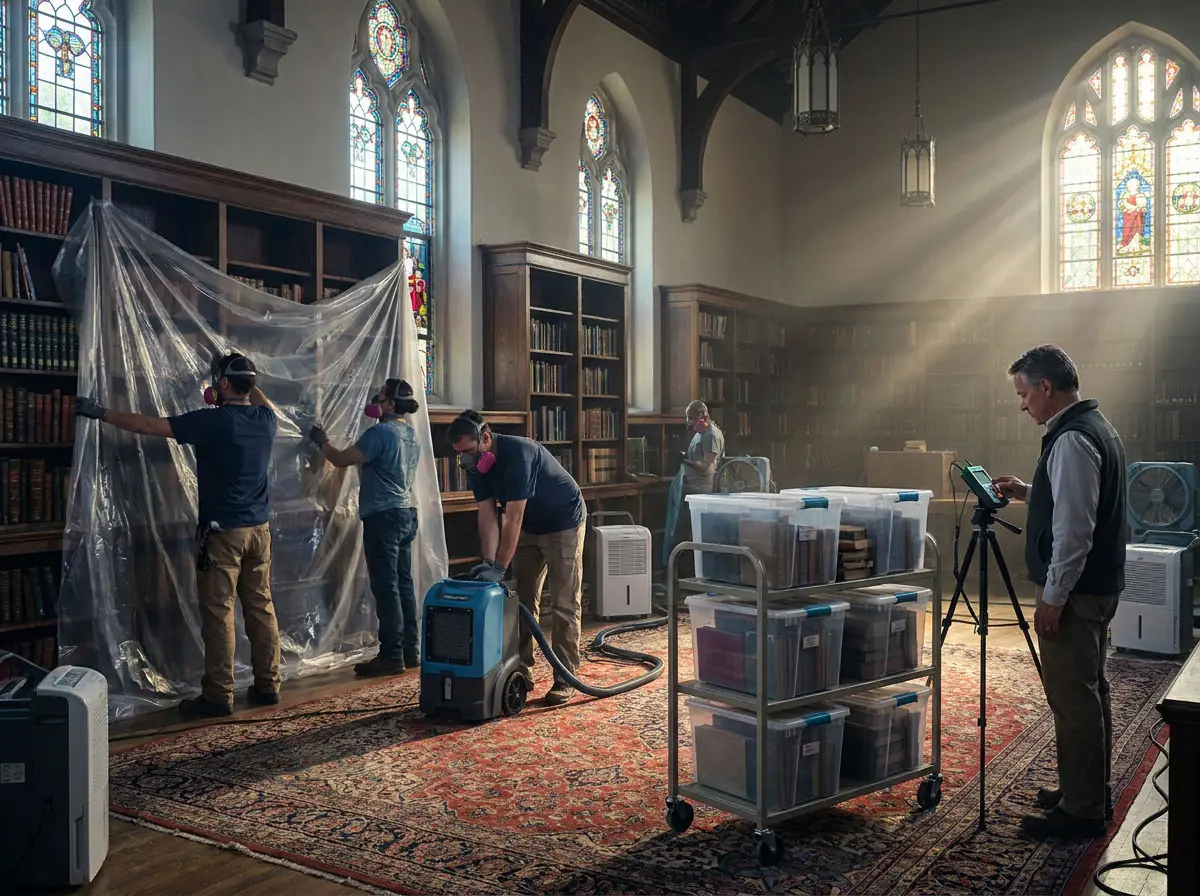
Restoring a Historic Greenville Residence: A Case Study in Sewage Mitigation
Historic homes in Greenville offer unmatched charm, but their aged infrastructure creates unique traps during a sewage disaster. We recently managed a project in the historic district where a homeowner tried to scrub raw waste off original heart pine floorboards using standard bleach. The porous wood absorbed the toxins instantly, turning a salvageable floor into a biohazard nightmare that required complete removal.
When dealing with heritage properties, the primary goal is preservation through containment. You cannot treat vintage materials like modern, replaceable plywood. Specialized drying techniques and industrial grade antimicrobial treatments are the only ways to ensure that the structure remains sound without destroying its history.
Key Lessons for Historic Preservation
- Avoid heavy scrubbing, which drives bacteria deeper into the wood grain.
- Prioritize moisture extraction before sanitization to stop the spread.
- Use professional-grade negative air pressure to keep odors from settling into lath and plaster walls.
- Document all original materials before removal for insurance purposes.
If you own an older property, never assume that standard cleanup methods apply. The unique gaps, pier and beam foundations, and original insulation found in Greenville historic homes act as conduits for sewage, spreading the contamination into hidden wall cavities. A professional team knows exactly how to trace these paths to ensure every square inch is fully decontaminated.
Insurance Logistics and How to Avoid Denied Claims
Most homeowners assume a sewage backup is automatically covered by their standard homeowners policy, but that is a dangerous gamble. Insurance companies often hide behind specific exclusions regarding sewer lines or water damage, leaving you to pay the entire bill out of pocket if you fail to document the crisis correctly.
The moment you discover the mess, your documentation phase begins. Failing to capture evidence can be the single biggest reason for a denied claim. Before you move a single item, follow these steps to protect your financial interests:
- Take high resolution photos and videos of every affected area before the cleanup crew arrives.
- Do not dispose of any damaged items, such as carpet remnants or furniture, until your adjuster has seen them.
- Request a detailed, itemized invoice from your restoration company that distinguishes between emergency mitigation and permanent repairs.
Remember that your insurance provider is looking for any reason to reduce their liability. If you perform unauthorized repairs or hire an unlicensed contractor, you risk voiding your coverage entirely. Always insist on a certified professional who is experienced in dealing directly with insurance adjusters in Pitt County to ensure the scope of work is fully documented and approved before the heavy machinery starts rolling.
Final Words
When raw sewage invades your Greenville home, your time is not just money; it is your health. Hesitation creates a perfect environment for pathogens to colonize your subflooring and insulation.
If you suspect a failure in your main sewer line, do not wait for the smell to get worse. Get a professional Sewage Backup Cleanup team on site before the contamination spreads into your HVAC ducts or structural framing.
Protecting Your Next Move
You can stop the bleeding by following these rules before our team arrives:
- Turn off the main water supply immediately to stop the flow.
- Avoid touching any standing water with your bare skin.
- Do not run the dishwasher or washing machine.
- Keep children and pets completely out of the affected rooms.
Remember that a clean-looking surface does not mean a sanitary home. Microscopic bacteria can survive for months inside porous materials if not treated with industrial-grade antimicrobial agents.
Trust experts who carry the right certification to handle biohazards in Pitt County. Choosing the wrong path now will only lead to recurring mold issues and expensive demolition later.
People Also Ask
Is sewage backup in Greenville considered a biohazard?
Yes, sewage water is classified as Category 3 water, which contains pathogenic agents that pose severe health risks. It is essential to treat any raw sewage intrusion as a serious biohazard requiring professional intervention.Why should I avoid cleaning a sewage backup myself?
DIY cleaning often fails to remove invisible contaminants that penetrate porous surfaces like drywall and flooring. This ineffective cleaning leads to long term mold growth and permanent structural damage to your Greenville home.Does homeowners insurance cover sewage damage in Pitt County?
Coverage depends entirely on your specific policy, as many standard plans exclude water damage caused by sewer backups unless you have added a specific rider. You must consult your policy documents or contact your provider immediately to confirm your coverage details.How do I identify if I have a sewer line issue?
Common warning signs include multiple clogged drains, foul odors emanating from pipes, and gurgling sounds in your plumbing fixtures. You can learn more about managing these risks by reviewing the guidelines provided by the EPA for maintaining your home drainage systems.What immediate steps should I take during a sewage backup?
Turn off your main water supply if possible and keep all family members and pets away from the affected area to prevent contact with contaminated water. Avoid touching anything in the room until professional restoration experts arrive to assess the site safely.Need Water Damage Restoration Services?
We provide rapid water damage restoration to restore your property to its original condition. Our team responds immediately to mitigate damage across Greenville and surrounding communities (27834, 27858, 27835, 27804).
Request Price Estimate