


⚡ TL;DR: This guide explains how to identify moisture, select durable materials, and determine when to hire professionals for effective drywall water damage repair in the Goodyear desert climate.
📋 What You’ll Learn
Discover the most effective strategies for identifying, addressing, and repairing drywall water damage within Goodyear homes, ensuring your property remains protected against our region's unique and demanding desert climate conditions.
- Identify hidden moisture threats before they compromise your home structural integrity, learning how to spot subtle warning signs like discoloration or soft spots in your walls and ceilings.
- Understand the desert impact on moisture evaporation, explaining why Goodyear dry heat can sometimes mask lingering dampness inside wall cavities and lead to silent, long term mold growth.
- Master repair and restoration techniques by comparing standard drywall options against moisture resistant alternatives designed specifically to withstand the unique environmental pressures found throughout our local community.
- Evaluate when to hire professionals versus attempting a DIY patch job, helping you make informed decisions that prevent costly long term damage and ensure your home remains safe.
📖 Reading time: 7 min
✍️ Author expertise: Goodyear based restoration specialist with fifteen years of experience mitigating local water damage.
You wake up to a soggy ceiling in your Goodyear home, and suddenly, your sanctuary feels like a ticking time bomb. That spreading brown stain isn't just an eyesore; it is a hungry sponge rotting your walls from the inside out.
Most homeowners panic and slap on a coat of paint, hoping the problem vanishes. That is the fastest way to invite toxic mold growth and expensive structural failure into your living room.
Doing it right the first time is cheaper than fixing a disaster twice.
Here is exactly how to stop the decay and restore your walls without losing your mind or your savings.

Identifying Hidden Moisture Before It Becomes a Structural Threat
Moisture is a master of deception. By the time you spot a visible bubble in your paint or a soft spot on your drywall, the water has already claimed its territory behind the surface.
You need to act like a detective to catch these leaks early. If you ignore the signs, you are essentially feeding a slow-motion disaster that compromises the integrity of your home.
Signs Your Walls Are Hiding Water
- Musty, damp odors lingering in specific corners of a room.
- Peeling wallpaper or bubbling paint that feels spongy to the touch.
- Visible water rings or darkened discoloration near baseboards or ceiling joints.
- Unexplained increases in your monthly water bill.
The most effective way to catch this before it gets expensive is to invest in a moisture meter. These handheld devices are affordable and give you an instant reading of the water content inside your building materials.
Simply press the pins against the drywall in suspected areas. If the digital reading jumps, you have found the source of your misery before it becomes a major demolition project.
Why Goodyear’s Unique Desert Climate Accelerates Drywall Decay
Living in Goodyear means dealing with extreme heat, but that dry air plays a strange trick on water-damaged drywall. When a leak occurs, the intense outside temperature combined with indoor air conditioning creates a pressure cooker effect inside your wall cavities.
Moisture trapped behind your baseboards does not simply air out. Instead, the heat pushes humidity into the porous gypsum core of your drywall, turning solid panels into a breeding ground for hidden decay.
You might think the desert sun will dry things out, but that is a dangerous myth. You are actually looking at a perfect storm for structural issues if the water is not extracted immediately.
The Desert Moisture Trap
When moisture settles into your drywall in our climate, the deterioration happens faster than you might expect. The gypsum material acts like a wick, drawing water upward and spreading the damage far beyond the original leak point.
- Thermal Expansion: High desert temperatures cause materials to expand and contract, opening tiny fissures in your walls.
- Trapped Humidity: Once water enters, the seal between your insulation and drywall prevents evaporation.
- Microbial Growth: The shift from intense heat to cooled, recirculated air creates condensation behind your paint, fueling mold spores before you even see a single stain.
Ignoring even a small spot leads to crumbly, soft boards that lose all structural integrity. This is not just a cosmetic issue; it is a rapid breakdown of your home's foundation walls that requires immediate intervention to stop the spread.

Essential Safety Protocols and Tools for Professional Water Extraction
When you start tearing into wet walls, you are not just dealing with soggy paper. You are likely walking into a hazardous environment teeming with bacteria and trapped gases.
Before moving a single piece of debris, you must protect your health with the right gear. Never attempt extraction without these basics:
- Full face respirators rated for mold spores.
- Nitrile gloves to prevent skin exposure to contaminated water.
- Disposable coveralls to keep your clothes free of pathogens.
- Goggles to guard against airborne dust and debris.
Professional water extraction in Goodyear requires more than a shop vac and a prayer. If the water came from a sewage backup, the site is a biological danger zone that requires industrial-grade containment.
We use high-velocity air movers to force evaporation and dehumidifiers to pull moisture directly from the air. Without these tools, the trapped water will simply migrate to your framing members or subfloor, creating a recurring nightmare that a household fan simply cannot solve.
Stopping the water flow is only the first step. You need a moisture meter to map exactly where the water has traveled behind the drywall panels. If you fail to verify the moisture content, you are just guessing, and guessing is the fastest way to leave a hidden pocket of rot that grows mold for months undetected.
A Comparative Table of Repair Materials: Drywall Grades and Moisture-Resistant Alternatives
When you start replacing water damaged sections, picking the right material determines whether your wall lasts five years or fifty. Standard white board drywall acts like a thirsty sponge in humid conditions, absorbing moisture until it crumbles into a structural liability. You need to choose boards that are engineered to repel water and inhibit fungal growth from the jump.
| Material Type | Moisture Resistance | Best Use Case |
|---|---|---|
| Standard Drywall | None | Dry areas like bedrooms |
| Green Board | Moderate | Bathrooms with high ventilation |
| Purple Board | High | Basements and exterior walls |
| Cement Board | Maximum | Shower surrounds and tiling |
| Glass Mat Panels | Superior | Flood prone areas |
Think of Purple Board as your best line of defense for standard living spaces exposed to moisture. It features a specially treated core and a heavy duty facing that refuses to host mold, even if small amounts of water seep behind the trim. For areas directly touching a foundation or slab, always upgrade to Cement Board to ensure the base remains rock solid.
Selecting the Right Specs
If you are fixing a ceiling, weight is a major factor. Use thinner, lighter boards for overhead work to avoid sagging over time. Always verify these three things before you buy:
- Check for the mold resistance rating printed on the edge of the sheet.
- Ensure the thickness matches your existing wall profile for a flush finish.
- Avoid using standard paper tape in high moisture zones; opt for fiberglass mesh tape instead.
Do not cut corners on material quality just to save a few bucks at the hardware store. Investing in moisture-resistant board now prevents a repeat performance of the water damage you are currently fighting. It is the cheapest insurance policy you can buy for your drywall integrity.
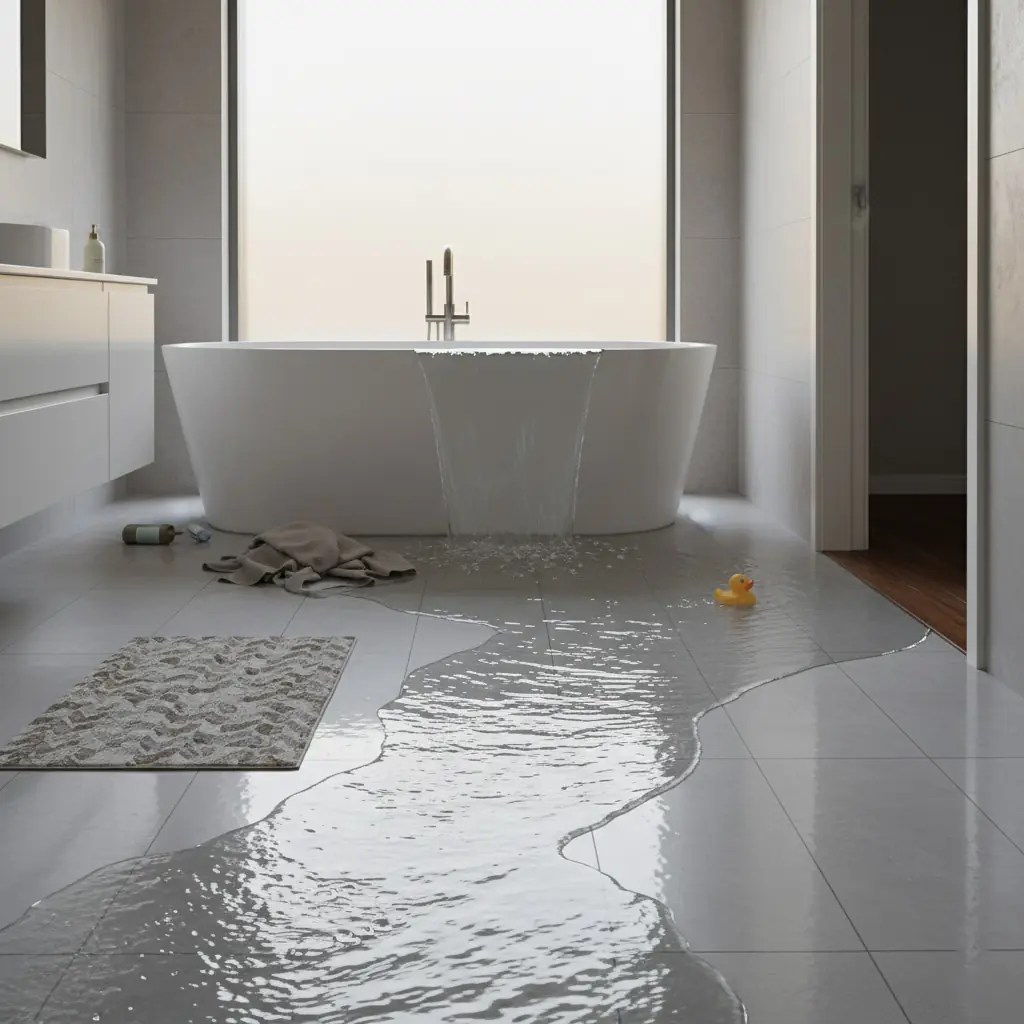
Restoring a Goodyear Living Room: A Case Study in Precision Water Damage Remediation
Last month, we visited a home near Estrella Mountain where a slow pipe leak behind a living room wall went unnoticed for weeks. The drywall acted like a wick, drawing moisture upward and creating a vertical path of decay that compromised the framing members.
When our team arrived, the baseboards were already buckling and the drywall felt spongy to the touch. We did not just patch the surface; we performed a surgical extraction to save the rest of the wall.
The Remediation Workflow
- First, we removed the saturated drywall sections to expose the wet wooden studs.
- Next, we applied industrial grade antimicrobial treatments to stop mold spores before they could take root in the dry desert air.
- Finally, we installed high velocity air movers to force moisture out of the building materials, ensuring the cavity was bone dry before closing it up.
Precision is the difference between a permanent fix and a recurring nightmare. By addressing the root cause, we prevented the need for expensive secondary repairs and stopped the structural rot dead in its tracks.
The Professional Advantage: When to Call Experts vs. Simple Patch Jobs
Most DIY projects start with good intentions but often end with a hidden mold colony behind your fresh coat of paint. If the water damage is confined to a tiny area from a stray nail hole or a minor scuff, a simple patch kit might hold up. However, once moisture penetrates the paper backing of your drywall, the integrity of the material is compromised for good.
You need to call a professional restoration crew if you notice any of these red flags:
- The drywall feels soft or spongy to the touch.
- You detect a musty, earthy odor that won't go away.
- The moisture covers an area larger than a standard sheet of paper.
- The source of the leak is inside a wall cavity or involves plumbing lines.
Expert restoration involves more than just swapping out boards; it requires industrial-grade dehumidification and thermal imaging to ensure the internal studs are bone dry before new materials go up. Skipping these steps is a gamble you will eventually lose. Professionals identify the source, stop the moisture in its tracks, and ensure your home stays a safe space instead of a breeding ground for health hazards.
Final Words
Your home is likely your biggest investment, and water damage does not respect your bank account. Waiting for the walls to dry on their own is a gamble you will lose every time in the Arizona heat.
If you suspect moisture is trapped behind your drywall, stop guessing. Professional intervention is the only way to ensure your property remains a safe place to live.
For those ready to address the issue head-on, our team specializes in expert Drywall Water Damage Repair across the Goodyear area. We stop the rot before it forces a total remodel.
Three Golden Rules for Drywall Recovery
- Cut the power: If water is near electrical outlets, shut off the breaker immediately to prevent shocks.
- Act within 48 hours: Mold spores love the warmth of our desert climate and start colonizing quickly once dampness settles in.
- Document everything: Take clear photos for your insurance provider before you begin moving items or tearing out damaged segments.
Remember that a small patch job often masks a much larger structural catastrophe. Don't let a minor leak become the reason you have to replace your entire wall system.
Keep your home solid, dry, and protected. We are here to handle the heavy lifting so you can get back to your life without the stress of hidden decay.
People Also Ask
How long does it take for mold to grow on wet drywall in Goodyear homes?
Mold can begin to colonize damp drywall within 24 to 48 hours if the moisture is not addressed. Given the humidity fluctuations in Goodyear, keeping your home environment dry is essential to preventing rapid fungal growth.Is it safe to repair water damaged drywall myself?
Small, localized patches can often be handled by homeowners, but deep structural water damage usually requires professional tools. According to the EPA guidelines, extensive moisture must be remediated properly to ensure that hazardous mold spores do not spread throughout your ventilation system.Does homeowners insurance cover water damaged drywall in Goodyear?
Coverage depends entirely on the source of the water damage and your specific policy details. Sudden and accidental leaks are typically covered, but damage resulting from long term neglect or lack of maintenance is usually excluded from your plan.What are the signs of hidden drywall water damage?
Look for visible signs such as bubbling paint, wallpaper peeling, or a persistent musty odor in your rooms. Even if the surface looks dry, soft spots in the wall or sudden warping suggest that moisture has compromised the structural integrity behind the drywall.Why is Goodyear tap water quality relevant to water damage?
High mineral content in local water supplies can leave behind stubborn deposits or white efflorescence once the area dries. These minerals can degrade building materials faster, making it important to use professional cleaning agents during the restoration process to ensure long term surface health.Need Water Damage Restoration Services?
We provide rapid emergency response to restore your Goodyear home or business after water damage. Our team secures your property quickly to prevent further structural issues and ensure a prompt return to normalcy (85338, 85395, 85340, 85326).
Request Custom Estimate