


⚡ TL;DR: This guide helps Garden Grove residents manage hardwood floor water damage by providing essential mitigation steps, professional drying techniques, and expert advice on restoring your home floors effectively.
📋 What You’ll Learn
Discover how to protect your beautiful hardwood floors from moisture damage in Garden Grove. This guide provides actionable steps to stop water absorption, prevent warping, and restore your home’s flooring value.
- Take immediate steps to mitigate water by stopping active leaks and removing surface moisture quickly to prevent your hardwood planks from cupping or permanent structural wood fiber damage.
- Understand local Garden Grove humidity impacts on floor health and why our specific coastal climate makes professional moisture extraction essential for preventing mold growth beneath your finished floorboards.
- Compare professional versus DIY equipment to see why industrial grade dehumidifiers provide the necessary airflow and drying pressure required to fully save subfloors after a major water spill.
- Follow our floor integrity checklist to accurately evaluate whether your hardwood can be successfully refinished or if sections must be replaced to maintain safety and long term stability.
📖 Reading time: 7 min
✍️ Author expertise: Certified water damage restoration expert serving Garden Grove homes with decades of field experience.
You walk into your living room on a quiet Tuesday morning, only to feel that sickening, squishy give beneath your feet. A pipe burst while you were at work, and now your beautiful hardwood floors are bowing, darkening, and holding onto enough moisture to sink a small ship.
Most homeowners in Garden Grove panic the second they spot cupping or warping, assuming the wood is destined for the dumpster. They call a contractor who immediately quotes them a full replacement, costing thousands of dollars and turning their home into a dusty, empty construction site for weeks.
The truth is that you can often save those floors if you act with surgical precision during these first few hours. Here is how to stop the decay and protect your investment before the damage becomes permanent.

Immediate Mitigation Steps to Stop Moisture Absorption
The moment you discover water on your hardwoods, time becomes your greatest enemy. Wood acts like a sponge, drawing moisture into its fibers and expanding until it literally forces itself out of place.
You must stop the source of the water immediately. Shut off the main water valve if a pipe burst, or clear the standing liquid with a wet-vac or towels.
Speed is the only thing standing between a simple fix and a total floor replacement. Do not wait for the water to soak through the finish and into the subfloor.
Follow these steps to stabilize the area before the damage deepens:
- Clear all furniture and rugs off the wet area to increase airflow.
- Use a squeegee or shop vacuum to pull water out of the seams between boards.
- Point high-velocity fans directly at the floor to start surface evaporation.
- Keep the room temperature steady, as extreme heat can actually crack the wood.
Avoid the temptation to crank up the heater to 90 degrees. Rapid drying causes the wood to contract too quickly, leading to permanent splits and cracks that ruin the aesthetic of your home.
Focus on moving air across the surface instead. By keeping the humidity levels low and the air moving, you pull trapped moisture out of the grain before it causes irreversible warping.
Why Garden Grove Humidity Levels Make Speed Essential
Living here in Garden Grove, we deal with a specific set of climate challenges that turn a minor spill into a major disaster. Our proximity to the coast means the ambient air is already heavy with moisture; when your floors get soaked, they simply cannot vent that water naturally.
In most parts of the country, wood might dry out on its own if you leave a window cracked. Here, the air is frequently too saturated to accept more moisture from your flooring. If you wait even twenty four hours, you are essentially asking your home to act as a giant sponge, trapping dampness deep within the subfloor and joists.
Because the air is fighting you, the wood fibers stay swollen for much longer than they should. This creates the perfect breeding ground for mold and mildew to take hold before you even realize the damage is permanent. You are not just fighting the water from the pipe; you are battling the local atmosphere itself.
The Danger of Lingering Dampness
When moisture remains trapped inside the wood planks, the physical structure of the floor begins to shift. You need to understand how these environmental factors dictate the timeline for a successful rescue:
- High Vapor Pressure: The humid Garden Grove air prevents the wood from releasing moisture, forcing the water downward into your concrete slab or floor joists.
- Microbial Growth: Mold spores love the combination of cellulose-rich wood and our coastal humidity; they can start colonizing in as little as 48 hours.
- Structural Compromise: Once the wood reaches a certain moisture content, the cell walls collapse, meaning even if it looks dry later, the wood will remain soft and prone to future damage.
Taking immediate action is the only way to bypass these environmental traps. If you leave the water to sit, the natural humidity levels act as a barrier to evaporation. Professional intervention is necessary to force that moisture out before your hardwood becomes a permanent casualty of the climate.
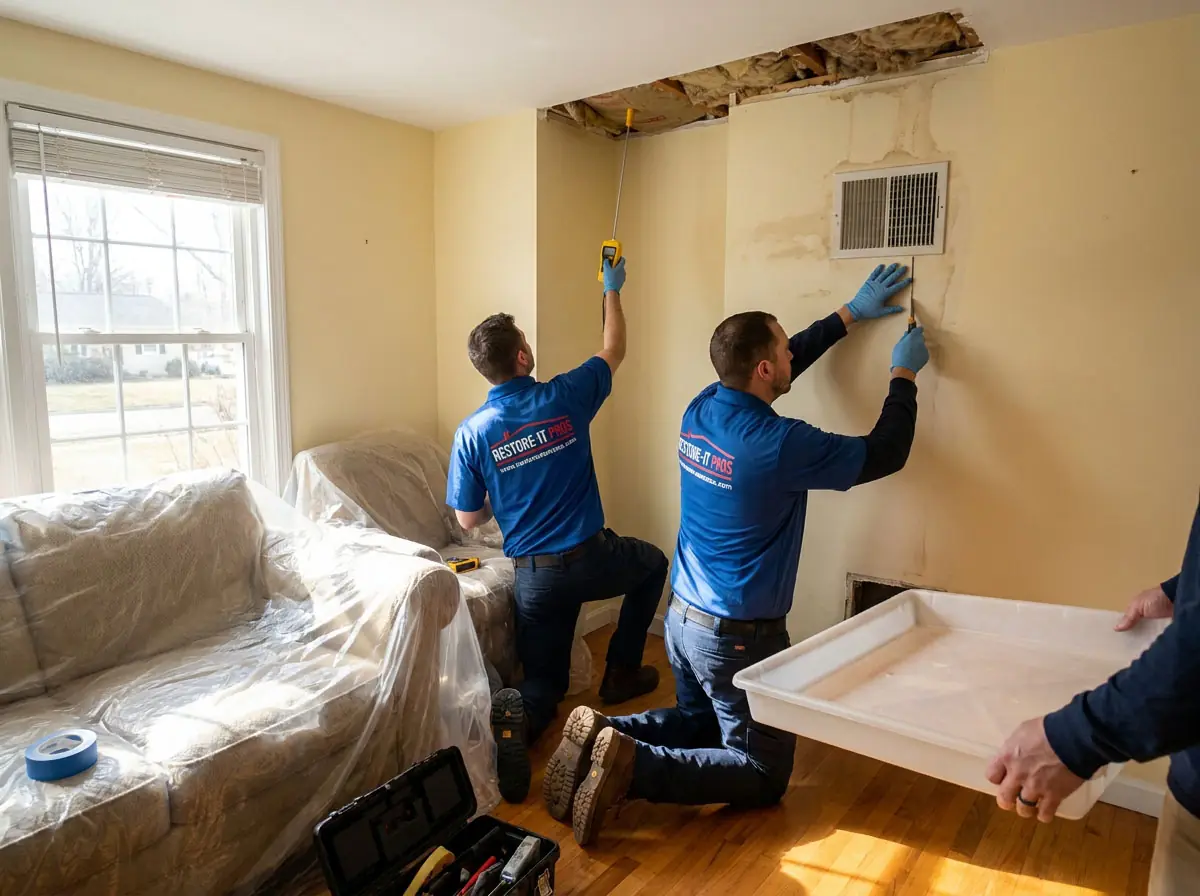
Professional Dehumidification Versus Consumer-Grade Equipment
Hardware store dehumidifiers are fine for a damp basement, but they are glorified toys when facing a water-logged hardwood floor. These machines rely on basic cooling coils that struggle to pull moisture from deep within the wood grain, often leaving behind a hidden reservoir of trapped dampness.
In contrast, industrial-grade low-grain refrigerant (LGR) dehumidifiers are precision instruments built for a single purpose. They strip moisture out of the air at a molecular level, creating a dry environment that forces the water to evaporate out of the wood faster than it can cause rot or permanent warping.
Why Professional Power Matters
- Deep Extraction: Commercial units move massive volumes of air, pulling moisture from beneath subfloors where consumer models never reach.
- Climate Control: Our machines maintain the specific vapor pressure needed to dry wood without causing it to crack from over-drying.
- Rapid Results: Time is your enemy, and these units cut the drying window from weeks down to a matter of days.
When you rely on standard equipment, you are merely scratching the surface while the wood cells continue to swell and break down. Professional restoration relies on a calculated balance of air movement and humidity control that prevents the mold growth that so often hides underneath DIY fixes.
Evaluating Your Damage: A Checklist Table for Floor Integrity
Not every warped board needs to be ripped out. You need to look past the surface and assess the structural health of your flooring to see if a professional drying system can reverse the effects.
Use this assessment guide to gauge whether your floors are candidates for restoration or if the saturation has crossed the point of no return.
| Indicator | Condition | Status |
|---|---|---|
| Cupping | Mild, edges slightly raised | Saveable |
| Crowning | Center raised above edges | Critical |
| Mold Growth | Visible black or green spots | Replacement |
| Delamination | Layers peeling apart | Replacement |
| Moisture Content | Over 20% on meter | Professional Help Needed |
If you see cupping, the wood has absorbed moisture and expanded. This is often reversible if you catch it before the wood fibers lose their elasticity.
However, if the boards show crowning, it means the wood was sanded while still wet or the moisture has been trapped for too long. In these cases, the structural integrity is compromised, and trying to save them usually leads to future failure.
Key Inspection Red Flags
- Check for a musty odor; this is a clear sign that mold is growing underneath the subfloor.
- Press firmly on the planks. If they feel soft or spongy, the rot has likely reached the wood fibers.
- Look for darkening or discoloration near the baseboards, which indicates moisture has traveled into the wall cavities.
Always use a moisture meter to get a real reading rather than just guessing by touch. If the readings are significantly higher than the ambient humidity in your home, you have a trapped moisture problem that needs an immediate industrial vacuum extraction.
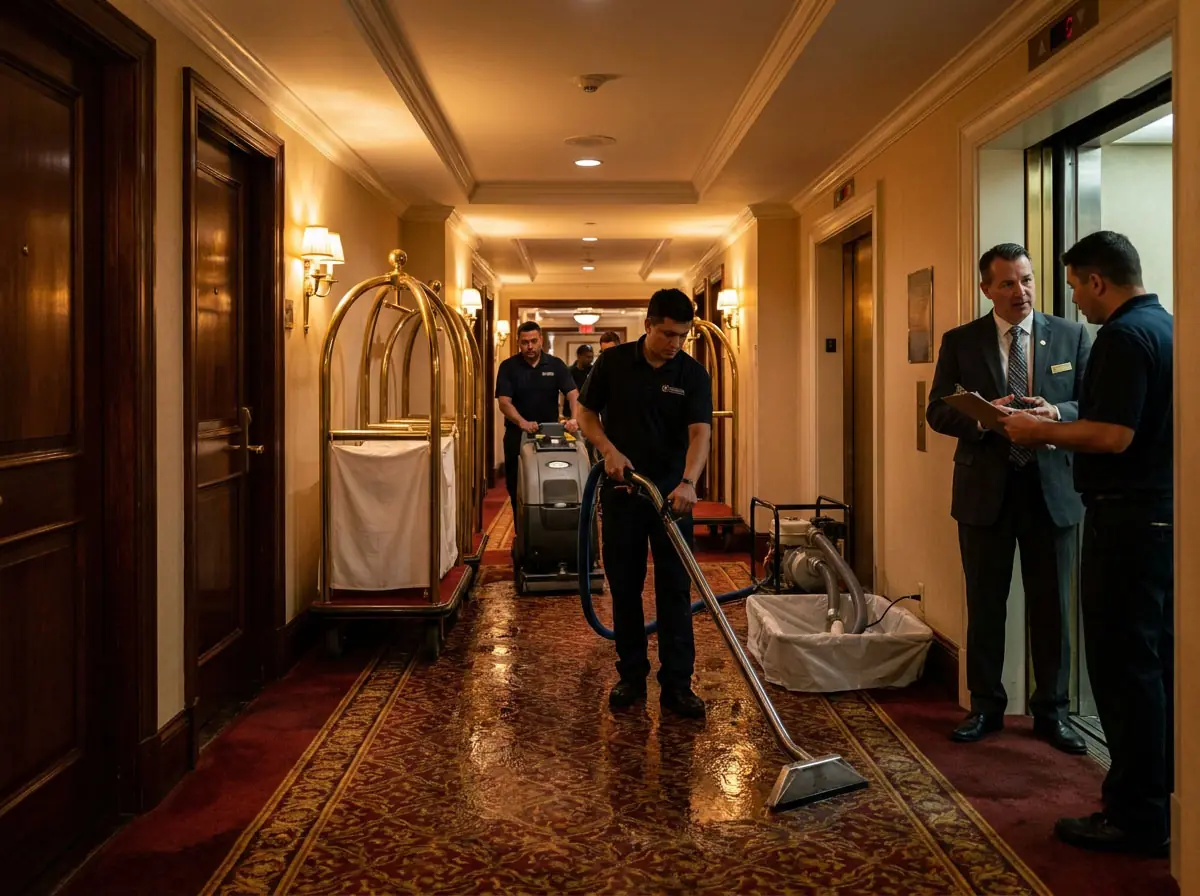
Real-World Recovery: A Garden Grove Case Study in Floor Restoration
We recently handled a distress call in a Garden Grove home near the historic district where a faulty dishwasher line flooded the kitchen and dining area. The oak planks were visibly cupping, and the homeowners were ready to write a check for a full tear-out and replace job.
Instead of ripping everything up, we deployed a high-velocity drying system specifically designed to target the subfloor and the core of the hardwood. By creating a controlled environment, we prevented the wood from snapping and allowed it to shed moisture slowly without further warping.
The results spoke for themselves. Here is what we accomplished during the three day restoration process:
- Stopped the progression of mold growth within the first six hours.
- Maintained structural integrity by avoiding aggressive, premature sanding.
- Saved the homeowner nearly 70 percent compared to the cost of installing new flooring.
It turns out that patience is the ultimate restoration tool. Rather than forcing the wood back into place, we worked with the moisture content levels until the floor settled naturally. The family kept their original character-rich oak, and today, you cannot even tell a water leak ever happened.
Refinishing and Sanding: Bringing Back the Original Aesthetic
Once your floor moisture content hits a stable, industry-standard level, you might notice that the wood looks a bit tired or scarred from the drying process. This is the moment to move from emergency mode into aesthetic restoration. We use professional-grade drum sanders to remove the top layer of damaged finish, which effectively erases minor cupping and those unsightly water stains that ruined your floor's glow.
Think of this as hitting the reset button on your home's character. By stripping away the old, compromised varnish, we reach the healthy raw grain beneath. From there, the floor can be stained to match your current decor or sealed with a high-durability finish that guards against future household spills.
Key Steps in the Refinishing Process
- Deep Sanding: Removing the top layer of polyurethane and wood fibers that held the moisture.
- Grain Opening: Ensuring the wood is ready to absorb new color evenly without blotchiness.
- Sealing: Applying a protective coat that locks out surface moisture for years to come.
It is important to remember that this process requires a delicate touch. If you rush the sanding before the floor is truly dry, you will essentially be grinding moisture deeper into the wood. Trust a professional to test the subfloor humidity one final time before the sander ever touches the planks. When done correctly, your floors won't just look good; they will look brand new.
Final Words
Time is the silent predator of your flooring. If you wait, the wood fibers will continue to swell until the cellular structure breaks down beyond repair.
Do not let your home fall victim to permanent warping. Reach out to our team of specialists if you need an immediate assessment for Hardwood Floor Water Damage.
Remember that professional intervention is usually cheaper than a full floor replacement. Stop the rot before it forces a costly renovation project.
Key Priorities for Restoration
- Cut the water source immediately to stop the flooding.
- Extract standing water before it settles into the subfloor.
- Contact local experts who understand how Garden Grove moisture affects timber.
You have invested a lot in your property. Do not sacrifice your beautiful floors just because you hesitated during the critical first phase of a leak.
People Also Ask
Can hardwood floors be saved after water damage?
Yes, hardwood floors can often be salvaged if treated immediately by professionals. The success of the restoration depends heavily on how quickly moisture is extracted and how long the wood has been exposed to standing water.Does humidity in Garden Grove affect hardwood floor restoration?
High humidity levels can significantly slow the drying process for water damaged materials. In our coastal climate, specialized industrial dehumidifiers are required to ensure the wood reaches equilibrium moisture content without warping or cupping.How do I know if my hardwood floor needs to be replaced?
You should look for signs of permanent damage such as severe buckling, mold growth, or soft spots in the wood fibers. According to the environmental agency, identifying persistent moisture is the first step to determining if materials can be safely dried or must be removed.How long does the professional floor drying process take?
The timeframe typically ranges from three to seven days depending on the severity of the saturation and the wood species. Professionals use moisture meters to confirm that the subfloor and the hardwood are within safe dry standards before completing the project.Is it better to hire a professional for floor water damage?
Professional restoration is essential because consumer grade equipment often fails to reach the moisture trapped beneath the floorboards. Expert intervention prevents long term structural issues and helps avoid costly mold remediation expenses down the road.Need Water Damage Restoration Services?
We provide rapid water damage restoration to stabilize your property and prevent further structural issues in Garden Grove and surrounding areas (92840, 92841, 92843, 92845). Our team delivers immediate water extraction and drying services to restore your home or business to a safe, pre-loss condition.
Request Custom Estimate