


⚡ TL;DR: This comprehensive guide teaches Fort Collins residents how to identify, mitigate, and repair ceiling water damage while offering practical tips to prevent future roof leaks and structural issues.
📋 What You’ll Learn
Discover how to navigate ceiling water damage in the unique Northern Colorado climate, ensuring your home remains safe and dry through every seasonal weather challenge our local area brings our way.
- Identify hidden leak sources by evaluating common culprits like roof issues and plumbing failures that frequently plague homes across the Fort Collins region during our heavy snow seasons.
- Perform immediate emergency mitigation to stop active water intrusion before it compromises your home structure, prevents mold growth, and causes expensive interior damage to your drywall and insulation.
- Recognize dangerous structural warning signs so you can effectively prioritize safety and determine exactly when it is time to call in professional local remediation crews for expert repairs.
- Prevent future water damage recurrence by implementing specific strategies to mitigate ice dams and roof vulnerabilities that specifically affect residential properties throughout the Fort Collins mountain corridor.
📖 Reading time: 7 min
✍️ Author expertise: Fort Collins water damage restoration specialist with decades of field repair experience.
You wake up to the steady, rhythmic drip of water hitting your hardwood floor and realize your ceiling has turned into a sagging, discolored eyesore. That yellow stain isn't just a cosmetic problem; it is a ticking time bomb for mold growth and structural decay that could cost you a fortune if ignored.
Fort Collins winters and sudden storms are brutal on local roofs, and once moisture finds a way inside, it does not wait for a convenient time to start rotting your joists. Whether it is a leaky pipe or an ice dam causing the chaos, acting fast is the only way to save your home from becoming a total loss.
If you want to stop the rot before it spreads, keep reading to learn exactly how to handle ceiling damage and get your home back to solid ground.
Identifying the Root Cause of Ceiling Leaks in Northern Colorado
Finding a wet spot on your ceiling is frustrating, but you cannot fix the problem until you pinpoint the source. In Fort Collins, the culprit is often hiding somewhere other than where the water appears.
Water follows the path of least resistance, often traveling along rafters or electrical wiring before finally soaking through your drywall. It might drip in your kitchen while the actual breach is happening six feet away on the roof.
Before you patch the plaster, look for these common troublemakers in our local climate:
- Ice Dams: These occur when heat escapes your attic, melts snow on the roof, and creates a wall of ice that forces water back under your shingles.
- Roof Flashing Failures: High winds in the foothills can loosen the metal seals around chimneys, skylights, and vents.
- Plumbing Leaks: A pinhole leak in an upstairs bathroom pipe often stays hidden until the ceiling material is fully saturated.
- Condensation Issues: If your attic lacks proper ventilation, moisture builds up and drips down, mimicking a roof leak during cold snaps.
Take a trip to the attic with a high-powered flashlight. Look for water trails, dark staining on the insulation, or even light shining through holes in the roof deck.
If the insulation is damp, you have found your culprit. Stop guessing and start investigating, because a quick identification today prevents a massive restoration bill tomorrow.
Step-by-Step Emergency Response for Immediate Water Mitigation
When water begins invading your ceiling, seconds determine the difference between a minor repair and a total home reconstruction. Your first move is to cut the power to the affected room immediately, especially if you see moisture near light fixtures or ceiling fans. Water is a conductor, and you do not want to risk an electrical fire or a lethal shock while trying to fix the problem.
Once the area is safe, you must contain the liquid to stop it from ruining your flooring and lower walls. Grab a bucket, move your furniture, and puncture a small hole in the center of the sagging ceiling if you see a large water bubble. This releases the trapped water and prevents the drywall from collapsing under its own weight.
Immediate Mitigation Checklist
- Clear the zone: Move all rugs, electronics, and personal belongings away from the drip path.
- Stop the source: If you suspect a burst pipe, shut off your home's main water supply valve immediately.
- Contain the spread: Place a sturdy bucket or heavy plastic bin directly under the drip.
- Dry the air: Use a high capacity dehumidifier or set up fans to start removing moisture from the room.
Never rely on towels alone to handle a ceiling leak; they will only hold the moisture against your floorboards and lead to warping. After you have stopped the active flow and cleared the space, call a professional restoration team in Fort Collins to inspect the insulation and joists. Hidden moisture creates a breeding ground for mold that can take root in your walls in less than 48 hours.

Critical Warning Signs of Structural Instability: A Table of Hazards and Indicators
When water saturates your ceiling, the biggest danger isn't the stain, it is the invisible weight pressing down on your home. Drywall and plaster lose their load-bearing capacity rapidly when wet, meaning a seemingly minor leak can transition into a sudden collapse without warning.
| Hazard Indicator | Potential Risk |
|---|---|
| Visible ceiling sagging | Impending collapse or joist failure |
| Cracking or spider-web fractures | Excessive pressure on structural fasteners |
| Buckling plaster | Saturation of underlying wood frame |
| Persistent dripping | Continuous moisture compromise |
You need to keep a sharp eye out for these dangerous red flags while you wait for professional help. If you notice the ceiling material starting to bow or pull away from the joists, you should vacate that room immediately and block off access.
Here are the specific red flags that indicate you are dealing with more than just a surface level issue:
- Deep, wet patches that appear to be stretching or forming a pouch.
- The sound of snapping wood or grinding plaster coming from the attic space.
- Electrical fixtures that are flickering or buzzing due to water proximity.
- Visible warping of the crown molding or wall corners.
Do not attempt to push on the ceiling to see how soft it is, as this can trigger a total failure. Treat any significant deformation as a high-stakes safety concern that requires an immediate inspection from a qualified expert.
Professional Restoration Methods for Drywall and Plaster Repair
When moisture compromises your ceiling, mere patchwork won't save you from future headaches. You must remove all saturated materials to ensure the underlying joists are completely dry and free from mold contamination.
If you leave damp drywall in place, you are practically inviting fungus to colonize your home. Professional restoration follows a strict sequence to guarantee that your property remains safe and structurally sound.
The Restoration Sequence
- Removal: We surgically cut away the damaged section to expose the source of the leak.
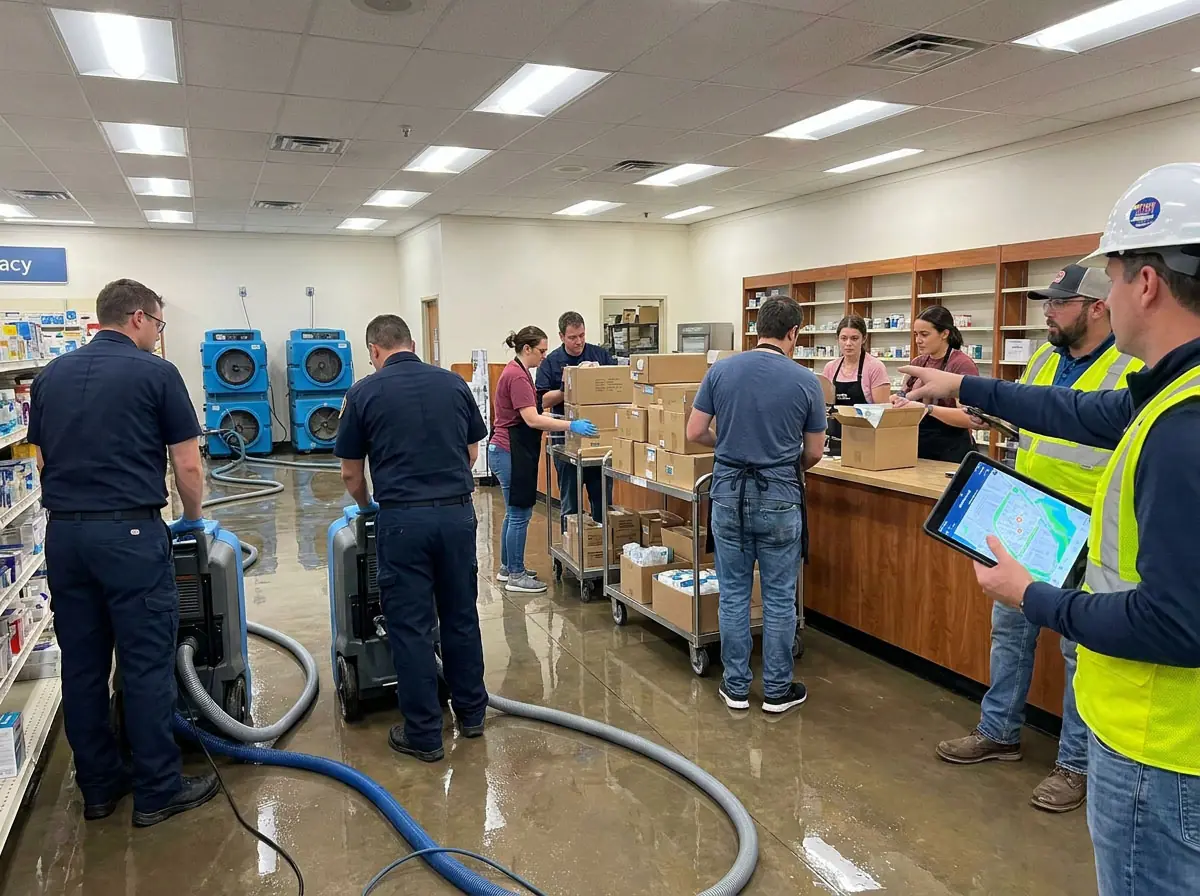
- Dehumidification: We place high-grade industrial air movers to suck moisture out of the framing.
- Sanitization: Every square inch of the cavity gets treated with antimicrobial solutions to prevent spores from returning.
- Reconstruction: New moisture-resistant drywall is installed, taped, and textured to match your existing ceiling profile perfectly.
For older homes in areas like Old Town, we often encounter plaster and lath instead of modern drywall. Dealing with plaster requires a delicate touch because it is heavy, brittle, and notoriously difficult to match with modern materials.
Our team utilizes specialized dust containment systems to keep your living space livable during the repair. We verify the moisture content with deep-reaching sensors before we even consider patching the surface, ensuring the hidden rot is gone for good.

Preventing Recurrence: Mitigating Fort Collins Ice Dams and Roof Vulnerabilities
Living in Northern Colorado means battling the relentless freeze thaw cycle that hits our roofs every winter. When snow melts on your roof and refreezes at the cold eaves, you get ice dams that force water directly under your shingles and into your ceilings.
You can stop this cycle before it wreaks havoc on your home. Start by ensuring your attic is properly ventilated and insulated to keep the roof deck at a consistent outdoor temperature.
Consider these proactive steps to harden your roof against our local climate:
- Install heat cables along your roof edges to create drainage paths for melting snow.
- Seal all attic bypasses where warm household air leaks into your ceiling space.
- Clear your gutters of debris each autumn to allow proper water flow during spring melts.
- Inspect your roof flashing for gaps where high winds or ice might push moisture inside.
If your home has a low slope or complex architectural features, it is often more vulnerable to these winter traps. Bringing in a roofing specialist to perform a thermal scan can reveal hidden spots where heat is escaping and melting the snow above your living space.
Taking care of these vulnerabilities now is far cheaper than paying for extensive mold remediation or ceiling reconstruction later. Focus on the roof deck and attic balance, and you will effectively lock moisture out for good.
Restoring a Historic Old Town Fort Collins Property: A Ceiling Damage Case Study
We recently handled a project for a Victorian-era home in Old Town where the owner discovered a massive wet spot in the master bedroom. Because these historic properties feature original lath and plaster, standard drywall patching kits fail immediately.
The moisture migrated from a hidden plumbing joint inside a wall cavity that had been retrofitted decades ago. If you own an older home, you know that hidden infrastructure is rarely up to modern code standards.
Our team had to stabilize the lath before even considering a cosmetic repair. We focused on three main goals to save the historical integrity of the ceiling:
- Removing compromised plaster to prevent mold spores from settling into the antique wood frame.
- Installing custom bracing to support the sagging ceiling perimeter.
- Applying a moisture-resistant bonding agent before the final layer of finish.
Treating a century-old home requires a delicate touch. You cannot just slap some tape over the cracks and call it a day. Respecting the age of the structure while stopping active water damage is the only way to protect the value of your Fort Collins investment.
Final Words
Fixing water damage is rarely about just slapping a fresh coat of paint over a stain. It is about identifying the source, stopping the flow, and ensuring your home remains a safe sanctuary for your family.
Whether you are dealing with a minor leak or a major structural compromise, the clock is your biggest enemy. If you notice persistent moisture, reach out to our team for professional Ceiling Water Damage Repair before the situation turns into a complete renovation project.
Three Golden Rules for Home Protection
- Inspect your attic and crawl spaces after every heavy Fort Collins storm to catch moisture early.
- Never ignore a soft or discolored spot on your drywall, as mold spores take hold in as little as 24 to 48 hours.
- Prioritize roof maintenance during the fall to ensure your home can handle our heavy snow accumulation.
Your home is likely your biggest investment. Treat it with the urgency it deserves by staying proactive and calling in experts the moment things start to go sideways.
People Also Ask
How much does ceiling water damage repair cost in Fort Collins?
Costs vary significantly based on the size of the area and whether the damage is localized or involves structural repairs. Local professionals typically provide custom estimates after inspecting the source of the leak and the extent of material saturation.Does homeowners insurance cover ceiling leaks in Colorado?
Coverage depends on whether the damage was caused by a sudden, accidental event like a burst pipe rather than long term neglect. You should review your specific policy details and consult with the insurance department to understand how Colorado regulations apply to your claim.How do I know if my ceiling leak is an emergency?
You should treat a leak as an emergency if you see sagging drywall, bubbling paint, or active water dripping through electrical fixtures. These indicators suggest the structural integrity is compromised and require immediate professional mitigation to prevent collapse.Can I fix water stained drywall myself?
You can often paint over minor aesthetic stains once the moisture source is completely resolved and the area is dried. However, you must replace the drywall if the material feels soft, exhibits mold growth, or has lost its structural rigidity.Why are ice dams common in Fort Collins winters?
Ice dams occur when heat escapes into your attic and melts snow on the roof, which then refreezes at the cold eaves. This process creates a dam that forces water to back up under your shingles and leak into your ceiling.Need Water Damage Restoration Services?
We provide rapid water damage restoration and structural drying services to restore your property quickly in Fort Collins and surrounding areas (80521, 80524, 80525, 80526, 80528). Our team eliminates moisture and prevents further damage to get your home or business back to normal conditions immediately.
Request Price Estimate