


⚡ TL;DR: This guide helps Fayetteville homeowners identify moisture sources and provides actionable steps for effective crawl space water removal to protect their property from lasting structural foundation damage.
📋 What You’ll Learn
Fayetteville residents face unique challenges with humidity and groundwater. This guide empowers you to identify signs of crawl space moisture, prevent structural decay, and restore your home’s sub-floor health today.
- Identify early warning signs by performing a visual inspection to spot standing water, mold growth, or insulation issues before they compromise the structural integrity of your property foundation.
- Understand local climate factors that drive moisture buildup in North Carolina homes, allowing you to recognize how regional humidity patterns impact your crawl space throughout different seasonal cycles.
- Pinpoint common water sources that frequently plague local foundations, including improper site grading, damaged vapor barriers, and external drainage issues that require immediate professional attention to fix properly.
- Master effective restoration steps required to permanently dry your environment, ensuring you choose the right mitigation techniques to keep your Fayetteville home safe, healthy, and completely moisture free.
📖 Reading time: 7 min
✍️ Author expertise: Fayetteville water damage expert with fifteen years of local residential restoration field experience.
You bought a home in Fayetteville to build a future, not to host a silent, slow-motion disaster happening right beneath your floorboards. While you sleep soundly upstairs, standing water in your crawl space is rotting your joists, inviting toxic mold, and ruining your indoor air quality.
Most homeowners don't realize their property is under attack until the smell hits them or the humidity spikes out of control. By then, the damage has already cost you thousands in repairs.
You don't need to rip up your floors to know if you have a crisis waiting for you. Check these specific trouble spots today to see if your home is hiding a dangerous moisture problem.

Fayetteville’s Climate and Your Crawl Space: Why Moisture Escalates Fast
Fayetteville sits in a humid subtropical zone where the air is often thick with moisture. When you combine our frequent afternoon thunderstorms with the natural topography of the Cape Fear region, your crawl space becomes a high-risk zone for standing water.
It is not just about the rain falling from the sky. The soil composition in our area often holds onto water for days, pushing dampness directly against your foundation walls through hydrostatic pressure.
This creates a perfect storm for your home:
- High Humidity: Warm, muggy air enters through vents and condenses on your cool wooden sub-floor.
- Ground Saturation: Fayetteville clay soils expand when wet, forcing moisture into every micro-crack in your foundation.
- Poor Drainage: Improper grading around your property lines channels water directly toward the footprint of your house.
Once that water settles under your home, it does not just evaporate. It traps a layer of stagnant moisture against your structural timber, which acts like a sponge. This trapped vapor is the primary catalyst for wood rot and the rapid spread of airborne mold spores that eventually find their way into your living room.
Routine Inspection: Visual Cues of Hidden Water Damage Under Your Home
You do not need a degree in engineering to spot the early warning signs of a failing crawl space. Grab a flashlight and head to the perimeter of your foundation, paying close attention to the vents and the ground beneath your floor joists.
Look for these telltale indicators that moisture is actively compromising your home:
- White, chalky substance on masonry walls, which signals efflorescence and persistent moisture migration.
- Sagging or uneven floors in the rooms directly above the crawl space.
- Condensation buildup on cold metal pipes or ductwork hanging in the sub-floor area.
- Damp, dark patches on the soil surface that refuse to dry even after several days of clear Fayetteville sunshine.
Pay special attention to the wooden components holding up your house. If the wood feels soft to the touch or crumbles when you press it with a screwdriver, you have already moved past simple humidity issues and into the territory of structural rot. Do not ignore these soft spots. That wood is the skeleton of your investment, and it is currently losing its integrity.
Musty odors that seem to drift up through your floor registers are another massive red flag. If your home has that damp, earthy smell that never quite goes away, mold spores are likely feeding on the organic materials beneath your feet. Air quality inside your living room is tied directly to the air quality under your home, and that is a reality you cannot afford to overlook.
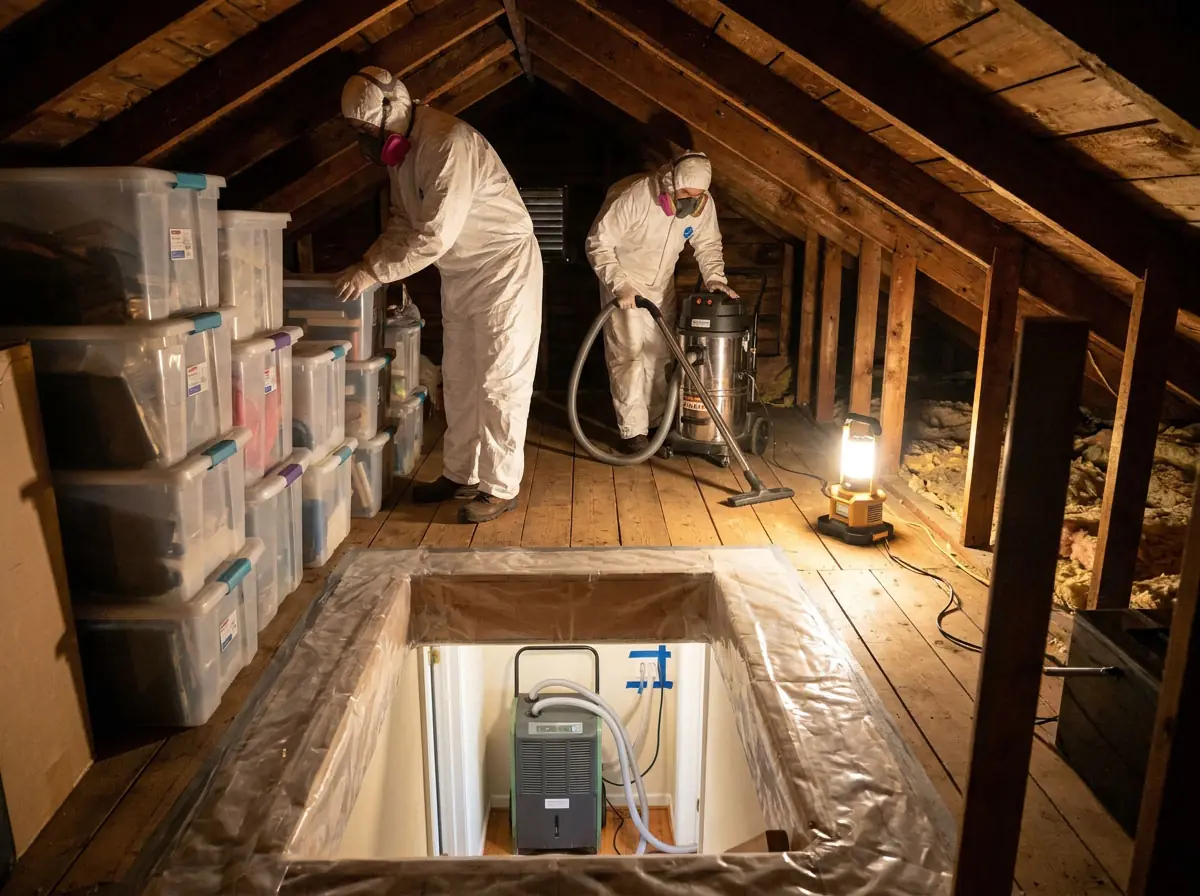
Common Sources of Crawl Space Intrusion in North Carolina Homes
Fayetteville weather can be unforgiving, but the water beneath your home often arrives through specific, predictable failure points. If you want to stop the rot, you need to identify exactly where the moisture is winning the war against your foundation.
Most infiltration happens because the local clay-heavy soil prevents proper drainage, forcing water to pool against your foundation walls. Once the soil reaches its saturation point, it looks for the easiest path inside, which is usually right through your vents or mortar joints.
Check these common culprits to see where your defenses are failing:
- Damaged Vapor Barriers: Rips or missing plastic sheets allow ground moisture to evaporate directly into your floor joists.
- Gutter Downspout Failures: When extensions don't push water at least six feet away from the home, they dump gallons of roof runoff directly against your crawl space walls.
- Compromised Foundation Vents: Open or rusted vents during humid summer months act as magnets for condensation as warm air hits your cool subfloor.
- Grading Issues: If the dirt around your perimeter slopes toward the house, gravity is working against you every time it rains.
Beyond external issues, internal plumbing leaks are the silent killers that homeowners ignore until the floorboards start to buckle. A single pinhole leak in a supply line can keep your crawl space in a perpetual state of swamp-like conditions, fueling mold growth and attracting pests. Inspect your pipe insulation today; if it is dripping, wet, or drooping, you have found the source of your misery.
Priority Warning Signs: A Comparison Table for Homeowners
You might think a little moisture under the house is normal, but standing water is a ticking time bomb. This table breaks down exactly when you need to stop guessing and start calling for professional help.
| Sign | Status | Action Required |
|---|---|---|
| Musty odors in home | Immediate | Schedule inspection |
| Visible white mold | Urgent | Professional removal |
| Soft wood floorboards | Critical | Structural assessment |
| Condensation on ducts | Caution | Check humidity levels |
When you head down there with your flashlight, look past the obvious puddles. You are hunting for subtle clues that prove your crawl space is failing to protect your investment.
Keep your eyes peeled for these specific red flags:
- Dark, damp patches on the underside of your floor joists.
- Rust appearing on metal hardware or furnace equipment.
- Pests like crickets or silverfish congregating in corners.
- Insulation that hangs low, is heavy, or feels wet to the touch.
If you see dark staining on the wood, it often means the moisture has been recurring for a long time. Do not touch this with your bare hands, as mold spores can release into the air and travel straight up into your living room.
If your wooden joists feel spongy or soft when you press a screwdriver into them, the decay has already started. This is not just a cleaning job; it is a structural emergency that requires immediate intervention before your floors start to sag.

Case Study: Mitigating Severe Structural Decay in a Local Fayetteville Property
Last winter, we received a distress call from a homeowner in the Haymount area who noticed their hardwood floors were bowing in the hallway. When our technicians crawled underneath, they discovered that years of slow seepage had transformed the subfloor into a soft, sponge-like mess.
The joists were so compromised that a screwdriver could sink into the wood with almost zero resistance. We had to perform an emergency structural shoring project to prevent a floor collapse while simultaneously extracting gallons of stagnant moisture trapped against the foundation.
Here is what that restoration process looked like:
- The removal of water-logged, mold-infested insulation that acted like a wet blanket against the floor joists.
- Application of specialized antimicrobial treatments to stop the rapid spread of fungal growth.
- Installation of heavy-duty vapor barriers to seal out rising damp from the soil.
- Strategic structural reinforcement to restore the load-bearing integrity of the home.
This situation was entirely preventable if the owner had spotted the signs just six months earlier. Instead of a simple dehumidifier installation, they faced a complex repair bill that disrupted their entire living space. Don't wait until your floors start to wave at you; the damage happens silently long before the visual symptoms appear.
Essential Restoration Steps to Permanently Dry Your Sub-Floor Environment
Stopping moisture at the source is the only way to protect your Fayetteville home from structural collapse. If you have discovered standing water, you must act before the wood rot spreads to your primary load-bearing joists.
Start by extracting the liquid water using professional-grade sump pumps or wet vacuums. Once the surface water is gone, you need to address the high humidity levels that remain trapped in the dark, stagnant air.
Here are the non-negotiable steps to reclaiming your crawl space:
- Clear all debris: Wet insulation and old vapor barriers hold onto moisture like a sponge. Pull them out immediately to allow the soil and sub-floor to breathe.
- Install a dehumidification system: Portable units are rarely enough for the humid North Carolina climate. Invest in a commercial-grade crawl space dehumidifier that drains directly outside.
- Seal the gaps: Use spray foam or specialized sealants to close foundation vents and cracks. This stops outside humid air from rushing in and condensing on your cool floor joists.
- Apply antimicrobial treatments: Once the wood is dry, it requires professional-grade cleaning to kill mold spores. If you leave these spores behind, they will bloom again the moment the humidity rises.
If you fail to seal the space properly, the cycle will repeat every time we get a heavy rainstorm. Don't gamble with the foundation of your home. Permanent drying requires a vapor barrier that is professionally installed, overlapped, and sealed to the foundation walls.
Check your insulation one last time after the drying process is complete. If it feels damp or shows dark staining, it must be replaced to prevent recurring mold growth and unpleasant odors from drifting into your living room.
Final Words
Waiting for a floorboard to sag is a recipe for financial ruin. When it comes to crawl space moisture, time is the single most expensive factor in the equation.
Every day that standing water remains, mold spores proliferate and wood fibers weaken. You have to take control of your sub-floor environment before the problem reaches your living room walls.
If your inspection revealed standing water, saturated insulation, or that unmistakable musty odor, you need professional intervention. Our team specializes in comprehensive Crawl Space Water Removal to stop rot in its tracks.
What You Need To Do Right Now
Don't gamble with the structural integrity of your Fayetteville investment. Take these immediate steps to protect your property:
- Clear away all debris or standing items near your crawl space vents.
- Ensure your gutters are discharging water at least six feet away from your foundation walls.
- Schedule a professional moisture assessment to identify hidden leaks you cannot see from the surface.
Ignoring these signs will not make them go away. It only allows the damage to dig deeper into your home equity.
Contact a restoration expert today to get a clear picture of what is happening under your house. A quick call now is the difference between a minor cleanup and a total structural replacement later.
People Also Ask
How can I tell if I have standing water in my crawl space?
Look for signs like a musty odor inside your home, sagging floors, or increased humidity levels. You can also physically inspect the area with a flashlight to identify pooling water, damp insulation, or visible mold growth on floor joists.Does homeowners insurance cover crawl space water damage in Fayetteville?
Coverage typically depends on the source of the water intrusion. If the damage is caused by sudden plumbing failures, it may be covered, but most standard policies exclude flood or long term seepage issues.What are the health risks of a wet crawl space?
Excess moisture promotes the growth of mold and mildew, which release airborne spores that can trigger respiratory issues. According to the Environmental Protection Agency, controlling moisture is the most important factor in preventing mold contamination in your home.How often should I check my crawl space for moisture?
It is recommended to perform a visual inspection at least once every season or immediately after heavy rainfall. Regular monitoring helps catch small leaks before they evolve into costly structural rot or wood decay.What is the best way to keep a crawl space dry in North Carolina?
Installing a high quality vapor barrier and a dedicated sump pump system are effective ways to manage moisture. Ensuring proper grading around your foundation and keeping gutters clean also prevents water from directing toward your home.Need Water Damage Restoration Services?
We provide rapid water damage restoration and structural drying services to restore your property in Fayetteville and surrounding areas. Our team acts immediately to mitigate damage and secure your home or business (28301, 28303, 28304, 28306, 28311).
Request Price Estimate