


⚡ TL;DR: This guide identifies seven critical errors made during basement flooding cleanup in Fargo to help homeowners protect their property from structural damage and hazardous mold growth effectively.
📋 What You’ll Learn
Basement flooding creates unique challenges for North Dakota homeowners. In this guide, we break down critical errors that often lead to severe property damage, structural instability, and long-term repair costs.
- Identify structural flood threats by understanding why treating water damage as a simple surface cleanup often fails to address the underlying moisture issues hidden within your foundation walls.
- Avoid ineffective drying methods that rely on household fans, which frequently fail to remove deep moisture from saturated insulation and lead to dangerous, long-term structural decay issues.
- Prevent rapid mold growth by learning how to detect and eliminate hidden moisture pockets before toxic microbial colonies compromise your home air quality and family health standards.
- Compare DIY versus professional costs through our detailed breakdown that helps you decide when to handle minor seepage and when to call in experts for restoration work.
📖 Reading time: 7 min
✍️ Author expertise: Fargo water damage restoration specialist with decades of real field experience in North Dakota.
You wake up to a strange, damp smell wafting from the stairs, and by the time you reach the bottom, your feet are already soaking in two inches of icy water. That silent basement leak isn't just ruining your carpet; it is systematically tearing your home’s structural integrity apart while your bank account bleeds out in repair costs.
Most homeowners in Fargo think they can handle a quick mop-up job and a box fan, but that is exactly how you invite toxic black mold to take up permanent residence behind your walls. You are likely making catastrophic errors right now that will cost you thousands more than a professional intervention ever would.
If you want to protect your property and stop the clock on permanent water damage, here are the seven specific mistakes you need to stop making immediately.
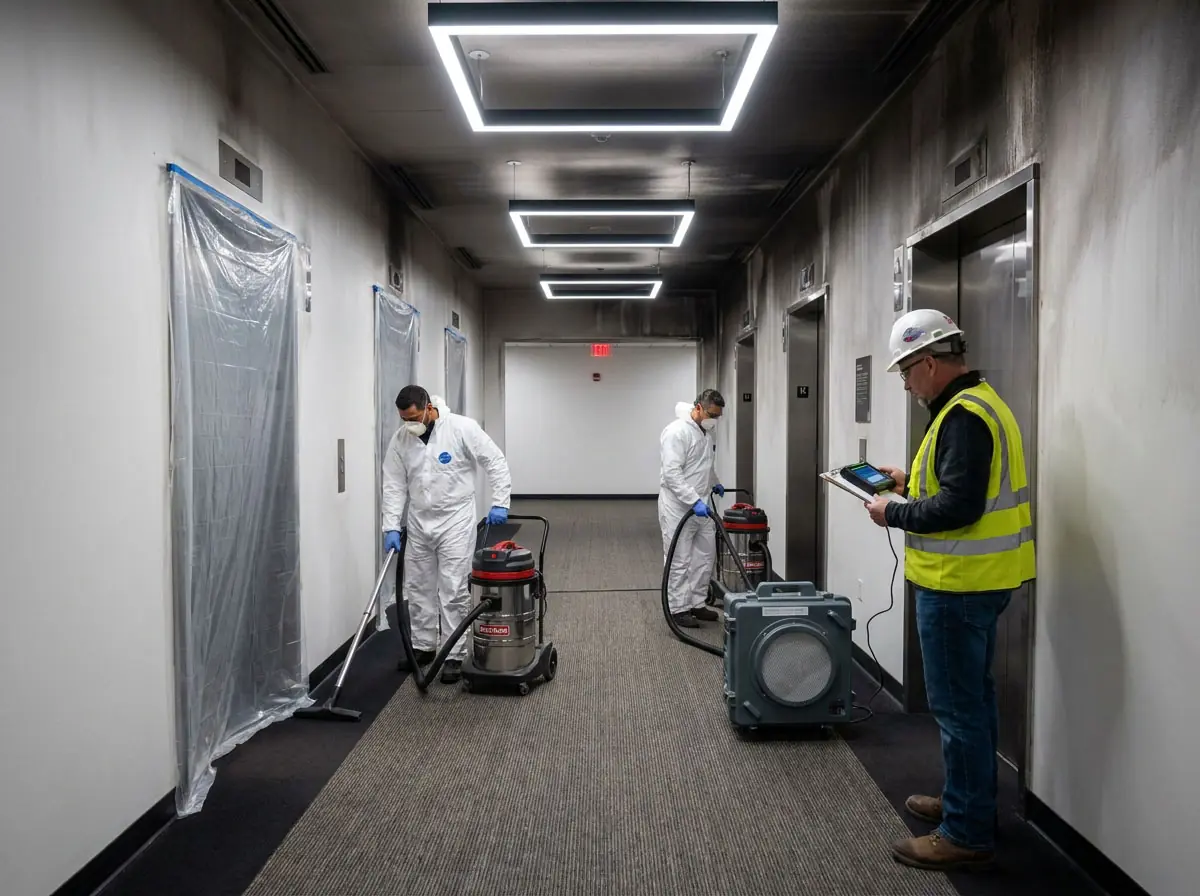
Treating Water Damage as a Superficial Cleanup Rather Than a Structural Threat
The biggest lie you can tell yourself after a Fargo basement flood is that the problem ends when the floor looks dry. Many homeowners grab a shop vac and some paper towels, thinking the job is done once the standing water disappears. This is a dangerous misunderstanding of how building materials behave.
Your home is built with porous materials that act like a sponge. Wood studs, drywall, and subflooring soak up water deep into their fibers, far beneath what your eyes can see. When you ignore this, you aren't just leaving a wet mess, you are inviting a slow decay that compromises the very bones of your house.
If you treat this as a simple surface cleanup, you are setting yourself up for:
- Warped floorboards that buckle and pop months down the road.
- Softened drywall that loses its load-bearing integrity.
- Rusting metal fasteners that hold your basement framing together.
- Compromised insulation that settles and creates cold spots in your foundation.
Structural damage is rarely visible in the first forty-eight hours. By the time you notice sagging beams or crumbling baseboards, the damage is already deep. You must recognize that water intrusion is a structural emergency, not a housekeeping chore.
Relying on Household Fans and Dehumidifiers to Dry Out Saturated Insulation
Here is the cold, hard truth: a standard box fan blowing across a damp floor does absolutely nothing to fix the crisis happening inside your walls. When Fargo basement flooding hits, your insulation acts like a giant, sodden sponge that traps moisture against your wooden studs. A small dehumidifier is essentially a toy in this situation; it cannot pull the deep-seated water out of porous materials.
You are essentially building a toxic petri dish by keeping the room temperature warm while insulation remains soaked. Surface air circulation only dries the top layer, while the backside of your drywall and the interior of your insulation stay dripping wet. This trapped moisture creates the perfect environment for rot and decay to start eating your home from the inside out.
Why DIY drying fails:
- Household fans circulate bacteria and mold spores throughout your entire air system.
- Retail-grade dehumidifiers lack the capacity to drop the grain depression required to stop structural moisture.
- Wet insulation loses its thermal resistance immediately, meaning you are paying to heat or cool a structure that is literally falling apart.
If you leave saturated insulation in place, you are guaranteed to deal with costly wall replacements within months. Professionals use industrial-grade low grain refrigerant (LGR) dehumidifiers and high-velocity air movers designed specifically to create a negative pressure environment. Do not kid yourself into thinking your hardware store equipment can handle the massive volume of water Fargo floods bring into your basement.

Failing to Address Hidden Moisture Pockets Behind Fargo’s Foundation Walls
Fargo homes often feature concrete or block foundations that act like a sponge when water enters the equation. You might think the floor looks dry after a quick scrub, but trapped moisture is likely seeping deep into the voids behind your walls or under your baseboards.
Water does not just sit on the surface; it migrates through tiny pores in concrete and saturates the wooden framing tucked behind your drywall. If you ignore these hidden pockets, you are essentially building a private nursery for structural decay.
The Danger of Seepage
- Moisture migrates through capillary action into wall cavities.
- Insulation acts as a wick, pulling water upward into the studs.
- Concrete foundations can hold water for weeks, long after the surface feels dry to the touch.
- Electrical components inside walls become corrosion risks, creating potential fire hazards.
The real danger here is that you cannot see the damage until the drywall begins to crumble or a pungent odor fills the room. By the time you notice the signs of rot or warped wood, the water has already compromised the structural integrity of your foundation.
Professional restoration teams use thermal imaging and moisture meters to pinpoint these damp spots before they become massive repair bills. Do not wait for your home to signal failure; if the basement flooded, the water is already behind the scenes, waiting to cause permanent damage.
Ignoring the Rapid Spread of Microbial Growth and Toxic Mold Colonies
Fargo basements are perfect petri dishes for mold. Once moisture settles into your drywall or framing, you have a ticking time bomb on your hands.
Mold spores don’t wait for you to finish your lunch. They begin to colonize within 24 to 48 hours of water exposure, spreading their toxic roots deep into porous materials that you cannot simply wipe clean.
The Danger of Inaction
If you think a bit of bleach will solve the problem, you are dangerously mistaken. Bleach only kills surface mold; it fails to penetrate the root system embedded in your building materials.
- Mold releases spores that ruin your indoor air quality immediately.
- Untreated colonies compromise the structural integrity of your wall studs.
- Respiratory issues often emerge for families living in damp, infested spaces.
When you ignore that musty smell, you are essentially asking for a complete professional teardown later. Trying to DIY your way out of a mold colony is like trying to put out a forest fire with a garden hose; it is ineffective, and it leaves your home vulnerable to long term contamination.
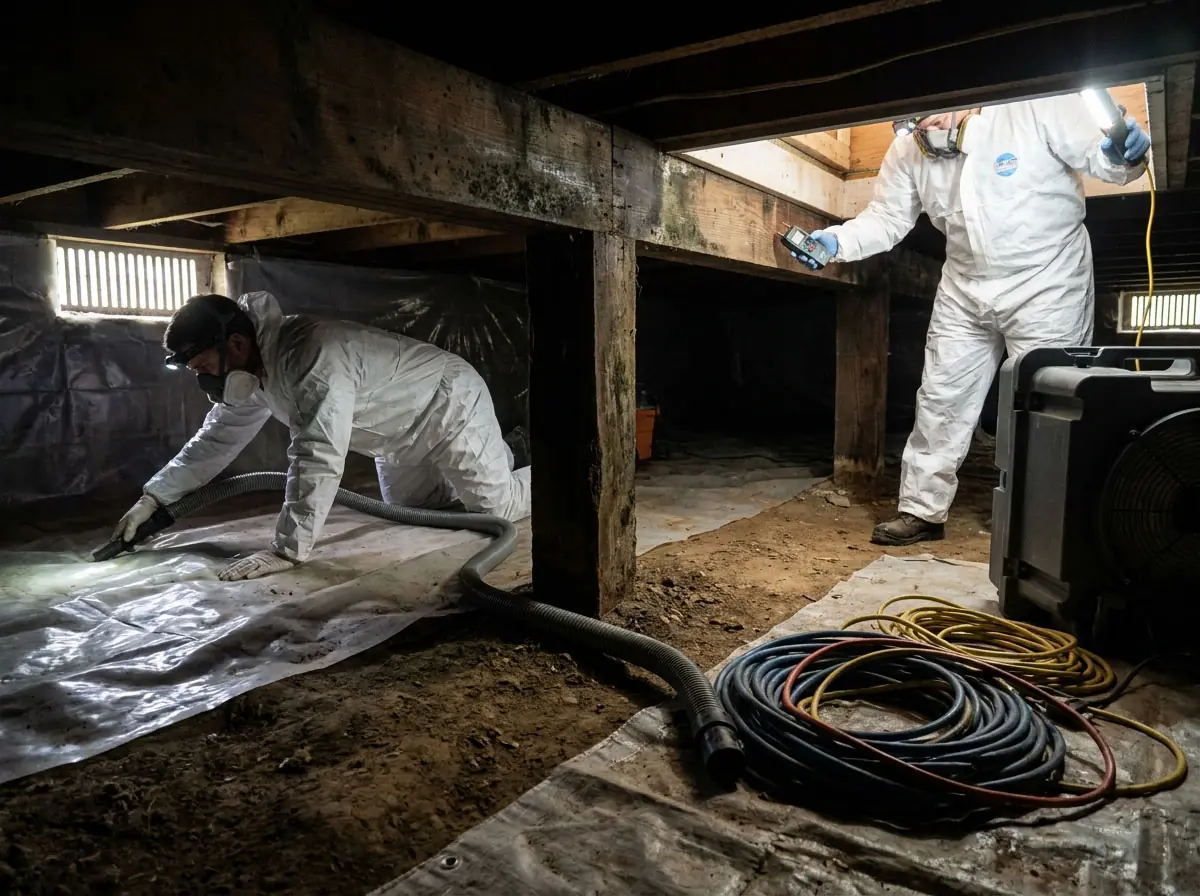
Case Study: How a Minor Fargo Basement Seep Escalated into Structural Failure
Consider the story of a homeowner in the North Fargo neighborhood who noticed a small, damp spot near their floor joists after a heavy spring thaw. They assumed it was just a surface issue, opting to place a plastic bin under the drip and ignore the root cause.
Within three months, that minor seep had allowed water to wick deep into the sill plate and rim joist of the home. By the time they called for help, the wood had suffered significant rot, forcing a costly demolition of the entire finished basement wall just to access the structural beams.
The Warning Signs They Missed
The damage didn't happen overnight; it was a slow, calculated destruction of the home’s bones. Here are the red flags the homeowner ignored while the foundation began to compromise:
- The subtle appearance of salt deposits or efflorescence on the basement concrete.
- Small hairline cracks in the foundation that were slowly widening during freeze thaw cycles.
- A persistent, musty odor that regular cleaning products could not mask.
- Doors on the main floor beginning to stick or bind due to uneven settlement.
This situation serves as a stark reminder that water in Fargo is never just water. It is a relentless solvent that finds the path of least resistance through your property, turning a weekend DIY fix into a major engineering catastrophe.
Comparison Table: DIY Cleanup Costs Versus Professional Restoration Investment
Homeowners often fall into the trap of thinking a shop vac and a bucket are enough to tackle Fargo basement flooding. While the initial cash outlay for DIY gear looks cheap, the hidden long term costs of incomplete drying are staggering.
| Cost Factor | DIY Approach | Professional Restoration |
|---|---|---|
| Initial Equipment | $200 - $500 | $0 (Included) |
| Hidden Mold Remediation | $3,000 - $8,000+ | $0 (Prevented) |
| Structural Repairs | $5,000 - $15,000+ | $0 (Mitigated) |
| Insurance Eligibility | High Risk of Denial | Certified Documentation |
| Total Potential Loss | High | Low |
When you attempt a DIY cleanup, you are usually just dealing with the surface level water. You lack the industrial grade dehumidifiers and moisture mapping technology required to reach deep into your floor joists and wall cavities.
If you miss even a small pocket of moisture, you aren't just saving money; you are subsidizing a future mold colony. Professionals stop the damage at the source, which prevents the secondary rot that destroys home values.
- DIY methods rarely meet insurance adjuster standards for documentation.
- Professional crews document every square inch to ensure your claim is processed correctly.
- You pay for the expertise required to dry a structure to building code standards rather than just making it look dry.
Securing Your Fargo Property Against Future Seasonal Flooding
Fargo winters are harsh, but the spring thaw is the true enemy of your foundation. Once you have managed your current crisis through professional Basement Flooding Cleanup, you must shift your mindset from reactive repair to proactive defense.
Your goal is to stop the water before it ever touches your drywall. If you skip these defensive measures, you are simply waiting for the next cycle of destruction to repeat.
Essential Defenses for Fargo Homes
- Extend your downspouts: Ensure every drop of roof runoff is dumped at least ten feet away from your foundation walls.
- Audit your grading: The soil around your house should slope away at a steep angle. If the dirt is flat or sinking, water will pool against your basement wall every time it rains.
- Install a backup pump: Primary sump pumps fail during power outages. A battery-operated backup system is not an luxury; it is your last line of defense against a flooded basement.
Do not wait until the Red River rises or the snow melts to test your systems. Schedule a professional inspection now to identify cracks or drainage issues while the ground is dry.
Taking action today saves you the gutting of your basement tomorrow. Your home is your largest investment, so stop treating its protection as an afterthought.
People Also Ask
How quickly does mold grow after a basement flood?
Mold can begin to colonize within 24 to 48 hours of water exposure if the area is not dried professionally. You should consult the EPA guidelines to understand the health risks associated with indoor air quality.Does homeowners insurance cover basement flooding in Fargo?
Most standard homeowners insurance policies do not cover damage caused by surface water or sewer backups unless you have specific endorsements. You should review your policy documents or contact your agent to clarify your coverage for flood events.Is it safe to stay in the house during a basement flood?
Staying in a home with basement flooding can be dangerous due to potential electrical hazards and airborne contaminants. It is recommended to shut off the main power if it is safe to do so and vacate the premises until professionals assess the safety of the environment.Why is DIY basement drying often ineffective?
Consumer grade equipment often lacks the airflow and moisture extraction capabilities needed to reach deep structural components. Professionals use industrial grade dehumidifiers and moisture meters to ensure that water is removed from behind walls and under floorboards where it is typically invisible.What are the first steps to take after discovering basement water?
The first priority is ensuring personal safety by avoiding standing water and electrical panels. Once safe, contact a professional restoration company immediately to begin the water extraction process and prevent secondary damage to your home structure.Need Water Damage Restoration Services?
We provide rapid water damage restoration to secure your property and mitigate structural loss in Fargo and surrounding communities (58102, 58103, 58104, 58078). Our team responds immediately to extract water and dry your space to restore a safe, stable environment.
Request Price Estimate