


⚡ TL;DR: This comprehensive guide explains why Des Moines soil causes flooding, helps you identify warning signs, and outlines professional crawl space water removal methods to protect your home structure.
📋 What You’ll Learn
Dealing with crawl space flooding in Des Moines requires specific local knowledge. This guide explains how to identify moisture threats, protect your structural integrity, and implement permanent drainage solutions effectively.
- Understand local soil vulnerabilities by learning how Des Moines clay content and regional weather patterns increase hydrostatic pressure and cause frequent standing water issues under your home foundation.
- Recognize urgent warning signs that indicate your crawl space requires professional intervention before moisture leads to severe structural decay, wood rot, or dangerous hidden mold growth outbreaks.
- Compare professional remediation methods to determine which restoration services, from sump pump installations to vapor barrier sealing, offer the best protection for your specific Des Moines property.
- Implement permanent drying solutions that keep your subfloor bone-dry year-round by applying proven drainage techniques that prevent future flooding and protect your investment against heavy seasonal rainfall.
📖 Reading time: 8 min
✍️ Author expertise: Certified water damage restoration expert with fifteen years remediating Des Moines area crawl spaces.
You crawl under your Des Moines home to grab an old holiday decoration, only to be hit by that unmistakable, heavy scent of mold and damp earth. Beneath the floorboards, a hidden pool of water is slowly eating away at your foundation and turning your subfloor into a sponge.
Most homeowners ignore what happens beneath their feet until a sagging floor or a massive spike in their energy bill forces the issue. This moisture isn't just a nuisance; it is a ticking time bomb for your property value and your family's health.
I have spent years pulling standing water out of local crawl spaces and fixing the damage that "quick fixes" leave behind. If you are ready to stop the rot and protect your biggest investment, here is exactly what you need to know about reclaiming your home from the damp.

Why Des Moines Soil Conditions Make Crawl Spaces Vulnerable to Flooding
If you live in Des Moines, you are dealing with more than just Iowa weather. Our local geography is defined by thick, heavy clay soil that acts more like a sponge than a drain.
When heavy rain hits, this clay swells and traps water right against your foundation walls. Instead of soaking into the ground, that water sits there, searching for the weakest point to enter your crawl space.
This is exactly why so many of our neighbors struggle with chronic moisture. The soil composition in Polk County creates a perfect storm for water intrusion:
- Clay-heavy composition: This soil has extremely low permeability, meaning water cannot move through it easily.
- High water tables: After a wet spring, the natural water table rises, putting constant pressure on your subfloor.
- Poor grading: Many Des Moines homes settle over time, causing the yard to slope toward the house rather than away from it.
Hydrostatic pressure is the silent killer here. As the saturated earth pushes against your crawl space walls, it forces moisture through microscopic cracks in the concrete.
You might think your foundation is sealed tight. In reality, water is likely seeping through the joints or rising up directly through the dirt floor of your crawl space during every major storm.
Critical Warning Signs: When Your Crawl Space Needs Professional Intervention
Most homeowners in Des Moines wait until the damage is visible inside their living space before checking the crawl space. By that time, the mold colonies are already thriving, and your subfloor is likely starting to lose its structural integrity. You need to act fast if you spot these telltale red flags:
- A persistent, musty odor drifting up through your floor vents or around baseboards.
- The sudden appearance of sagging or bouncy floorboards in high-traffic areas.
- Condensation on pipes or metal hardware that looks like constant sweating.
- Visible white or fuzzy black mold growth on wooden joists and insulation.
- Excessive humidity levels inside the home despite running your air conditioner.
Do not wait for your doors to start sticking or for your allergy symptoms to worsen. If you notice any of these indicators, the moisture has likely moved past a minor seepage issue and into a full-scale structural threat. We have seen too many homes lose thousands in equity because of a simple puddle that was left to turn into a swamp. If you suspect your foundation is acting like a sponge, get an expert down there before the rot reaches your main living area.

A Breakdown of Remediation Methods: Comparative Table of Restoration Services
When you discover water beneath your home, your first instinct might be to buy a cheap sump pump or throw down some plastic. However, local Des Moines soil, which is often heavy with clay, requires a more strategic approach to ensure the area stays dry long-term.
| Service Method | Best For | Longevity |
|---|---|---|
| Industrial Extraction | Immediate standing water | Short term |
| Vapor Barrier Install | Humidity and soil moisture | Long term |
| French Drain System | Severe hydrostatic pressure | Permanent |
| Dehumidification | Mold prevention | Maintenance |
Simply sucking out the water isn't enough to fix the root cause. You need to combine physical removal with moisture control systems to prevent the cycle from repeating every time we get a heavy Iowa rainstorm.
Choosing the Right Fix for Your Home
Most professional remediation projects follow a multi-step process. We focus on stopping the water at the source rather than just mopping up the mess after the fact.
- Sub-surface drainage: Redirects water away from your foundation before it can seep into the crawl space.
- Encapsulation: Seals off the earth entirely, stopping moisture migration from the soil into your floor joists.
- Mechanical dehumidification: Keeps the air dry enough that mold cannot gain a foothold, even if trace humidity persists.
If you choose the wrong method, you are likely just throwing money away. A quick pump-out does nothing to address the hydrostatic pressure pushing water through your foundation walls, meaning the problem will return the next time the water table rises.
The Long-Term Consequences of Ignoring Hydrostatic Pressure and Mold Growth
Most Des Moines homeowners think of water under the house as a temporary problem that will just dry up when the weather shifts. This is a dangerous mistake. When groundwater pushes against your foundation, we call this hydrostatic pressure. Over time, that force literally pushes moisture through your concrete blocks, creating cracks that allow even more water to seep inside.
Left unchecked, this environment becomes a factory for biological hazards. Mold spores do not stay in the dark corners under your house. They travel through your floor vents and gaps in the subfloor, entering the air you and your family breathe every single day.
The Real Price of Delay
Ignoring these signs leads to a compounding disaster that grows more expensive every month. Once the wood begins to rot, you are not just looking at a water removal bill; you are looking at extensive structural reconstruction.
- The floor joists lose their load-bearing capacity, leading to visible sagging in your living room.
- Humidity levels skyrocket, forcing your HVAC system to work overtime and driving up utility bills.
- The air quality inside your home deteriorates, often triggering allergies or respiratory issues for your family.
- Termites and other pests are drawn to the damp, soft wood, causing secondary damage that most insurance policies won't touch.
You cannot negotiate with mold, and you certainly cannot outwait the pressure of Iowa groundwater. If you see signs of moisture, the smartest move is to stop the cycle before it destroys the frame of your home. A professional inspection now is far cheaper than replacing your entire floor system next season.
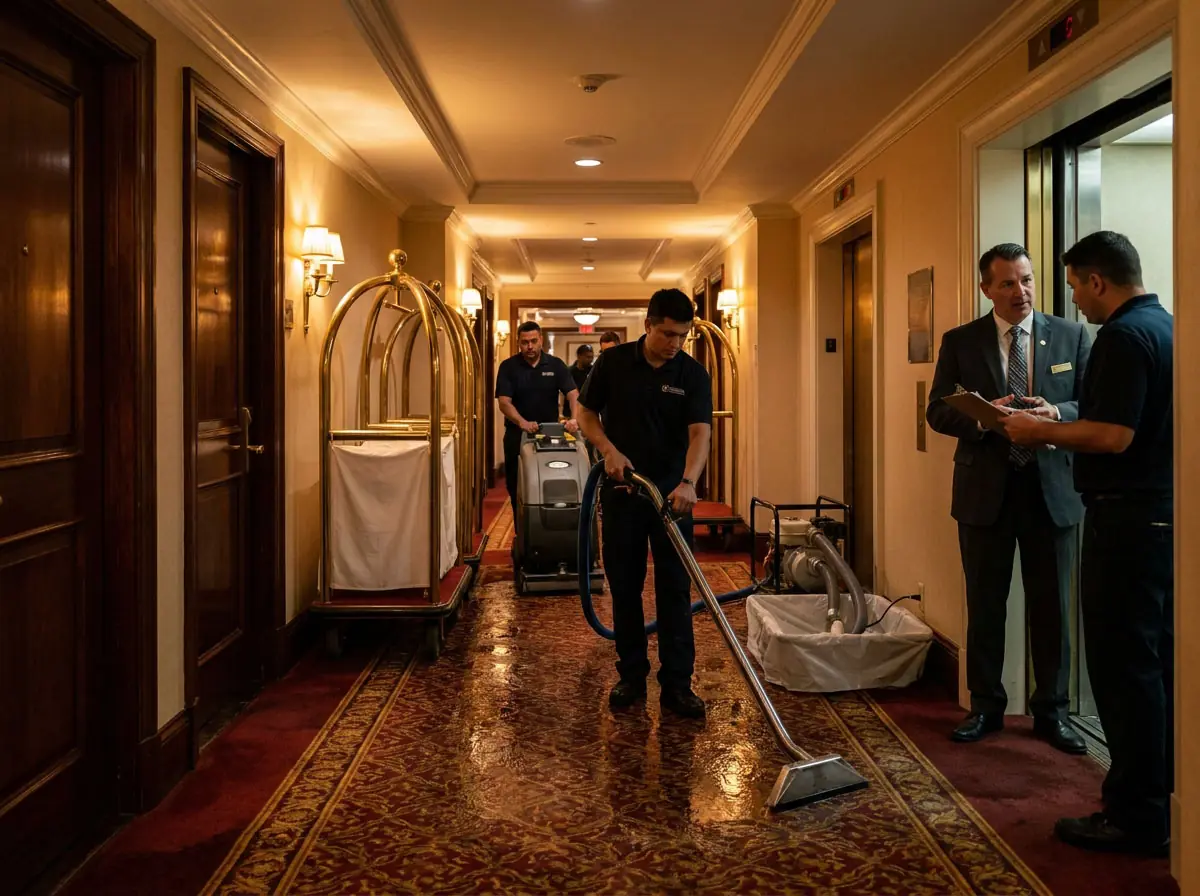
From Standing Water to Structural Integrity: A Des Moines Basement Case Study
I recently visited a historic home in the Beaverdale neighborhood where the homeowner thought a simple sump pump would solve their dampness issues. They were dead wrong. The standing water had been present for months, slowly saturating the wooden piers that held up the kitchen floor, causing a visible three-inch sag in the joists above.
By the time we arrived, the crawl space had become a breeding ground for wood-destroying fungi. The humidity levels were so high that the metal fasteners in the crawl space had corroded completely, leaving the floor structure dangerously unstable. This wasn't just a water problem anymore; it was a total structural failure that required specialized shoring before we could even begin the drying process.
Lessons Learned from the Field
- Subfloor saturation happens faster than you think, often leading to irreversible rot in just a few weeks.
- Excess moisture acts like a magnet for local pests, including termites and carpenter ants that thrive in soft, damp wood.
- Ignoring standing water shifts the weight of your home onto weakened, softened beams, creating expensive secondary damage.
We had to replace the damaged support posts and install a professional-grade vapor barrier to seal off the soil gases and moisture. Seeing that kitchen floor level out again was a massive relief for the family, but the cost was ten times higher than it would have been if they had acted when the first puddle appeared. Don't let your home become another statistic in a repair ledger; if you see water, you need an immediate plan to get it out.
Implementing Permanent Solutions to Keep Your Subfloor Bone-Dry
Stopping water from entering your crawl space requires more than just a sump pump; you need to address the way water moves around your foundation. If you want to stop the cycle of dampness, you must redirect liquid away from your home before it ever reaches the soil beneath your feet.
Most Des Moines foundations suffer because of poor drainage and hydrostatic pressure. Once you clear the standing water, you need to focus on these defensive measures:
- Extend downspouts at least ten feet away from the home foundation to prevent pooling.
- Install a professional-grade vapor barrier to act as a permanent seal against ground moisture.
- Grade your soil so that it slopes away from the perimeter, forcing rainwater to run off rather than settle.
- Seal any foundation vents or cracks that allow outside air and humidity to enter your crawl space.
A smart, long-term approach combines mechanical solutions with physical barriers. By installing a high-capacity dehumidifier specifically designed for crawl spaces, you control the interior climate even during our humid Iowa summers. This machine pulls moisture from the air and subfloor materials, ensuring the area stays dry enough to prevent mold growth permanently.
Do not rely on cheap plastic sheets bought from a hardware store. Real protection comes from thick, reinforced liners that resist tearing and act as a total moisture shield. When you combine proper exterior drainage with an internal encapsulation system, you transform a swampy crawl space into a clean, dry, and protected zone for your entire house.
Final Words
Waiting for the next heavy rain to solve your crawl space issues is a losing gamble. If you see signs of moisture today, you need to act before those small puddles turn into a structural nightmare.
We see the damage every day across Des Moines. Ignoring standing water under your house is a fast track to expensive foundation repairs and toxic air quality inside your living room.
You have three immediate choices to handle this:
- Do nothing and let the rot spread through your floor joists.
- Attempt a temporary fix that fails the moment the water table rises again.
- Call a professional to implement a permanent Crawl Space Water Removal strategy that keeps your home dry for the next twenty years.
Your home is likely your largest financial asset. Don't let it turn into a pile of wet wood and moldy insulation because of a drainage issue you could have stopped months ago.
If you want the job done right, call our team today. We stop the water, clean the mess, and secure your foundation so you can stop worrying about what is happening beneath your feet.
People Also Ask
Is crawl space water damage covered by homeowners insurance in Des Moines?
Most standard homeowners insurance policies do not cover damage caused by ground water seepage or flooding in a crawl space. You should review your specific policy details or consult with your agent to understand your coverage limitations regarding water intrusion.How do I know if my crawl space has a mold problem?
A musty or earthy odor in your home is often the first indicator of mold growth underneath the floorboards. You may also notice visible fungal growth on insulation or wooden joists if you inspect the area with a flashlight.Does clay soil in Iowa cause crawl space flooding?
Yes, the heavy clay content found throughout Iowa creates poor drainage, which traps water against foundation walls. This leads to increased hydrostatic pressure that forces moisture directly into your crawl space. The EPA provides helpful information regarding how to manage moisture and prevent indoor air quality issues.How much does professional crawl space water removal cost?
The cost of remediation varies based on the volume of standing water, the presence of mold, and the need for structural repairs. Professionals typically charge based on the scale of the cleanup, the drying equipment required, and the labor involved in sanitizing the space.Can I dry out a crawl space on my own?
Minor dampness might be managed with high capacity dehumidifiers, but standing water requires professional grade extraction to prevent long term damage. Attempting to clean the area yourself can be dangerous due to potential electrical hazards, sewage contamination, and exposure to harmful mold spores.Need Water Damage Restoration Services?
We provide rapid water damage restoration across Des Moines and the surrounding communities to return your property to a dry, safe condition. Our team delivers immediate emergency response to mitigate structural damage and prevent mold growth (50309, 50310, 50311, 50312, 50314).
Request Price Estimate