


⚡ TL;DR: This comprehensive guide helps Danbury homeowners navigate hardwood floor water damage by providing practical mitigation steps, restoration insights, and seasonal prevention tips to protect your property investment effectively.
📋 What You’ll Learn
Dealing with hardwood floor water damage requires swift action to prevent permanent warping. This guide provides Danbury homeowners with essential expert strategies to identify issues, mitigate damage, and restore beautiful floors.
- Execute rapid emergency mitigation steps to prevent moisture from spreading further into your floorboards or subfloor while you wait for a local professional crew to arrive on the scene.
- Detect hidden signs of saturation by recognizing specific indicators like cupping, crowning, or musty odors that signal deeper water penetration often found in older Danbury colonial style homes.
- Compare restoration versus total replacement by reviewing our detailed cost analysis table, helping you decide whether your hardwood floors can be salvaged or if a complete installation is necessary.
- Implement seasonal protection strategies to safeguard your property against Danbury’s harsh freeze and thaw cycles, which frequently cause hidden pipe leaks and foundation moisture issues throughout the entire year.
📖 Reading time: 8 min
✍️ Author expertise: Danbury water damage restoration specialist with fifteen years of hands-on local property repair.
You wake up to the sound of a slow drip in the kitchen, only to find your beautiful hardwood floors cupping and darkening before your eyes. In Danbury, where our unpredictable weather often tests our home foundations, a small leak can quickly turn into an expensive nightmare that ruins the heart of your living space.
Most homeowners make the mistake of waiting for the wood to dry out on its own, hoping the boards will snap back into place. By the time you realize the subfloor is soaked, you are usually looking at a massive bill for a full replacement instead of a quick repair.
Time is your greatest enemy when water hits your floorboards. Here is exactly how to stop the destruction before it spreads across your entire home.
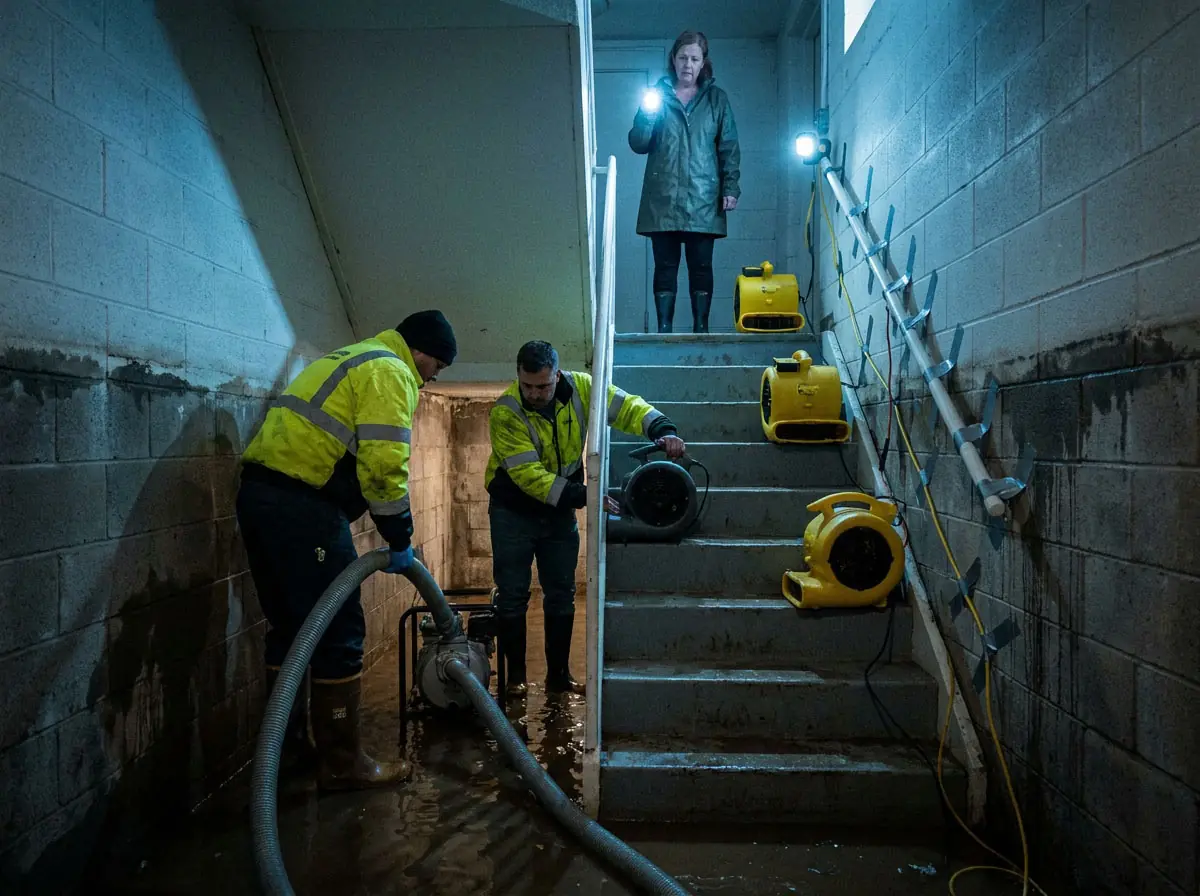
Immediate Mitigation Tactics: Stopping the Spread Before Professional Help Arrives
When you spot standing water on your hardwood, your first instinct might be to grab a mop. Stop. Pushing water around often forces liquid deeper into the seams of the planks where it causes the most damage.
Your goal is containment, not cleaning. Grab towels immediately to blot up the visible surface water. If the water source is a pipe, shut off your main valve before doing anything else.
Follow these steps to keep the situation from spiraling:
- Use a wet-dry vacuum to pull moisture out of the gaps between boards.
- Remove any rugs or furniture that could trap humidity against the floor.
- Run a dehumidifier in the room on the highest setting.
- Point fans to circulate air, but avoid blowing air directly onto the wet floor as this can cause uneven drying and splitting.
Do not crank your heat up high. Rapid, forced drying often leads to cupping or splitting because the top of the board dries faster than the bottom. You want a controlled environment that mimics a steady breeze.
Keep the room temperature moderate while your dehumidifiers work. Remember, water migrates downward; if the floor feels soft or spongy, get off it immediately. Your safety takes priority over the finish of your floor.
Identifying the Hidden Signs of Subfloor Saturation in Connecticut Homes
Many Danbury homeowners assume that if the surface of the hardwood looks dry, the danger has passed. Unfortunately, wood is a porous sponge that pulls moisture deep into the subfloor, where it can sit for weeks without showing a single stain on the finished surface.
When the subfloor remains wet, you are inviting mold growth and structural decay that can compromise the stability of your flooring joists. Keep a sharp eye out for these silent warning signs that moisture has migrated beneath your boards:
- A persistent, musty odor that lingers even after you clean the surface.
- The boards feel soft or spongy when you walk across specific high-traffic areas.
- New gaps appearing between planks that were previously tight.
- Visible darkness or discoloration creeping up from the edges of the boards.
- Baseboards that appear slightly swollen or show peeling paint near the floor.
If you notice the wood surface turning black or gray, the damage has likely moved beyond the finish and into the actual fibers of the hardwood. Acting fast is the only way to avoid rot. You need to check for a hollow sound when you tap the floor; that echo is a massive red flag that the bond between the subfloor and the finish has been compromised by trapped humidity.

Comparative Table of Hardwood Restoration vs. Full Floor Replacement Costs
When your floors suffer from water intrusion, you have a split decision to make. You can either restore the existing material or tear it all out for a fresh start.
The cost difference often comes down to the depth of the damage and how long the moisture has been sitting in your subfloor. This breakdown helps you see where your money goes based on typical Danbury market rates.
| Project Type | Average Cost (Per Sq. Ft.) | Timeline | Primary Benefit |
|---|---|---|---|
| Professional Drying | $4 - $8 | 3-7 Days | Preserves original wood |
| Sanding & Refinishing | $6 - $12 | 4-6 Days | Removes surface cupping |
| Partial Board Replacement | $15 - $25 | 2-4 Days | Fixes localized rot |
| Full Floor Replacement | $20 - $45+ | 1-3 Weeks | Clean slate for property |
Choosing restoration is usually the smarter move if the wood is high quality, like white oak or cherry. We can often save boards by using industrial-grade drying equipment to pull moisture out before mold becomes a permanent resident.
However, replacement is unavoidable if you notice these red flags:
- The wood has started to rot or crumble at the edges.
- The tongue and groove joints are permanently warped.
- The subfloor underneath is showing signs of fungal growth.
- You have already sanded the floor down to its final layer.
Don't just look at the price tag today. Consider the long-term value of your home before you make a call. We see many Danbury owners choose a patch-and-refinish job only to realize later that the structural damage below was ignored, costing them twice as much in the end.
The Science of Moisture Mapping and Structural Drying Protocols
When you call a pro, we do not just guess where the water went. We use specialized moisture mapping tools to see exactly how far the liquid has traveled beneath your boards.
Think of it like an X-ray for your home. We check the moisture content of the wood and the subfloor beneath it to find the hidden pockets of rot that your eyes simply cannot detect.
Our goal is to pull moisture out of the materials before mold finds a reason to grow. We focus on these three core technical phases:
- Extracting surface water to prevent further seepage into the floor joists.
- Injecting high velocity air beneath the hardwood layer to force moisture out of the subfloor.
- Monitoring humidity levels with sensors to ensure the environment is safe for your floors again.
Without these protocols, trapped water will stay inside the wood for weeks. This is how you end up with warped planks and a musty smell that lingers long after the spill is cleaned up.
By creating a controlled drying chamber, we force the building materials back to their normal moisture level. This prevents the wood from cracking or splitting as it returns to its original shape.
We do not stop until the numbers prove the wood is stable. Trusting the science is the only way to avoid expensive surprises down the road.

Case Study: Restoring a Historic Danbury Colonial After a Burst Pipe
Last winter, we received an urgent call from a homeowner on Deer Hill Avenue. A copper pipe had burst inside the wall of a historic Colonial, sending water rushing across a century old white oak floor.
The owner was panicked because they thought the original flooring was ruined forever. They were ready to rip it all out, but our team knew that historic wood often has a higher density that responds well to professional structural drying.
We immediately established a containment zone to stop the humidity from migrating into the rest of the home. By placing industrial dehumidifiers and high velocity air movers in a specific pattern, we were able to pull the moisture out of the subfloor without forcing the wood to warp further.
The Restoration Process
Restoring older floors requires a delicate touch. We did not just blast the area with heat; we carefully monitored the moisture content of the wood every six hours until it matched the equilibrium of the home.
- Removed baseboards to allow airflow underneath the floorboards.
- Used moisture mapping to track water migration inside the walls.
- Applied a specialized disinfectant to prevent mold growth in the floor cavities.
- Sanded and refinished only the affected sections to match the existing patina.
The result was a total save. The original floors stayed in place, keeping the historic character of the home intact while saving the owner thousands in unnecessary replacement costs. When you have a specialized home, you need a specialized plan that respects the history of your materials.
Preventing Future Water Damage During Danbury’s Seasonal Freeze-Thaw Cycles
Danbury winters are brutal on your home infrastructure. As temperatures swing from freezing nights to thaw days, your pipes experience significant stress that often leads to micro fractures and eventual bursts.
The hidden danger lies in the expansion and contraction of your floorboards during these shifts. When moisture enters the gaps in your hardwood, it traps freezing water that expands, forcing your planks to warp permanently.
Essential Winterization Checklist
- Inspect your attic and crawl spaces for any exposed piping.
- Ensure your gutters are cleared of fall debris to prevent ice dams.
- Install smart leak detectors near your water heater and major appliances.
- Maintain a consistent indoor temperature to stop pipes from reaching the freezing point.
Take charge of your home before the deep freeze arrives. A small investment in insulation for your basement plumbing saves you thousands in floor restoration costs later. Keep an eye on your humidity levels, and keep the air circulating near exterior walls to stop condensation from settling into your beautiful wood floors.
Protecting Your Home Investment for the Long Term
Your hardwood floors represent one of the most significant investments in your Danbury property. When you maintain them properly, they add warmth and character that synthetic alternatives simply cannot match.
If you have recently dealt with Hardwood Floor Water Damage, you know that keeping your home dry is the best form of insurance. Consistent maintenance turns a high-risk asset into a lifetime legacy for your family.
Here are three non-negotiable habits to keep your floors safe from future moisture threats:
- Clear your gutters twice a year: Clogged gutters lead to roof runoff that can seep into your siding and eventually find its way to your floor joists.
- Monitor basement humidity: Use a simple hygrometer to ensure your crawl space or basement stays below 50 percent humidity, which prevents moisture from creeping up through the subfloor.
- Check appliances monthly: Look behind your refrigerator, dishwasher, and washing machine for signs of slow leaks that often go unnoticed for months.
Being proactive is much cheaper than being reactive. A quick check of your plumbing or a professional inspection during the transition of seasons can prevent thousands of dollars in restoration costs later.
Protecting your investment is not just about wood care; it is about peace of mind. You should never wait for a disaster to start paying attention to the health of your home foundations.
People Also Ask
How long does it take for hardwood floors to warp after water damage?
Hardwood floors can begin to warp or cup within 24 to 48 hours of exposure to standing water. The speed of this reaction depends on the wood species and how quickly the moisture is extracted from the environment.Can water damaged hardwood floors be dried and restored?
Many hardwood floors can be saved if professional drying equipment is utilized shortly after the incident occurs. Industry experts follow moisture guidelines to determine if the structural integrity of the wood remains stable enough for restoration rather than replacement.Does homeowners insurance cover water damage to hardwood floors?
Coverage generally depends on whether the water damage resulted from a sudden and accidental event, such as a burst pipe. You should review your specific policy documents or contact your agent to understand the limitations regarding slow leaks or long term maintenance issues.How do I know if my subfloor is wet under the hardwood?
Common signs of subfloor saturation include a musty odor, soft spots when walking, or floorboards that remain damp long after the surface has been wiped clean. Professional restoration teams use specialized sensors to detect moisture levels beneath the surface without needing to tear up the wood.Why are Danbury homes prone to floor damage during winter?
Danbury homes often experience pipe bursts during extreme temperature fluctuations when water expands inside frozen plumbing lines. These sudden leaks can lead to significant hardwood damage as water seeps into the wood grain and causes rapid swelling.Need Water Damage Restoration Services?
We provide rapid water damage restoration services to stabilize and dry your property in Danbury and surrounding communities (06810, 06811, 06813, 06804, 06812). Our team arrives quickly to extract water and mitigate damage, restoring your home or business to its pre-loss condition.
Request Service Estimate