
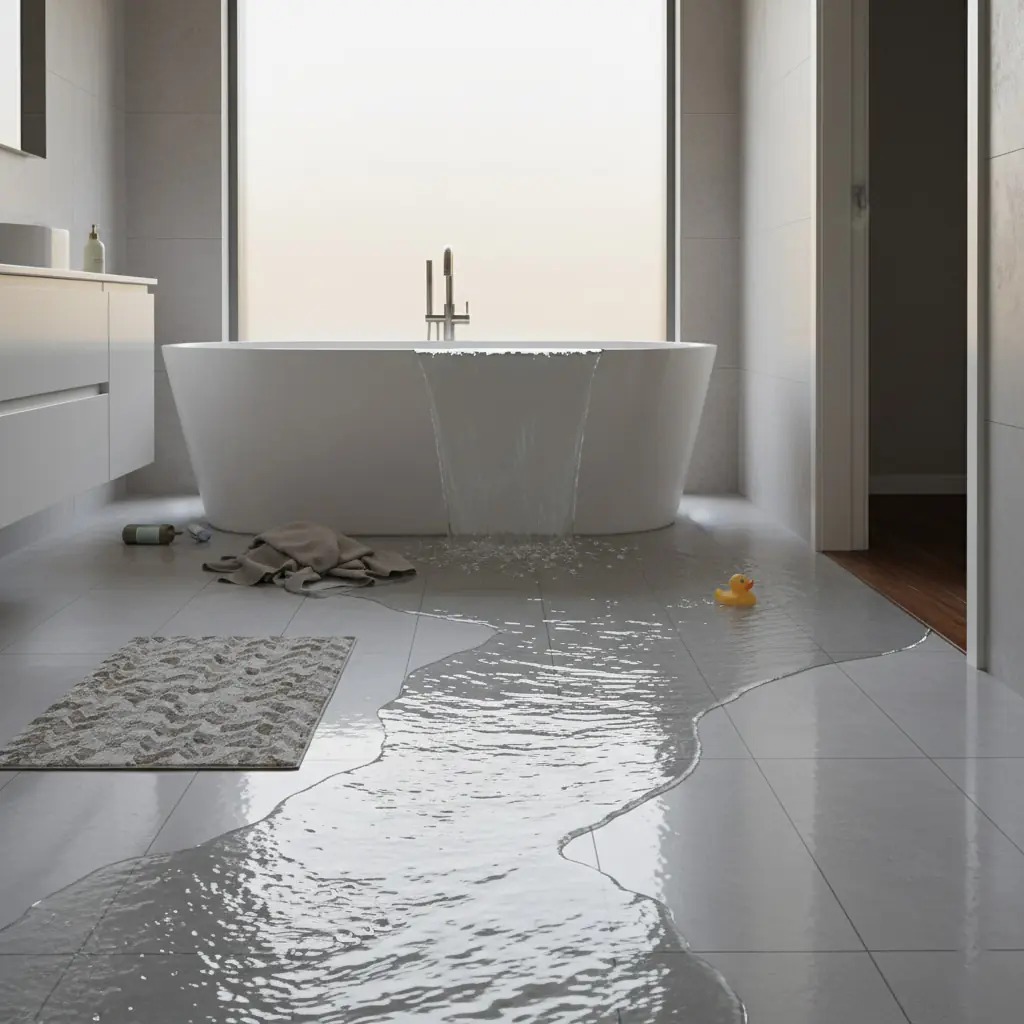


⚡ TL;DR: This guide helps Danbury homeowners identify the causes of ceiling water damage, understand the risks of ignoring leaks, and learn effective strategies for professional ceiling water damage repair.
📋 What You’ll Learn
Discover the reality of ceiling water damage in Danbury homes, where you will learn how to identify hidden leaks, prevent toxic mold growth, and restore your property’s structural integrity safely.
- Identify the hidden warning signs by learning how to spot early water intrusion indicators before they evolve into major, costly structural repairs throughout your local Danbury residence.
- Pinpoint common Danbury leak sources including failing roof shingles, ice damming during harsh winters, and plumbing failures that frequently plague homes across our specific regional climate zone.
- Understand the progression of damage so you can effectively prevent the rapid development of toxic mold colonies that thrive behind saturated drywall and compromise your indoor air.
- Implement professional restoration strategies to ensure your home remains structurally sound by following industry best practices for drying joists and remediating moisture damage after a ceiling leak.
📖 Reading time: 8 min
✍️ Author expertise: Danbury water damage restoration specialist with decades of local structural repair field experience.
You wake up to the sound of a steady, rhythmic drip hitting your hardwood floor, only to look up and see a sickening brown stain spreading across your living room ceiling like a fast-moving bruise. That small circle of discoloration isn't just an eyesore; it is a ticking time bomb for your Danbury home's structural integrity and your family's health.
Most homeowners in Fairfield County try to hide these spots with a quick coat of primer or ignore them until the plaster begins to crumble. This is a dangerous mistake that invites toxic mold growth and expensive rot to settle into your rafters while you sleep.
The reality of water damage is that what you see is usually only a fraction of the destruction hiding behind the drywall. We have helped countless Danbury residents stop these leaks before they turn into a total structural nightmare, so let’s look at exactly what is happening above your head and how to stop it for good.
The Hidden Anatomy of a Ceiling Leak: What’s Actually Happening Behind Your Drywall
When you spot that damp, yellowing circle on your ceiling, you are only seeing the final stage of a much larger disaster. Your drywall acts like a sponge, wicking moisture from the source until it becomes fully saturated and can no longer hold the weight.
Behind that barrier, the situation is often far worse than the surface suggests. Water does not simply pool in one spot; it travels along the path of least resistance, following electrical wires, plumbing pipes, and wooden framing until it finds a way to drip.
Here is what is happening inside the dark, confined space of your ceiling cavity:
- Material Saturation: Your insulation absorbs the leak like a heavy wet blanket, losing its thermal properties and becoming a breeding ground for bacteria.
- Structural Degradation: Wooden joists begin to swell and warp, which compromises the entire load-bearing capacity of the floor or roof above.
- Metal Corrosion: Hidden nails, screws, and hardware start to rust, which weakens the connection points that hold your ceiling structure together.
Think of your ceiling as a complex system of interconnected layers. Once the top layer of drywall is compromised, the moisture migrates to the wooden framework, where it stays trapped because there is no airflow to dry it out. This creates a permanent, high-humidity environment that acts as an open invitation for decay and structural failure.
Common Culprits Behind Ceiling Water Damage in Danbury Homes
In our experience serving Danbury, the source of a ceiling stain is rarely the spot you see. Water follows the path of least resistance, often traveling along rafters or electrical wiring before finally soaking through your drywall in a completely different room.
Most local homeowners assume a roof leak is the only villain, but our team frequently uncovers issues that have nothing to do with the weather outside. Here are the most frequent offenders we encounter in Fairfield County homes:
- Plumbing Supply Lines: Pinholes in aging copper or PEX pipes behind walls often spray mist onto ceiling joists for weeks before the damage manifests.
- HVAC Condensation: If your air conditioning unit in the attic isn't draining properly, the overflow pan can rust or clog, leading to steady moisture drips.
- Bathroom Exhaust Issues: Improperly vented fans push moist, warm air into the attic space, where it condenses on cool rafters and eventually drips down onto the ceiling.
- Appliance Malfunctions: A washing machine or dishwasher on an upper floor that isn't leveled correctly can cause subtle floor leaks that travel straight down to the kitchen ceiling below.
Beyond these mechanical failures, ice dams remain a seasonal nightmare for Danbury residents. When heat escapes into your attic, it melts the snow on your roof; that water then refreezes at the gutters, creating a dam that forces liquid back under your shingles and directly into your home's framing.

Warning Signs Checklist: A Table Breakdown of Early vs. Critical Damage Indicators
You might think a tiny yellow spot is just a cosmetic issue. In reality, your ceiling is often the last part of your home to show damage, meaning the moisture has already traveled a long way through your framing.
Catching these signals early is the difference between a simple patch job and a full ceiling replacement. Use this quick reference guide to see where your ceiling sits on the danger spectrum.
| Indicator | Early Warning | Critical Danger |
|---|---|---|
| Stain Color | Light yellow or beige | Dark brown, black, or gray |
| Texture | Dry to the touch | Bubbling, soft, or sagging |
| Odor | Faint earthy smell | Musty or pungent mildew scent |
| Structural | None visible | Visible cracks or crumbling plaster |
If you see signs from the Critical Danger column, you need to act immediately. When a ceiling starts to sag or bulge, it indicates that the weight of the water has compromised the integrity of the drywall and the wooden joists above it.
Don't wait for the material to break open. Check these specific areas of your home regularly:
- The corners where your ceiling meets the wall.
- Spots directly beneath your upstairs bathroom or laundry room.
- Areas surrounding your recessed lighting fixtures.
- Any section of the ceiling that appears slightly lower than the rest.
If you notice dampness near electrical fixtures, turn off the power at the breaker box right away. Water and electricity are a lethal combination, and in Danbury homes with older wiring, this can lead to an immediate fire hazard.
The Dangerous Progression: Why Ignoring Small Stains Leads to Toxic Mold
That damp spot on your ceiling is merely the tip of the iceberg. Behind the drywall, moisture creates a perfect breeding ground for microbial growth that thrives in the dark, humid spaces of your attic or crawlspace.
Once water breaches your ceiling, it saturates porous materials like insulation and wood framing. Mold spores are always present in the air in Danbury, but they require moisture to activate; give them that water, and they will colonize your home within 24 to 48 hours.
The progression from a minor leak to a major health hazard follows a clear, destructive path:
- Phase 1: Persistent moisture softens drywall paper and backing.
- Phase 2: Humidity levels spike in the ceiling cavity, triggering dormant mold spores.
- Phase 3: Colonies spread across wooden joists, often hidden from view.
- Phase 4: Mold releases airborne toxins that circulate through your HVAC system and impact your indoor air quality.
Ignoring the problem does not make it disappear; it simply allows the colony to grow larger and more aggressive. When mold infiltrates your ceiling joists, the damage shifts from a simple cosmetic repair to a structural restoration project that requires professional containment and remediation.

From Saturated Joists to Dry Surfaces: A Danbury Case Study of Ceiling Restoration
Last winter, a homeowner on the outskirts of Danbury faced a nightmare scenario. A pipe burst in the attic space, saturating the ceiling joists above the master bedroom for several days before being discovered.
By the time our team arrived, the drywall was sagging, and the insulation was holding gallons of stagnant water. Structural integrity was our primary concern, as the moisture had already begun to weaken the wooden support beams holding up the attic floor.
Our restoration process followed a strict protocol to save the room from total collapse:
- First, we performed a controlled removal of the damaged drywall to expose the saturated wooden joists.
- Next, we utilized high-capacity industrial dehumidifiers to force moisture out of the timber framing.
- We treated the area with antimicrobial agents to kill any spores attempting to colonize the damp wood.
- Finally, we installed new moisture-resistant drywall and applied a vapor-blocking finish to prevent future condensation issues.
This case demonstrates that surface-level repairs are a trap. Without drying the internal joists, you are simply sealing moisture inside the walls, which invites rot and expensive structural failure later on. We turned a potential total loss into a reinforced, dry, and healthy living space by addressing the hidden saturated wood rather than just patching the hole.
Professional Mitigation Strategies to Protect Your Home’s Structural Integrity
When you spot that first ominous ring on your ceiling, time is your greatest enemy. Most people reach for a bucket and hope for the best, but professional mitigation is about stopping the rot before it compromises your floor joists and insulation.
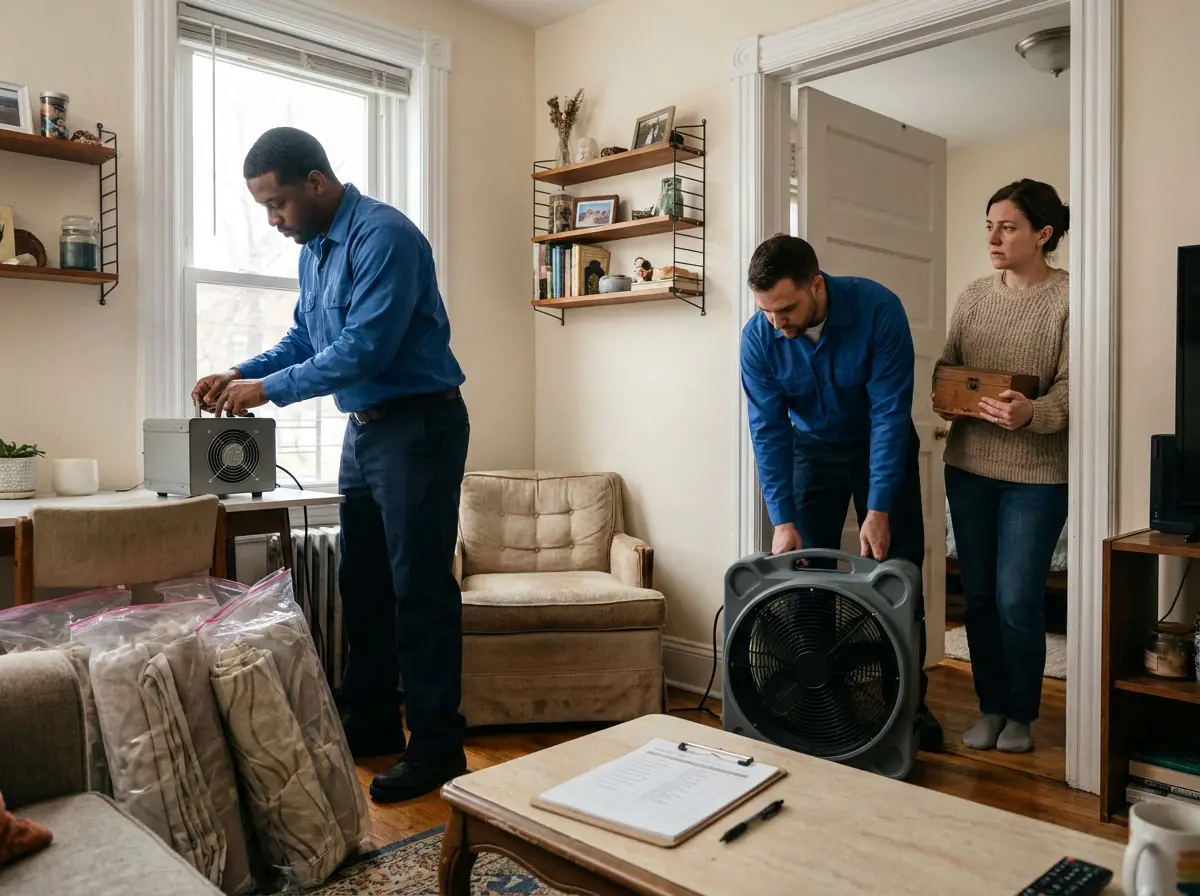
Our team moves with surgical precision to ensure the moisture is extracted, the environment is dried, and the structural integrity of your Danbury home is fully restored. We do not just dry the surface; we target the source.
Here is how we handle the restoration process:
- Thermal Imaging: We use infrared cameras to detect moisture hiding deep behind your walls that the naked eye cannot see.
- Containment: We isolate the affected area to prevent mold spores from traveling through your HVAC system into other parts of your home.
- Industrial Dehumidification: We place high-grade equipment to pull moisture out of the studs and joists to prevent permanent warping or structural weakness.
- Sanitization: We apply antimicrobial treatments to stop biological growth in its tracks.
Do not wait for the drywall to sag or the smell of mildew to take over your home. Professional intervention saves you thousands of dollars by turning a simple repair into a contained event rather than a massive renovation project.
Final Words
Your ceiling is not just a painted surface; it is the final barrier protecting your home from the unseen effects of moisture. When you spot a leak, waiting for the weekend to deal with it is a gamble you cannot afford to win.
If you see signs of pooling, sagging, or discoloration, you need an immediate assessment. Our team specializes in professional Ceiling Water Damage Repair to ensure the internal framing remains strong and free from hazardous rot.
Protecting Your Asset
Do not let a simple plumbing drip turn into a multi-thousand dollar restoration project. Taking action today prevents the hidden spread of mold and saves your floor joists from permanent decay.
- Inspect your attic after every heavy storm.
- Check the seals around your roof vents twice a year.
- Address even the smallest ceiling stains before they grow.
Ignoring a leak is the fastest way to invite disaster into your living room. Reach out to a local expert today to secure your property and maintain the value of your Danbury investment for years to come.
People Also Ask
Is ceiling water damage covered by homeowners insurance in Danbury?
Most standard homeowners insurance policies cover sudden and accidental water damage, such as a burst pipe. However, damage resulting from long term neglect or lack of maintenance is typically excluded from coverage.How long does it take for mold to grow after a ceiling leak?
Mold can begin to colonize damp surfaces within 24 to 48 hours of moisture exposure. It is essential to address the source of the leak immediately to prevent the development of toxic mold in your drywall and insulation.Can I paint over a water stain on my ceiling?
You should never paint over a water stain without first identifying and repairing the source of the leak. Painting over the damage traps moisture inside the building materials, which leads to hidden rot and structural deterioration.What are the primary causes of ceiling leaks in older Danbury homes?
Older homes in the area often face issues with aging plumbing, ice dams during severe winters, or deteriorated roof flashing. Regular inspections of your roof and attic spaces can help identify these vulnerabilities before they result in significant interior water damage.Do I need professional restoration for a small wet spot on my ceiling?
Even a small spot often indicates a larger reservoir of trapped moisture behind your ceiling drywall. Professional restoration experts use specialized thermal imaging to ensure that all hidden saturation is dried completely to protect your home from long term damage.Need Water Damage Restoration Services?
We provide rapid water damage restoration services to stabilize and dry your property in Danbury and surrounding communities (06810, 06811, 06813, 06804, 06812). Our team arrives quickly to extract water and mitigate damage, restoring your home or business to its pre-loss condition.
Request Service Estimate