


⚡ TL;DR: Effective mold remediation in the humid Corpus Christi climate requires expert detection and professional intervention rather than ineffective home remedies to ensure your property remains safe and healthy.
📋 What You’ll Learn
Dealing with mold in Corpus Christi requires specific strategies due to our humid coastal environment. This guide explains how to effectively identify, remediate, and prevent fungal growth in your local property.
- Master specialized coastal remediation tactics by understanding how the humid South Texas climate influences mold growth and why standard cleaning methods are often insufficient for your specific home environment.
- Avoid dangerous DIY cleaning mistakes like using bleach, which often fails to kill mold roots and can actually trigger toxic spore release throughout your living spaces and air ducts.
- Detect hidden toxic mold indicators before significant structural damage occurs by learning exactly where to look behind walls, under floorboards, and inside high humidity areas of your home.
- Select a certified professional team that understands how to protect your Corpus Christi property value through proven industry standards, effective containment, and comprehensive air quality restoration techniques.
📖 Reading time: 8 min
✍️ Author expertise: Licensed water damage restoration technician with ten years of field experience in Corpus Christi.
You wake up to a strange, earthy smell clinging to your curtains, or maybe you spot those fuzzy black patches blooming in the corner of your bathroom. In Corpus Christi, our thick coastal humidity acts like a 24/7 incubator for mold, turning small leaks into massive health hazards before you even realize what hit your home.
Most homeowners try to scrub it away with bleach or store-bought sprays, but they are just feeding the beast. If you do not kill the roots hidden deep inside your walls, that mold will keep coming back until your property value and your family’s health take a serious hit.
There is a massive amount of misinformation floating around about how to fix this problem for good. We are going to cut through the noise and reveal exactly what it takes to purge mold from your Corpus Christi property permanently.
Read on to discover the hard truths about professional remediation and why your DIY methods might actually be making things worse.
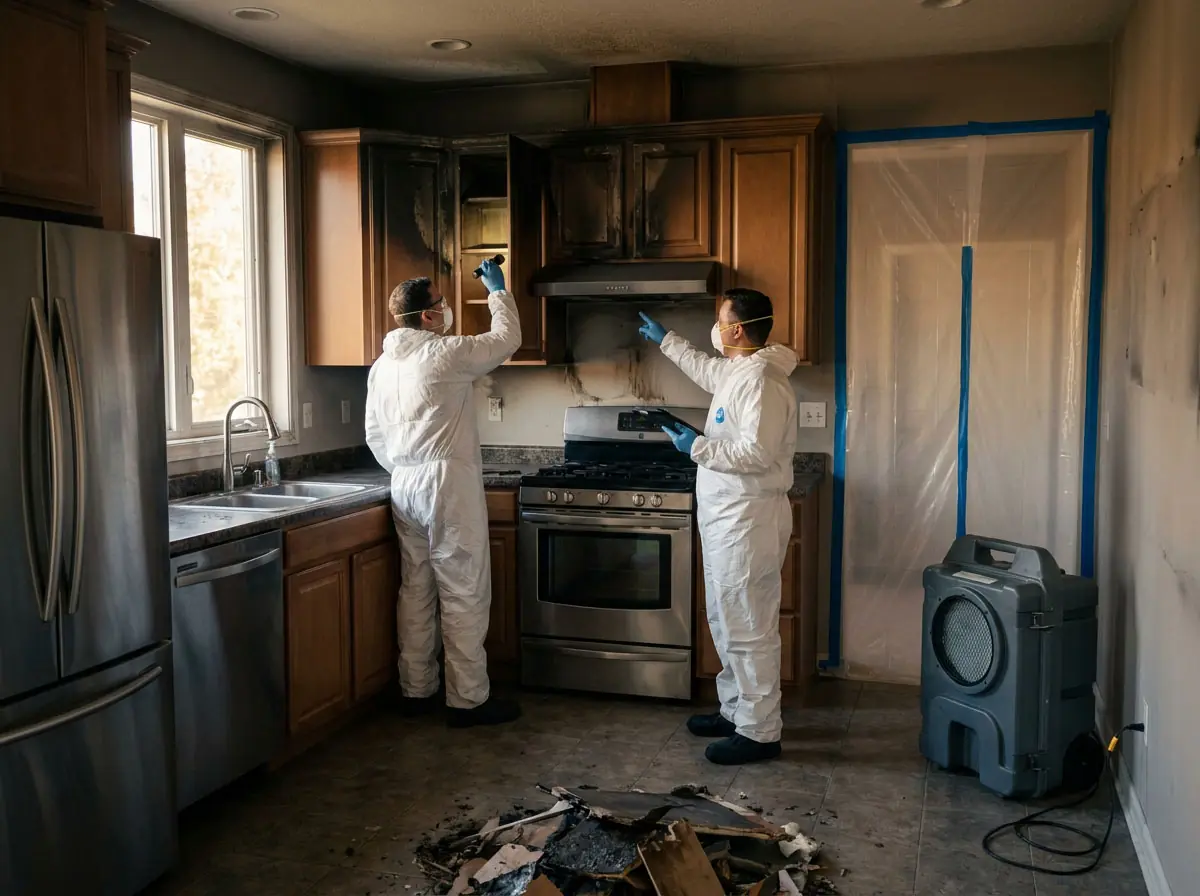
Why Corpus Christi’s Coastal Climate Demands Specialized Mold Tactics
Living in Corpus Christi is a dream for many, but our humid, subtropical climate is a paradise for mold spores. When the Gulf breeze pushes moisture into your living space, your home becomes a high-stakes environment where humidity levels rarely dip low enough to stop growth.
The standard tactics used in drier regions of Texas simply do not work here. In our salty, damp air, standard moisture control is often not enough to halt a structural infestation once it takes hold.
You are fighting against more than just a little surface grime. You are battling an environment that treats your drywall and insulation like a petri dish:
- High Humidity: The persistent moisture from the Gulf keeps materials saturated, which accelerates fungal reproduction.
- Salty Air: Airborne salt particles can actually corrode building materials, creating microscopic pores where mold roots dig in deep.
- Temperature Swings: Constant fluctuations between intense outdoor heat and cooled interiors create condensation inside your wall cavities.
If you treat a Corpus Christi mold problem like a simple cleaning chore, you are setting yourself up for failure. Professional remediation here requires specialized dehumidification systems and moisture mapping that the average store-bought tool cannot touch.
You need a strategy that addresses the specific way our coastal weather affects your home structure. Without these precise tactics, you are merely painting over a ticking time bomb.
The Dangers of Bleach and Why DIY Remediation Often Fails
Here is the hard truth that hardware store clerks won't tell you: bleach does not kill mold on porous surfaces. It is a chemical cocktail that mostly just whitens the surface, making the mold invisible while the roots continue to feast on your drywall and wood framing.
When you spray bleach on drywall, the liquid component sinks in while the active chemical stays on top. You are effectively watering the colony, providing the moisture it craves to spread deeper into your home. This is why you see that fuzzy growth reappear within weeks, angrier and more aggressive than before.
Why Your Spray Bottle Strategy Is Backfiring
- Bleach lacks the surfactants needed to penetrate porous building materials like wood or insulation.
- The high water content in bleach solutions provides the exact hydration mold needs to grow.
- DIY cleaning creates airborne spores that land on your furniture, clothes, and vents, spreading the contamination to other rooms.
True mold remediation is not a cleaning project, it is a surgical removal process. If you have a colony larger than a small plate, you are likely dealing with a hidden moisture source that requires industrial-grade containment and HEPA filtration to stop cross-contamination. Stop feeding the mold with household chemicals and start treating the structural moisture that is actually powering the infestation.

Identifying the Hidden Signs of Toxic Mold Growth Behind Your Walls
Most homeowners in Corpus Christi assume that if they cannot see the mold, it simply is not there. Unfortunately, the coastal humidity creates a perfect silent breeding ground behind your drywall, baseboards, and HVAC ducts.
You might be living with a colony for months before the first visible sign appears. By then, the spores have likely infiltrated your ventilation system and compromised your indoor air quality.
Subtle Red Flags You Should Never Ignore
If you notice these specific changes in your home environment, it is time to look deeper:
- A persistent, damp, or musty odor that never goes away, even after cleaning.
- Unexplained respiratory issues, such as constant coughing, sneezing, or allergic reactions that vanish when you leave the house.
- Wallpaper or paint that is starting to bubble, peel, or show faint discoloration near exterior walls.
- Floorboards that feel soft or spongy under your feet, indicating moisture trapped in the subfloor.
Do not wait for a full bloom to take action. If you suspect an issue, we use thermal imaging and moisture mapping to find the exact location of the infestation. Finding the moisture source is the only way to stop the growth cycle permanently.
If you catch the problem while it is still hiding, you can prevent structural damage and keep your restoration costs significantly lower. Professional detection saves you from tearing out your entire wall just to find a minor leak.
Comparative Table of Professional Remediation Steps Versus Standard Cleaning Methods
Many folks in the Coastal Bend think they can solve a mold outbreak with a trip to the hardware store and a bottle of household cleaner. This is a dangerous gamble that usually ends in disaster. Standard cleaning simply wipes the surface, while professional remediation targets the colony at its source to stop the growth cycle dead in its tracks.
| Action | Standard Cleaning | Professional Remediation |
|---|---|---|
| Root Removal | None (Surface only) | Deep extraction |
| Containment | None | Full negative air pressure |
| Moisture Control | Not addressed | Source elimination |
| HEPA Filtration | No | Yes (Medical grade) |
| Verification | Visual check | Post-remediation testing |
When you scrub mold with basic supplies, you are often just spreading microscopic spores throughout your living space. Professional teams use high-powered HEPA vacuums and specialized biocides to ensure the air you breathe remains safe. They don't just clear the visible spots; they find the moisture source feeding the colony behind your drywall.
Why Professionals Take the Extra Steps
Think of standard cleaning like cutting the weeds in your yard without pulling the roots. Sure, it looks better for a few days, but the plant is waiting to strike back the moment the humidity spikes again.
- Containment: Experts seal off the area to prevent spores from hitchhiking on your HVAC system.
- Moisture Mitigation: We use industrial dehumidifiers to strip the coastal moisture from your structural materials.
- Air Quality Testing: We provide scientific proof that the mold is actually gone rather than just hiding.
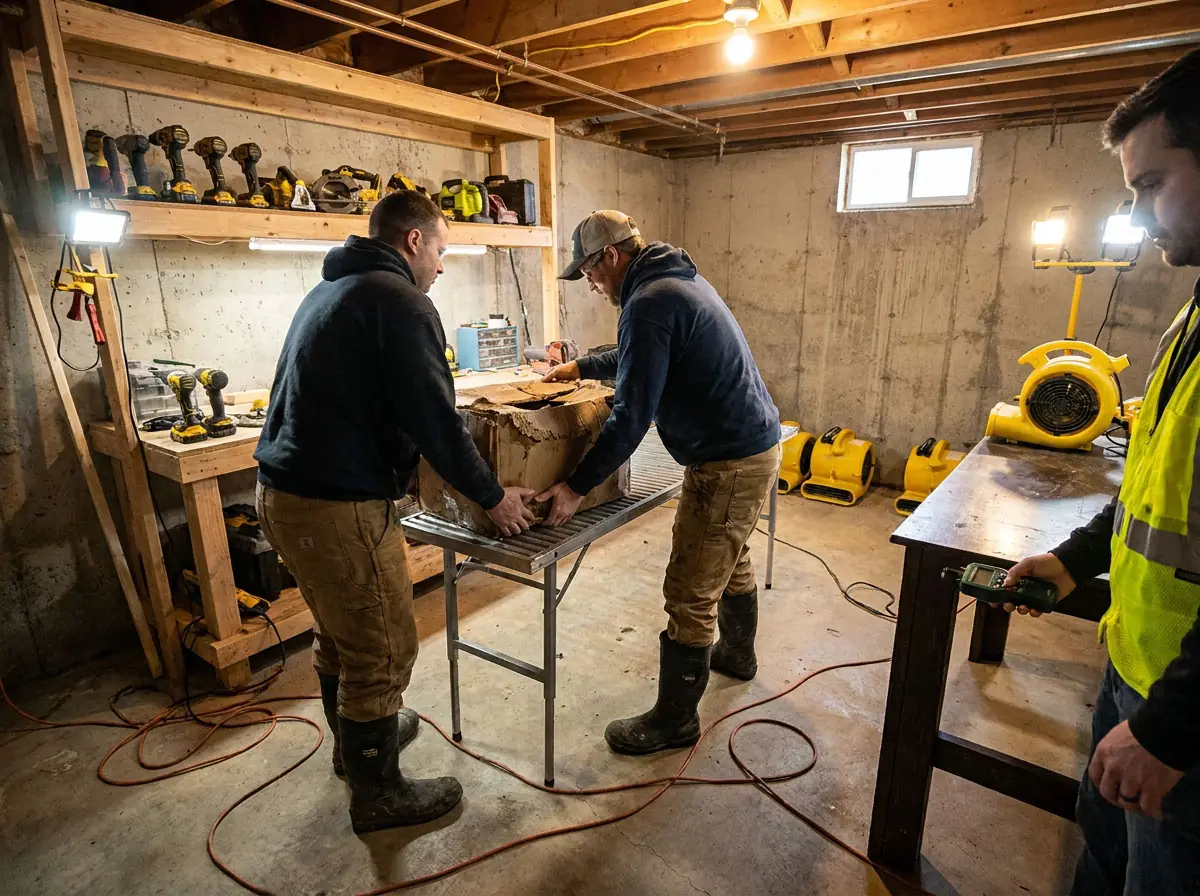
Restoring a Historic Corpus Christi Home: A Mold Remediation Case Study
Living in a historic home near the Gulf comes with distinct architectural charm, but those older materials often hide severe moisture traps. We recently worked on a classic property in the downtown area where the owner tried to handle a "mild" smell by painting over the baseboards.
That choice nearly cost them the integrity of the original wood. By the time we opened the wall cavity, we found that humidity had wicked up through the foundation, creating a massive mold colony that had been thriving behind the plaster for years.
The Restoration Protocol
To save the structural character of the home, we had to move beyond standard cleaning. Our team implemented a strict containment strategy to ensure that spores did not migrate to the rest of the house during the removal process.
- Containment: We sealed off the work zone using heavy-duty poly sheeting and negative air machines.
- Extraction: We removed only the non-salvageable materials to prevent further contamination.
- Sanitization: We used advanced HEPA vacuuming and antimicrobial treatments on the underlying wood framing.
- Encapsulation: We applied a specialized sealer to the studs to prevent future mold growth in high-humidity periods.
The result was a home that smelled fresh and remained safe for the family. It proved that you cannot simply scrub away issues in a historic build. You must identify the moisture source and treat the architecture with the respect it deserves.
Selecting a Certified Mitigation Team to Protect Your Property Value
Hiring a random contractor to handle mold is a gamble that usually ends with a bigger bill and recurring growth. You need a team that holds IICRC certification, which serves as the gold standard in the restoration industry. These pros do not just paint over the problem; they follow strict moisture control and containment protocols that are essential for the high humidity levels we see here in Corpus Christi.
When you interview a potential team, ask them to show proof of insurance and specific training in mold remediation. If they cannot explain their containment strategy or how they plan to verify that the mold is actually gone, show them the door. A true expert is transparent about their process and focused on the long term health of your home.
What to Demand From Your Remediation Team
- Proof of IICRC certification for mold removal.
- A detailed plan for containment to stop spores from spreading to clean areas.
- Use of HEPA filtration to scrub the air during the removal process.
- Third party post-remediation verification or clearance testing.
- A clear, written plan to address the source of the moisture.
Protecting your property value depends on proper documentation. Certified teams provide a paper trail that is vital when you decide to sell your house. Without this proof of professional removal, potential buyers may walk away once they spot signs of past water issues or mold treatments on a disclosure form.
Final Words
Mold is not just an aesthetic blemish on your drywall; it is a structural enemy that feeds on the specific humidity found here in the Coastal Bend. If you ignore the source, you are essentially paying for a temporary cover up rather than a permanent solution.
The smartest move you can make for your home is to stop treating the symptoms and start removing the infestation. When you partner with experts in Mold Remediation, you shift from playing a losing game of cleanup to securing your property for the long haul.
The Reality Check
Do not wait until the smell becomes unbearable or your drywall starts to crumble. Acting fast saves you money and keeps your living environment safe for those you care about most.
- Inspect your home for recurring moisture after heavy storms.
- Never rely on household cleaners for deep-seated fungal growth.
- Consult with professionals who understand local environmental factors.
You have worked hard for your home in Corpus Christi. Ensure it remains a safe harbor by choosing the right path, cutting out the amateur mistakes, and getting the job done right the first time.
People Also Ask
Is mold remediation covered by homeowners insurance in Corpus Christi?
Coverage depends entirely on the source of the moisture and your specific policy language. Generally, insurance covers mold caused by sudden water damage, but it often excludes mold resulting from long term neglect or flooding.How do I know if my Corpus Christi home has a serious mold problem?
You should look for persistent musty odors, visible dark spots on drywall, or recurring respiratory issues among family members. If you suspect an infestation, follow the EPA guidelines to assess the risk and determine if professional intervention is required.Why is DIY mold removal often dangerous?
Attempting to scrub or disturb mold colonies can release millions of spores into the air, causing them to spread to unaffected rooms. Without professional containment and industrial grade air filtration, you risk inhaling toxins and increasing the contamination scope within your home.How long does professional mold remediation take in Texas?
The timeline varies based on the size of the affected area and the extent of material degradation. Simple projects might take a few days, while extensive structural remediation can take up to two weeks to ensure the environment is fully stabilized.Can I just use bleach to kill mold on my walls?
Bleach is ineffective at killing mold on porous surfaces like drywall or wood because it cannot penetrate deep enough to reach the root structure. It only whitens the surface, leaving the mold colony alive and likely to return shortly after treatment.Need Water Damage Restoration Services?
We provide rapid water damage restoration and structural drying across Corpus Christi and surrounding communities to restore your property immediately. Our team delivers reliable emergency response to minimize damage and prevent long-term issues (78401, 78404, 78411, 78412, 78414).
Request Price Estimate