


⚡ TL;DR: This guide helps Columbus residents understand the causes of basement water damage and provides actionable strategies for implementing exterior drainage, effective waterproofing, and proactive maintenance to protect homes.
📋 What You’ll Learn
Living in Columbus means managing heavy clay soil and frequent rainstorms. This guide provides actionable steps to identify seepage, protect your home foundation, and implement effective waterproofing solutions to prevent damage.
- Identify root causes of moisture by analyzing how our local Muscogee County clay soil expands during heavy rains to put immense pressure on your home foundation walls over time.
- Implement exterior drainage tactics including how to properly grade your lawn, install gutter extensions, and divert water away from your basement to stop pooling before seepage even begins.
- Compare interior and exterior waterproofing by reviewing the pros and cons of different sealing techniques to determine which specific system will provide the best long term protection for you.
- Follow proactive maintenance routines to monitor your home for early signs of mold or foundation cracks so you can address small issues before they become expensive structural restoration projects.
📖 Reading time: 8 min
✍️ Author expertise: Columbus based water damage specialist with ten years of field experience in home restoration.
You head downstairs to grab a box of holiday decorations, only to feel that unmistakable, squishy dampness soaking through your socks. It starts as a faint, musty scent in the air, but left unchecked, that hidden moisture will rot your floor joists and turn your foundation into a breeding ground for toxic mold.
Living here in Columbus, we deal with stubborn clay soil and unpredictable rain patterns that push water against your walls with relentless force. Many homeowners think a little seepage is just a fact of life, but ignoring those damp spots is a fast track to a collapsed budget.
The good news is that you don't have to watch your home slowly disintegrate from the bottom up. We are going to pull back the curtain on exactly why your basement is leaking and the specific steps you need to take right now to seal it up for good.
Keep reading to discover the proven methods used by local pros to stop water in its tracks and protect your property value.

Why Columbus Clay Soil and Heavy Rain Are Compromising Your Foundation
If you live anywhere from North Columbus down to the valley, you know our soil. It is thick, red, and packed with heavy clay. While this dirt is great for keeping plants rooted, it is a nightmare for your basement walls.
When our frequent Georgia rainstorms roll in, that clay acts like a sponge. It absorbs massive amounts of water, expands, and exerts relentless pressure against your foundation. This is what engineers call hydrostatic pressure.
Over time, this pressure becomes impossible for concrete to resist. Your walls begin to bow, crack, or shift, creating a clear path for water to seep right into your living space.
The Real Danger Beneath Your Feet
Most homeowners don't realize that water is actively attacking the structural integrity of their home during every storm. If you see signs of dampness, you are already dealing with a serious failure in your home's exterior defense.
Here is what happens when that Columbus soil keeps pushing:
- Microscopic cracks expand into structural fissures.
- Water enters the gaps and washes away the soil supporting your footer.
- The foundation settles unevenly, causing doors to stick and windows to jam upstairs.
- Moisture trapped behind your walls creates a permanent, damp environment for mold.
You cannot fight physics, but you can manage the water. Ignoring these early warning signs is a gamble that your foundation will eventually lose. Fixing the drainage now is much cheaper than jacking up your entire house later.
Identifying the Hidden Sources of Basement Seepage Before Structural Damage Occurs
Before you start patching walls, you must play detective. Moisture rarely appears where it actually enters, so you have to look for the telltale signs of infiltration before the structural integrity of your home is compromised.
Most homeowners overlook the small clues until a major storm causes a flood. Keep an eye out for these critical warning signals that suggest water is invading your basement:
- Efflorescence, which looks like a white, powdery crust on your concrete blocks or poured walls.
- Rust stains at the base of metal poles or around floor drains.
- Peeling paint or blistering wallpaper that feels cool to the touch.
- Cracks in the concrete floor that widen during heavy spring rains.
If you spot these issues, investigate the outside perimeter for stagnant water or soft patches of mulch. Water always seeks the path of least resistance, and if your window wells are clogged with debris or your mortar joints are crumbling, your basement will act as a collection basin for the entire yard.
Check the seam where the wall meets the floor, often called the cove joint. This is the most common entry point for hydrostatic pressure to force moisture into your home. If you notice dampness here, the external drainage is likely failing, and your foundation is essentially sitting in a bathtub of trapped water.

Essential Exterior Drainage Solutions: Gutters, Grading, and Downspout Extensions
Most basement moisture issues in Muscogee County don't start in the basement at all; they start at your roofline. If your gutters are clogged with pine needles or leaves, water spills over the sides and pools directly against your foundation walls. Since our local clay soil expands when wet and acts like a sponge, that water has nowhere to go but straight through your concrete.
The first line of defense is ensuring your gutter system is clean and functional. Even more important is where that water ends up once it hits the ground. If your downspouts drop water right at the corner of your house, you are essentially feeding the leak.
- Extend your downspouts: Use rigid plastic or metal extensions to direct water at least 10 feet away from your foundation walls.
- Check your grading: The dirt around your home should slope away from the structure at a rate of one inch per foot for the first six feet.
- Clear the path: Ensure that water doesn't pool in low spots or flower beds that sit against your siding.
Take a look at your yard during the next Columbus rainstorm. If you see water moving toward your basement windows or pooling near the foundation, your grading is likely fighting against you. Fixing the slope is often the cheapest way to stop a basement from flooding because it stops the pressure before it ever touches your masonry. Stop feeding the foundation with roof runoff and you will notice an immediate difference in your basement humidity levels.
Waterproofing Techniques: A Comparative Table of Interior and Exterior Sealing Methods
When you decide to stop water from ruining your home, you have two main battlegrounds: the outside and the inside. Exterior waterproofing is the gold standard because it stops water before it ever makes contact with your foundation walls.
Interior waterproofing, on the other hand, manages water that has already bypassed your outer defenses. It focuses on catching seepage and pumping it out before it pools on your floor.
| Feature | Exterior Sealing | Interior Sealing |
|---|---|---|
| Primary Goal | Prevent moisture entry | Manage incoming water |
| Excavation Needed | Yes, heavy digging | No, minimal disruption |
| Cost Level | Higher investment | Budget friendly |
| Durability | Lasts decades | Requires maintenance |
Choosing the Best Defense for Your Home
Exterior methods often involve applying a heavy duty waterproof membrane and installing new drainage tiles along your footings. This process requires digging out the soil around your foundation, which is why it costs more but provides the ultimate long term protection.
If exterior work is not feasible, interior systems are a smart alternative. These usually include:
- Installing a sub floor drainage system that leads to a sump pump.
- Applying specialized cementitious coatings to block minor dampness.
- Using vapor barriers to keep humidity levels low and prevent mold.
Your choice depends on your budget and the severity of the cracks in your walls. A professional inspection will help you decide if you need the total prevention of an exterior seal or the effective management of an interior pump system.

Protecting Your Investment: A Case Study of Basement Restoration in Muscogee County
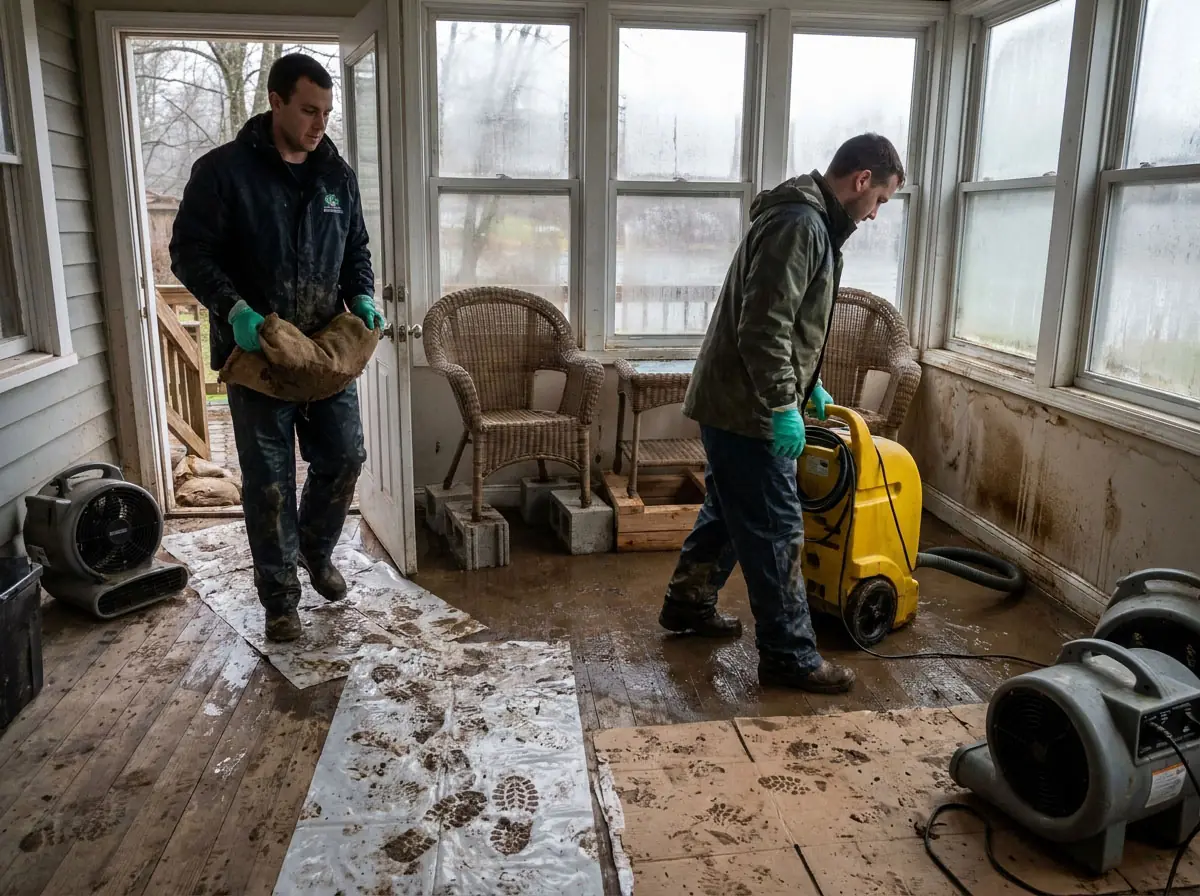
Last winter, we helped a homeowner in the Historic District whose basement had become a literal swamp. Heavy rains had overwhelmed the aging foundation, leading to standing water and significant mold growth on the support beams.
The situation was dire. The homeowner faced a choice: watch their property value plummet or take immediate, decisive action to fix the root cause.
We executed a multi-stage restoration plan that completely changed the basement environment. Here is how we turned a liability back into an asset:
- Installed a high-capacity interior drainage system to catch water before it reaches the floor.
- Graded the exterior soil away from the home to prevent pooling against the walls.
- Applied a professional-grade waterproofing sealant to all cracks in the masonry.
- Implemented a commercial-strength dehumidification unit to control humidity levels permanently.
The result was immediate. Within weeks, the musty scent vanished, and the basement bone-dry status was restored. By acting quickly, the owner saved thousands in potential structural repairs that would have been inevitable if the seepage had continued for another season.
Proactive Maintenance Routines to Prevent Future Flooding and Mold Growth
You cannot just fix a leak once and forget about it. Basement health requires consistent attention, especially given the heavy Georgia rainfall that beats down on our homes throughout the year.
Set a calendar reminder every three months to walk your property perimeter. Check for new cracks, peeling paint on foundation walls, or damp spots that indicate the soil is holding too much water.
Follow this simple checklist to keep your home bone dry:
- Clear your gutters of leaves and pine needles to ensure water flows away from the house.
- Ensure your downspout extensions are at least four feet away from your foundation.
- Check your sump pump for proper operation by pouring a bucket of water into the pit to trigger the float switch.
- Inspect window wells for debris that might block proper drainage.
Mold loves stagnant air as much as it loves damp surfaces. If your basement feels stuffy or smells like a wet locker room, you need to manage the humidity levels immediately.
Invest in a high-capacity dehumidifier to keep moisture levels below fifty percent. This small step stops mold spores from taking root, protecting your indoor air quality and keeping the structure of your Columbus home sound for years to come.
Final Words
Your home is likely the biggest investment you will ever make. Letting water seep into your basement is the fastest way to flush that investment right down the drain.
Whether you choose to DIY the simple fixes or call in a pro for major structural repairs, you must act with urgency. Moisture does not wait for a convenient time to compromise your subfloor or invite mold to colonize your walls.
For those times when the water is already inside, remember that professional remediation is the only way to ensure your property remains safe and dry. You can explore more resources on Basement Water Damage to understand exactly what signs require immediate attention.
A Quick Checklist for Homeowner Vigilance
Don't just walk past your basement stairs and hope for the best. Perform these simple checks to keep your foundation sound:
- Check your gutter downspouts after every heavy Georgia rainstorm.
- Inspect your basement floor for new cracks or signs of efflorescence.
- Monitor the scent of your lower level for even the faintest whiff of mustiness.
- Test your sump pump before the spring rainy season hits our area.
The difference between a solid foundation and a money pit is the speed of your response. Take control of your home today, stop the seepage, and secure your property against the elements for the long haul.
People Also Ask
Does homeowners insurance cover basement water damage in Columbus?
Most standard homeowners insurance policies do not cover damage caused by gradual seepage or groundwater flooding. Coverage usually only applies if the water damage results from a sudden and accidental event like a burst pipe.How do I know if my basement foundation is compromised by water?
Look for signs like horizontal cracks in your basement walls, bowing masonry, or a persistent musty smell that suggests mold growth. According to the FEMA guidelines, you should inspect your foundation annually for water entry points to prevent structural failure.What is the most effective way to stop basement seepage?
The most effective approach combines exterior grading to slope soil away from the home with properly functioning downspout extensions. If water continues to seep through walls, installing an interior drainage system with a sump pump is often necessary.Why is the soil in Columbus, GA prone to causing basement leaks?
The region features heavy clay soil, which expands when wet and contracts when dry. This cycle of expansion puts immense hydrostatic pressure on basement walls, eventually creating small cracks that allow water to seep inside.How soon should I hire a professional for basement water damage?
You should contact a restoration expert immediately after discovering water to prevent irreversible property damage and hazardous mold growth. Rapid professional intervention is critical because moisture can cause secondary damage within the first 24 to 48 hours.Need Water Damage Restoration Services?
We provide rapid water damage restoration across Columbus, GA and surrounding areas to dry your property and prevent further structural issues. Our response team acts immediately to mitigate damage and restore your home to a safe condition (31901, 31904, 31906, 31907, 31909).
Request Price Estimate